


ARLINGTON— GE Aerospace and Pratt & Whitney have completed major design milestones for their adaptive-cycle turbofans under the US Air Force Next Generation Adaptive Propulsion (NGAP) programme. The two engine makers aim to power the developmental Boeing F-47 sixth-generation air dominance fighter.
GE Aerospace finished an assembly readiness review of its XA102 design on 11 May, while Pratt & Whitney completed a technical assessment of its XA103 engine on 8 May 2026. Both companies relied on fully digital engine models to advance their NGAP submissions.
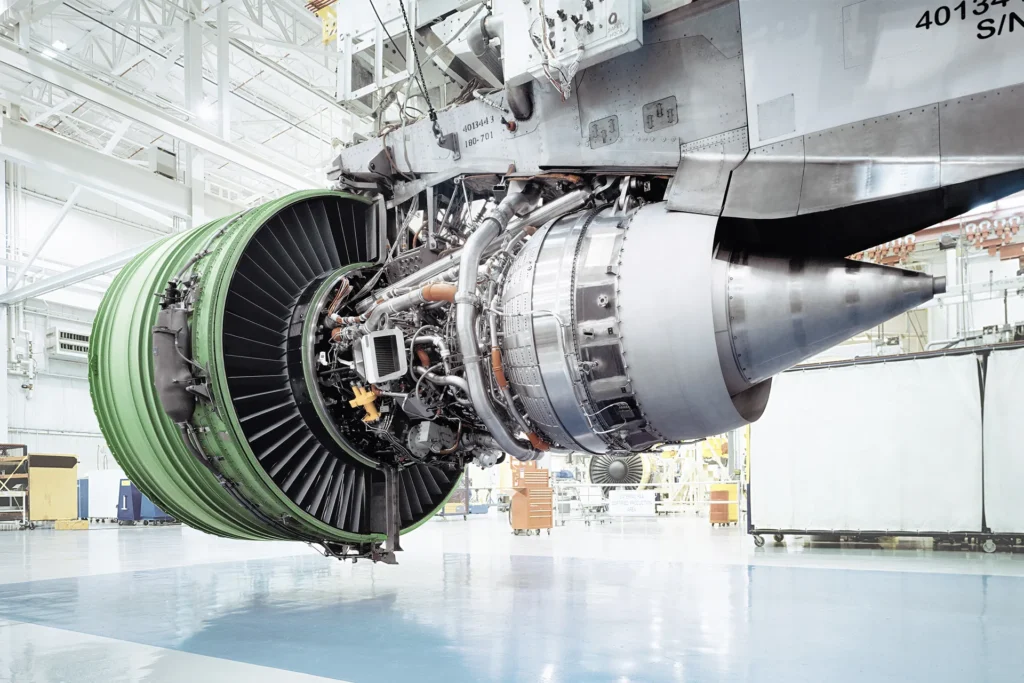
GE Aerospace Confirms XA102 Engine Maturity
GE Aerospace announced the completion of its XA102 assembly readiness review on 11 May. The evaluation covered the engine design, the manufacturing process, and the readiness of the supporting supply chain.
The company expects the US Air Force to award funding for the next phase of NGAP development later this year.
Steve Russell, general manager of GE’s Edison Works advanced projects unit, said the review demonstrates the maturity of the XA102 design and the strength of the digital-first development approach.
He added that the fully integrated digital engine model spans design, manufacturing, and inspection, positioning the company to deliver advanced capability faster and with greater precision, Flight Global reported.
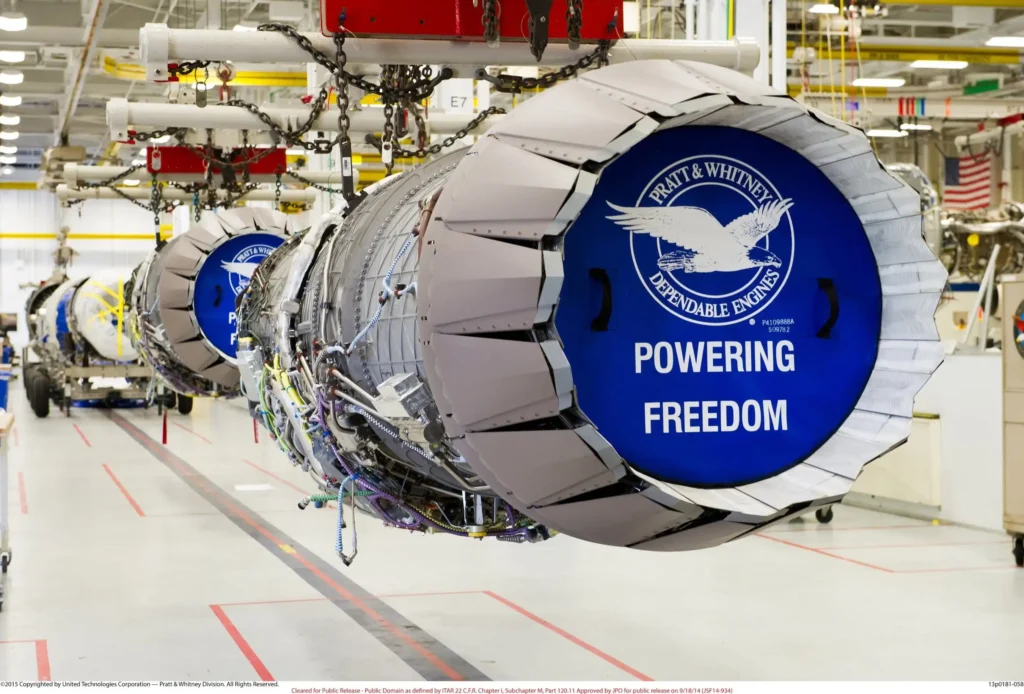
Pratt & Whitney Progresses XA103 Toward Prototype Build
Pratt & Whitney revealed on 8 May that it also finished a technical assessment of its XA103 design using a fully digital model.
The RTX subsidiary considers the assembly readiness review a key step in transitioning from digital design to producing a physical prototype.
Jill Albertelli, president of military engines for Pratt & Whitney, said the NGAP team is simultaneously developing novel digital validation tools as it prepares for engine assembly and testing.
She added that the expected performance exceeds anything available today, reinforcing the importance of stable investment in propulsion as a strategic competitive advantage.
Pratt & Whitney plans to finish assembling an XA103 prototype in the late 2020s. Ground testing will follow shortly after assembly.
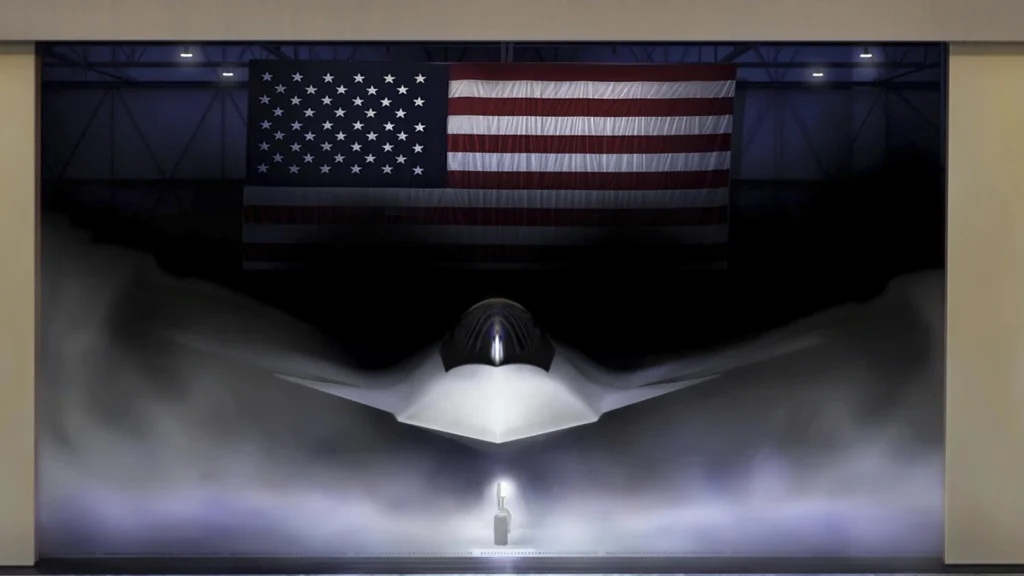
Boeing F-47 to Fly Initially Without NGAP Engine
The Pentagon expects to begin aerial testing of the Boeing F-47 as soon as 2028. That timeline falls well before either NGAP engine receives certification for actual flights.
As a result, the initial batch of F-47 fighters will not fly with an adaptive-cycle turbofan. Neither the US Air Force nor Boeing has disclosed which engine will initially power the F-47.
The NGAP programme focuses on maturing technologies that increase the range of next-generation fighters, reduce the thermal signature of the aircraft, and boost onboard electricity generation. Higher electrical output is critical for powering new weapons and advanced sensors on sixth-generation combat aircraft.
Adaptive-cycle engines can adjust airflow in flight, switching between high-thrust modes for combat and fuel-efficient modes for long-range cruise. This dual capability supports both performance and endurance requirements.
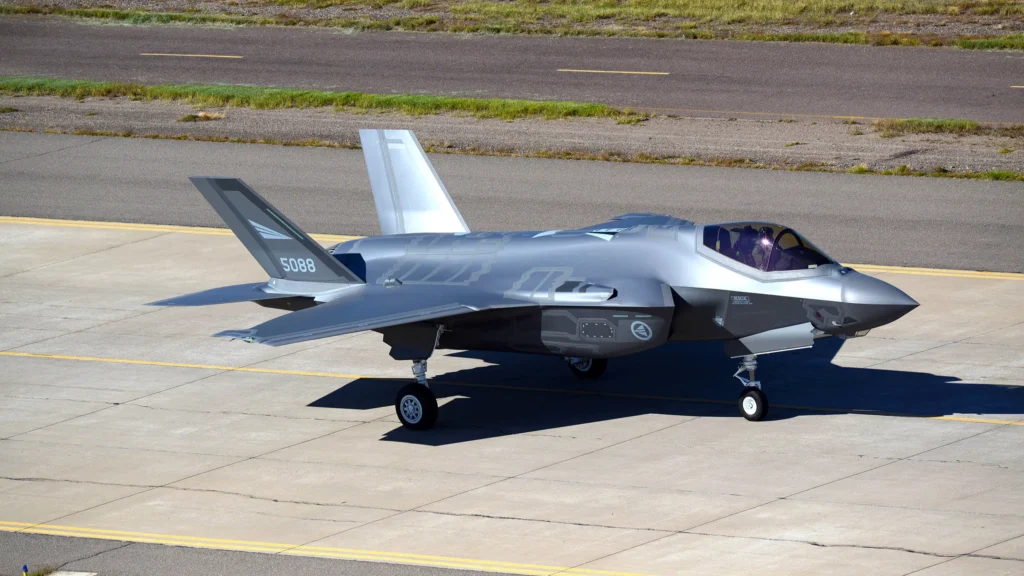
AETP Heritage Carries Into NGAP Designs
The US Air Force previously funded development of two adaptive-cycle engines under the Adaptive Engine Transition Program (AETP). That earlier effort aimed to produce a more powerful successor to the Pratt & Whitney F135, which powers the Lockheed Martin F-35A fifth-generation stealth fighter.
GE Aerospace delivered the XA100, and Pratt & Whitney built the XA101 as AETP prototypes. Both companies completed ground testing of their demonstrators, but the US Air Force scrapped the programme in favour of a core upgrade to the existing F135.
Cost concerns and a lack of support from the US Navy and US Marine Corps, which operate the F-35B and F-35C variants, contributed to the cancellation decision.
Both engine manufacturers say their work on the XA100 and XA101 demonstrators has carried over into the current NGAP designs.
Stay tuned with us. Further, follow us on social media for the latest updates.
Join us on Telegram Group for the Latest Aviation Updates. Subsequently, follow us on Google News
