

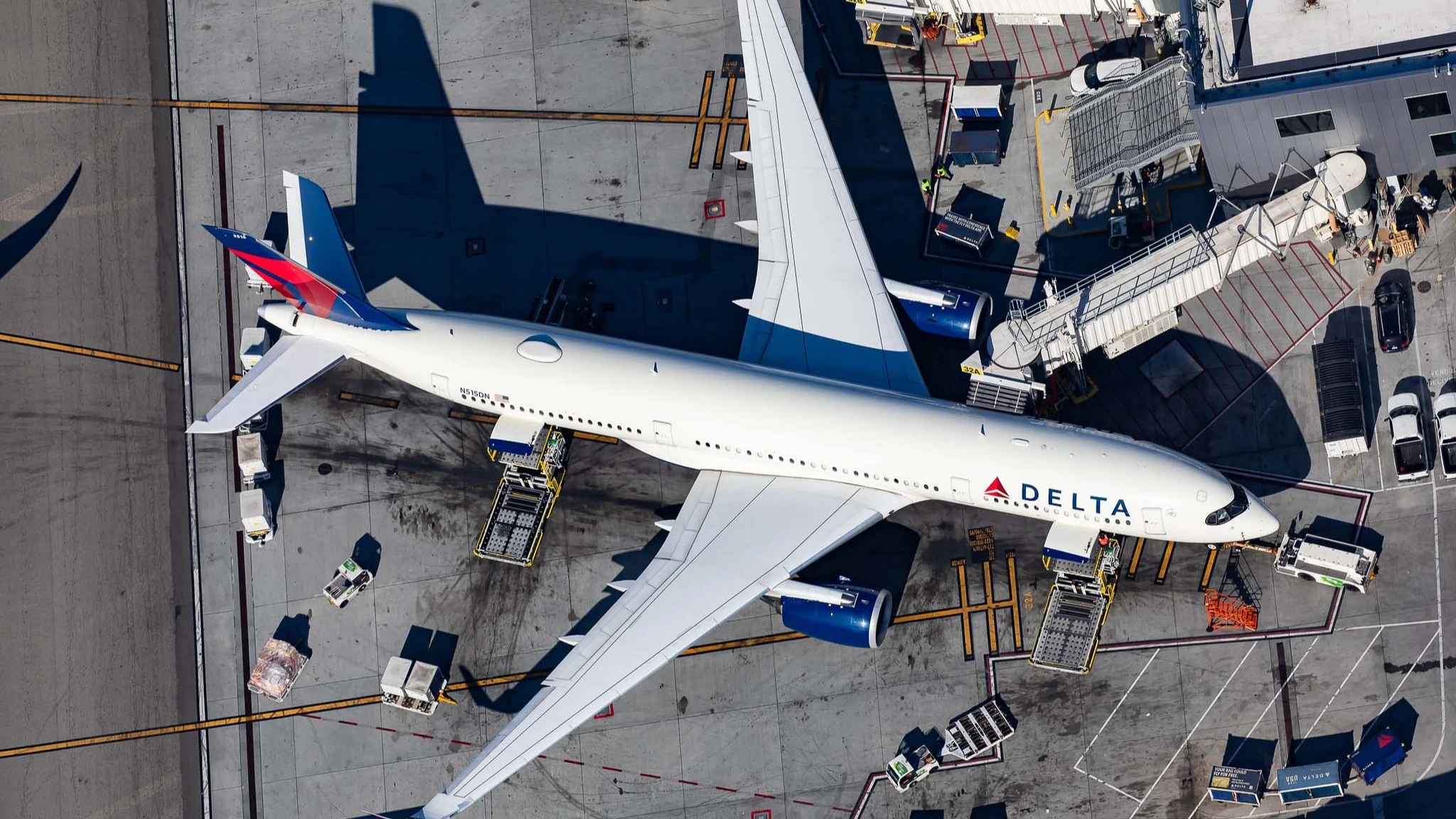
ATLANTA- Delta Air Lines (DL) canceled close to 400 flights across Friday and Saturday, May 1-2, 2026, citing “crew restrictions” as the primary reason.
The disruptions affected operations at its main hub, Hartsfield-Jackson Atlanta International Airport (ATL), and airports across the United States, despite favorable weather conditions nationwide.
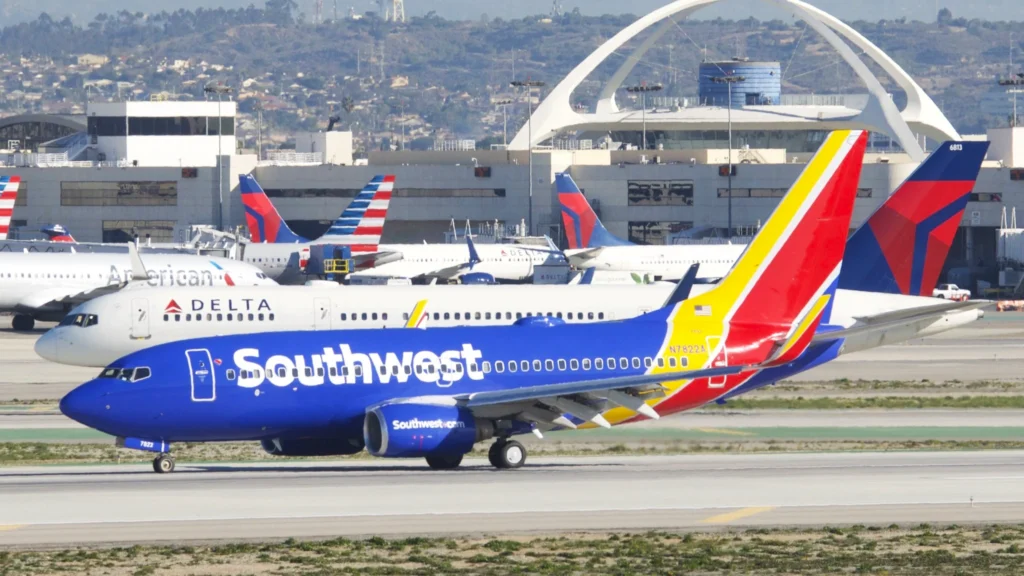
The cancellations placed Delta (DL) in an unusual position, as competitors American Airlines (AA), United Airlines (UA), and Southwest Airlines (WN) reported near-zero cancellation rates during the same period. Spirit Airlines (NK) also canceled all 277 of its flights on Saturday, but only because the carrier permanently ceased operations that day.
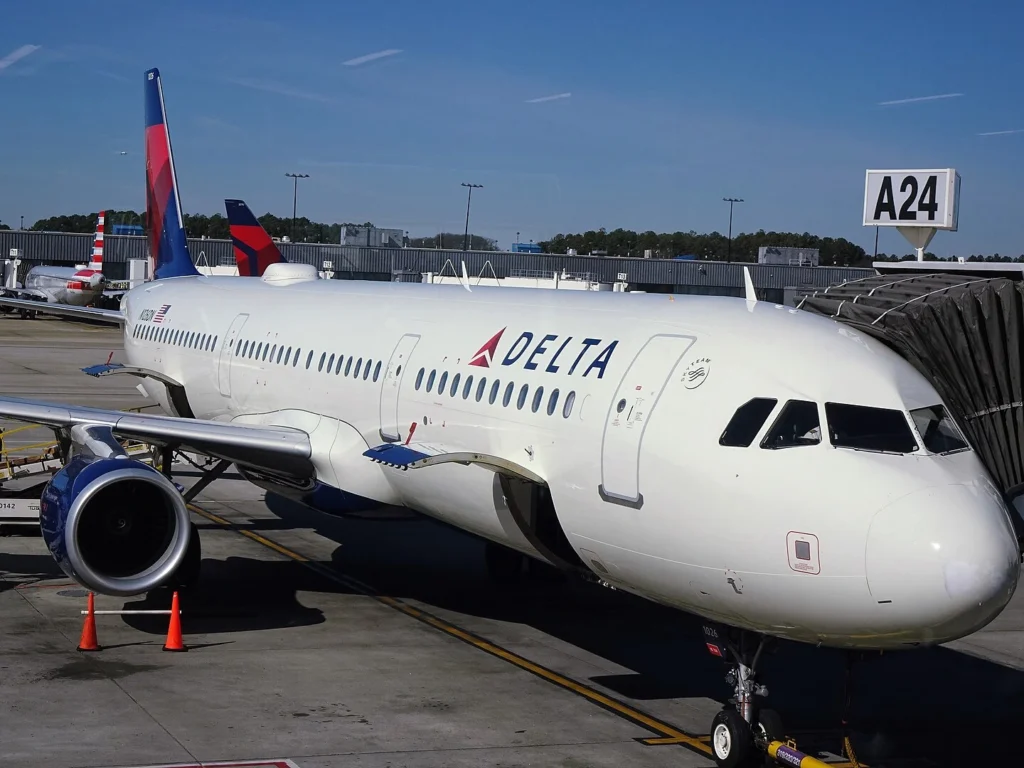
Delta Cancels 400 Flights
Delta’s operational troubles over the two days stood out sharply against the rest of the U.S. airline industry. On Friday, May 1, 2026, Delta (DL) canceled 157 flights, representing 4% of its schedule, and delayed 631 flights, or 17% of its operations.
United Airlines (UA) canceled just 24 flights on the same day but reported 815 delays, accounting for 26% of its schedule. American Airlines (AA) reported no significant cancellations or delays.
The situation worsened on Saturday, May 2, 2026. By 4 PM ET, Delta had canceled 204 flights, pushing its cancellation rate to 6% of the day’s schedule, while delaying another 363 flights.
United canceled only nine flights and delayed 268, while American canceled just four flights and delayed 470. Southwest Airlines (WN) also reported minimal disruptions.
Aviation industry sources attributed the bulk of Delta’s cancellations to “crew restrictions.” While the term remains vague, reporting from multiple outlets points to an internal crew scheduling breakdown rather than any external factor such as weather, air traffic control issues, or a technology outage, OMAAT flagged.
Pilot Scheduling Software and Staffing Turnover
Industry analysts have identified two key factors behind Delta’s recurring operational struggles. The first involves Delta’s pilot scheduling software, which has drawn criticism for months.
When irregular operations occur, the system forces scheduling teams to rebuild pilot trip sequences from scratch. This process creates a cascading effect, where filling one gap disrupts future sequences and triggers additional cancellations.
The second factor involves significant staff turnover within Delta’s scheduling department. Reports indicate that a number of new and less experienced personnel now handle irregular operations recovery.
This combination of outdated software tools and inexperienced staff has made Delta slower to recover from disruptions compared to its competitors.
Delta passengers have reported similar patterns since at least December 2025, when the airline implemented a new crew scheduling program.
Travelers have noted last-minute cancellations at ATL and other hubs, often listed as “crew scheduling” issues even when weather conditions are clear. One passenger reported having a single flight canceled three times in one day due to crew scheduling problems.
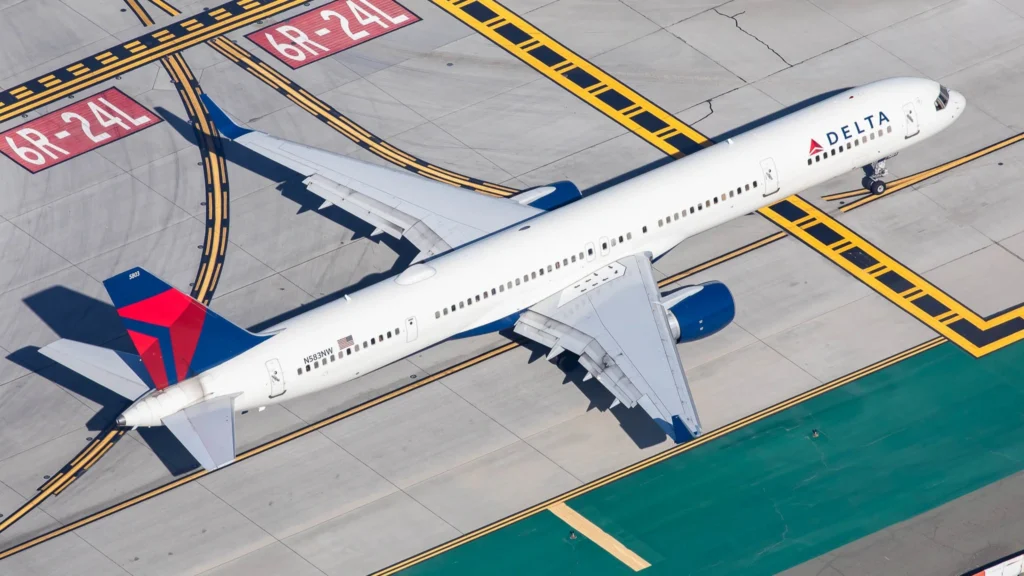
Delta’s DOT Rankings Reflect a Broader Reliability Decline
The current disruptions come alongside broader concerns about Delta’s operational standing. The U.S. Department of Transportation (DOT) recently published airline cancellation statistics for January 2026.
Delta ranked sixth out of nine major U.S. carriers in cancellation performance, with a 4.5% cancellation rate for the month. While January did feature severe winter weather, the ranking places Delta well below industry-leading territory.
Delta has historically marketed itself as “the on-time machine” and built its premium brand identity around superior operational reliability. However, the airline has faced repeated operational setbacks in recent months that have challenged this reputation. The carrier has also generally taken longer to recover from meltdowns than American, United, or Southwest.
Leadership changes have further complicated the picture. Delta’s former president, who played a central role in daily operations, has retired.
The airline also lost its operations chief during the pandemic. These departures have left gaps in operational oversight at a time when the airline faces intensifying competition.
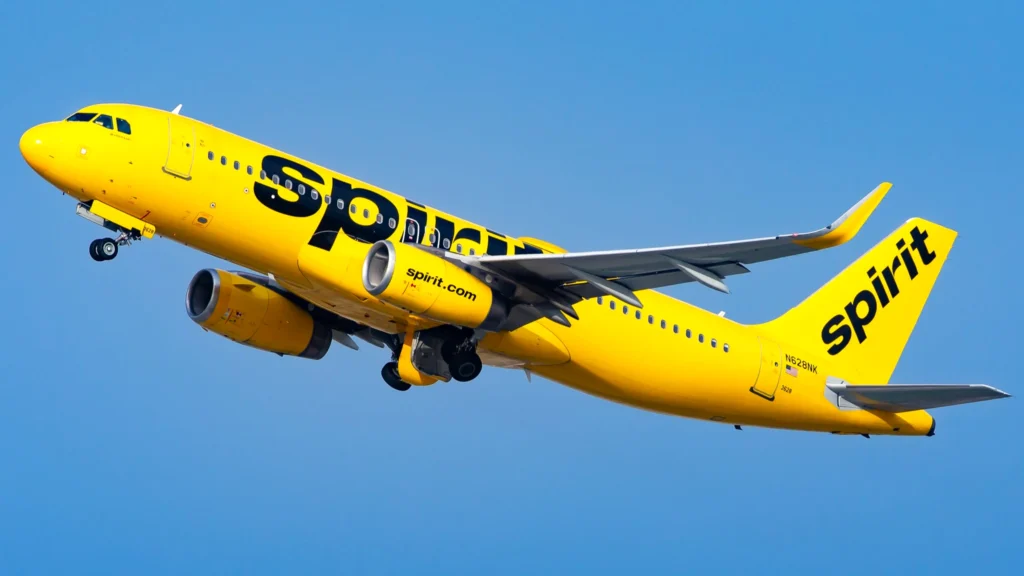
Delta Offers Support to Stranded Spirit Airlines Passengers
In a separate but related development, Delta announced reduced fares and standby travel options for passengers and crew members affected by Spirit Airlines’ (NK) sudden shutdown on May 2, 2026.
Spirit permanently ceased all operations after a government bailout proposal failed to materialize, affecting approximately 17,000 employees and stranding thousands of passengers.
Delta stated that discounted fares would remain available to all customers over the following week, not just those affected by Spirit’s collapse. The airline also extended standby travel privileges to Spirit pilots and flight attendants for 10 days under existing interline agreements.
What Lies Ahead for Delta’s Operations
Delta’s management acknowledged crew-related challenges during the airline’s first-quarter 2026 earnings call, noting ongoing discussions with the Air Line Pilots Association (ALPA) to address scheduling inefficiencies tied to the current pilot contract.
However, the airline has not issued a public statement specifically addressing the May 1-2 cancellations or outlining concrete steps to prevent similar disruptions.
The operational gap between Delta and its competitors raises questions about the airline’s ability to maintain its premium positioning.
United Airlines (UA) has invested heavily in technology upgrades and mobile app improvements, while American Airlines (AA) has demonstrated stronger day-to-day operational consistency.
For Delta to reclaim its reputation as the industry’s most reliable carrier, the airline will need to address its scheduling infrastructure and staffing challenges with urgency.
Stay tuned with us. Further, follow us on social media for the latest updates.
Join us on Telegram Group for the Latest Aviation Updates. Subsequently, follow us on Google News
