

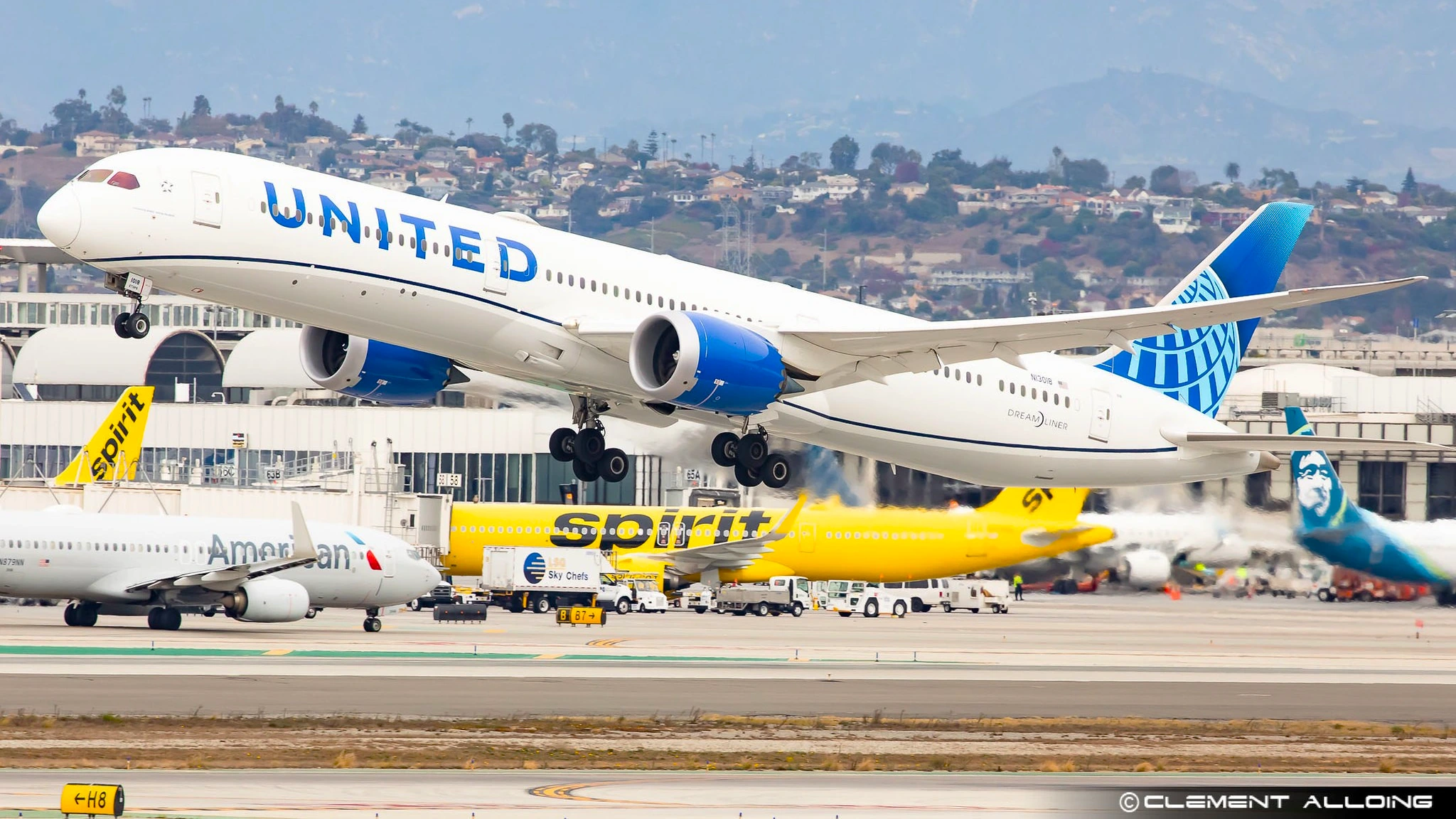
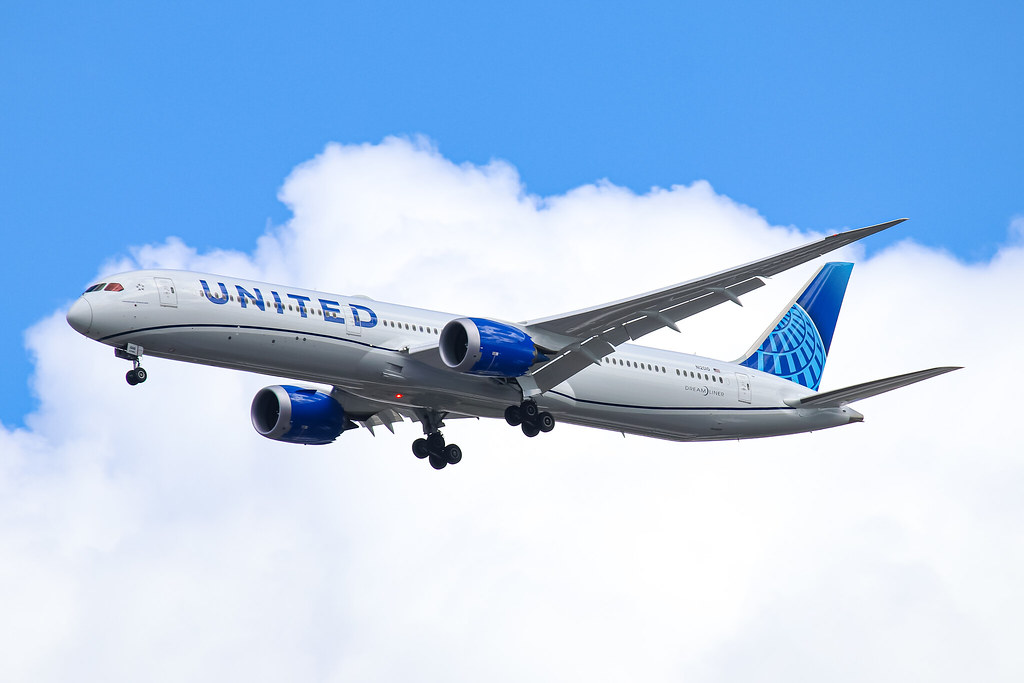
NEWARK- A United Airlines (UA) Boeing 787-10 Dreamliner operating flight UA995 from Brussels Airport (BRU) to Newark Liberty International Airport (EWR) was involved in a tense radio exchange with the approach air traffic controller on April 22, 2026.
The aircraft, registered N12010, landed safely on Runway 22L at Newark, but the friction between the cockpit and approach control continued well beyond touchdown.
After completing the landing, the UA995 crew contacted Newark Tower and requested a phone number to speak directly with the manager of the approach controller involved in the exchange.
The request signaled the crew’s intent to file a formal concern about the controller’s conduct during the approach phase.
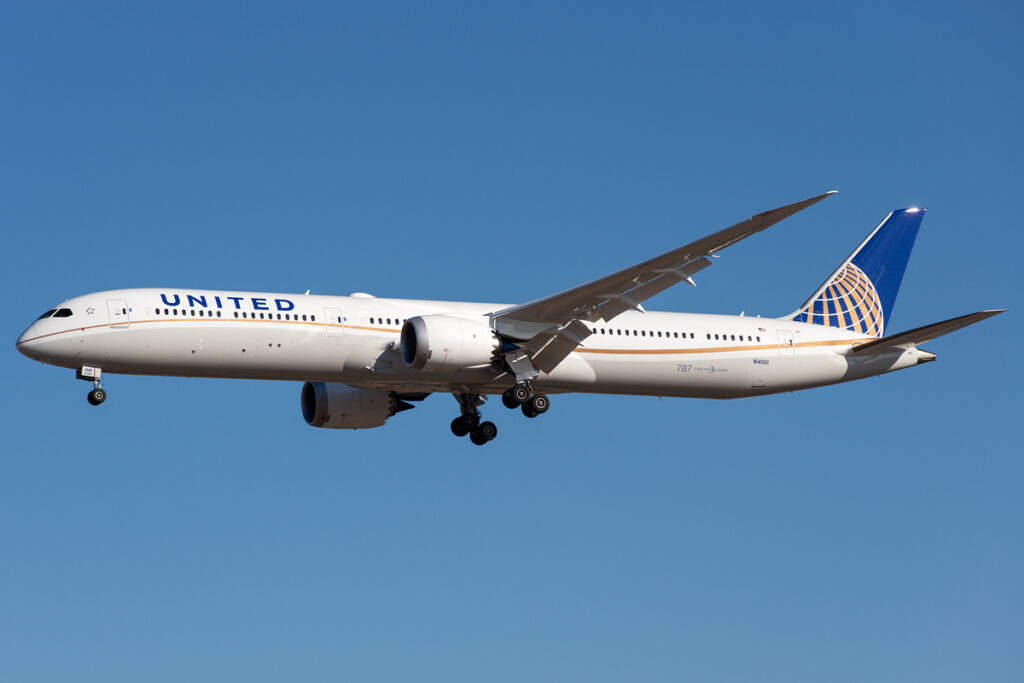
United 787 Pilot Clashes with Newark ATC
The incident began during the approach sequence into Newark (EWR). The approach controller issued a series of standard descent and heading instructions to United 995 Heavy, directing the crew to descend to 3,000 feet and then turn right to heading 180. The crew read back each instruction correctly.
However, friction surfaced when the UA995 pilot asked the controller for an intercept heading. The controller responded with a dismissive tone, stating he knew what he was doing and needed about five more seconds.
The pilot did not escalate at that moment but calmly requested a phone number, signaling dissatisfaction with the controller’s attitude.
The controller then issued a right turn to heading 190 to join the ILS approach for Runway 22R. The crew read back the clearance but mistakenly referenced Runway 22L instead of 22R.
The controller followed up with a speed reduction instruction to 160 knots, to be held until a five-mile final. The pilot acknowledged the instruction with a pointed remark, echoing the controller’s earlier statement about knowing what he was doing.
Shortly after, the controller instructed the crew to correct back to the localizer, indicating the aircraft had drifted off the approach course. The crew complied, and the controller then handed them off to Newark Tower on frequency 183.
ALSO READ: Qatar Airways Boeing 777F Pilots Scolded by Houston ATC Over Multiple Errors
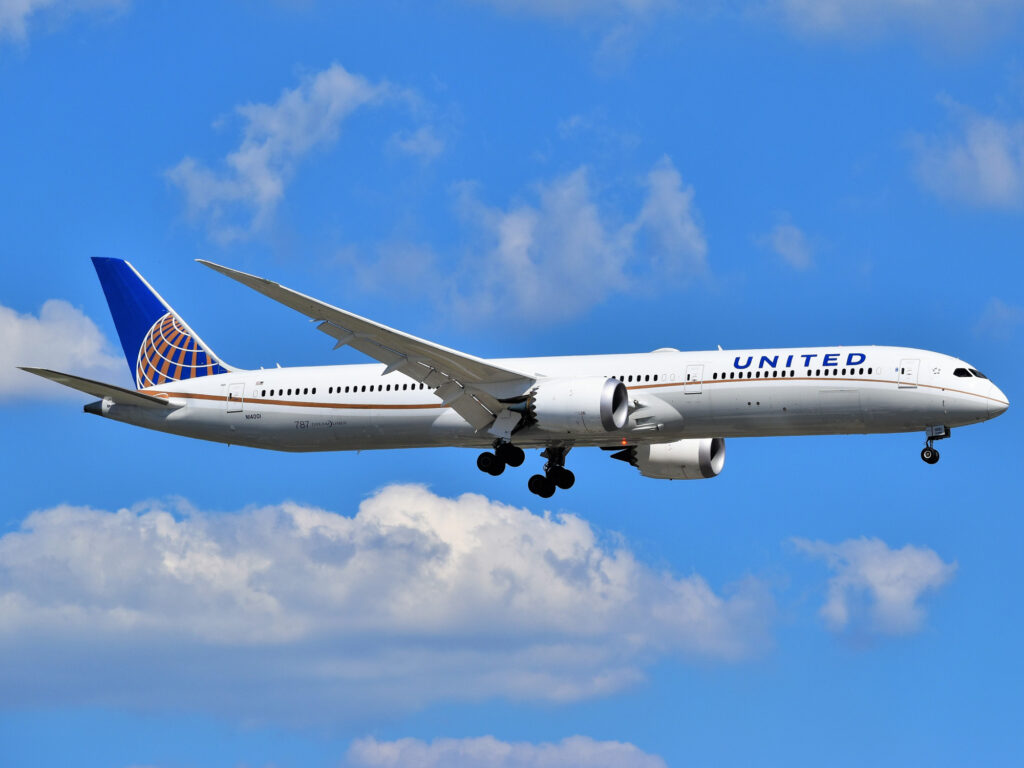
How the Landing and Ground Operations Unfolded
Upon contacting Newark Tower, the UA995 crew reported in on Runway 22L. The tower controller issued a wake turbulence caution, noting the crew was trailing a heavy Boeing 787, and cleared the flight to land on Runway 22L with winds reported at 160 degrees at 5 knots.
After landing, the tower informed UA995 that a gate was not yet available. The controller directed the aircraft to taxi southbound on taxiway Papa and then proceed via taxiway Alpha-Alpha, with instructions to hold short of Runway 22R. This initiated a back-and-forth exchange between the crew and the tower controller over the hold-short readback.
The tower controller requested a full readback multiple times, as the initial responses from the crew were incomplete.
The crew eventually provided the correct readback, confirming hold short of Runway 22R at Alpha-Alpha. The exchange required several attempts before the tower was satisfied with the accuracy of the readback, You Can See ATC reported.
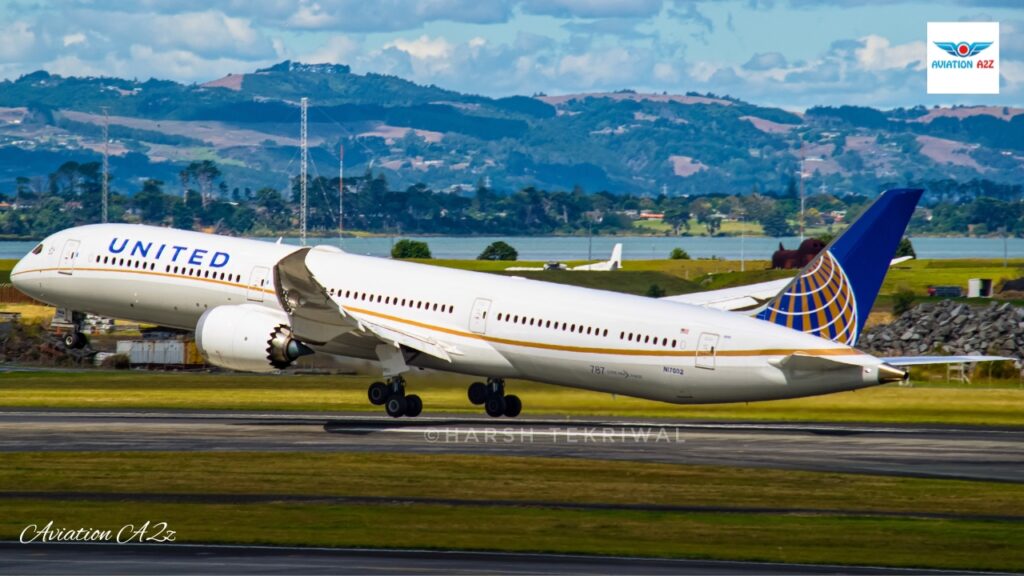
Pilot Requests Phone Number to Escalate the Matter
Once the taxi instructions were resolved, the UA995 crew made a direct request to the tower controller. The pilot asked for a phone number to contact the manager of the ATC final controller who had handled the approach.
The tower controller asked which specific controller the crew was referring to, and the pilot clarified it was the controller who handled the final approach segment, just before the ILS intercept.
The tower controller located the number and passed it along to the crew. This step is a standard procedure in aviation, where pilots can request contact details for ATC facilities if they wish to file a report, seek clarification, or raise concerns about an interaction during flight operations.
ALSO READ: United Airlines 777 Pilot Got Confused with San Francisco ATC Instructions After Takeoff
Why Pilot-ATC Disputes Matter in Aviation Safety
Tense exchanges between pilots and controllers are not uncommon in busy airspace like Newark (EWR), which ranks among the most congested airports in the United States.
Controllers manage high traffic volumes with tight spacing, and pilots operate under pressure to follow instructions precisely while maintaining safe flight paths.
When a controller responds dismissively to a pilot’s request, it can erode the cooperative communication culture that aviation safety depends on.
The pilot’s decision to request a phone number rather than argue on frequency reflects standard protocol. Radio frequencies are shared resources, and extended disputes on air can distract other crews and controllers operating in the same airspace.
The FAA encourages both pilots and controllers to use formal reporting channels when communication breakdowns occur. These reports help identify patterns, improve training, and reinforce professional standards across the national airspace system.
About the Aircraft and Route
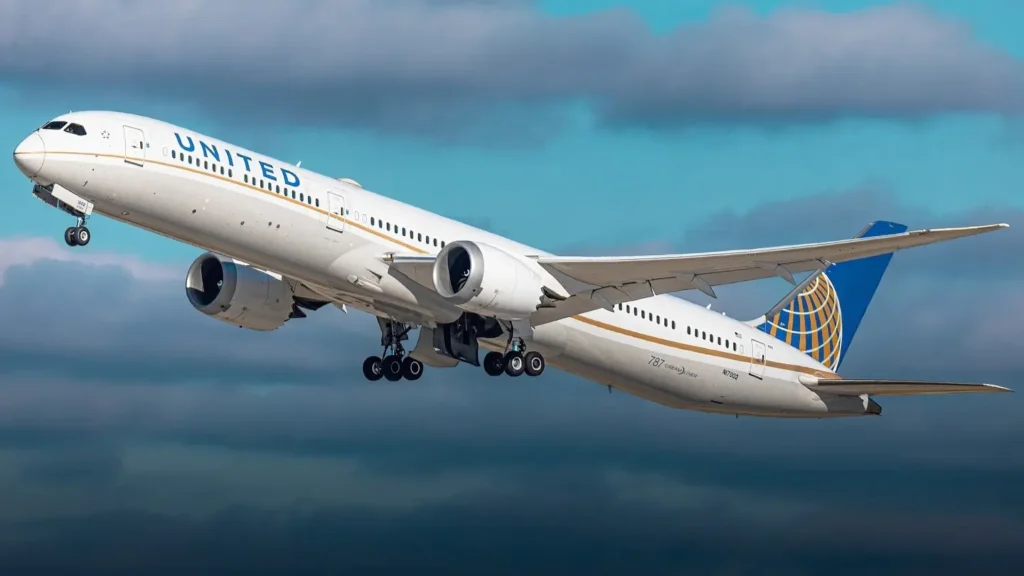
The aircraft involved was a Boeing 787-10 Dreamliner, the largest variant in the 787 family, carrying registration N12010. United Airlines (UA) operates a significant fleet of 787-10s on long-haul transatlantic routes, including the Brussels (BRU) to Newark (EWR) service.
Flight UA995 is a regularly scheduled daily service connecting Belgium’s capital with the New York metropolitan area.
Newark Liberty International Airport (EWR) serves as United Airlines’ largest hub by available seat miles and handles a substantial share of the airline’s transatlantic operations.
Stay tuned with us. Further, follow us on social media for the latest updates.
Join us on Telegram Group for the Latest Aviation Updates. Subsequently, follow us on Google News
