

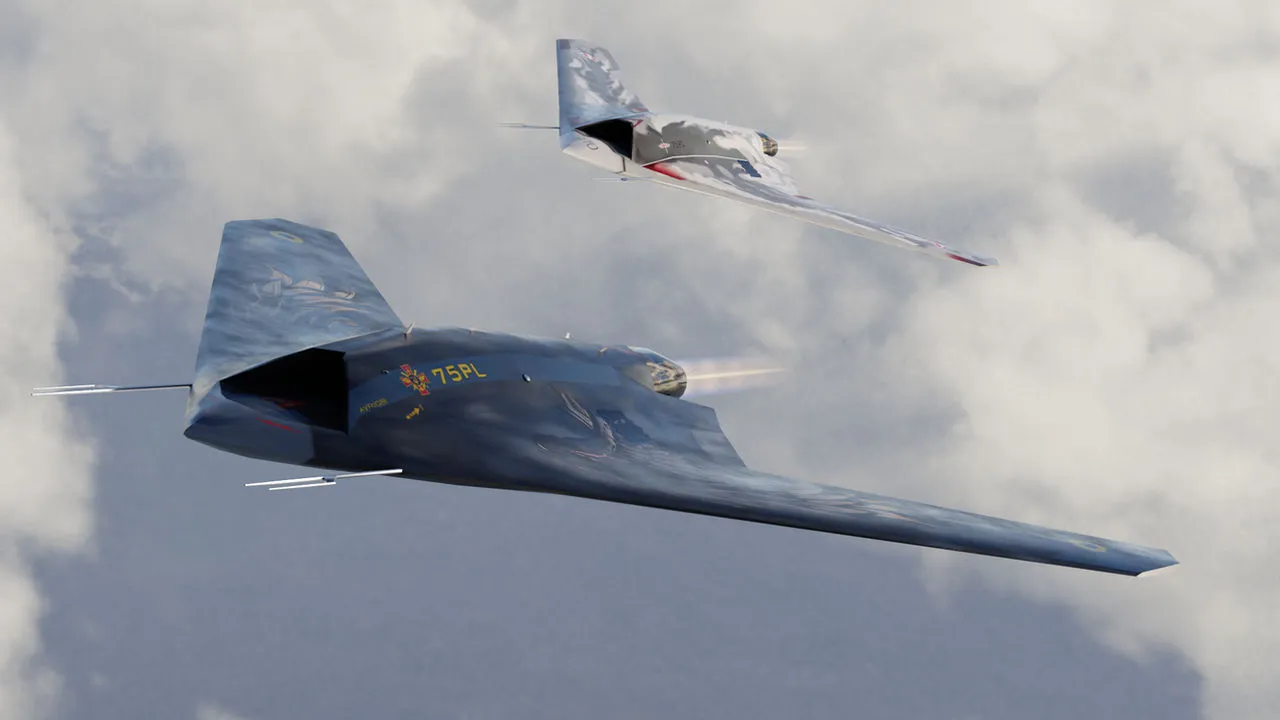
SANTA CLARA- Ukraine says its military intelligence agency identified an NVIDIA Jetson Orin computer module inside Russia’s S-71M Monochrome air-launched cruise missile.
The finding may indicate onboard AI processing and highlights Russia’s continued use of Western-made electronics despite sanctions.
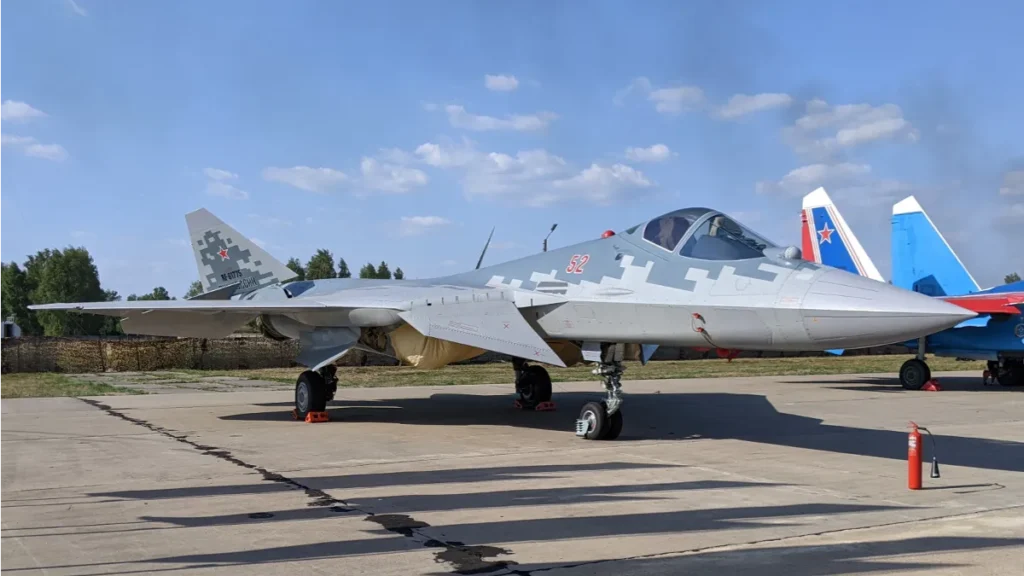
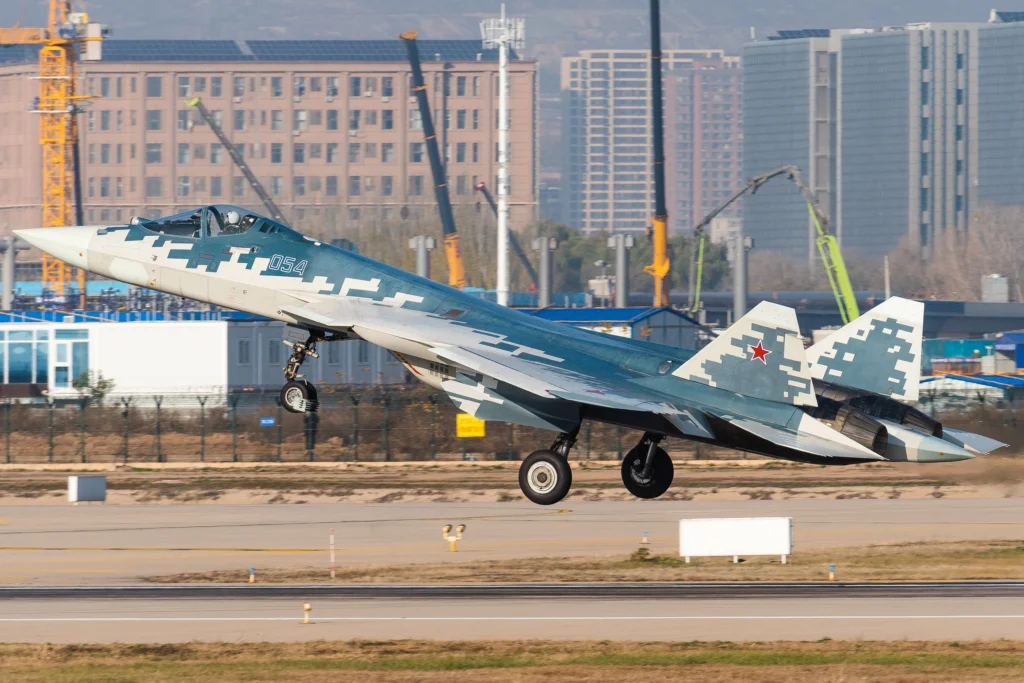
The S-71 is associated with Russia’s Su-57 fighter and S-70 Okhotnik drone.
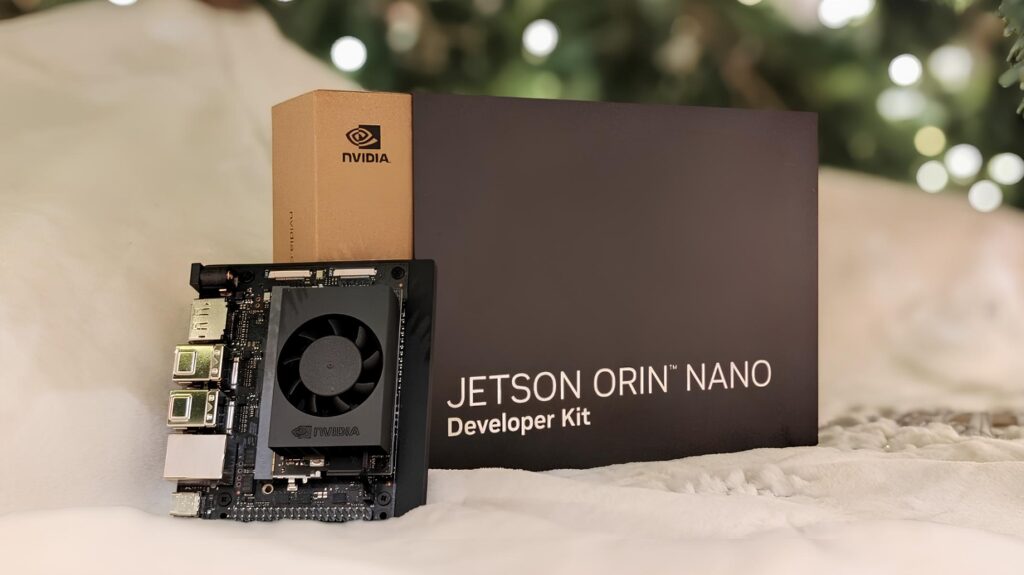
NVIDIA Jetson Orin Found Inside Russia’s S-71 Missile
Ukraine’s Defence Intelligence of Ukraine (DIU/HUR/GUR) said specialists identified an NVIDIA Jetson Orin module inside an S-71M Monochrome missile. DIU said the component may indicate the use of artificial intelligence technologies in the weapon.
The finding was published through War&Sanctions, a DIU platform that tracks foreign-made components found in Russian weapons. DIU said its latest research identified 35 electronic components in Russian weapons.
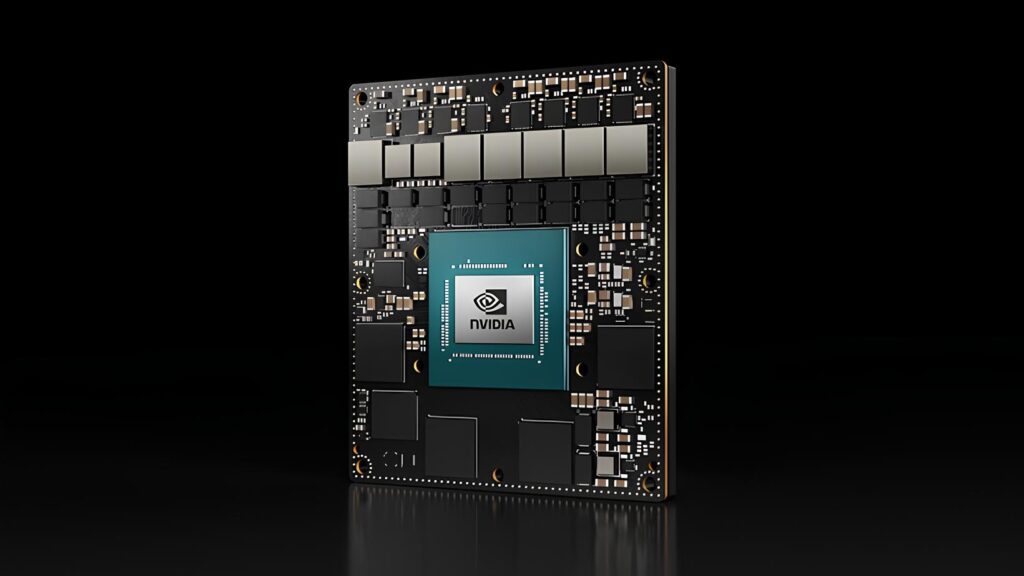
The discovery was also reported by Eurasian Times. The component reportedly carries markings SNVUP6.MOP TE980M-A1 and resembles an NVIDIA Jetson Orin NX 8GB/16GB system-on-module.
The Orin NX is an automotive-grade system-on-module with:
- Up to 8 Arm Cortex-A78AE CPU cores
- An Ampere GPU with 1,024 CUDA cores
- 32 Tensor cores
- Up to 157 sparse INT8 TOPS for AI
- Dedicated NVDLA engines
- A vision accelerator
The platform has been shipping since 2023, while the reported marking on the module found in the missile indicates packaging in March 2025.
An Orin NX could operate as an onboard electro-optical perception computer, processing images locally and passing information to a separate flight-control or guidance system. That could support image recognition and terminal guidance during the final stage of a missile’s flight.
The reported finding does not by itself prove exactly how the module is used or establish that the missile independently makes lethal decisions.
S-71M and S-71K Missile Variants
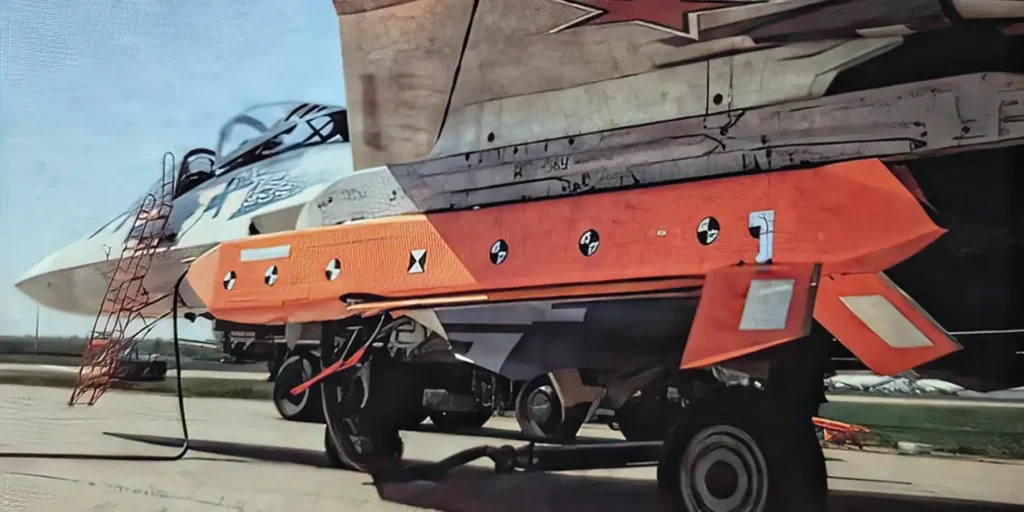
The S-71 family includes 2 reported variants: S-71M Monochrome and S-71K Carpet.
The S-71K functions as an air-to-surface cruise missile that can be guided to its target. The source describes a modular warhead configuration including cluster, high-explosive, and shaped-charge options, with likely electro-optical or semi-active laser homing guidance.
The S-71M Monochrome has a more advanced role. Ukrainian intelligence says it can autonomously search for, detect, and engage moving targets using electro-optical sensors and onboard targeting data.
The S-71 is designed for internal carriage on the Su-57 and is also associated with the S-70 Okhotnik drone.
S-71 Range, Speed and Payload
The source describes the S-71 as having a range of approximately 300 to 400 kilometers, a speed of 500 to 600 kilometers per hour, a high explosive fragmentation payload, and a low radar cross-section.
The S-71K has also been described as carrying an OFAB-250-270 aviation b*mb as its warhead and having a probable range of up to 300 kilometers.
Its low-observable design is intended to reduce radar detection and support penetration of layered air-defense systems.
Development of S-71
Sukhoi began developing the S-71 to meet Russian Ministry of Defence specifications drafted in 2019. The original requirement emphasized multi-mission capability.
During development, the specification was reportedly changed to increase range and reduce radar cross-section.
The weapon has been used only sparingly in the conflict since 2026, according to Ukrainian intelligence, possibly because Russia is still developing the missile and its onboard systems.
Why the NVIDIA Chip Matters
The discovery does not involve one of NVIDIA’s most restricted data-center AI accelerators.
The original content distinguishes Jetson modules from high-performance NVIDIA products such as the A100, H100, H200 and Blackwell-series GPUs, which are subject to much tighter US export controls and licensing requirements for countries such as Russia and China.
NVIDIA classifies Jetson modules and developer kits under ECCN 5A992.c. The company has described Jetson as a consumer-grade product intended for students, developers, startups, robotics and autonomous systems, rather than products designed specifically for military use.
NVIDIA has nevertheless stopped product sales to Russia since 2022, after Russia’s full-scale invasion of Ukraine and the tightening of US export controls.
How Russia Could Still Obtain Western Chips
Russia has repeatedly obtained Western electronics through third countries and intermediary supply chains despite direct sales restrictions.
A Reuters investigation cited in the source found that at least 129 NVIDIA shipments reached Russia through third parties between April 1 and October 2022. The same investigation found at least US$457 million worth of Intel products reached Russia during that period.
Reuters also found that Russia was using NVIDIA and Intel GPUs in facial-recognition surveillance systems. Nothing in that investigation indicated that NVIDIA or Intel had themselves breached sanctions.
An NVIDIA spokesperson said the company complies with applicable laws, expects customers to do the same and would stop doing business with customers found to have violated U.S. export laws.
NVIDIA Jetson Chips Reported in Russian Drones
The S-71 discovery is not the first reported case of NVIDIA Jetson hardware appearing in a Russian weapon.
Ukrainian intelligence previously reported that Russia used NVIDIA Jetson Orin NX modules in Shahed MS001 autonomous drones for local decision-making and terminal guidance.
That earlier case provides a direct precedent for the reported use of Jetson hardware in Russian autonomous systems.
Foreign Components in S-71 Missile
The source also says Ukrainian intelligence previously identified a large majority of the S-71’s electronic components as originating from foreign sources, including the United States, Germany, Japan, Switzerland, Ireland, China and Taiwan.
That finding suggests the NVIDIA module is part of a broader dependence on imported electronics rather than an isolated component.
Ukraine’s strategy is to use such discoveries to support tighter sanctions and target companies in third countries that help Russia bypass restrictions.

What Discovery Shows
The reported presence of a Jetson Orin module shows that commercially available edge-computing hardware can appear in an advanced Russian weapon despite NVIDIA’s suspension of direct sales to Russia.
The module is technically capable of AI and computer-vision workloads, making onboard perception and terminal-guidance processing plausible.
However, the component alone does not prove that the S-71M can independently select targets, decide to attack them or operate without meaningful human oversight.
The larger significance is Russia’s continued dependence on Western-sourced electronics for modern missiles, drones and other weapons.
Stay tuned with us. Further, follow us on social media for the latest updates.
Join us on Telegram Group for the Latest Aviation Updates. Subsequently, follow us on Google News
