

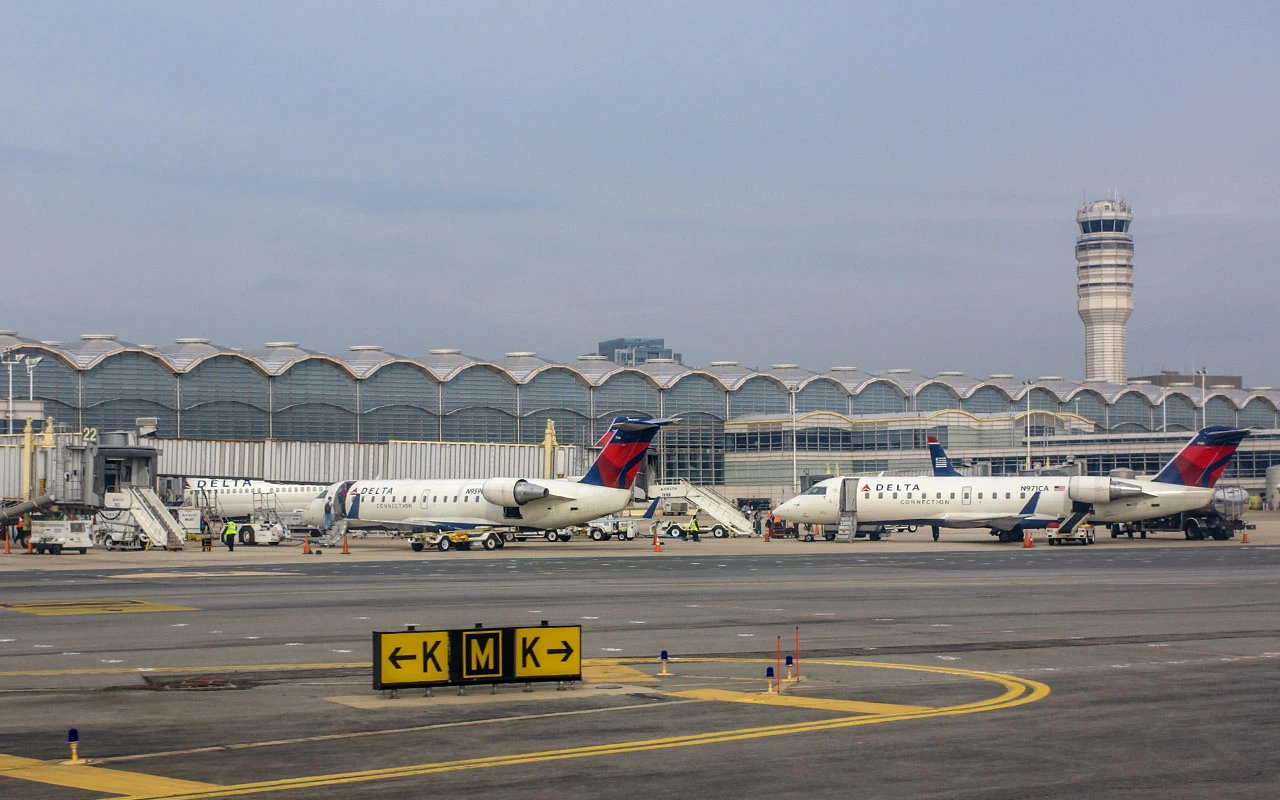
WASHINGTON- Audio from Washington National Airport (DCA) has revealed an unusual air traffic control incident involving pilots of two regional jets. The crews, reportedly operating on behalf of American Eagle (MQ) and Delta Connection (DL), were heard making animal noises on the ATC frequency, drawing sharp rebukes from the controller.
The roughly 20-second clip, reported by OMAAT, captures repeated meowing and barking sounds on the active frequency at Reagan National Airport (DCA). The incident has raised questions about cockpit professionalism, particularly given DCA’s recent history as the site of a fatal regional jet crash in early 2025.
Regional Jet Pilots Disrupt ATC Communications
The audio clip captures a rapid sequence of disruptions on the ATC frequency. One voice initiates the exchange with a “meow meow” call.
A second voice, believed to be the air traffic controller, responds by telling the pilots they “need to be professional.” Rather than stopping, the first voice repeats the meowing, and a separate voice joins in with barking sounds.
The controller then delivers a pointed remark, stating “this is why you still fly an RJ,” a reference to regional jets that carry a lower status in the airline pilot hierarchy.
After yet another meow, the controller adds that “it was funny the first five minutes,” suggesting the behavior had persisted well beyond the short clip available online.
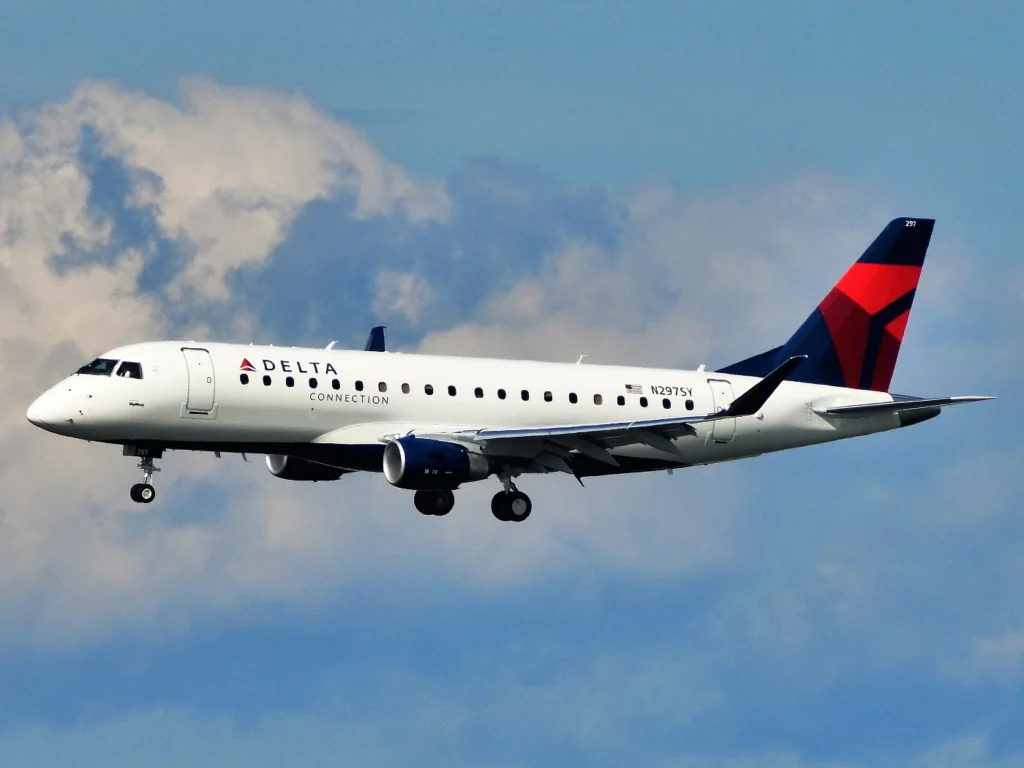
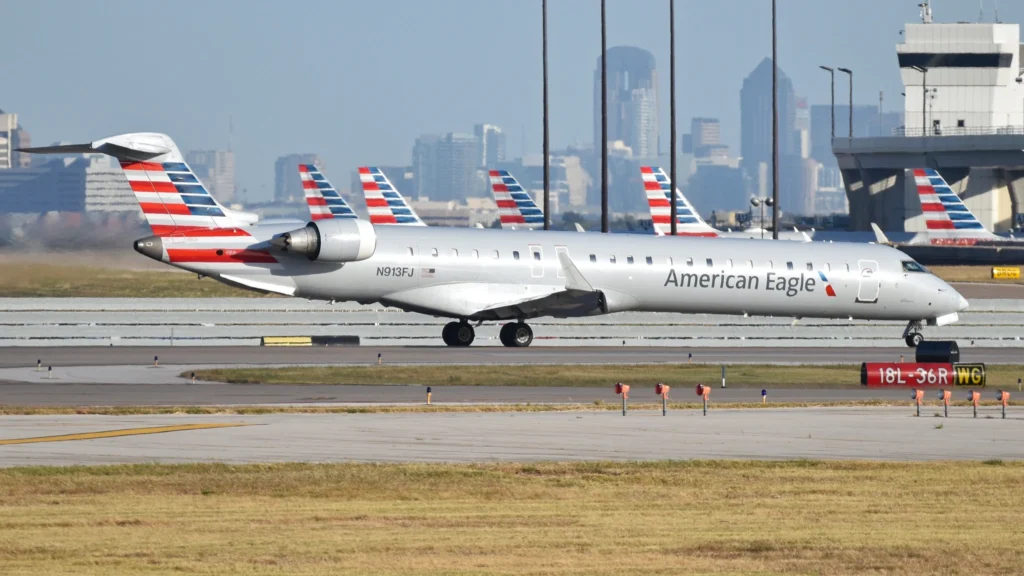
Both aircraft were reportedly regional jets operating under the American Eagle and Delta Connection brands. The specific airlines and crew members involved have not been publicly identified.
Why This Incident Raises Serious Concerns
Airline radio frequencies serve a critical safety function. Every transmission occupies the channel and blocks other pilots from communicating with ATC. When pilots use the frequency for non-operational chatter, they risk stepping on urgent transmissions from other aircraft in the area.
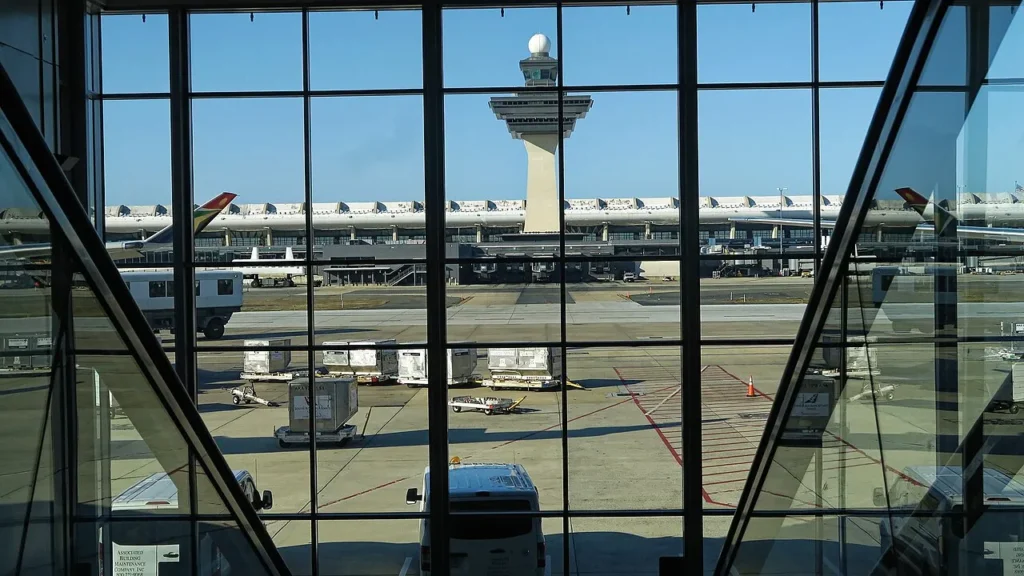
Washington National Airport handles dense traffic in tightly controlled airspace near restricted zones around the U.S. capital.
Pilots operating at DCA must follow strict noise abatement and approach procedures, making clear communication with controllers especially important.
Light humor on frequency is not uncommon in aviation, and controllers and pilots occasionally share brief moments of levity. The distinction here is duration and persistence.
The controller’s comments suggest this behavior lasted several minutes, and the pilots continued even after receiving a direct instruction to stop.

The Sensitivity of DCA After the 2025 Crash
The timing and location add another layer of concern. In early 2025, a regional jet crashed on final approach into DCA, killing everyone on board.
The accident prompted widespread discussions about safety standards in regional aviation, controller workload, and airspace management around the airport.
Making animal noises regularly at the same airport where dozens of people lost their lives strikes many in the aviation community as tone-deaf. Professionalism on the radio is not just a regulatory expectation; it reflects the culture of safety that the industry relies on.

Possible Consequences for the Pilots
The FAA takes frequency misuse seriously. Pilots who engage in unprofessional conduct on ATC frequencies can face enforcement action, ranging from warning letters to certificate suspensions.
Airlines also maintain internal standards of conduct, and crews identified in incidents like this may face company discipline.
Whether the FAA or the respective airlines pursue action in this case remains unclear. The identities of the pilots have not been confirmed publicly, and neither American Airlines nor Delta Air Lines has stated the matter.
Key Takeaway
Two regional jet pilots reportedly disrupted ATC communications at Washington National Airport by making animal noises on the active frequency. The behavior persisted despite a controller’s direct request to stop.
While brief humor on frequency is part of aviation culture, extended disruptions at a high-traffic airport with a recent crash history cross a clear line.
The incident underscores the importance of radio discipline, especially at airports where the margin for error is thin.
Stay tuned with us. Further, follow us on social media for the latest updates.
Join us on Telegram Group for the Latest Aviation Updates. Subsequently, follow us on Google News
