

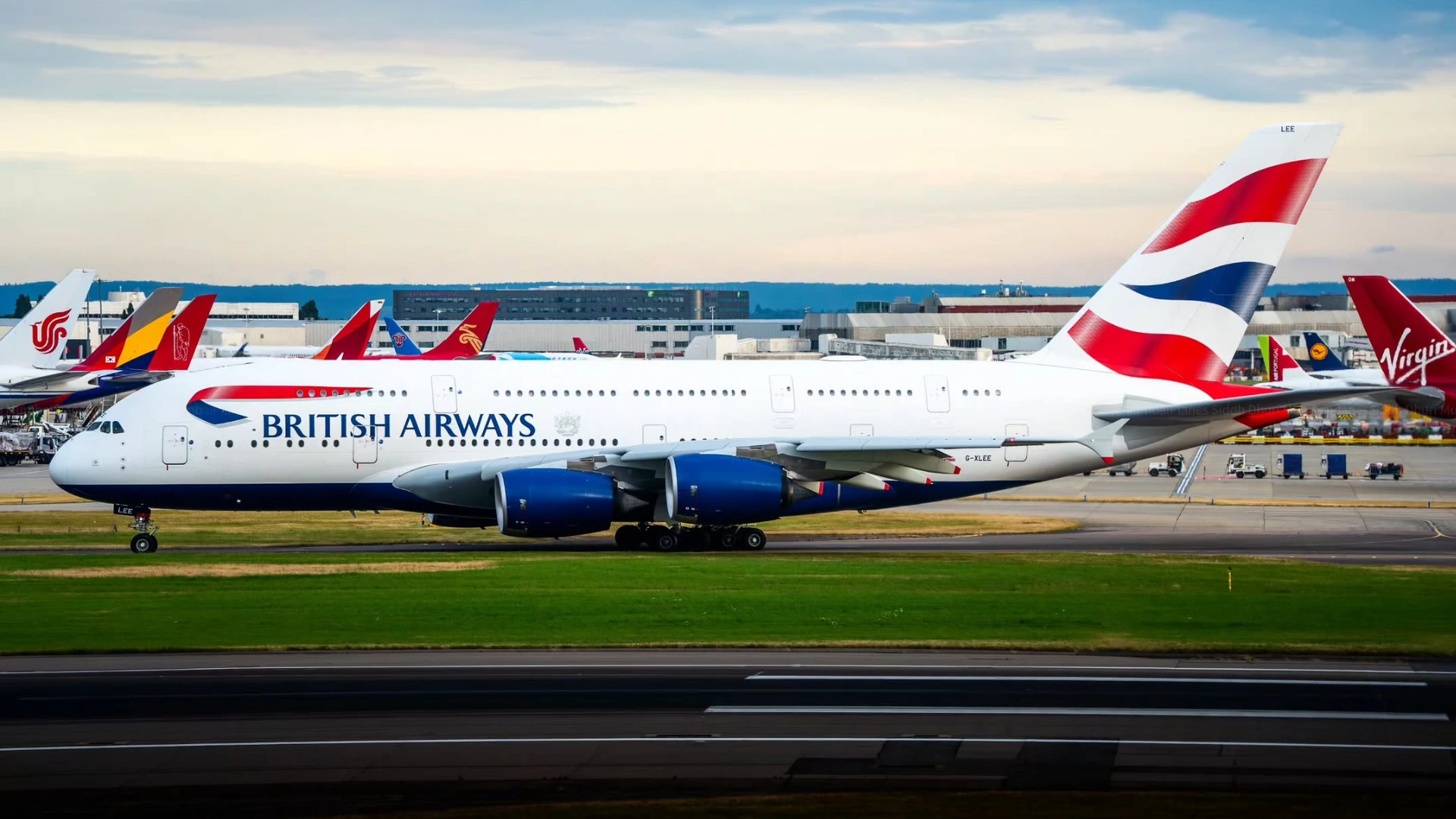
LONDON- British Airways (BA) faces growing anger from its frequent flyer community after selectively extending elite loyalty status to passengers who barely flew with the carrier.
The airline’s decision has sparked frustration among dedicated flyers who narrowly missed retaining or upgrading their status under the revamped British Airways Club program, which replaced the long-standing Executive Club in late 2024.
The controversy arises as the first full earning year under BA’s new revenue-based loyalty structure ends in May 2026.
Frequent flyers at London Heathrow (LHR) and across the carrier’s network now fear a wave of status demotions, with many long-time Gold and Silver members set to lose elite perks they held for years.
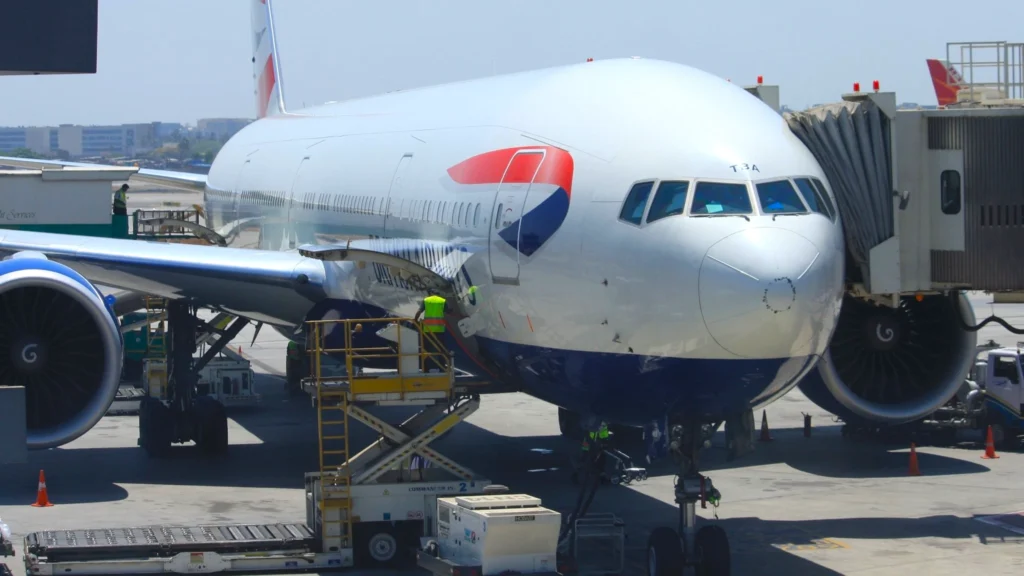
How British Airways Reshaped Its Frequent Flyer Program
British Airways announced the overhaul of its loyalty program between Christmas and New Year 2024, a timing choice critics viewed as an attempt to minimize public scrutiny.
The airline rebranded the Executive Club as the British Airways Club and shifted from a flight-frequency model to a revenue-based system. Under the new structure, passengers earn status based on annual spending rather than how often they fly.
The spending thresholds drew immediate criticism. Silver status now requires a minimum annual spend of £7,500 with the airline, while Gold status demands at least £20,000 per year.
The highest tier, Gold Guest List, requires an annual spend of at least £65,000 (approximately US $87,000). These thresholds unlock perks such as airport lounge access, priority boarding, complimentary upgrades, and first-class check-in at LHR.
Frequent flyers argued that the new thresholds effectively shut out loyal leisure travellers and reward corporate passengers whose premium tickets are funded by their employers. The backlash forced BA to introduce tweaks, including additional ways to earn tier points and bonus tier point promotions, but critics maintained the core thresholds remained far too high.
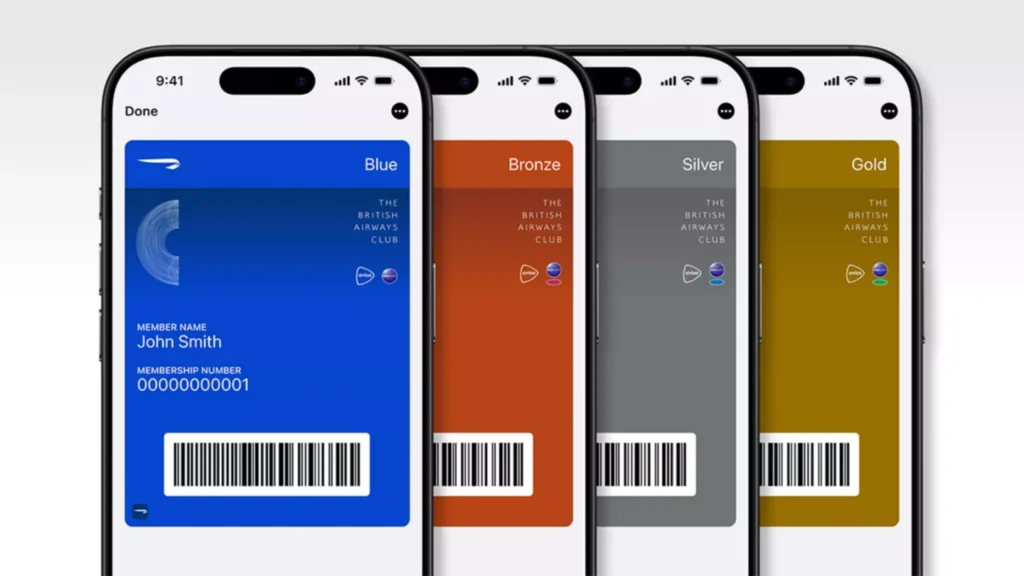
Selective Status Extensions Spark Fresh Outrage
As reported by PYOK, British Airways has begun extending loyalty status for an additional year to certain members. On the surface, this appears to be a customer-friendly gesture. However, the airline’s approach to selecting who receives extensions has deepened the controversy.
Anecdotal evidence, supported by a growing number of reports from BA Club members, suggests the airline is targeting status holders who shifted their flying to rival carriers and accumulated very few tier points during the current earning year. Meanwhile, loyal customers who remained close to retaining or upgrading their status have received no such extension.
This pattern has led to two prominent theories within the frequent flyer community.
The first suggests that BA is attempting to win back lapsed customers who followed through on threats to abandon the airline over its program changes.
The second, more cynical interpretation proposes that BA is inflating the total number of elite status holders on paper without adding pressure to its airport lounges, since these lapsed flyers are unlikely to actually use their extended status.
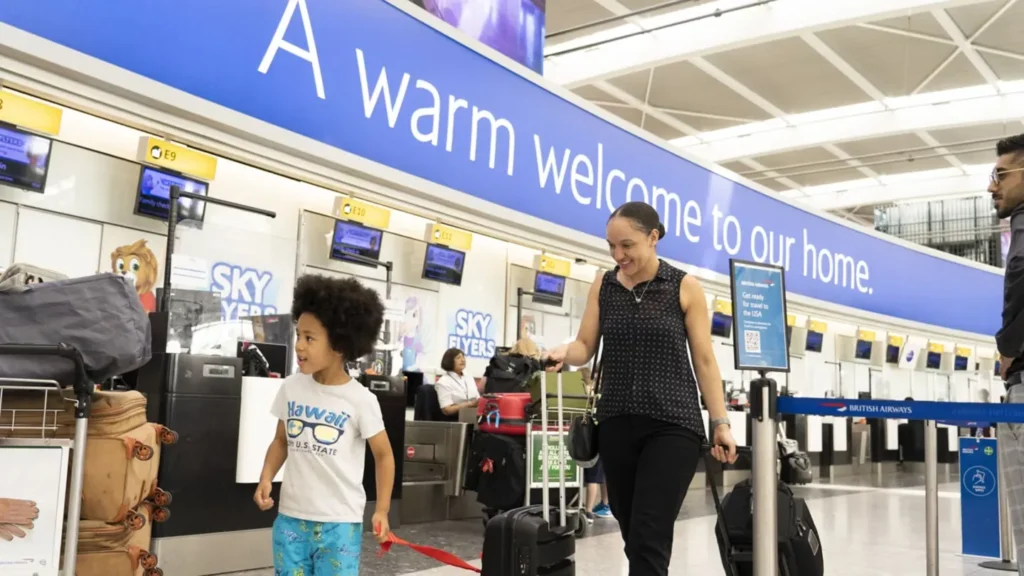
High-Profile Criticism Adds Pressure
The loyalty program changes have attracted criticism from prominent public figures. Andrew Neil, the conservative columnist and former editor of the Sunday Times, publicly attacked BA’s management over the new British Airways Club structure.
Neil, who held the carrier’s Gold Guest List status for years, described the new tier point thresholds as impossible even for frequent flyers who regularly travel in business or first class.
Neil stated that he had always routed his extensive global travel through London to fly with BA, but declared that era over. He criticized the airline’s leadership for placing no value on decades of loyalty from high-spending customers.
What This Means for BA’s Loyalty Future
May 2026 marks the end of the first complete earning cycle under the new program. Frequent flyers have long predicted a significant drop in elite status holders, and the selective extension strategy has done little to ease those concerns. Instead, it has reinforced the perception that BA prioritizes optics over genuine customer retention.
The airline has not publicly confirmed or explained its criteria for granting status extensions. Until it does, the gap between BA’s messaging and the experience of its most loyal customers will continue to fuel dissatisfaction across its frequent flyer base.
Stay tuned with us. Further, follow us on social media for the latest updates.
Join us on Telegram Group for the Latest Aviation Updates. Subsequently, follow us on Google News
