


CHICAGO- United Airlines (UA) CEO Scott Kirby continues to push the idea of creating a mega U.S. carrier by merging with American Airlines (AA), framing the move as a solution to what he calls a massive airline “trade deficit.”
Kirby argues that foreign carriers, many of them state-owned or subsidized, control 65% of long-haul seats into the United States while only 40% of their passengers originate from those countries.
However, aviation analysts see significant problems with both the diagnosis and the proposed cure. U.S. airlines face higher labor costs, offer a comparatively weaker long-haul product, and have voluntarily outsourced international flying to joint venture partners for years.
A merger between United Airlines (UA) and American Airlines (AA) would reduce competition domestically without meaningfully shifting the international capacity balance, OMAAT reported

United CEO Kirby’s Trade Deficit Argument
During an April 22, 2026, interview with CNBC, Kirby laid out his vision for what he described as “a truly competitive global airline.”
He pointed to the dominance of international carriers on long-haul routes into the U.S. as evidence of a structural trade imbalance harming American aviation workers and the broader economy.
Kirby stopped short of outlining a specific merger plan but made clear that consolidation sits at the heart of his strategy.
The framing is deliberate. By invoking the language of trade deficits, Kirby aligns his corporate ambitions with the Trump administration’s “America First” economic agenda.
The concept of a single powerful U.S. airline that citizens can rally behind mirrors the national champion model seen in countries like Singapore with Singapore Airlines (SQ) or in the Gulf states with Emirates (EK) and Qatar Airways (QR).
In February 2026, reports surfaced that Kirby had privately floated the idea of merging United Airlines (UA) with American Airlines (AA). Such a combination would create the largest airline in the world by revenue and passenger volume, dwarfing Delta Air Lines (DL) and every international competitor.
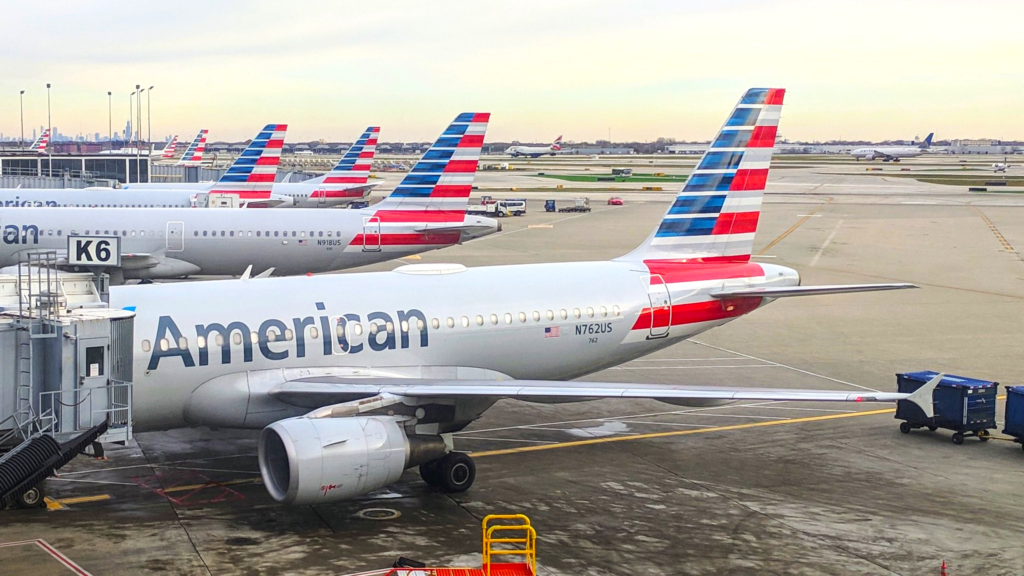
Why U.S. Airlines Trail Foreign Carriers on Long-Haul Routes
The gap between U.S. and foreign carriers on international routes has less to do with unfair subsidies and more to do with structural cost and product differences.
U.S. wide-body captains earn upward of $400,000 per year, placing American Airlines at a significant labor cost disadvantage against carriers based in Asia, the Middle East, and parts of Europe.
Product quality also plays a role. Airlines such as Singapore Airlines (SQ), Qatar Airways (QR), and All Nippon Airways (NH) consistently outrank U.S. carriers in global service rankings. The gap reflects cultural priorities around hospitality and cabin investment rather than a market failure that consolidation can fix.
U.S. carriers have also willingly ceded international flying to foreign partners through joint ventures and equity stakes.
Delta Air Lines (DL) pilots have raised concerns about the airline shifting capacity toward partners like Aeromexico (AM), LATAM Airlines (LA), and Virgin Atlantic (VS). These joint ventures feature revenue-sharing agreements and fuel massive loyalty program earnings, making them highly profitable even when a foreign carrier operates the flight.

A Mega Merger Would Not Solve the Capacity Imbalance
Kirby’s suggestion that a larger U.S. airline would close the international capacity gap faces several logical challenges. Combining United Airlines (UA) and American Airlines (AA) would not automatically increase the total number of long-haul seats flown by U.S. carriers.
The merged entity would likely operate a similar or even smaller combined network due to overlap elimination and fleet rationalization.
The current competitive structure in long-haul markets relies on three major joint venture alliances: Star Alliance (led by United), SkyTeam (led by Delta), and Oneworld (led by American). Reducing the number of U.S. anchor carriers from three to two would weaken one alliance entirely, potentially handing more market share to foreign airlines outside that partnership rather than reclaiming it.
The U.S. domestic market also differs fundamentally from smaller nations, where a single flag carrier model works. With a population exceeding 330 million and an enormous geographic spread, American travelers benefit from competition among multiple large airlines.
Consolidation would likely lead to higher fares, reduced route options, and weaker service incentives for the surviving carrier.
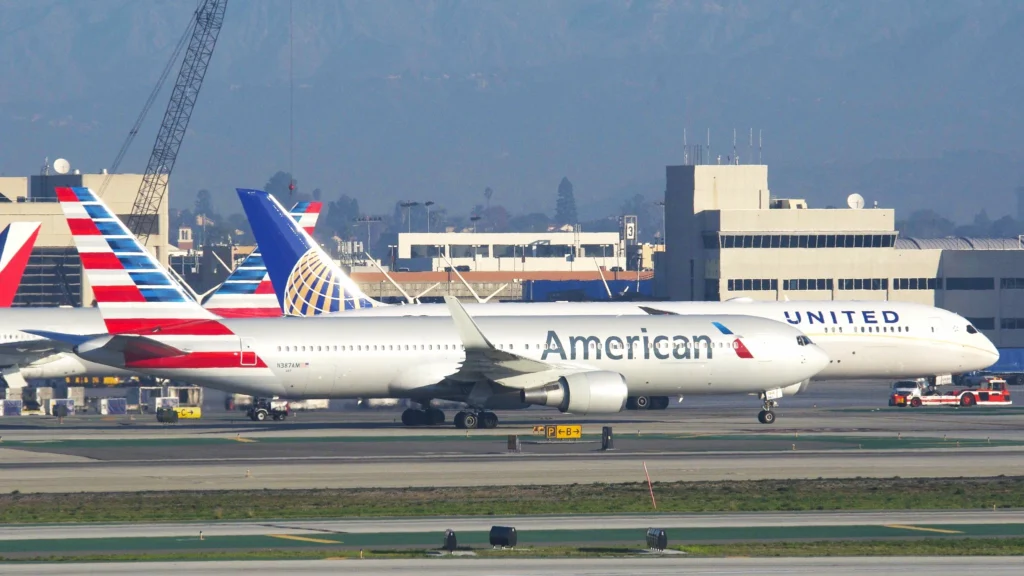
The Real Motivation Behind the Merger Talk
Industry observers note that Kirby’s public campaign reads more like corporate positioning than genuine policy advocacy. By casting United Airlines (UA) as the patriotic solution to a national problem, Kirby builds a narrative that could win regulatory favor for consolidation that would otherwise face intense antitrust scrutiny.
The timing also matters. The Trump administration has shown a willingness to intervene in aviation markets, including reported discussions about taking an ownership stake in Spirit Airlines (NK). A political environment friendly to large-scale corporate deals gives Kirby a window to float ideas that would face immediate rejection under more conventional regulatory conditions.
Critics argue that rather than building one airline Americans can be “proud of,” the focus should remain on policies that encourage competition, improve passenger rights, and address the genuine cost and product gaps that hold U.S. carriers back on the global stage.
Stay tuned with us. Further, follow us on social media for the latest updates.
Join us on Telegram Group for the Latest Aviation Updates. Subsequently, follow us on Google News
