

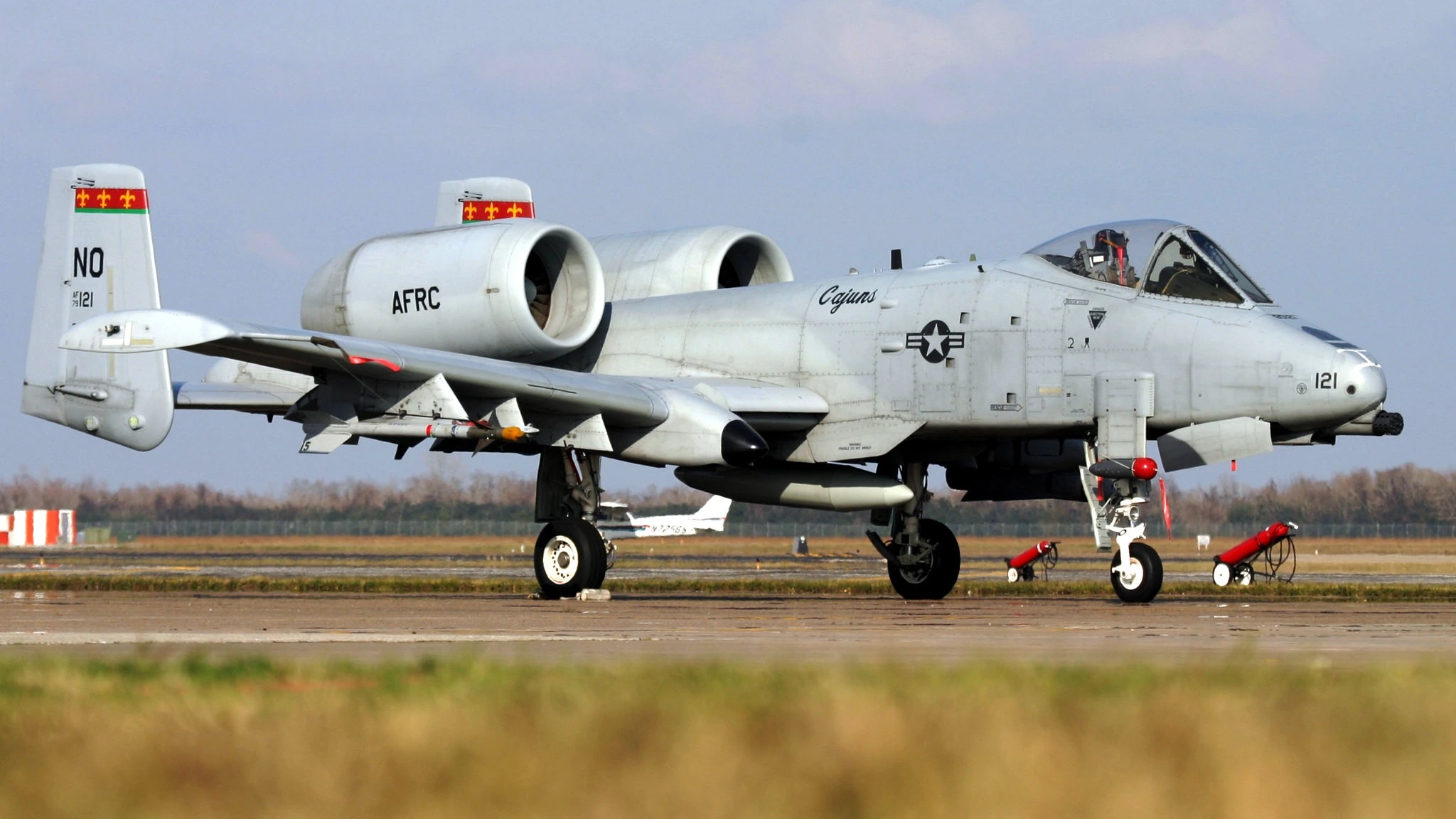
WASHINGTON- The US Air Force has delayed the retirement of its A-10 Thunderbolt II fleet until at least 2030, reversing years of planning to phase out the iconic close air support aircraft. The decision comes amid sustained combat operations in the Middle East, where the platform continues to play a critical operational role.
Air Force Secretary Troy Meink confirmed the move, stating that the decision followed consultations with Defense Secretary Pete Hegseth. The service is expected to provide further clarity in its fiscal 2027 budget, scheduled for release on April 21, which will outline broader fleet modernization priorities.
A-10 Retirement Delay
The Air Force had previously aimed to retire the A-10 fleet by the end of the decade, citing concerns over its survivability in high-end conflicts.
However, ongoing operations have forced a reassessment of its utility, particularly in contested but low-altitude combat environments.
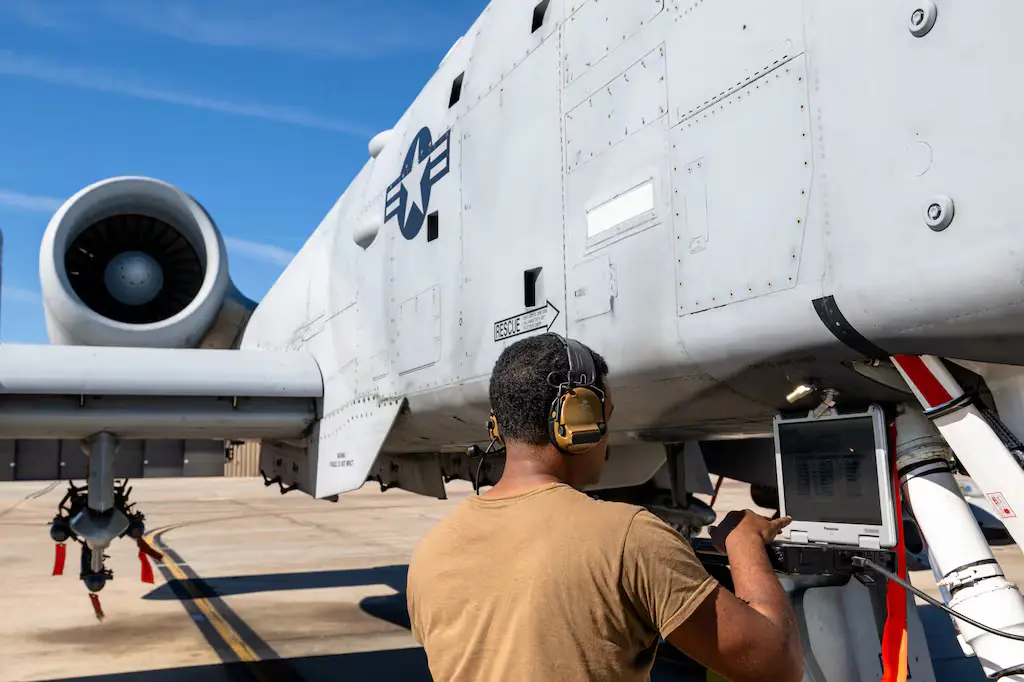
As of fiscal 2026, the Air Force maintained 162 A-10 aircraft, though it had already reduced its fleet by roughly 25 percent since 2024. Congressional resistance also played a role, with lawmakers mandating that at least 103 aircraft remain operational through the current fiscal year.
The delay preserves combat capability while the U.S. defense industrial base works to scale up production of newer aircraft.
Officials indicated that the decision ensures operational continuity without creating immediate capability gaps.

Middle East Operations
The A-10 has remained heavily engaged in U.S. Central Command missions, including strikes against Iranian-aligned militias in Iraq and maritime operations in the Strait of Hormuz.
The aircraft has also contributed to enforcing a blockade targeting Iranian ports.
In recent operations, A-10s supported the rescue of downed aircrew from an F-15E Strike Eagle, providing overhead protection during recovery efforts. One aircraft sustained significant damage from hostile fire, though the pilot safely ejected after reaching friendly airspace.
The Air Force has doubled the number of A-10s deployed to the region, underscoring the platform’s continued relevance.
The aircraft has also been involved in operations against the Islamic State group, maintaining a near-continuous deployment cycle since 2023.
Future Fleet Plans
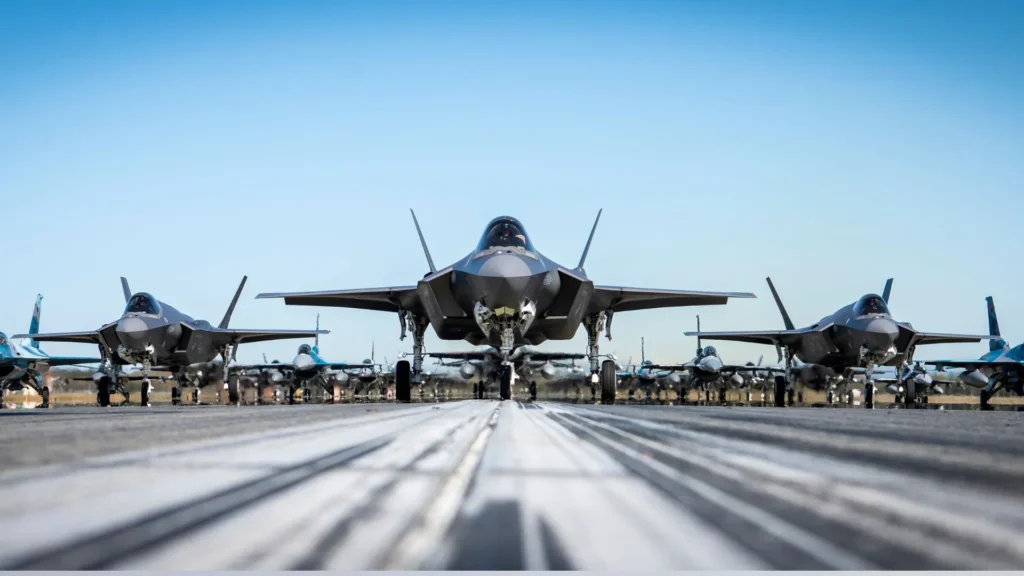
Despite extending the A-10’s service life, the Air Force continues to prioritize modernization. The F-35A Lightning II is expected to assume the primary close air support role in the future, with plans to procure 38 units in fiscal 2027, Air and Space Forces reported.
The service is also advancing procurement of 129 F-15EX Eagle II fighters while investing heavily in next-generation platforms such as the B-21 Raider bomber and the sixth-generation F-47 fighter.
These programs reflect a broader shift toward survivable, multi-role aircraft designed for high-end warfare.
Meanwhile, the A-10 remains uniquely suited for close air support missions due to its durability and firepower.
Its GAU-8/A 30mm cannon, capable of firing 3,900 rounds per minute, continues to provide unmatched ground attack capability.
Recent deployments have also shown the aircraft carrying a mix of precision-guided munitions and air-to-air missiles.
Stay tuned with us. Further, follow us on social media for the latest updates.
Join us on Telegram Group for the Latest Aviation Updates. Subsequently, follow us on Google News
