


CHICAGO- United Airlines (UA) CEO Scott Kirby proposed a merger with American Airlines (AA) during a meeting with US President Donald Trump at the White House in late February 2026. Bloomberg first reported the story on April 13, 2026, and Reuters confirmed it through two independent sources.
The proposed combination of United Airlines (UA) and American Airlines (AA) would create the largest airline in the world by available seat capacity, controlling roughly 30% of all US domestic traffic.
Both carriers already ranked as the two biggest airlines globally by capacity in 2025, according to OAG data, and together they would far surpass Delta Air Lines (DL) and Southwest Airlines (WN).
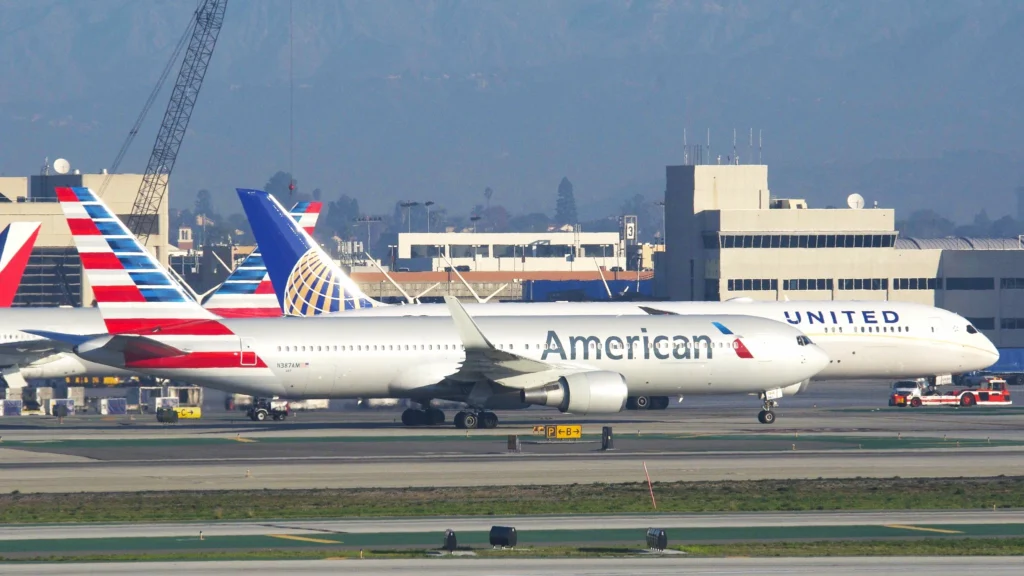
United CEO Floats Mega-Merger With American Airlines
Scott Kirby raised the merger possibility during a scheduled White House meeting on February 25 that was originally focused on the future of Washington Dulles International Airport (IAD).
Kirby, who served as president of American Airlines before being let go in 2018, now leads United Airlines from its headquarters at Willis Tower in Chicago (ORD). American Airlines is headquartered in Fort Worth, Texas, near Dallas/Fort Worth International Airport (DFW).
Kirby argued that the US airline industry needs greater scale to handle rising fuel costs and to compete more effectively against foreign carriers. This framing echoes the Trump administration’s broader focus on global trade protectionism and economic competitiveness.
Neither United Airlines nor American Airlines has commented publicly on the proposal. The White House also did not respond to media requests for comment.
The market reacted immediately after Bloomberg published its report. American Airlines shares jumped as much as 11% in post-market trading.
United Airlines stock also saw a modest increase. Analysts noted that the proportionally larger jump in AA stock reflects the fact that American would stand to gain more from a deal, given its higher debt levels and lower profit margins compared to United.
Some aviation commentators, including the blog A View From The Wing, characterized Kirby’s move as a form of trolling his former employer. Kirby was fired from American Airlines in 2018 and has since built United into a stronger financial performer.
A United-American merger would redraw competition in fortress hubs like Chicago and New York, reduce choices for consumers, and create an airline of such scale that Delta would appear comparatively small.
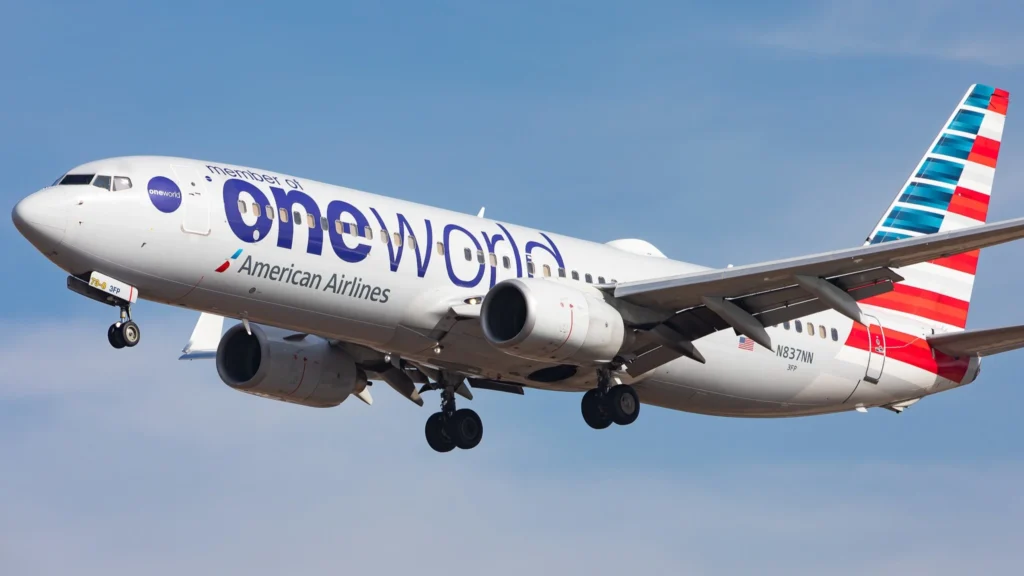
Antitrust Barriers and Regulatory Scrutiny
A merger of this magnitude would face severe antitrust challenges under existing US law. The combined airline’s dominant positions at Los Angeles International Airport (LAX) and Chicago O’Hare International Airport (ORD) alone would likely block approval.
If Newark Liberty International Airport (EWR) and the New York-area airports are treated as a single market, the anti-competitive concentration there adds another major obstacle.
The Department of Justice (DOJ) and the Department of Transportation (DOT) would both subject the deal to rigorous examination. Antitrust lawyer Seth Bloom told Reuters that the deal remains unlikely, noting that the administration has emphasized protecting consumer interests, and a merger would give the combined airline greater pricing power.
A combination of two of the largest US network carriers would represent the most significant airline consolidation in more than a decade, further tightening a domestic market already dominated by four players of roughly equal size.
Even under a business-friendly administration, merging two of the Big Four carriers is widely considered an enormous regulatory hurdle.
Transportation Secretary Sean Duffy has signaled some openness to airline consolidation. However, consumer advocates and economists broadly view a merger at this scale as harmful to Americans due to reduced competition, higher fares, and fewer route options.

Historical Precedent Suggests Higher Fares and Fewer Choices
Previous major airline mergers in the US offer a cautionary reference. The United-Continental and American-US Airways mergers led to fare increases of 5% to 10% on overlapping routes, according to the Air Traveler Club.
Eliminating a major competitor would make it easier for the remaining Big Three carriers, including Delta Air Lines (DL) and Southwest Airlines (WN), to coordinate fare increases and raise baggage fees.
Merged airlines also frequently cut service to less profitable cities. Smaller and medium-sized hubs historically see significant traffic drops after absorption by a larger carrier.
The technical challenge of integrating two massive operations typically results in short-term service disruptions for passengers.
Combining two large loyalty programs would also dilute the value of elite status, as double the number of premium members would compete for the same pool of free upgrades and award seats.
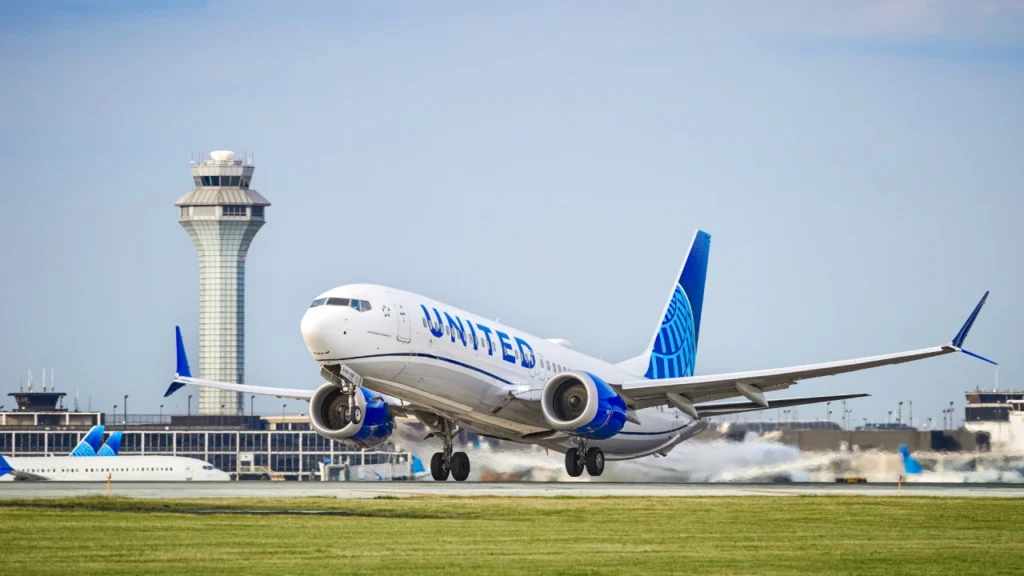
Systemic Risk and Economic Concerns
A merged carrier controlling one-third of the US domestic market would introduce systemic risk to the national economy.
If the combined airline faced a financial crisis, a major labor strike, or an operational meltdown, the disruption could paralyze national transportation infrastructure and potentially require taxpayer-funded bailouts.
The proposal remains in an exploratory phase with no indication of formal merger discussions or regulatory filings. Kirby pitched the idea to senior government officials, though it remains unclear whether any formal overtures have been made or if an actual deal process is underway.
Jon Ostrower of The Air Current confirmed the reporting and noted that industry insiders had been aware of the discussions for about a week before Bloomberg published the story.
Stay tuned with us. Further, follow us on social media for the latest updates.
Join us on Telegram Group for the Latest Aviation Updates. Subsequently, follow us on Google News
