

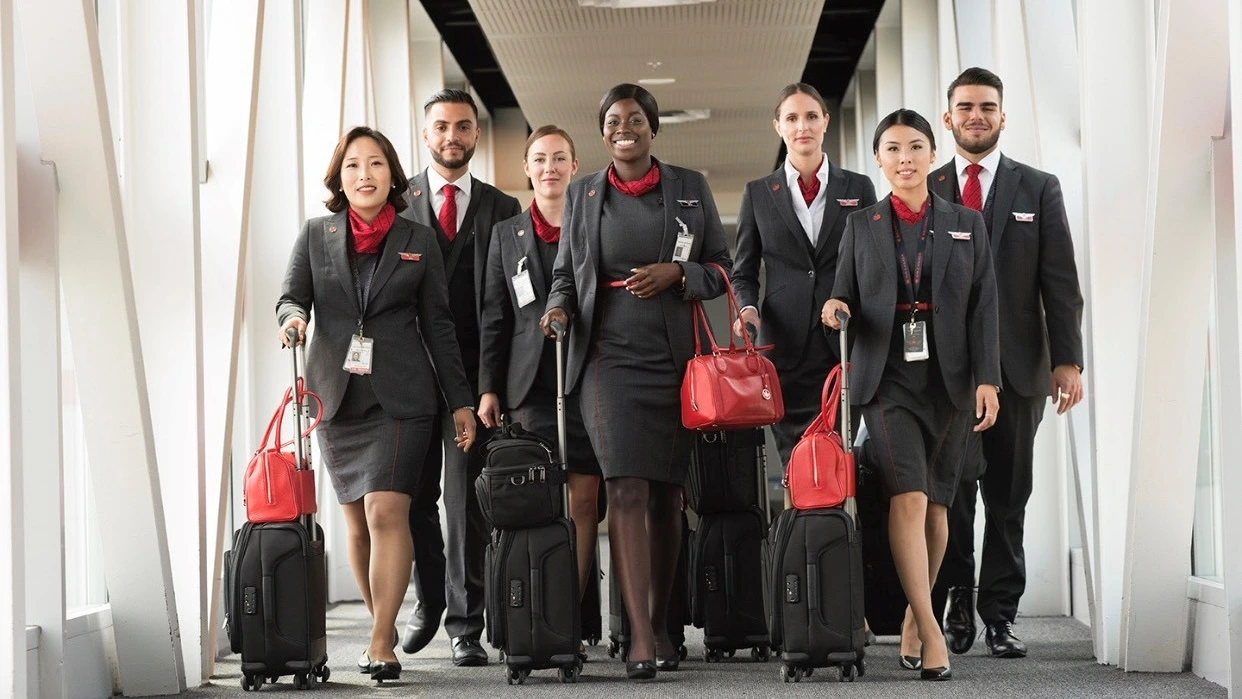
OTTAWA– An arbitrator has finalized wage terms for flight attendants at Air Canada (AC), formally closing a labour dispute that disrupted nationwide travel last summer.
The decision follows months of negotiations, mediation, and binding arbitration after strike action affected operations at major hubs, including Toronto Pearson International Airport (YYZ).
The ruling maintains most wage increases outlined in a previous tentative agreement while granting a higher first-year raise to Rouge flight attendants. More than 10,000 cabin crew members were involved in the dispute, making it one of the largest labour actions in Canada’s aviation sector in recent years.
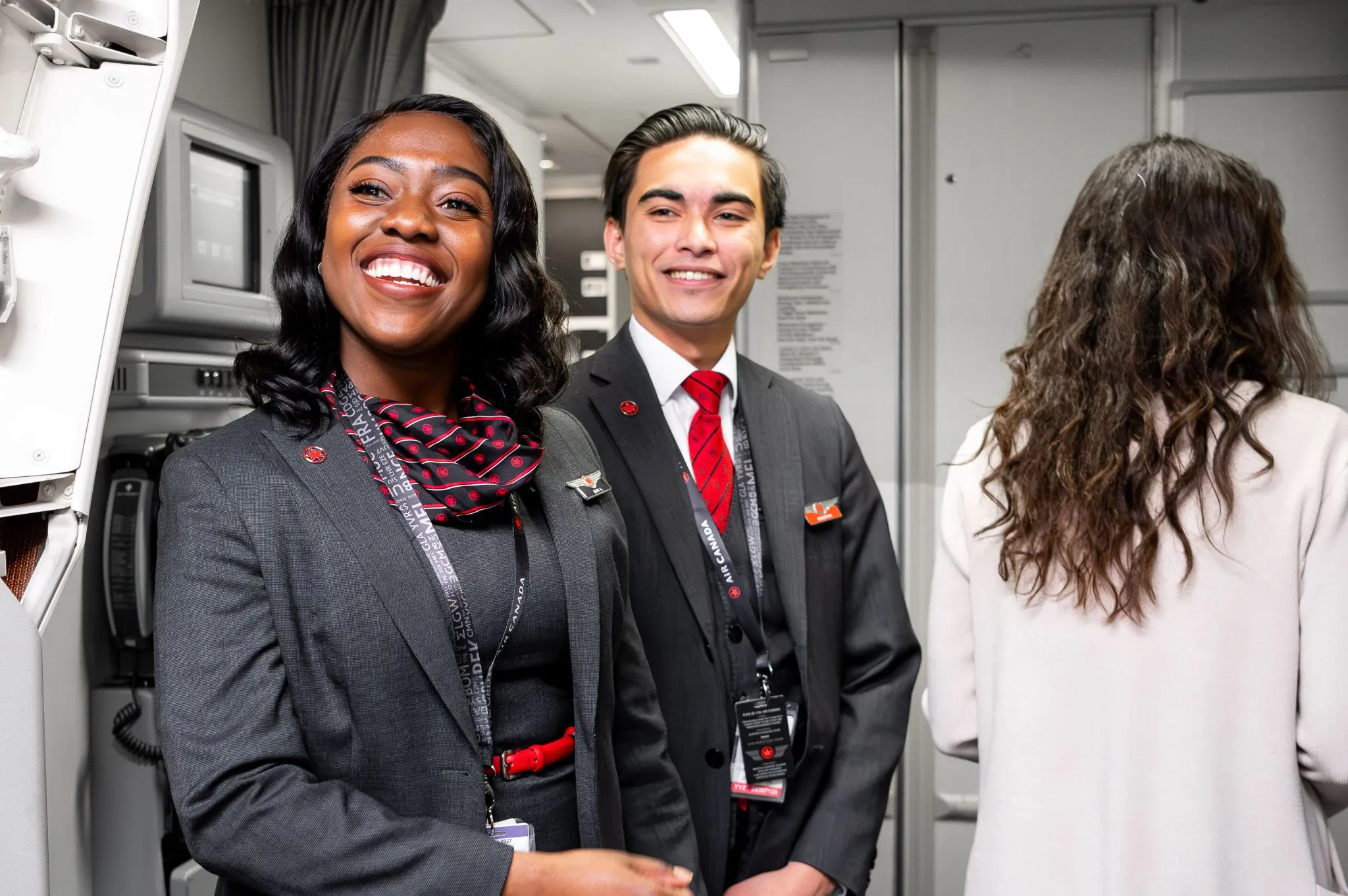
Air Canada Attendants’ Wage Arbitration Outcome
The arbitrator upheld the salary framework negotiated for mainline flight attendants.
Junior crew members will receive a 12 percent wage increase in the first year of the contract, while more senior employees will see an eight percent raise.
For Air Canada Rouge, the arbitrator increased the first-year wage hike to 13 percent, one percentage point above the earlier tentative deal.
In subsequent years, all eligible flight attendants will receive a three percent increase in year two, 2.5 percent in year three, and 2.75 percent in year four.
The four-year agreement runs until March 2029. The wage ruling marks the final step in resolving the contract after members overwhelmingly rejected the initial pay proposal in September, with over 99 percent voting against it.

Strike and Federal Intervention
The dispute escalated in August when flight attendants represented by the Air Canada component of the Canadian Union of Public Employees launched strike action.
The walkout disrupted travel plans for thousands of passengers across Canada and international routes.
Within 12 hours of the strike’s start, the federal government invoked Section 107 of the Canada Labour Code. The move compelled both parties into binding arbitration and directed employees to return to work under an order issued by the Canada Industrial Relations Board.
Although union officials initially resisted the return-to-work directive, negotiations resumed shortly afterward.
The airline and union reached a tentative deal, but members later rejected the wage component, triggering the agreed mediation and arbitration process.
Ground Pay and Oversight
Beyond wages, the agreement addressed compensation for unpaid ground duties, a central issue during negotiations. Flight attendants now receive half of their hourly wage for 60 minutes of ground time on narrow-body aircraft and 70 minutes on wide-body aircraft.
That rate will increase to 60 percent in April, 65 percent in 2027, and 70 percent in 2028. These provisions were finalized before arbitration and were not subject to revision, CBC reported.
Earlier this month, the federal government released preliminary findings from its review into claims that airline employees were not paid for certain ground tasks.
The report stated that compensation practices in federally regulated airlines met the minimum standards set under the Labour Code, though it recommended closer scrutiny of pay structures affecting part-time and entry-level crew.

Bottom Line
The arbitration decision provides operational certainty for Air Canada as it moves forward under a renewed labour framework.
Both the airline and union now shift focus toward contract implementation and long-term workforce stability.
Stay tuned with us. Further, follow us on social media for the latest updates.
Join us on Telegram Group for the Latest Aviation Updates. Subsequently, follow us on Google News
