

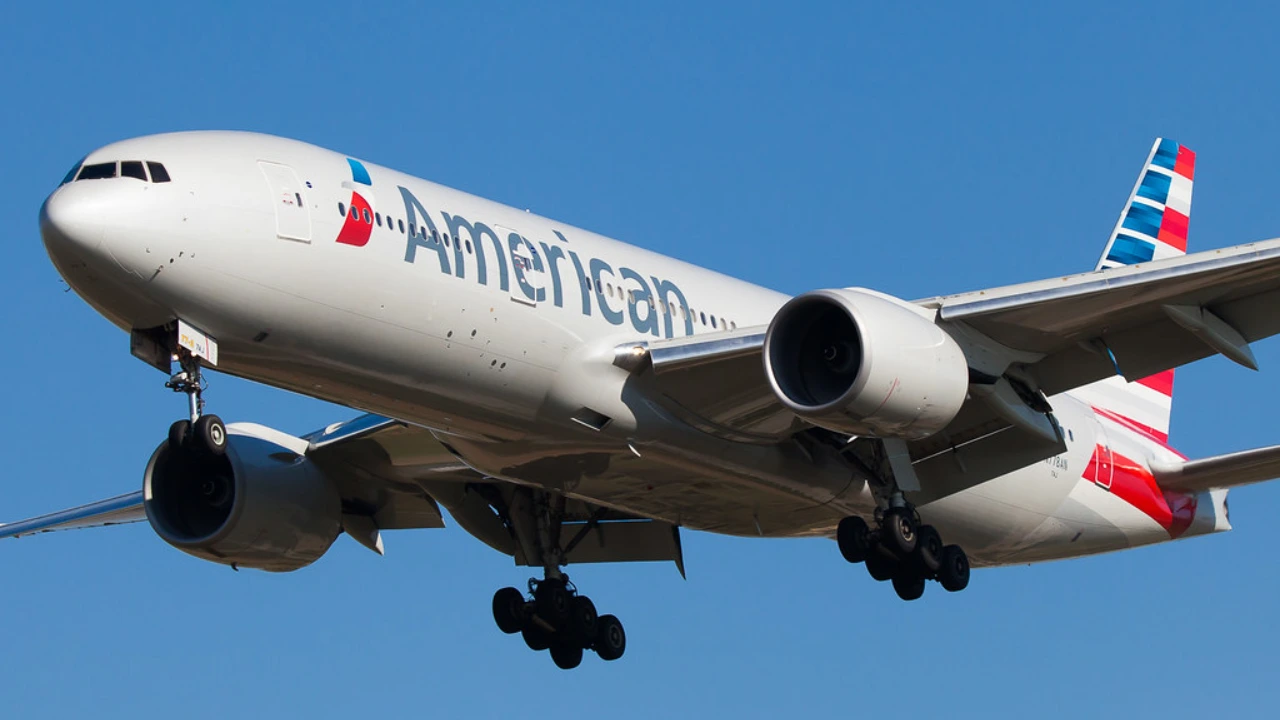
FORT WORTH- American Airlines (AA) is rolling back key loyalty benefits for AAdvantage members who book basic economy fares, a move that industry observers say weakens one of the carrier’s last remaining competitive advantages. The changes, effective May 18, affect seat assignments, upgrades, and boarding priority.
The airline also raised checked bag fees by $10, matching similar increases by United Airlines (UA), Delta Air Lines (DL), and Southwest Airlines (WN), with basic economy passengers paying an additional $5 on top of that. These back-to-back policy shifts signal a broader strategic pivot at American that risks alienating its most loyal customers.
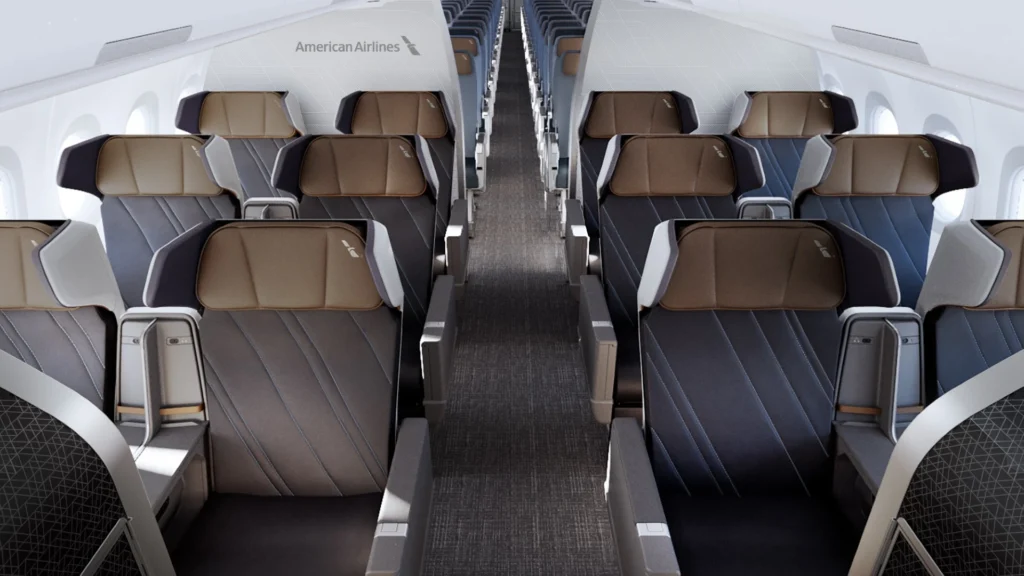
American Airlines Cuts Perks on Basic Economy Fares
Starting May 18, AAdvantage status members will no longer receive free seat assignments, complimentary domestic upgrades, or the ability to confirm systemwide upgrades when traveling on basic economy fares.
Later this year, elite members will also be moved from boarding group 6 to group 7, reducing their ability to secure overhead bin space and avoid gate-checking bags.
This effectively means that elite status at American Airlines (AA) no longer follows the passenger — it follows the fare. Carriers like Spirit Airlines (NK) and Frontier Airlines (F9), often considered budget competitors, still honor elite benefits regardless of fare class, putting American in an unusual and unfavorable position by comparison, View from the Wing reported.
The Business Traveler Impact
American’s loyalty model previously operated on a straightforward principle: once a passenger earned enough Loyalty Points through AAdvantage, the airline would treat them well on every trip, not just expensive ones. That approach made the relationship personal rather than transactional, encouraging business travelers to choose American even on leisure trips where price sensitivity is higher.
This matters significantly because business travelers are also leisure travelers. A frequent flyer who books full-fare tickets during the week also travels with family on weekends. Those leisure trips, where the brand either earns or loses long-term loyalty, are often where impressions are strongest.
Stripping benefits on lower fares turns a relationship-based loyalty program into a purely fare-driven transaction.

Damage to the Citibank Co-Brand Partnership
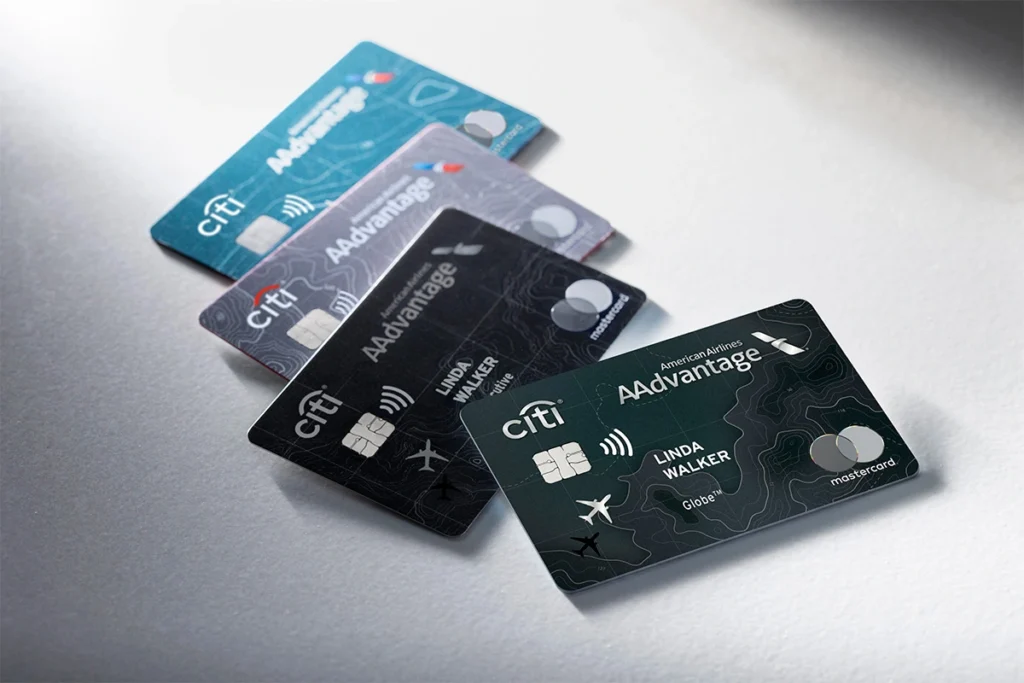
American Airlines holds a co-brand credit card partnership with Citibank worth approximately $6 billion. AAdvantage status, increasingly earned through card spending rather than flying alone, now carries less value for cardholders who book basic economy fares.
This creates a direct conflict: Citibank’s customers bear the consequences of American’s policy decisions, yet the bank continues paying for the partnership.
Reducing the perceived value of AAdvantage status undermines the very product Citibank is paying to promote.
Analysts note that American has consistently pointed to its Sun Belt route network and the AAdvantage program as its two core competitive differentiators. Voluntarily weakening one of those differentiators without a clear strategic gain is a significant risk.
How Basic Economy Has Worked
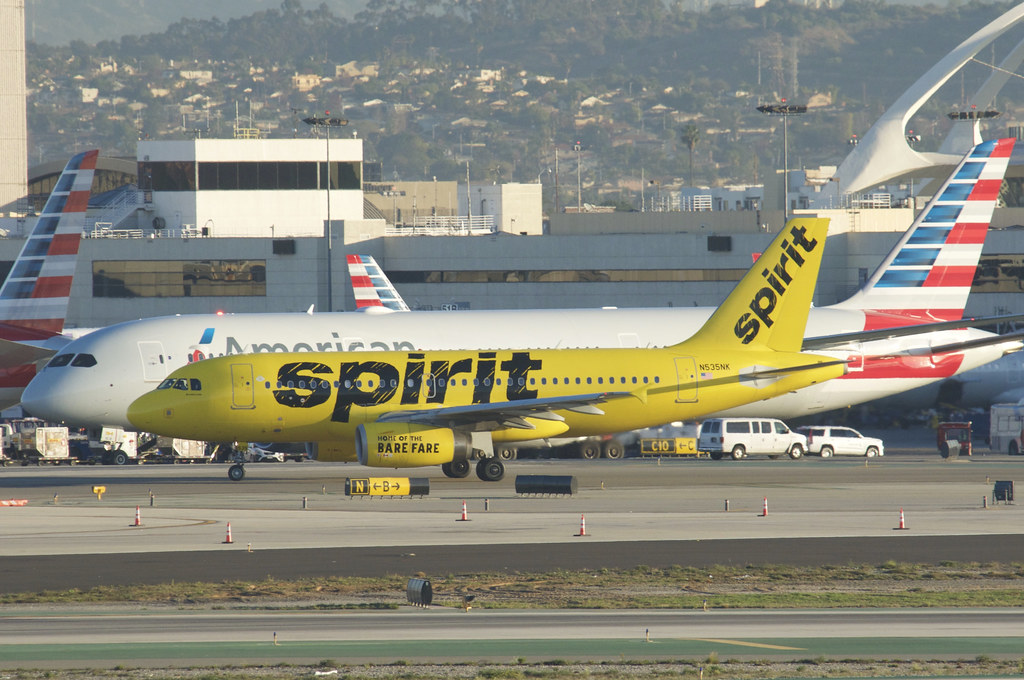
Basic economy fares were originally designed to help full-service airlines compete with ultra-low-cost carriers (ULCCs) like Spirit (NK) and Frontier (F9), without lowering prices across their entire fare structure.
By attaching restrictions to the cheapest tickets, airlines could sell seats at ULCC-level prices while protecting revenue from passengers willing to pay more.
American Airlines introduced basic economy in 2017 and has revised its rules repeatedly since — sometimes tightening restrictions, sometimes loosening them.
The carrier allowed carry-on bags for basic economy passengers in 2018, began selling advance seat assignments to them in 2019, and temporarily restored elite benefits during the pandemic. Elite qualifying credit was removed in 2021, restored in 2022, and mileage earning was cut again in late 2024.
Removing mileage earning from basic economy fares also cuts off the top of the AAdvantage acquisition funnel.
New travelers booking affordable fares are often the entry point into the loyalty ecosystem and, eventually, into co-brand credit card conversions. Eliminating miles on these fares saves a small accounting cost while reducing long-term program growth potential.
Stay tuned with us. Further, follow us on social media for the latest updates.
Join us on Telegram Group for the Latest Aviation Updates. Subsequently, follow us on Google News
