

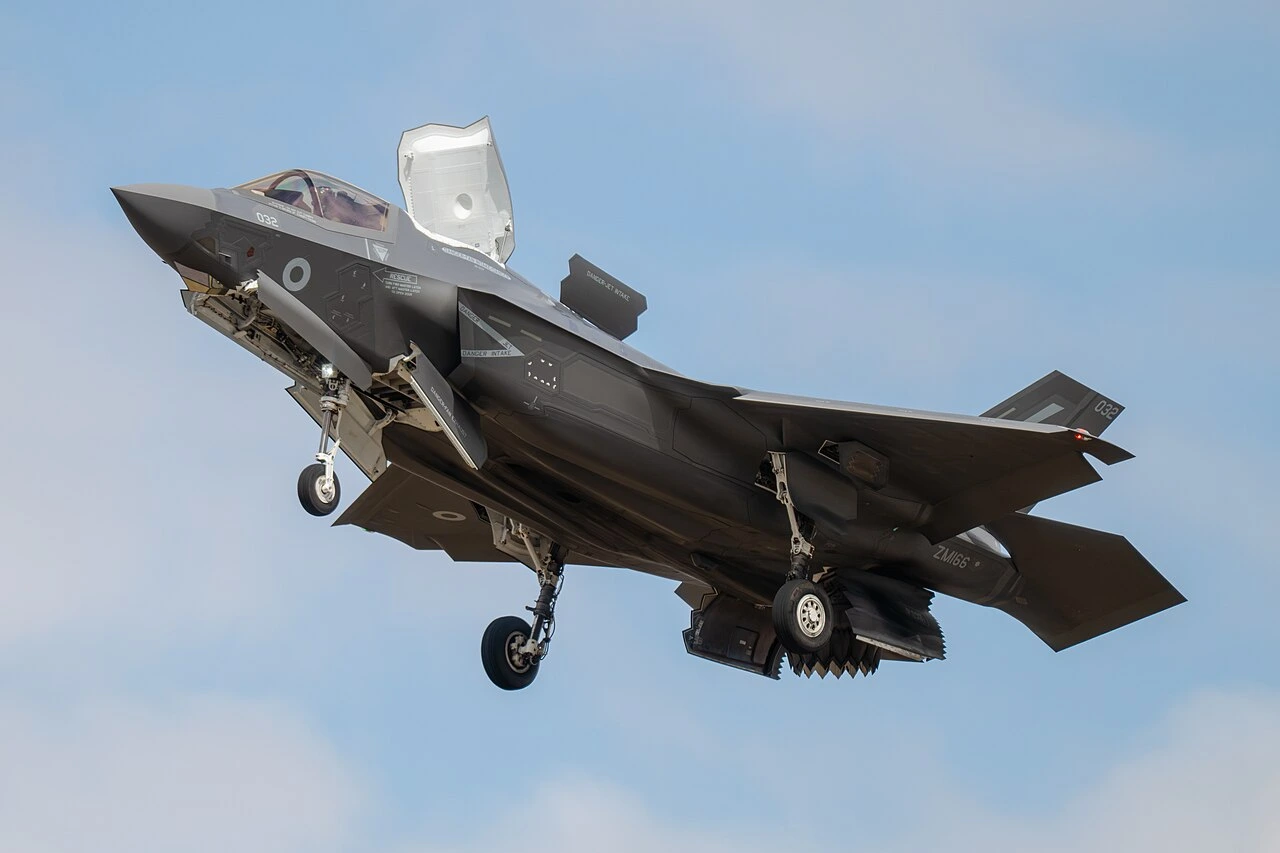
NEW DELHI– The United States remains cautious about discussions surrounding the F-35 Lightning II fighter jet for India, with Lockheed Martin clarifying that no direct commercial engagement is taking place.
The company reiterated that all discussions must follow strict government-to-government channels under the United States Foreign Military Sales (FMS) framework.
Lockheed Martin confirmed that any potential dialogue involving Lockheed Martin and India must occur between the governments of both nations.
New Delhi remains the sole authority for initiating any formal procurement discussions with Washington under this system. The manufacturer emphasized that it does not conduct private negotiations for the fifth-generation fighter program.

F-35 Talks Under FMS Rules
Lockheed Martin stressed that the F-35 Lightning II cannot be marketed like conventional defense aircraft.
The company stated that all export-related discussions fall under the control of the United States government, which governs approvals, pricing, and negotiations.
According to Defense.in, the manufacturer also declined to comment on whether the Ministry of Defense of India had requested a formal product briefing.
Instead, it redirected such questions to the respective governments, reinforcing the absence of any active corporate-level dialogue. This position confirms that no private negotiations are currently underway between Lockheed Martin and Indian defense authorities.
The FMS framework ensures that sensitive platforms like the F-35 remain tightly controlled, limiting commercial interaction and requiring sovereign-level approval for all stages of procurement.
India’s Defence Strategy Focus
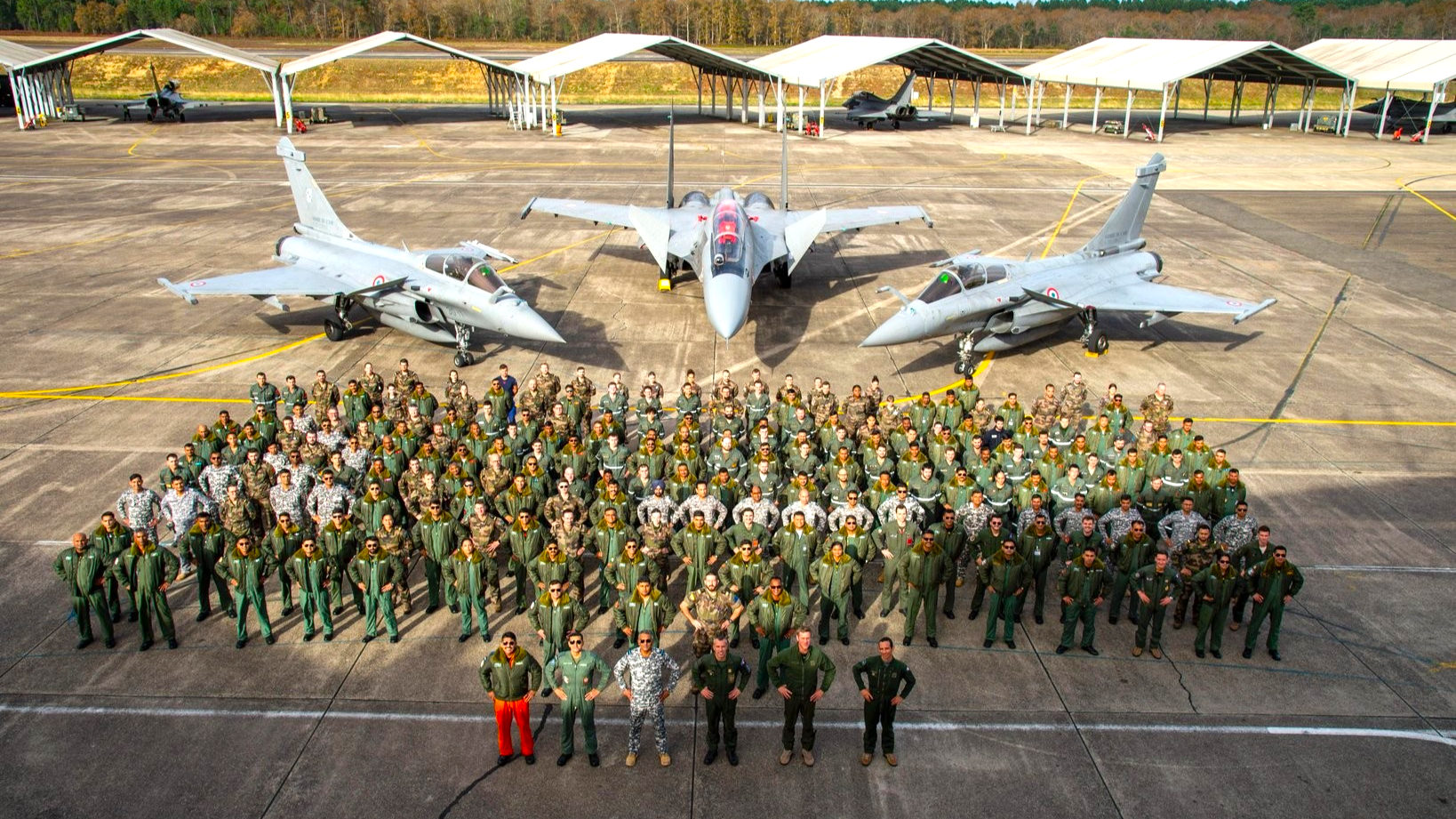
India continues to prioritize indigenous development and fleet modernization over immediate fifth-generation fighter acquisitions. The Advanced Medium Combat Aircraft (AMCA) program remains central to New Delhi’s long-term airpower strategy.
At the same time, India is upgrading its existing 4.5-generation fleet to maintain operational readiness. Officials have previously confirmed in parliamentary statements that no formal discussions on the F-35 have taken place with the United States, despite earlier indications of potential interest.
This position reflects India’s emphasis on self-reliance in defense manufacturing and gradual capability enhancement rather than immediate external procurement of advanced stealth platforms.
Controlled Export Approach
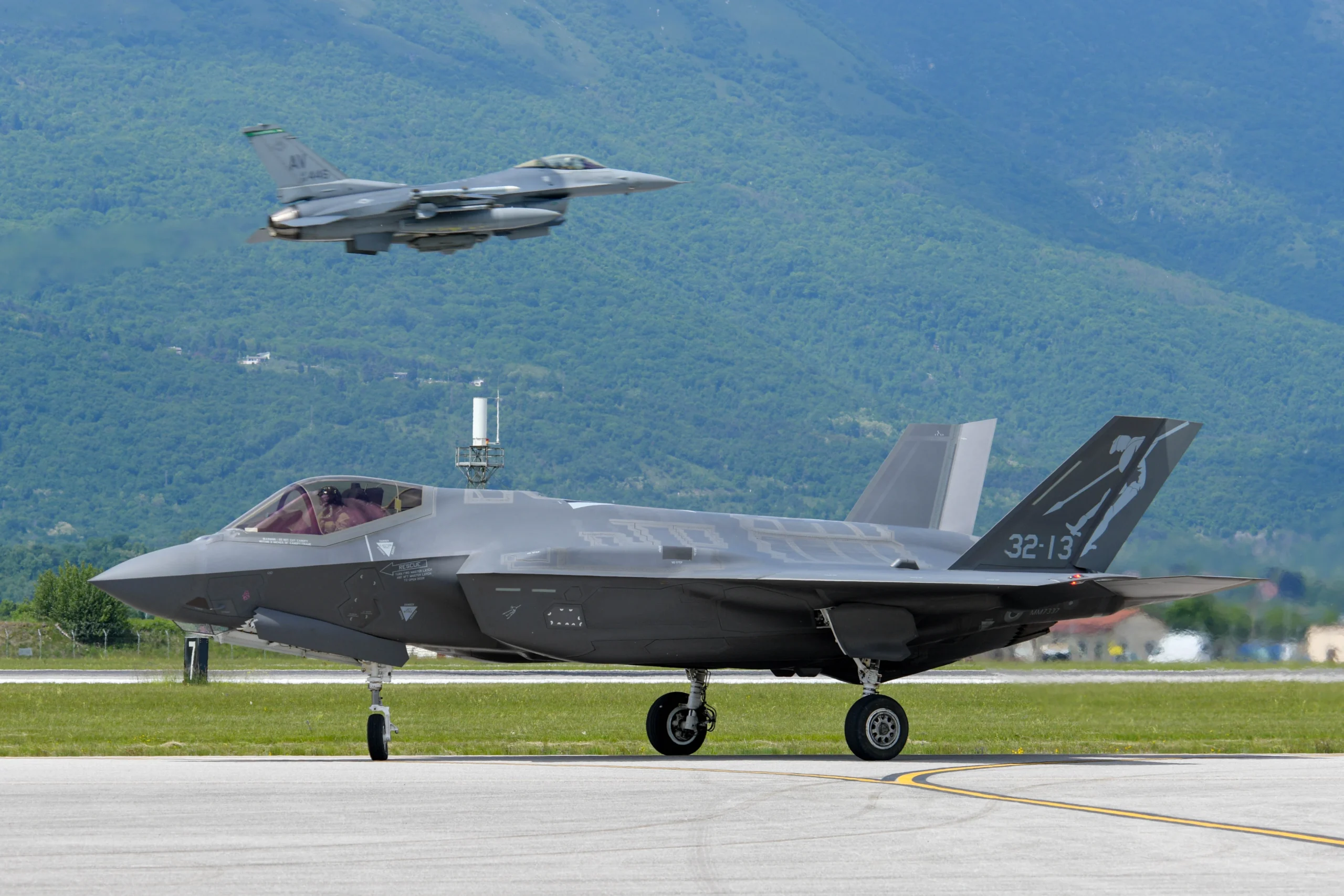
Lockheed Martin’s response highlights the strict regulatory environment governing the F-35 program. Unlike conventional fighter jets, the aircraft is not actively marketed by its manufacturer to foreign buyers.
Instead, the United States government manages all engagement, ensuring that strategic systems remain under tight political and security oversight. Lockheed Martin’s role is limited to production and contract execution once agreements are finalized at the sovereign level.
The company’s refusal to confirm or deny any informal outreach further reinforces the controlled nature of the program and the absence of open-market negotiations.
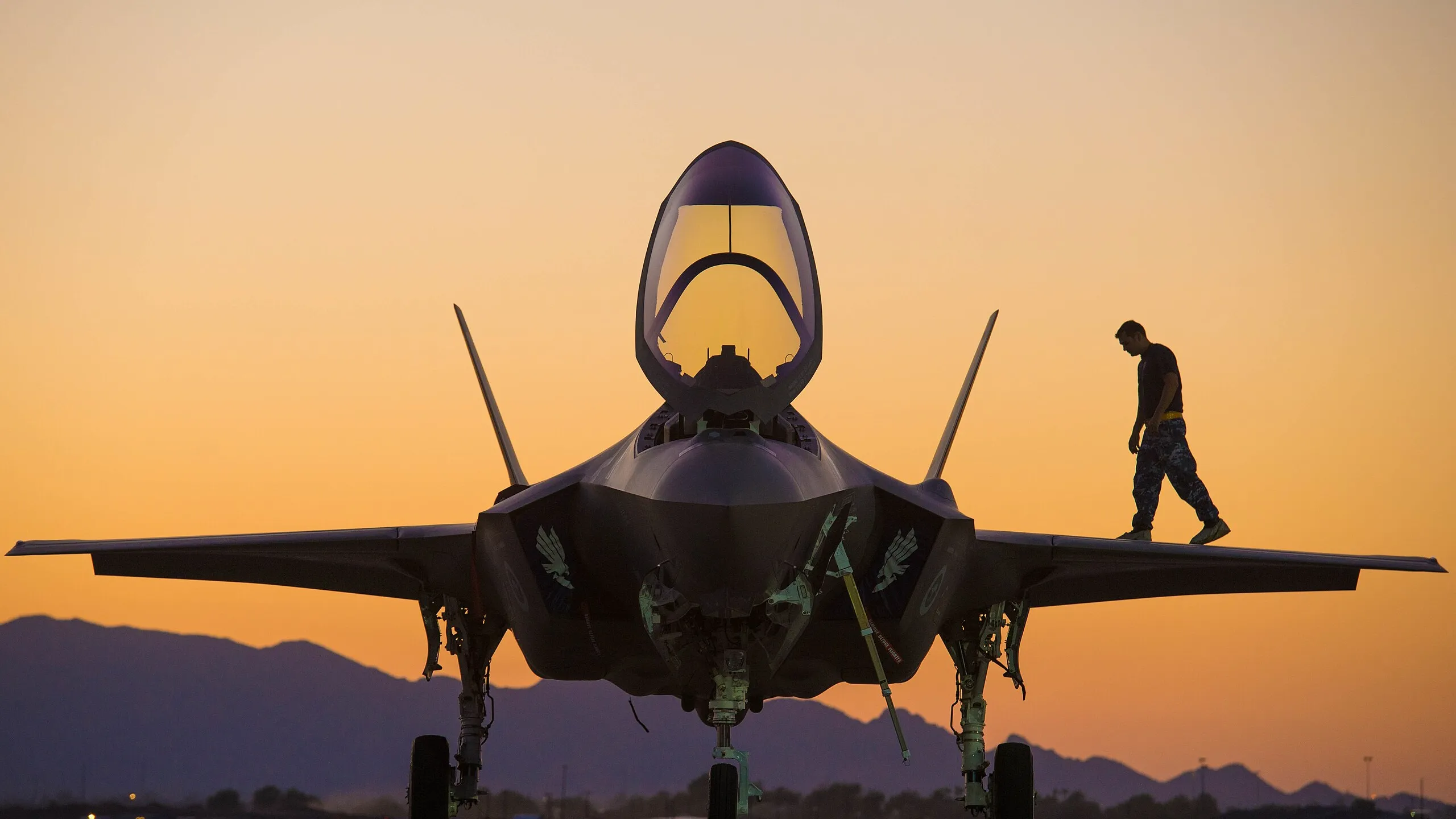
https://commons.wikimedia.org/wiki/File:Australian_airman_on_the_wing_of_a_F-35_in_August_2018.jpg
Future Possibilities Open
Despite the lack of active discussions, Lockheed Martin’s stance leaves room for future consideration. The company has not ruled out engagement should India choose to explore the platform through official channels.
The F-35 Lightning II was recently showcased at Aero India 2025 in a static display, reflecting continued international interest in India’s defense market.
Any future evaluation would depend on long-term strategic alignment, geopolitical considerations, and procurement priorities rather than immediate operational needs.
Stay tuned with us. Further, follow us on social media for the latest updates.
Join us on Telegram Group for the Latest Aviation Updates. Subsequently, follow us on Google News
