

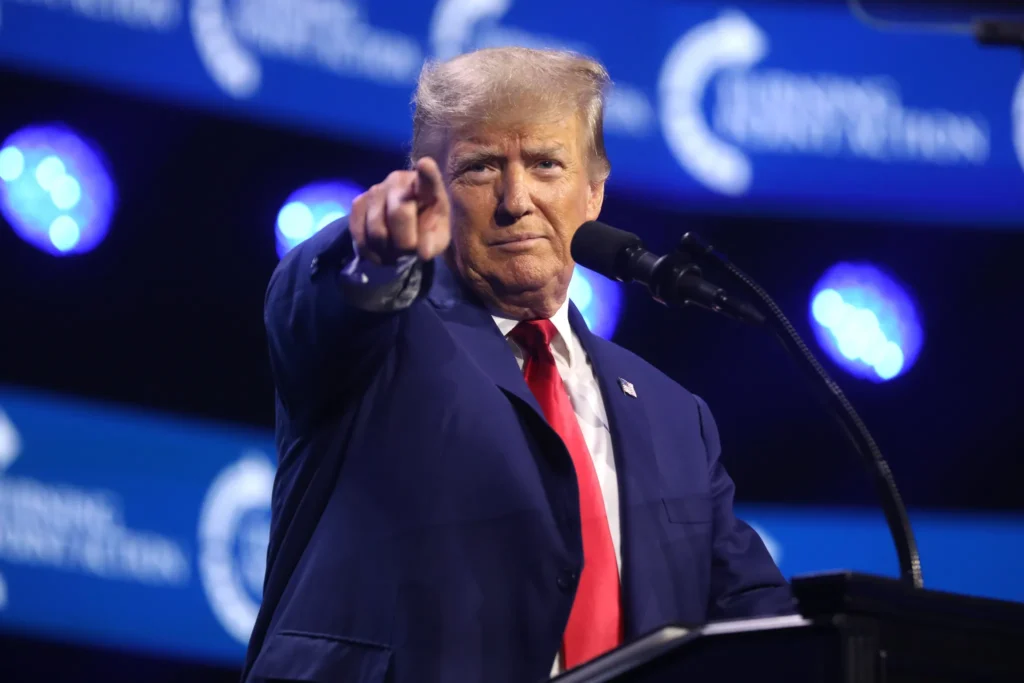
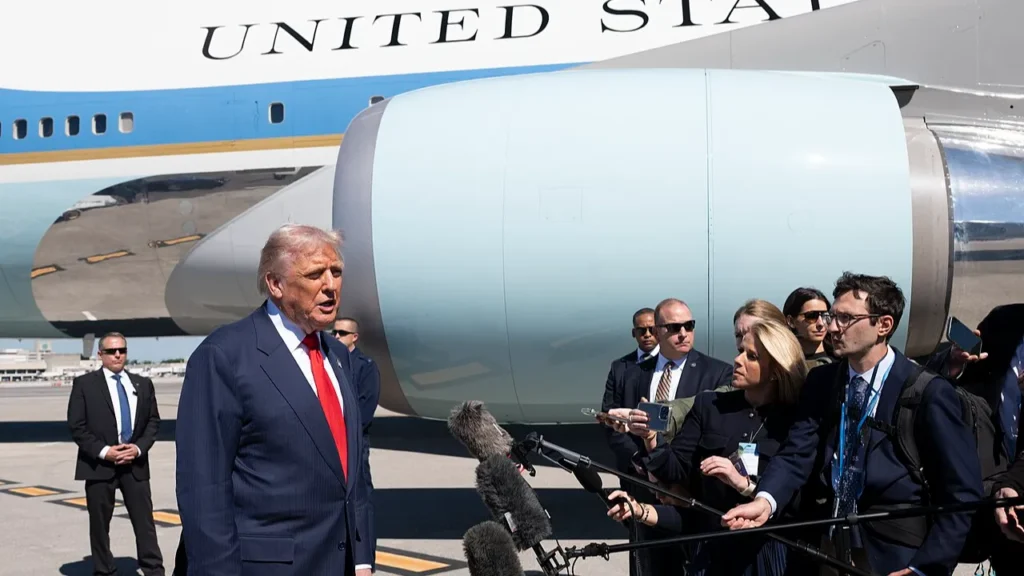
US President Donald Trump agreed to a two-week ceasefire with Iran on April 7, 2026, just two hours before his self-imposed 8 p.m. ET deadline, stepping back from threats of sweeping strikes on Iranian civilian infrastructure.
The deal hinges on Iran’s agreement to reopen the Strait of Hormuz (HOF), the strategic waterway through which roughly one-fifth of the world’s daily oil supply flows.
Pakistan Prime Minister Shehbaz Sharif played a central role in brokering the agreement, urging both Washington and Tehran to pause hostilities and inviting delegations from both sides to hold formal talks in Islamabad (ISB) on Friday, April 10, 2026.
Iran’s Foreign Minister Abbas Araqchi confirmed Tehran’s acceptance, stating that safe passage through the strait would resume under coordination with Iran’s armed forces.
Last-Minute Deal Pulled the US and Iran Back from the Brink
Earlier on April 7, Trump had issued one of his most alarming warnings yet, posting on Truth Social that “a whole civilization will die tonight” if Iran failed to reopen the strait before his deadline.
The statement rattled global financial markets, drew condemnation from the United Nations, Pope Leo, and international legal experts, and alarmed world leaders across the board. Some international law scholars warned that a campaign targeting power plants and bridges indiscriminately could constitute a war crime.
The abrupt pivot came just two hours before the 8 p.m. deadline Trump imposed for Iran to meet demands centered on reopening the Strait of Hormuz.
Trump credited conversations with Pakistan’s Prime Minister Shehbaz Sharif and Field Marshal Asim Munir as the turning point that prompted him to accept the ceasefire framework.
Iran submitted a 10-point proposal to the United States through Pakistan, which Trump described as a “workable basis on which to negotiate,” stating that “almost all of the various points of past contention have been agreed to.”
Iran’s Supreme National Security Council confirmed acceptance of the ceasefire and claimed that “nearly all war objectives have been achieved.”
Iranian Foreign Minister Abbas Araghchi confirmed Tehran’s acceptance and said Iran would allow “safe passage” through the Strait of Hormuz during the two-week window via coordination with Iran’s armed forces.
The Strait of Hormuz at the Center of the Crisis
Shortly after the war erupted, Iran moved to choke off traffic in the Strait of Hormuz, a key waterway through which nearly 20 percent of the world’s oil and natural gas travels, causing gasoline prices to skyrocket across the globe.
The closure had already raised the risk of a global economic downturn, with the US Energy Information Administration warning that fuel prices could continue rising for months even after the strait reopened.
Iran’s parliament had passed a bill to formalize the collection of tolls on vessels transiting the waterway, though the route remained largely blocked.
Iran’s 10-point proposal, as transmitted through Pakistan, included a protocol for controlled passage through the strait under Iranian military coordination, effectively seeking to preserve Iran’s strategic leverage over the corridor even after reopening it.
Israel, Lebanon, and the Scope of the Ceasefire
Israel agreed to the ceasefire and would also suspend its strikes, a White House official confirmed. Pakistan’s Prime Minister Sharif stated the ceasefire would also apply in Lebanon, where Israel had been conducting an invasion.
However, the scope of the agreement remained a point of contention. Israeli Prime Minister Benjamin Netanyahu said his government supports the US-Iran ceasefire, but alleged that the deal does not cover the fighting in Lebanon.
Israeli media also reported that Israel expected Iranian attacks to continue until the strait was formally reopened, and indeed, after the ceasefire came into force at 8 p.m. ET, missiles were still launched from Iran towards Israel and several Gulf states.
Gulf nations, including Kuwait, Bahrain, Saudi Arabia, and the United Arab Emirates, activated air defenses simultaneously following the missile alerts.
Market Reaction and Domestic Political Pressure
Markets hailed the ceasefire news, with the international oil price benchmark falling 13% as of Tuesday night, and S&P 500 futures indicating the stock index could open up more than 2% on Wednesday.
Trump’s decision to step back from the brink also came against the backdrop of mounting domestic pressure. His approval ratings had hit their lowest level during his presidency, with polls showing sizable majorities of Americans opposed to the war and frustrated by rising gasoline prices.
With the U.S. midterm election campaigns ramping up, the Republican Party faced the risk of losing its narrow congressional majorities.
Trump struck an optimistic tone following the ceasefire announcement, calling it a “big day for world peace” and writing on Truth Social, “Iran can start the reconstruction process.”
White House Press Secretary Karoline Leavitt framed the outcome as a US victory, stating, “The truth is that President Trump and our powerful military got Iran to agree to reopening the Strait of Hormuz, and negotiations will continue.”
What Comes Next
The US and Iran are expected to hold peace talks on Friday in Islamabad (ISB), with Vice President Vance likely to lead the US delegation.
Iran’s Supreme National Security Council hinted that the ceasefire could be extended beyond the initial two weeks if negotiations proceed favorably.
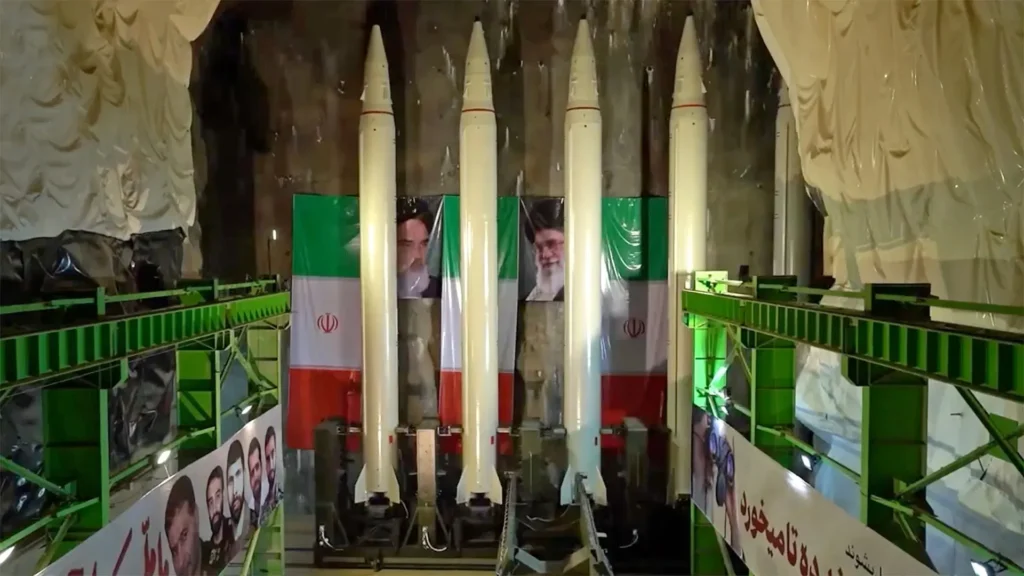
Iran’s 10-point proposal includes withdrawing US combat forces from all regional bases, lifting all sanctions, releasing Iranian assets frozen abroad, and full payment of Iran’s war-related damages. These terms would represent a significant shift in US-Iran relations stretching back to the 1979 Islamic Revolution, and it remains to be seen how far both sides will move during the negotiating window.
Impact on Aviation
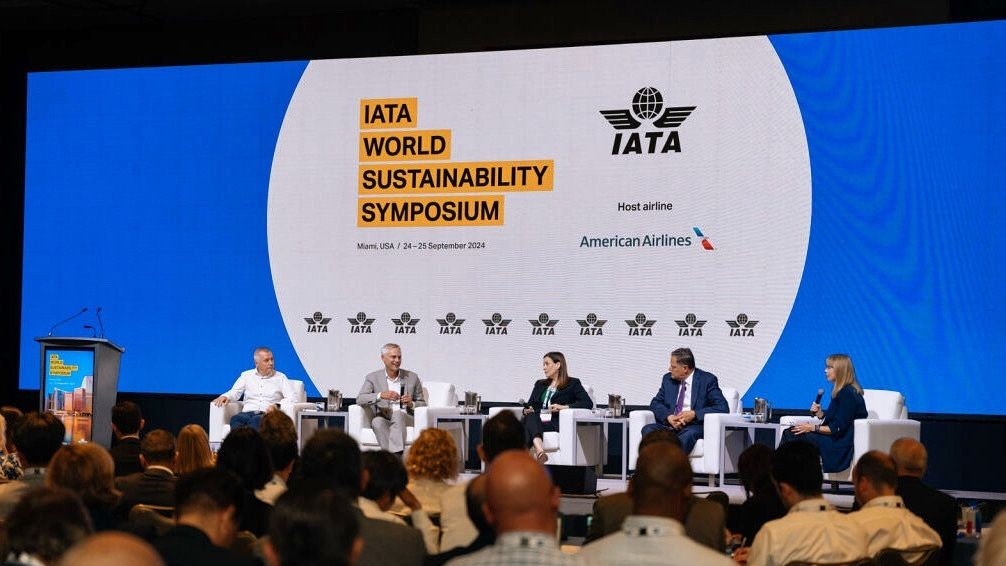
The International Air Transport Association (IATA) has warned that jet fuel supply will take months to recover, even if the Strait of Hormuz reopens fully. Disruptions to refining infrastructure across the Middle East remain the core obstacle, independent of crude oil flows.
Jet fuel prices have surged 132.1% from a year ago, reaching $209 per barrel according to IATA data, placing severe cost pressure on global carriers. Fuel typically accounts for around 27% of airline operating expenses, making it the second-largest cost after labour.
Why Jet Fuel Costs Will Stay Elevated After the Hormuz Ceasefire
Airlines across Asia have been cutting flights, carrying extra fuel from home airports, and adding refuelling stops as the Middle East conflict continues to squeeze jet fuel supply. Iran’s closure of the Strait of Hormuz as part of retaliatory war measures choked global jet fuel supply, and the ceasefire announcement sent airline stocks surging across the region.
Shares of Australia’s Qantas Airways (QF) jumped more than 9%, Air New Zealand (NZ) rose over 4%, Hong Kong’s Cathay Pacific (CX) climbed 5%, and India’s IndiGo (6E) soared as much as 10% on the news of a possible safe passage through the strait.
Oil fell below $100 per barrel after U.S. President Donald Trump said he had agreed to a two-week ceasefire with Iran, subject to the immediate and safe reopening of the Strait of Hormuz, which normally carries about a fifth of the world’s oil trade.
Willie Walsh, Director General of IATA, addressed reporters in Singapore (SIN) and made clear that falling crude prices would not immediately translate to cheaper jet fuel. He explained that disruptions to refining capacity in the Middle East mean it will take months to restore adequate fuel supply, stressing that recovery is “not going to happen in weeks.”
Walsh noted that the Middle East is a critical part of the global supply of refined products, not just jet fuel but other products as well. He added that not everyone fully appreciated how concentrated that refining capacity was in certain parts of the world.
Refinery Capacity and the Path to Recovery
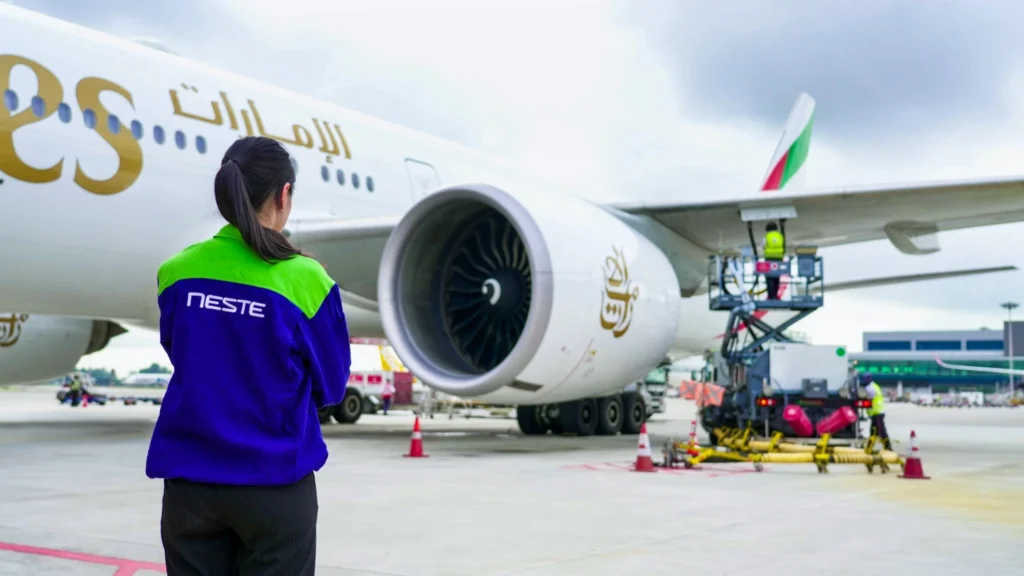
Walsh said that if crude started flowing again, he would expect China as well as South Korea to restart their exporting of refined products. He noted that with the crack spread elevated, there is a strong incentive for refineries to increase jet fuel production. The crack spread refers to the margin between crude oil prices and the price of refined petroleum products.
Asian jet fuel prices are currently the highest globally at $228 per barrel, while North America holds the lowest regional average at $192 per barrel, still representing an increase of over 100% from a year ago.
Historically, the aviation industry responds to higher oil prices by increasing ticket fares, which Walsh called inevitable. Passengers should expect airfare adjustments as airlines work to offset the elevated cost environment.
Gulf Carriers and Capacity Impact
Walsh said the impact on Gulf carriers, which accounted for 14.6% of international capacity last year, would be temporary. He noted that some of that capacity would be replaced by airlines outside the region, but that there was no way to fully substitute what Gulf carriers provide.
He added that data from April and May would give a clearer picture of the scale of disruption, but expressed confidence that Gulf hubs would recover quickly.
Not a COVID-Level Crisis, But a Significant Shock
Walsh firmly rejected comparisons between the current situation and the COVID-19 pandemic. During COVID-19, global aviation capacity fell by 95% as borders closed worldwide. He described the current disruption as far more contained.
Instead, he drew parallels to previous aviation shocks. The Strait of Hormuz has been virtually paralysed for weeks by the Middle East war, pushing up prices for crude and related products.
Walsh referenced the September 11 aftermath, where recovery took roughly four months, and the 2008-09 downturn, which took 10 to 12 months for the industry to stabilise.

AirAsia’s Mission of Connection
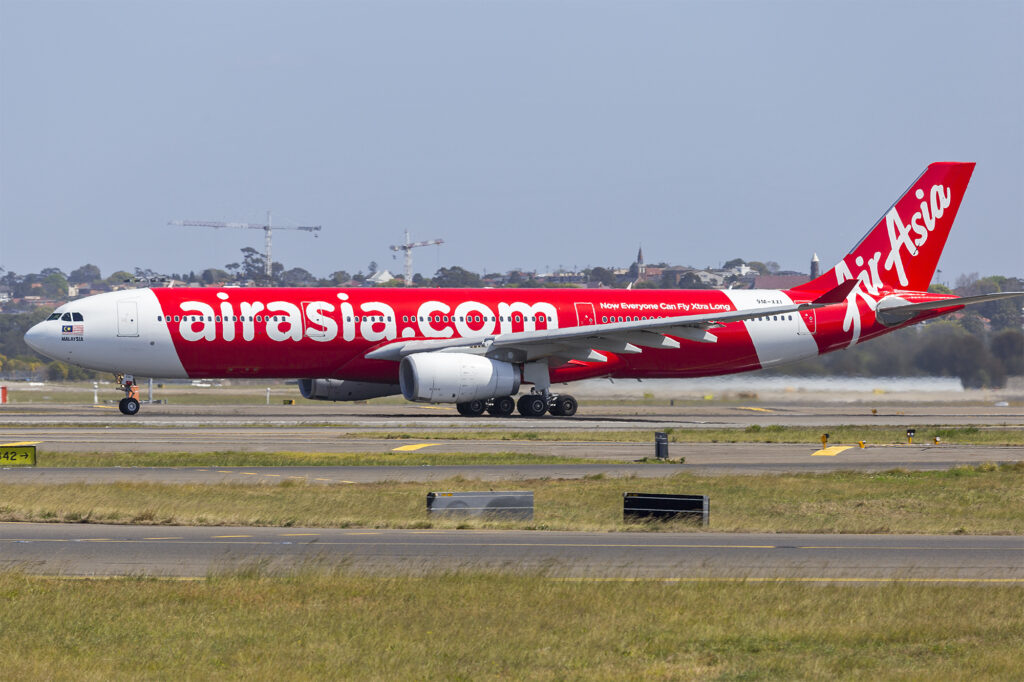
AirAsia (AK) has launched a new campaign titled “Give Peace a Chance,” aimed at making travel more accessible and affordable amid ongoing global uncertainty affecting how people live, work, and connect.
The campaign runs from April 8 to 14, 2026, and covers routes operated by AirAsia (AK), AirAsia X (D7), Thai AirAsia (FD), Thai AirAsia X, AirAsia Philippines (PQ), and other airlines within the group.
Co-founder Tony Fernandes tied the campaign’s launch to a broader message of peace. Fernandes stated that for 25 years, AirAsia has worked to make the world smaller by connecting communities, building bridges across borders, and bringing people closer to the moments and people that matter most.
He added that today, that mission carries an even deeper meaning, as peace is ultimately what all people seek, whether between communities or within their own lives.
Fernandes emphasized that travel plays a direct role in fostering that peace. He noted that travel has a unique power to help people reconnect, discover new perspectives, and find space to reflect, and that when people meet face to face, it builds understanding and breaks down differences. He reaffirmed that connection should never become a luxury and that AirAsia will continue its effort to connect the world.
Short-Haul Destinations Under the Campaign
AirAsia is offering fares starting from RM59 across its network, with short-haul options including Johor Bahru (JHB), Penang (PEN), Phuket (HKT), Ho Chi Minh City (SGN), Shenzhen (SZX), Wuhan (WUH), and Trivandrum (TRV), alongside numerous other destinations across ASEAN and the surrounding region.
Long-Haul Getaways Covered by the Offer
For travellers planning extended trips, the campaign covers long-haul cities such as Taipei (TPE), Osaka (KIX), Seoul (ICN), Changsha (CSX), Chengdu (CTU), New Delhi (DEL), Melbourne (MEL), and Sydney (SYD), making it straightforward to plan both quick regional breaks and extended overseas holidays.
Booking Window and Travel Period
Travellers can book from now until April 14, 2026, for travel between April 20, 2026, and March 27, 2027, giving ample time to plan upcoming holidays, family visits, or spontaneous getaways. Some blackout dates apply, and all fares include fuel surcharges and taxes.
Extra Savings via the AirAsia MOVE App
Travellers who book through the AirAsia MOVE app can access additional savings beyond the base fares. The Value Pack, which includes seat selection and checked baggage, is available at up to 30% off through the app during the campaign period. Bookings can be made via airasia.com or the AirAsia MOVE app.
Stay tuned with us. Further, follow us on social media for the latest updates.
Join us on Telegram Group for the Latest Aviation Updates. Subsequently, follow us on Google News
