

US Transportation Secretary Sean Duffy addressed speculation about airline mergers in a CNBC interview.
He stated that President Trump loves to see big deals happen and indicated there is room for some consolidation in the US aviation industry, subject to reviews by the Department of Transportation (DOT) and Department of Justice (DOJ).
Duffy highlighted that any deal would undergo case-by-case scrutiny focused on competition, consumer impact, and the global strength of US carriers.
His comments come as higher jet fuel prices pressure the industry and profits concentrate among leading airlines, fueling chatter about possible transactions involving one of the big four carriers.
Regulatory Signals Toward Airline Consolidation
Sean Duffy responded to questions on CNBC about growing chatter that one of the big four US carriers could acquire another airline.
The context included the concentration of industry profits among two carriers and the strain from rising oil prices.
Duffy said any such deal would come through the DOT and DOJ, and President Trump would have to review it. He added that President Trump loves to see big deals happen.
According to OMAAT, these remarks show an openness to measured consolidation even if it involves larger players.
Big Four Airlines And Market Share
Duffy confirmed the discussion centered on consolidation in the United States. He noted there is always chatter about possible pairings and asked who knows who is going to match up.
He continued that officials would examine any proposal brought forward for its impact on competition, benefits for the consumer, and the ability to field the biggest and best airlines competing globally.
When asked about market share shifts where one airline might move from roughly 20 percent to 30 or 35 percent, Duffy replied that reviews would occur on a case-by-case basis.
He added that a merger between larger airlines would likely require them to peel off some assets because the US does not want massive infrastructure concentrated with one carrier in America.
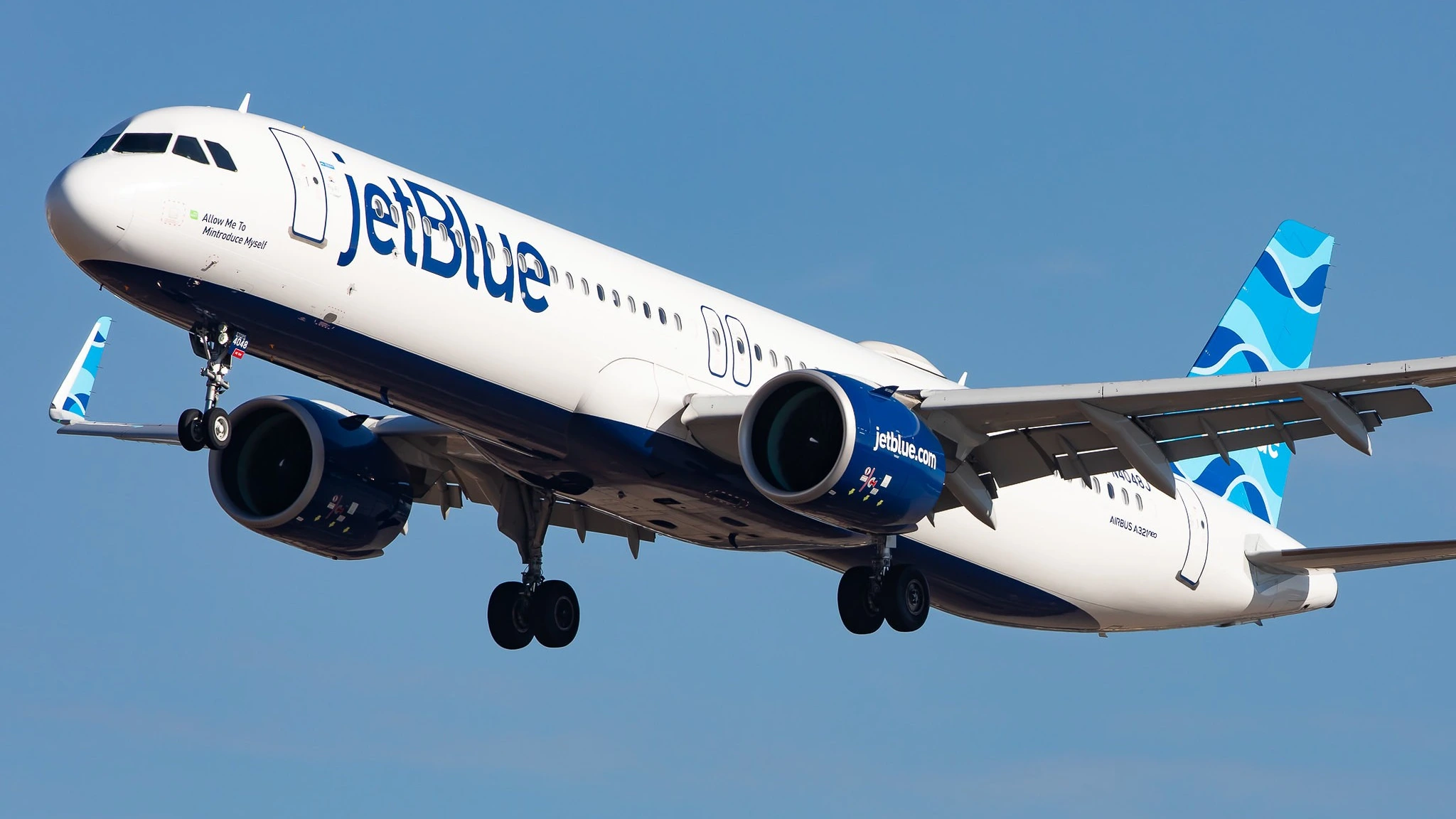
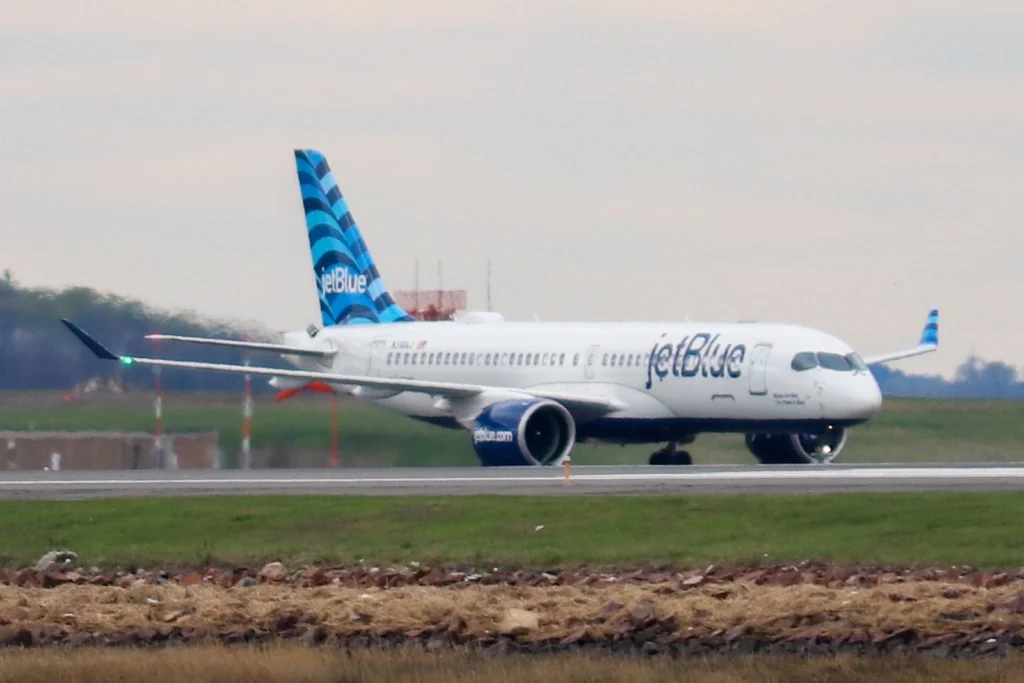
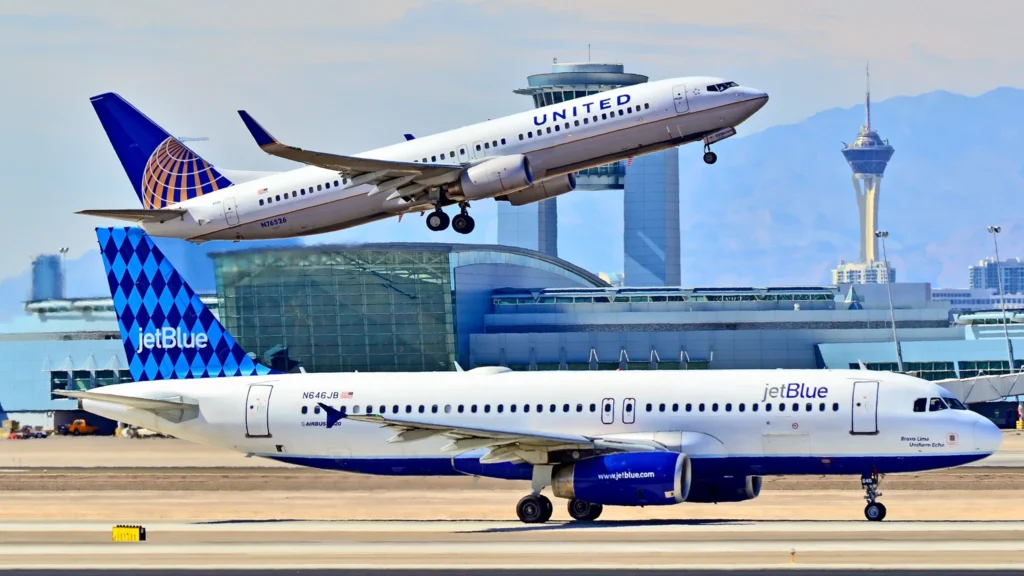
Speculation centers heavily on JetBlue Airways (B6), which is reportedly looking at being acquired. JetBlue delivers a strong passenger experience and could add huge value to a larger group.
However, its heavy reliance on New York John F. Kennedy International Airport (JFK) for primarily domestic flights creates structural challenges that make standalone operations difficult.
United Airlines (UA) CEO Scott Kirby has shown interest in acquiring JetBlue, though he sometimes sends mixed signals by stating one day that the ball is in JetBlue’s court and another day that he has no interest.
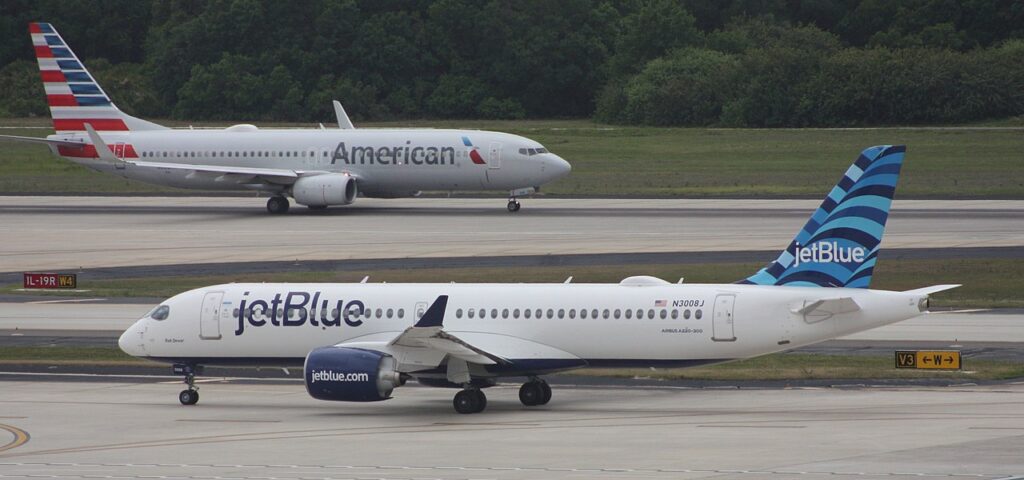
Observers note that Kirby has taken a pro-Trump stance, which could help build favor. American Airlines (AA) could also benefit significantly from JetBlue, potentially creating the most pro-consumer outcome, yet American faces its own financial pressures.
Analysts point to the current environment as favorable for action. The oil price increase offers a narrative of survival-driven mergers. A deal could face lighter regulatory scrutiny before midterms.
If United wants JetBlue or at least wants to prevent a rival from gaining its key assets and slots, this window appears timely.
At the same time, Alaska Airlines would likely find it too much to handle while still integrating Hawaiian Airlines (HA). A Southwest Airlines (WN) merger makes little strategic sense under current conditions.
Duffy made clear he is not the final decision maker on approvals. Observers must judge whether his comments reflect personal views or broader discussions with President Trump.
Overall, the tone suggests regulators may prove more receptive to carefully structured deals that preserve competition through asset divestitures while strengthening the industry.
Regulatory Review Process and Market Pressures
Airline mergers require approval from multiple agencies. The DOJ leads antitrust reviews, while the DOT assesses transportation impacts.
Past deals often included requirements to surrender slots or gates at congested airports to maintain service levels and pricing discipline.
Rising fuel costs linked to global events have squeezed margins, particularly for carriers with a smaller scale.
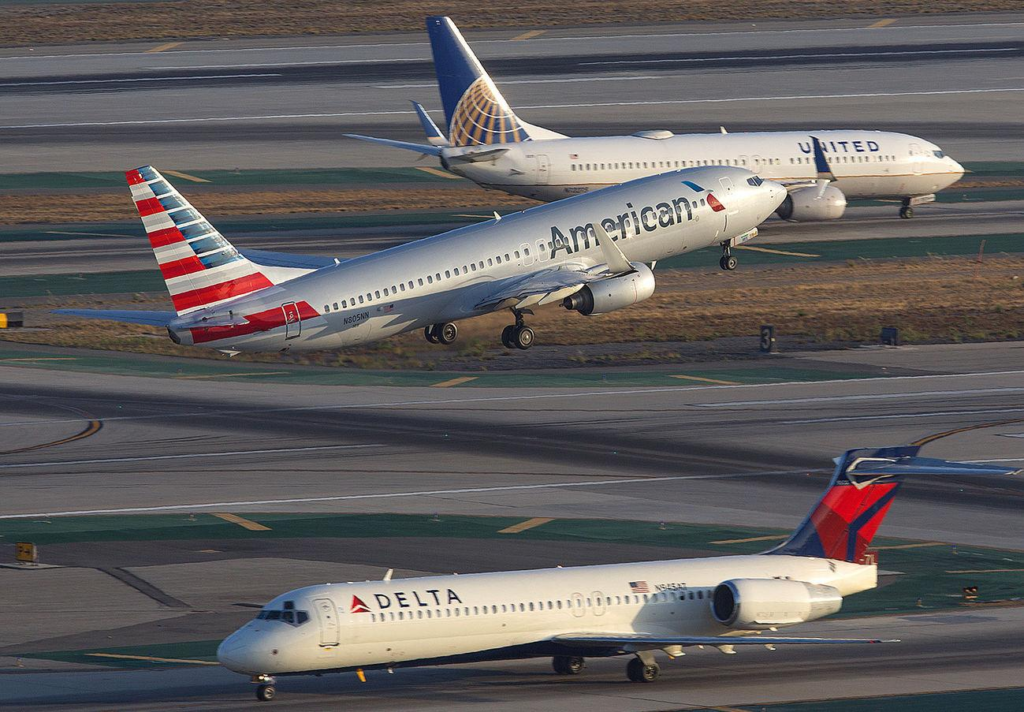
The big four— American Airlines (AA), Delta Air Lines (DL), United Airlines (UA), and Southwest Airlines (WN) — control the bulk of profits.
This imbalance leaves smaller or mid-sized players more exposed, increasing talk of consolidation for efficiency and global competitiveness.
Duffy stressed that officials will evaluate each proposal on its specific merits rather than apply blanket market-share caps.
The goal remains balanced outcomes that support reasonable fares, quality service, and strong US carriers on international routes.
Potential Outcomes
A successful merger could deliver cost savings, network expansion, and modernized fleets that ultimately benefit passengers through more destinations and reliable operations.
However, without proper concessions, reduced competition on overlapping routes risks higher fares and fewer choices.
JetBlue (B6) brings loyal customers, efficient operations, and valuable Northeast slots that appeal to acquirers.
Integration at JFK would demand careful planning to maximize value. Any deal must still demonstrate clear advantages for consumers and the national aviation system.
The secretary’s remarks do not pre-approve any transaction, but they indicate a pragmatic willingness to consider proposals that meet regulatory standards. Industry participants now await formal moves that could test this openness in the coming months.
Stay tuned with us. Further, follow us on social media for the latest updates.
Join us on Telegram Group for the Latest Aviation Updates. Subsequently, follow us on Google News
