

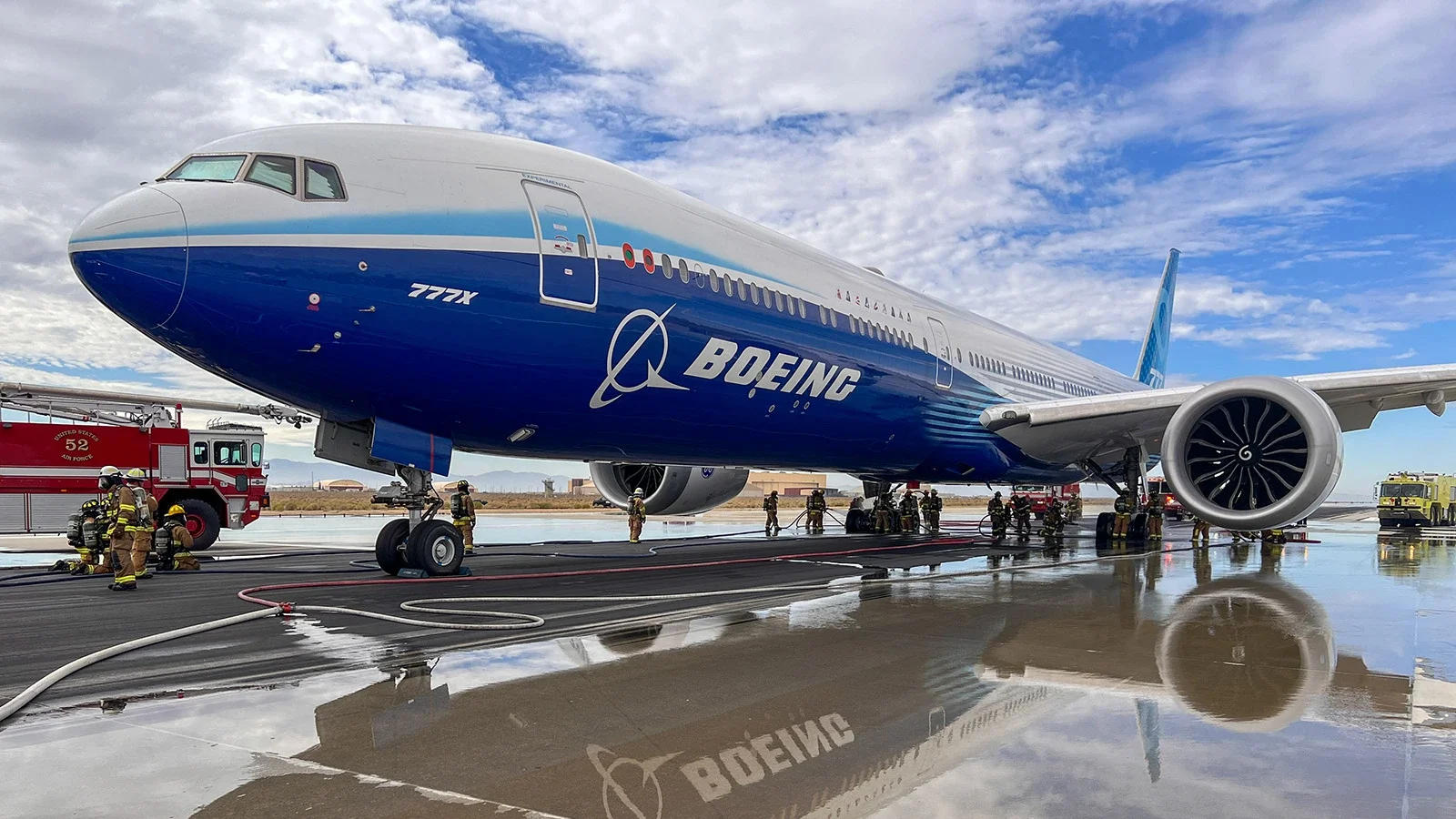
EVERETT— Boeing flight-test teams have taken the 777-9 and 737-10 into naturally occurring icing conditions as the manufacturer continues certification work on its newest passenger aircraft.
The tests were designed to determine how the aircraft behave when ice builds up on critical aerodynamic surfaces.
Natural icing tests are an important part of aircraft certification because they allow engineers and pilots to assess real-world conditions that cannot always be replicated on the ground.
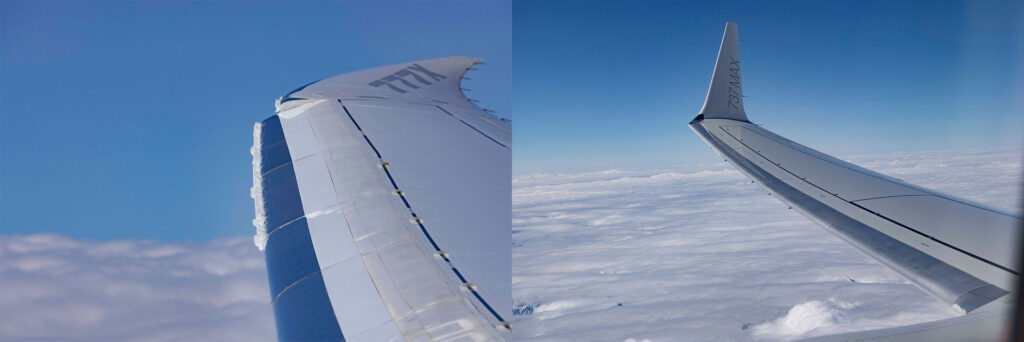
Boeing deliberately searched for clouds containing supercooled water, allowing ice to accumulate on the aircraft while instrumentation recorded the surrounding atmospheric conditions.
Boeing Icing Tests for 777-9 and 737-10
During the campaign, Boeing meteorologists tracked weather systems for weeks before coordinating with flight crews to identify suitable clouds, temperatures, and altitudes.
Special equipment on both aircraft measured factors such as water droplet size and atmospheric conditions to confirm that the clouds provided the required environment for testing.
The 777-9 test aircraft also used Wi-Fi to allow meteorologists and flight crews to exchange information during the flight. This helped teams refine their positions and move toward areas where the atmospheric conditions were most suitable for controlled ice accumulation.
Once enough ice had formed, pilots assessed the aircraft’s handling qualities and checked whether its systems continued to perform as intended.
Boeing typically targeted ice accumulation of about one to two inches while examining the effects on the wings, horizontal stabilizers, vertical stabilizers, and other critical surfaces.
Heather Ross Tests Boeing’s 777-9 on Icy Conditions
The testing involved extended flights, with the 777-9 completing an 8.5-hour sortie and the 737-10 conducting a six-hour flight. Both natural icing campaigns concluded on the same day, an unusual occurrence for two separate commercial aircraft certification programs.
Pilots reported that both aircraft maintained their expected handling characteristics in the challenging conditions.
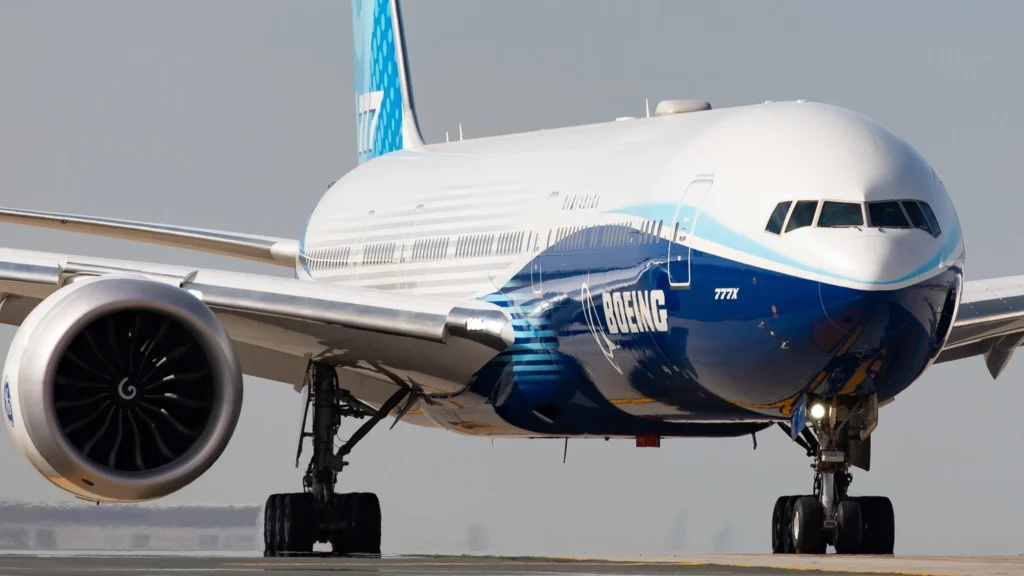
On the 777-9, Capt. Heather Ross said the aircraft’s handling remained so consistent that the presence of icing would have been difficult to detect without the flight-test instrumentation.
The natural icing work builds on a much broader certification campaign for the two aircraft. Boeing has also used simulated ice shapes on the 777-9, including hundreds of precisely manufactured shapes designed to reproduce different icing scenarios and evaluate the aircraft’s performance.
Certification Progress of Boeing’s New Jets
The Boeing 777-9, the largest twin-engine jet in the company’s commercial lineup, has accumulated more than 1,700 test flights and 4,800 flight hours. Boeing reported in July that roughly half of its planned certification testing had been completed, with first delivery still targeted for 2027.
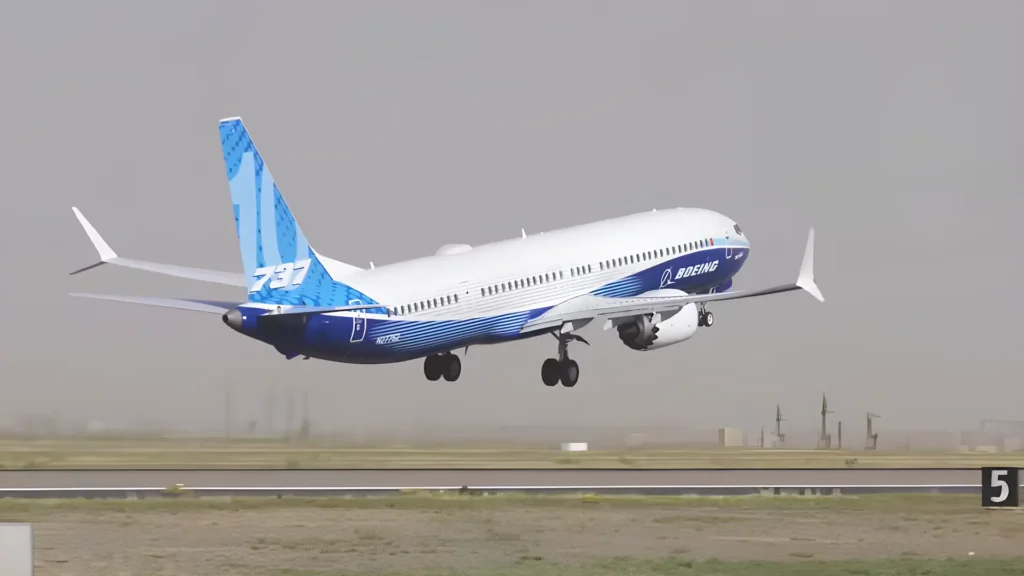
The 737-10 has progressed further, with Boeing completing its final planned certification flight in July 2026.
The program recorded 976 flights and more than 2,060 flight hours, while remaining work includes development assurance reviews and final submissions to the Federal Aviation Administration.
For Boeing, the natural icing campaign represents another step toward bringing both aircraft through certification.
The tests provide data demonstrating that the 777-9 and 737-10 can maintain predictable handling and system performance when exposed to one of the more demanding weather conditions encountered during commercial operations.
Stay tuned with us. Further, follow us on social media for the latest updates.
Join us on Telegram Group for the Latest Aviation Updates. Subsequently, follow us on Google News
