

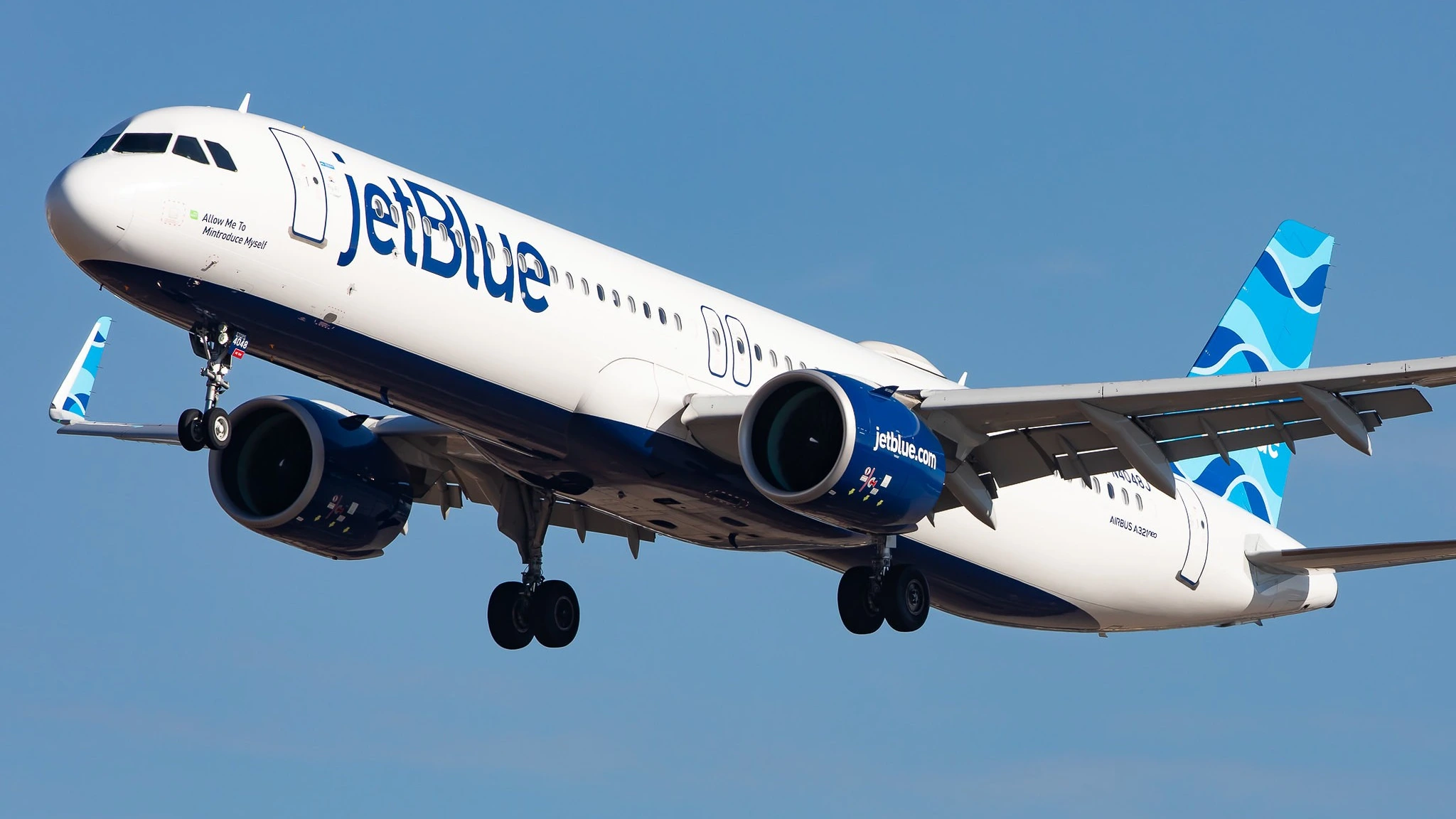
WASHINGTON— JetBlue Airways (B6) is facing a legal challenge from its pilots’ union over its Blue Sky partnership with United Airlines (UA). The dispute centers on claims that the agreement may violate existing labor contracts, particularly around flight allocation and job protections.
The issue has emerged as JetBlue continues operations from major hubs such as New York John F. Kennedy International Airport (JFK) and Boston Logan International Airport (BOS). The lawsuit adds further pressure on the airline, which is already navigating financial strain and ongoing labor negotiations.

JetBlue Pilots Lawsuit Over United Partnership
The Air Line Pilots Association (ALPA), representing JetBlue pilots, has filed the lawsuit after the airline declined to resolve the dispute through arbitration.
The union argues that the Blue Sky partnership allows the airline to shift flying duties to another carrier, potentially impacting pilot job security.
Pilots claim that JetBlue has not provided clear guarantees regarding career progression, compensation, or long-term benefits under the partnership. They also assert that arbitration is the legally mandated process under the Railway Labor Act for resolving such disputes.
By initiating legal proceedings, the union seeks to compel JetBlue to enter formal arbitration. This step aims to determine whether the partnership breaches contractual protections tied to pilot employment.
Blue Sky Concerns
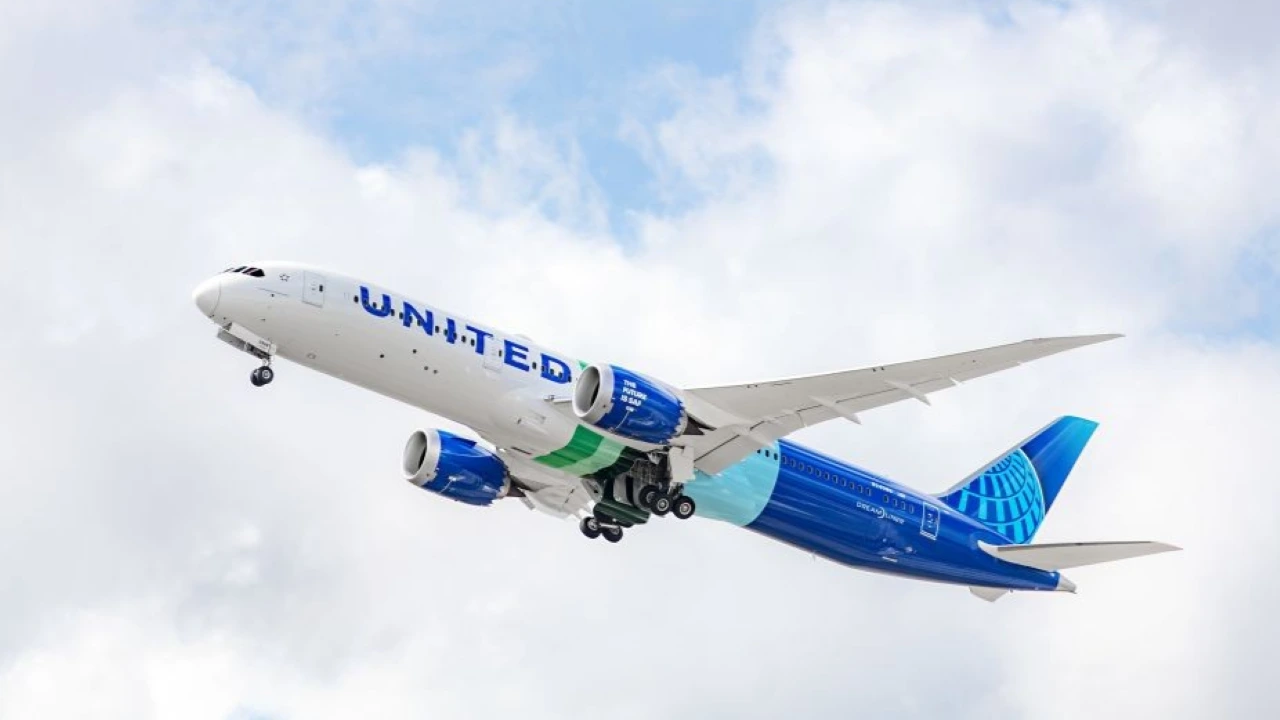
The Blue Sky partnership between JetBlue and United focuses on network coordination and expanded connectivity. However, the union fears that such cooperation could result in “farming out” flights, reducing available flying opportunities for JetBlue pilots.
This concern comes at a critical time, as pilots are negotiating a new labor contract.
According to Simple Flying, talks began in 2024 after the collapse of JetBlue’s proposed merger with Spirit Airlines, with key demands including higher wages and improved work-life balance.
Union leadership has emphasized that pilots delayed negotiations during the merger attempt. They now expect the airline to align new contract terms with broader industry standards.
The airline’s refusal to acknowledge arbitration jurisdiction has intensified tensions. As a result, the dispute has escalated from negotiation to litigation.
Past Alliance Impact
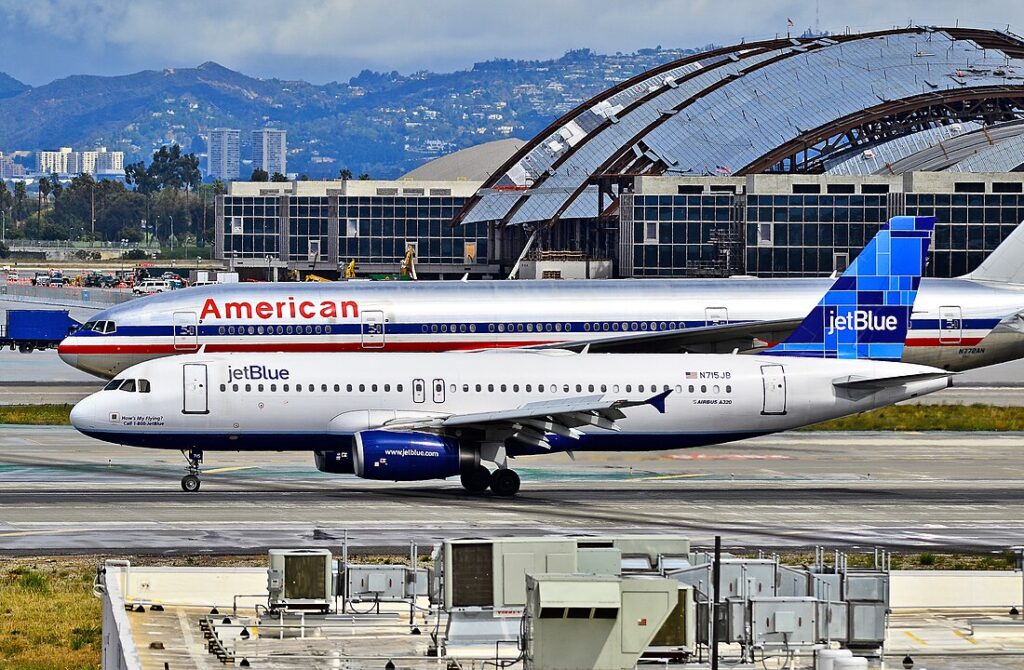
The current conflict reflects issues seen in JetBlue’s previous Northeast Alliance with American Airlines (AA). That partnership was dismantled following a federal court ruling that found it violated antitrust laws.
After the alliance ended, American Airlines filed a $100 million claim against JetBlue over unresolved financial obligations. This legal backdrop continues to influence how partnerships are structured and scrutinized.
The pilots’ union views the Northeast Alliance as a precedent. It argues that similar risks exist in the Blue Sky arrangement, particularly regarding job protections and operational control.
Industry analysts note that JetBlue may limit the scope of the partnership to avoid further regulatory challenges. However, ongoing legal and labor disputes could affect the airline’s ability to expand partnerships effectively.
Stay tuned with us. Further, follow us on social media for the latest updates.
Join us on Telegram Group for the Latest Aviation Updates. Subsequently, follow us on Google News
