

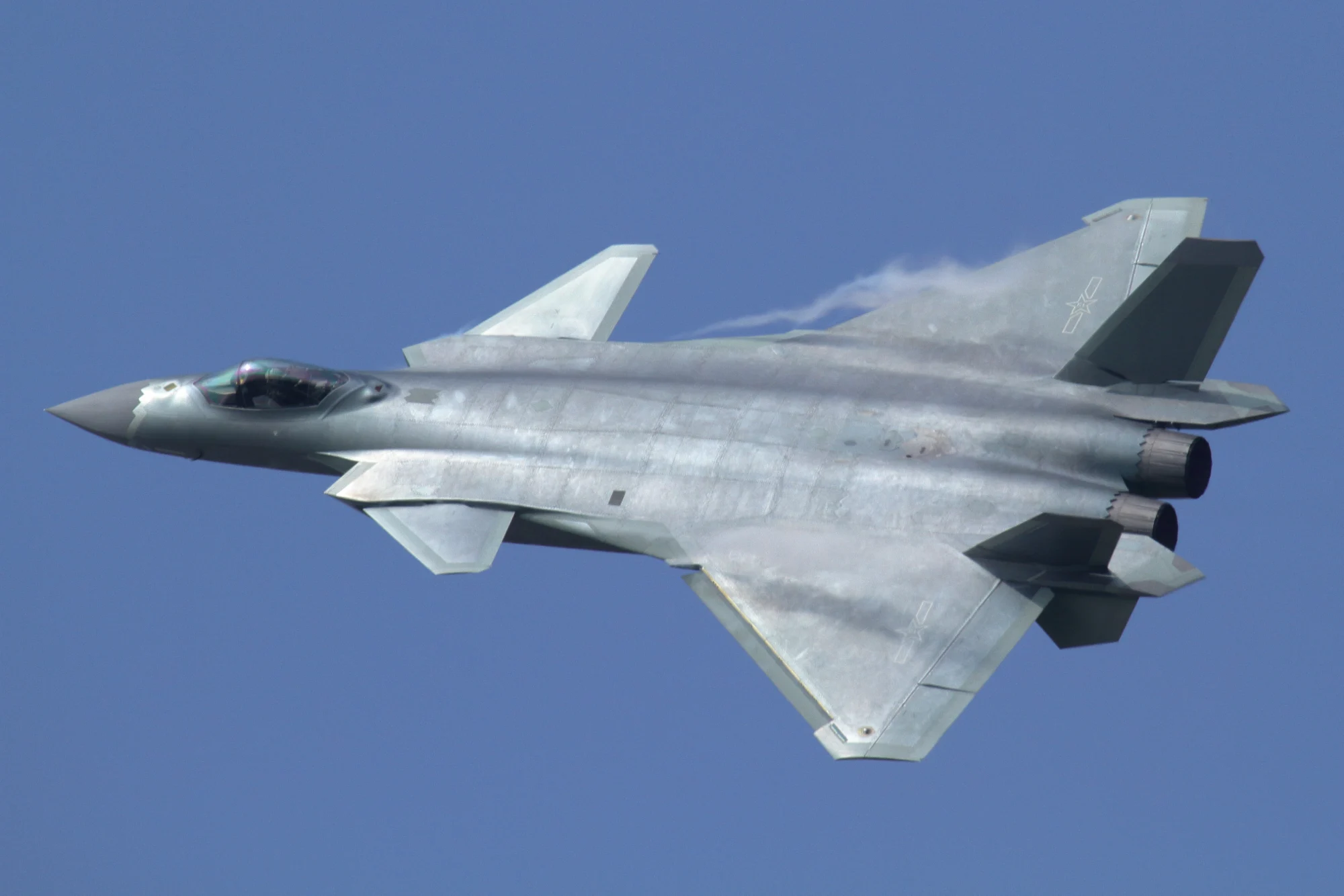
WASHINGTON— The United States intelligence community has assessed that China is not planning to invade Taiwan in 2027, easing immediate concerns over a potential military conflict in East Asia. The assessment was outlined in a newly released global threats report, offering a measured view of Beijing’s intentions toward Taipei.
The report indicates that while China continues to build military capability, its leadership prefers to achieve unification with Taiwan through non-military means. The findings come amid ongoing geopolitical tension and increased military activity in the region, drawing attention from policymakers in Washington and allied nations.
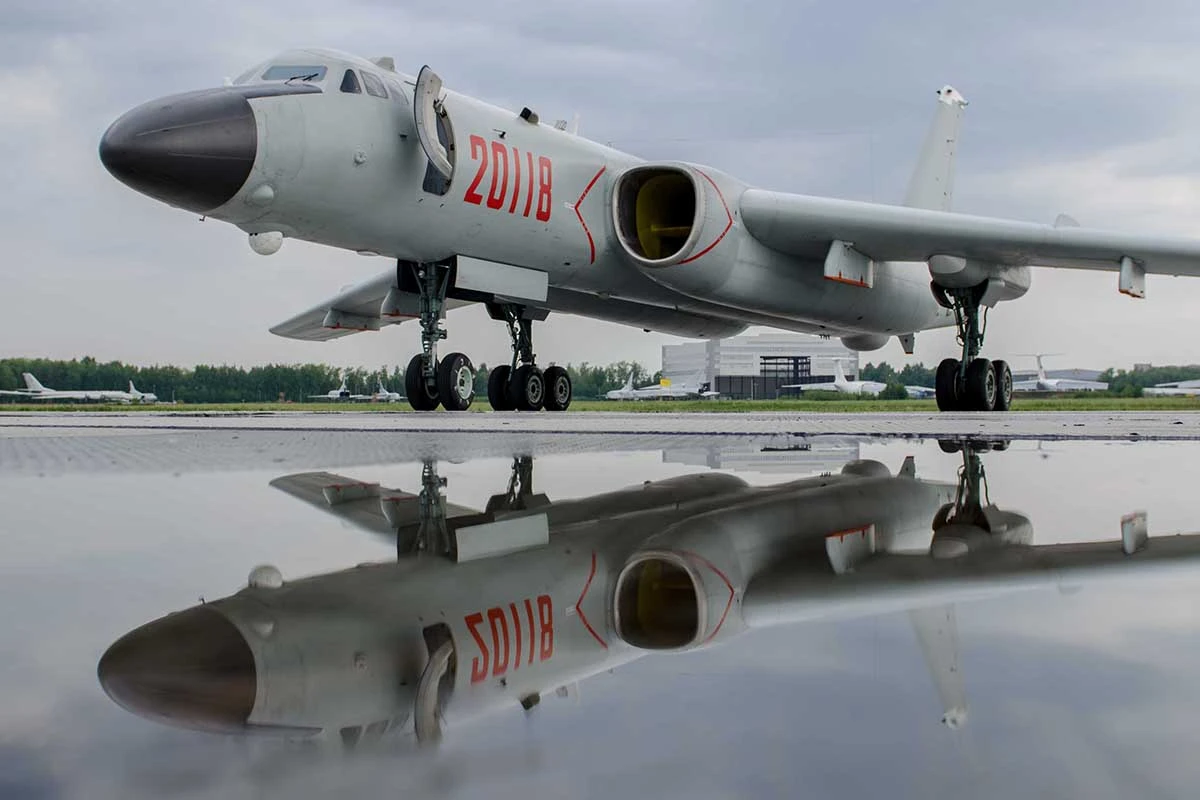
China Taiwan Strategy
U.S. intelligence agencies stated that China seeks to bring Taiwan under its control without using force if possible. This reflects a strategic preference for political and economic pressure over direct military confrontation.
The report clarified that Chinese leaders do not currently have a fixed timeline for unification. It also noted that an invasion in 2027 is not part of any confirmed operational plan.
However, the People’s Liberation Army continues to make gradual progress in developing capabilities that could support a potential future conflict. These advancements remain uneven, suggesting limitations despite ongoing modernization efforts.
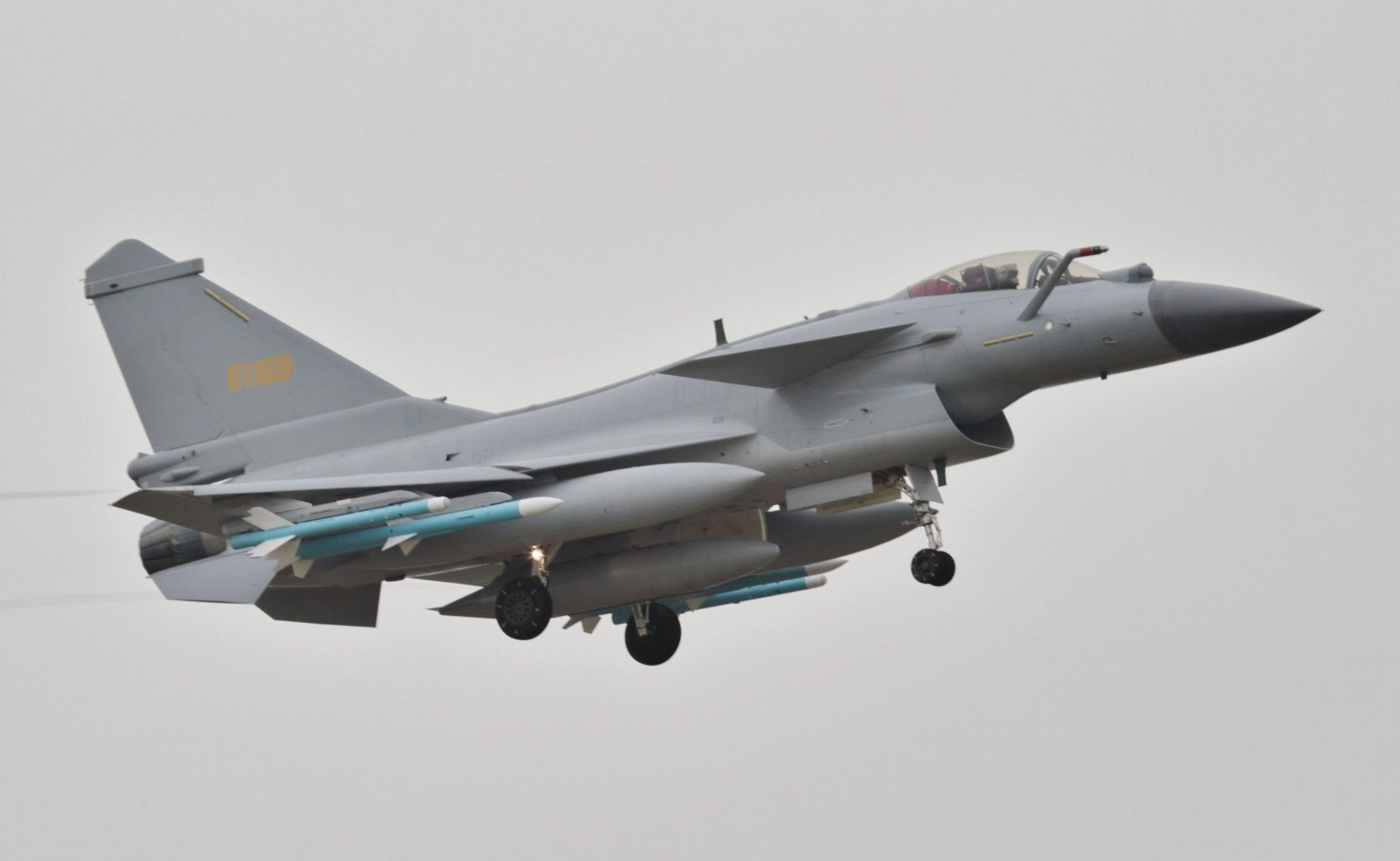
Military Pressure Rising Around Taiwan
China has increased its military drills around Taiwan in recent years, signaling its ability to project power in the region. These exercises serve both as a warning to Taiwan and as a demonstration of force to external actors.
Despite this activity, the U.S. assessment emphasizes that such actions are part of a broader coercive strategy rather than preparation for imminent war. The report describes China’s approach as multidomain pressure, combining military, economic, and diplomatic tools.
According to Defense News, the Pentagon has previously stated that China aims to develop the capability to successfully invade Taiwan by 2027.
This capability-based timeline differs from an actual intent to carry out such an operation.
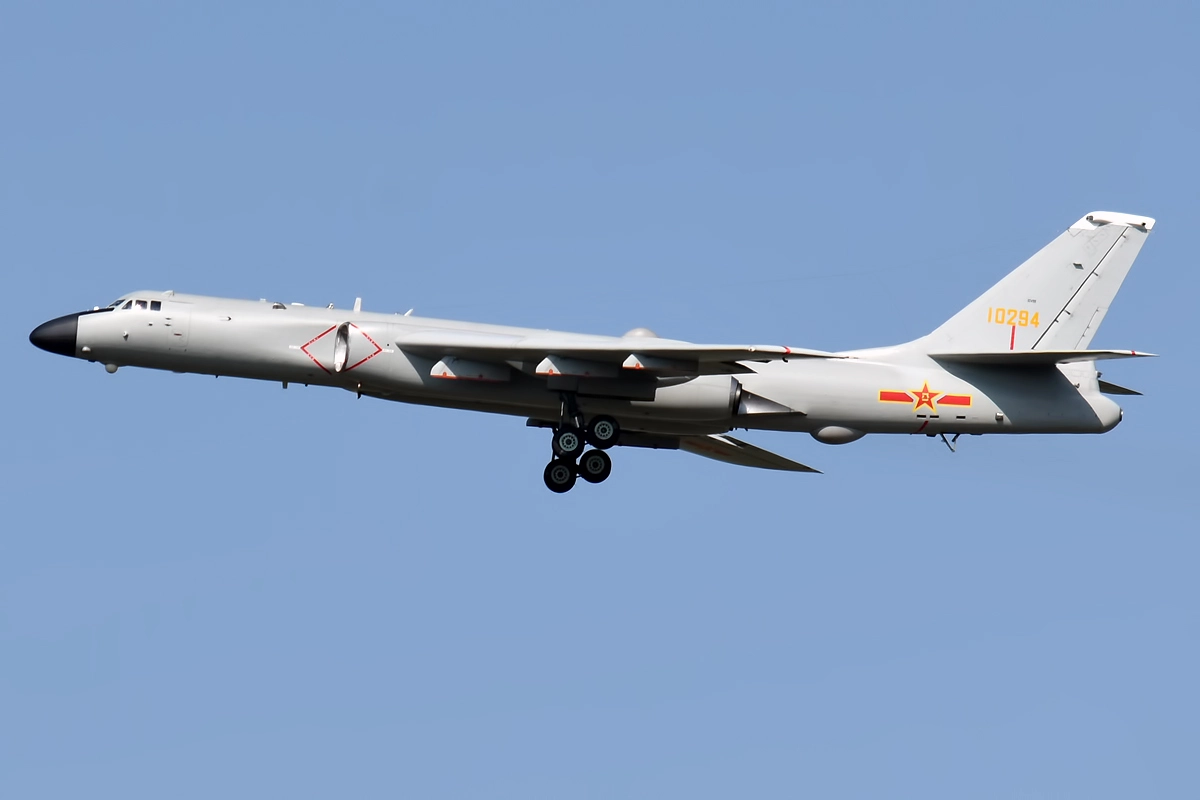
Impact of Regional Tensions
The report also highlights growing concerns among U.S. allies, particularly Japan, about stability in the region. Japanese leadership has taken a more vocal stance on Taiwan, signaling potential involvement in a crisis scenario.
U.S. intelligence noted that China is likely to intensify pressure on countries that openly discuss defending Taiwan. This includes diplomatic pushback and increased military signaling aimed at deterrence.
At the same time, U.S. policy continues to balance deterrence with strategic ambiguity. Recent arms sales to Taiwan underline Washington’s commitment to supporting the island’s defense capabilities.
China maintains that Taiwan is part of its territory and has not ruled out the use of force. Meanwhile, Taiwan continues to reject these claims, asserting its right to determine its own future.
Stay tuned with us. Further, follow us on social media for the latest updates.
Join us on Telegram Group for the Latest Aviation Updates. Subsequently, follow us on Google News
