

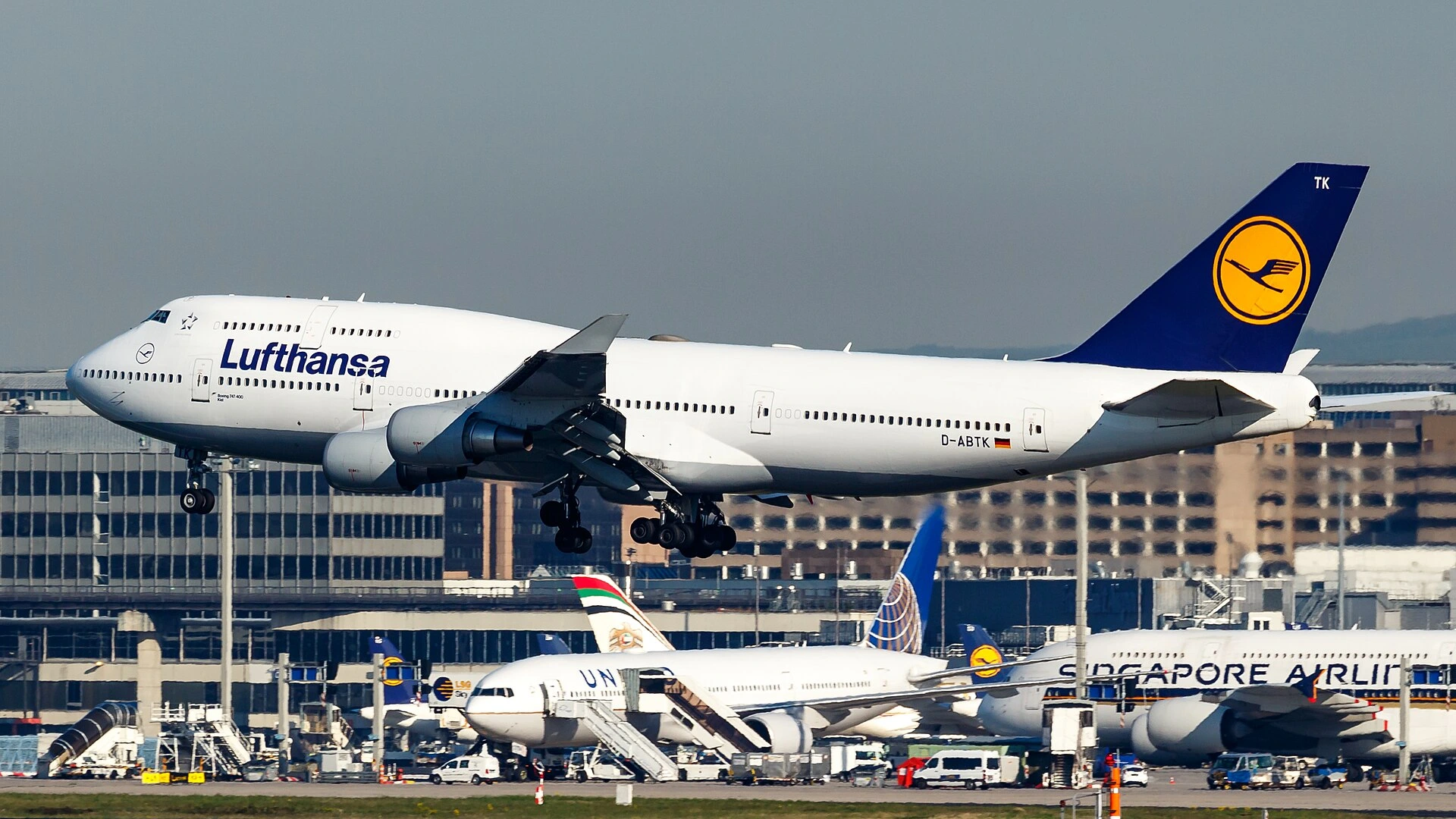
FRANKFURT– Frankfurt Airport (FRA) will open its long-awaited Terminal 3 in April 2026, marking one of Germany’s most significant aviation infrastructure upgrades in decades. The expansion will shift most airlines currently operating from Terminal 2 into a modern facility designed to handle higher passenger volumes and improve overall efficiency.
The transition will directly affect carriers, including Lufthansa (LH) and its Star Alliance partners, as well as multiple non-Star Alliance airlines currently based at Frankfurt Airport. While Lufthansa will remain primarily in Terminal 1, the opening of Terminal 3 will reshape airline distribution across the airport.
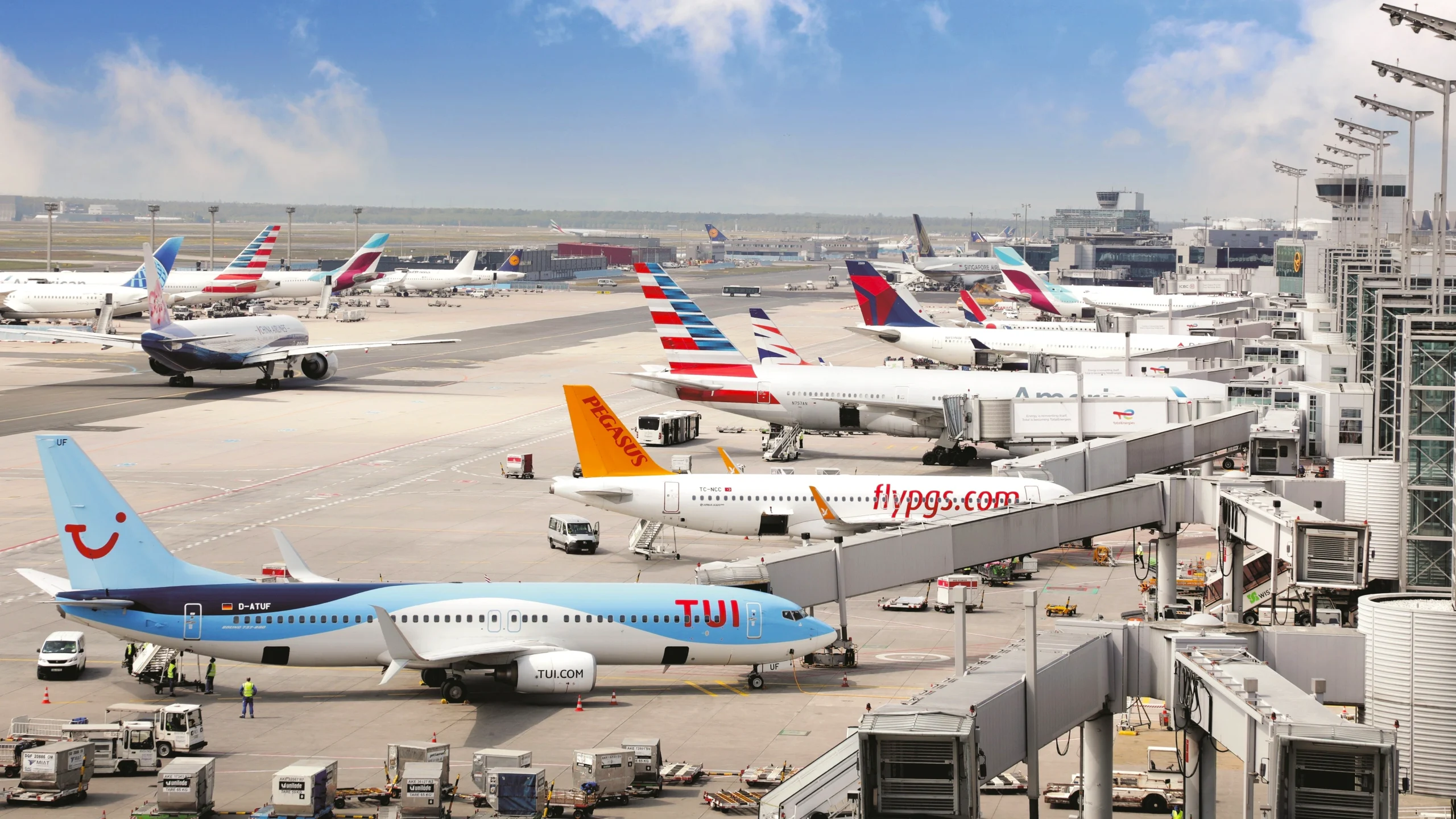
Frankfurt Airport Terminal 3 Opening
Frankfurt Airport will begin transferring airlines from Terminal 2 to Terminal 3 starting April 23, 2026. The transition will occur in four phases and will conclude by June 9, 2026, ensuring operational continuity during the busy summer season.
According to OMAAT, Terminal 3 will offer capacity for approximately 19 million annual passengers. In comparison, Terminal 2 currently handles around 15 million passengers per year, making the new facility a critical expansion for long-term growth.
Airport authorities have positioned Terminal 3 on the opposite side of the airfield from Terminals 1 and 2. A SkyLine people mover will connect all terminals every two minutes, with travel times of up to 10 minutes between facilities.
Once airlines vacate Terminal 2, the airport plans a full redevelopment of that building. Future use of Terminal 2 remains under evaluation, although Lufthansa has expressed interest in potential expansion opportunities there.
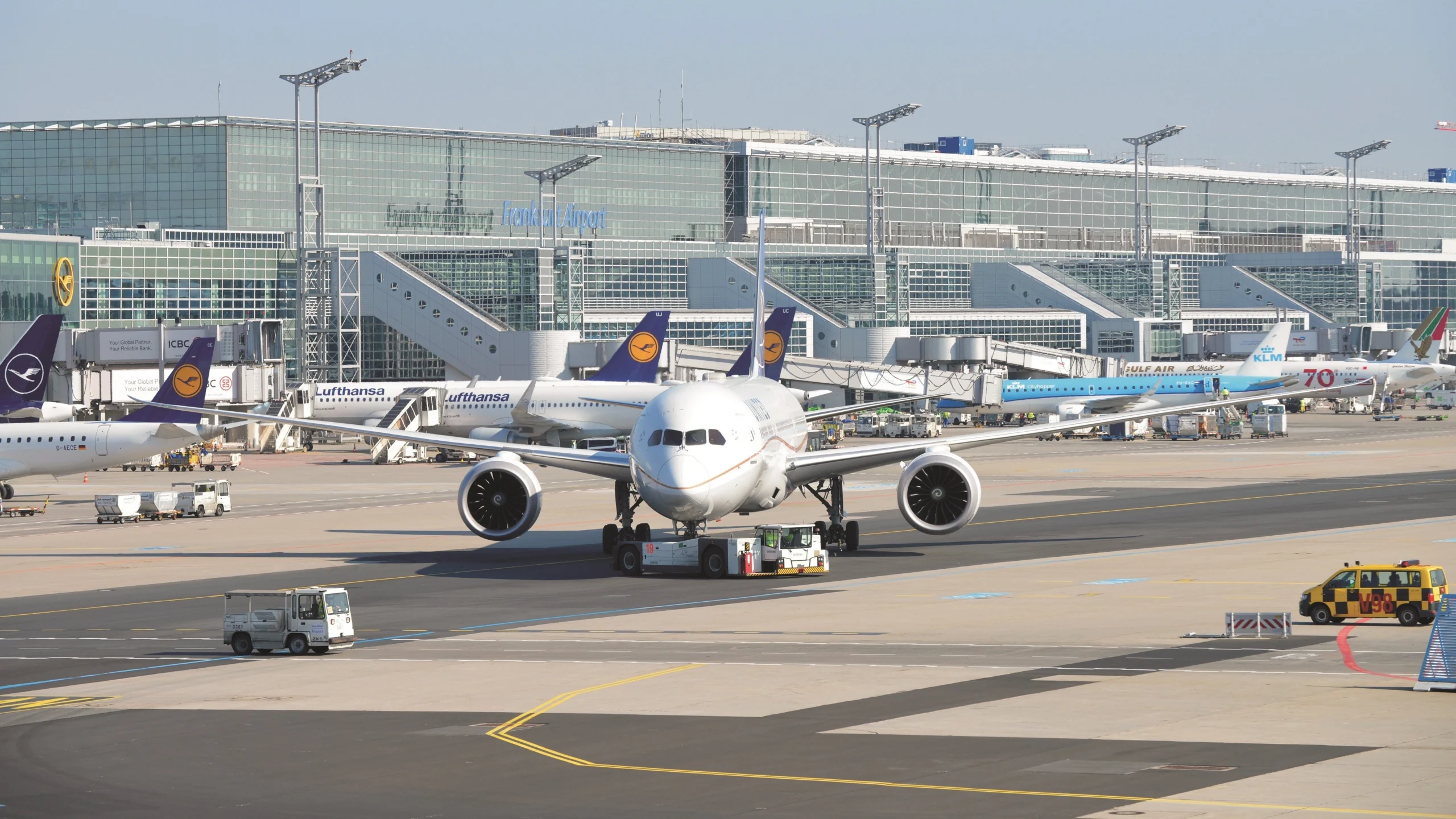
Airline Relocation Plans at FRA
Terminal 1 will continue serving Lufthansa and most Star Alliance members. Terminal 3 will become the new base for airlines currently operating from Terminal 2, including a mix of long-haul and short-haul international carriers.
The reallocation aims to streamline passenger flows and modernize the travel experience. Airport renderings show larger check-in halls, updated baggage systems, and redesigned departure areas intended to improve comfort and reduce congestion.
The move also provides additional flexibility for airline growth. With higher annual capacity and upgraded infrastructure, Terminal 3 strengthens Frankfurt’s position as a major European hub competing with other global gateways.

Lounge Facilities Update
Despite the confirmed opening timeline, limited information has emerged about lounge facilities in Terminal 3. Currently, Terminal 2 hosts lounges from Air France, Emirates, Japan Airlines, and independent operators.
So far, the only confirmed new facility is a SkyTeam Lounge in the non-Schengen area. The lounge will measure approximately 550 square meters and serve eligible passengers flying with alliance members such as Delta Air Lines, Korean Air, and others operating long-haul services.
Questions remain regarding whether Emirates will open a replacement lounge in Terminal 3 and whether additional alliance-branded or contract lounges will follow. Industry observers also expect updates on Priority Pass-affiliated lounges as the transition date approaches.
Terminal 3 represents both a capacity expansion and a modernization effort. While it may not redefine global airport design standards, it signals meaningful progress for Frankfurt Airport as it prepares for sustained passenger growth beyond 2026.
Stay tuned with us. Further, follow us on social media for the latest updates.
Join us on Telegram Group for the Latest Aviation Updates. Subsequently, follow us on Google News
