


In 2026, a second passport is no longer a fringe idea. It’s a strategy. Recent surveys show that nearly half of Americans either already hold a second passport or want one. Meanwhile, an estimated 4.4 million U.S. citizens were living abroad as of 2022 — a figure that has climbed more than 40% since 2010. The motivation isn’t just wanderlust. It’s flexibility.
A second citizenship can expand travel access, create financial diversification, and provide an insurance policy in uncertain times. And according to a new report from International Living, 11 countries stand out in 2026 for offering structured, relatively fast paths to citizenship through investment.
But the landscape has changed. Programs are stricter. Prices are rising. Due diligence is deeper. The days of “cheap passports” are largely over. Here’s what the numbers reported by Forbes actually look like.
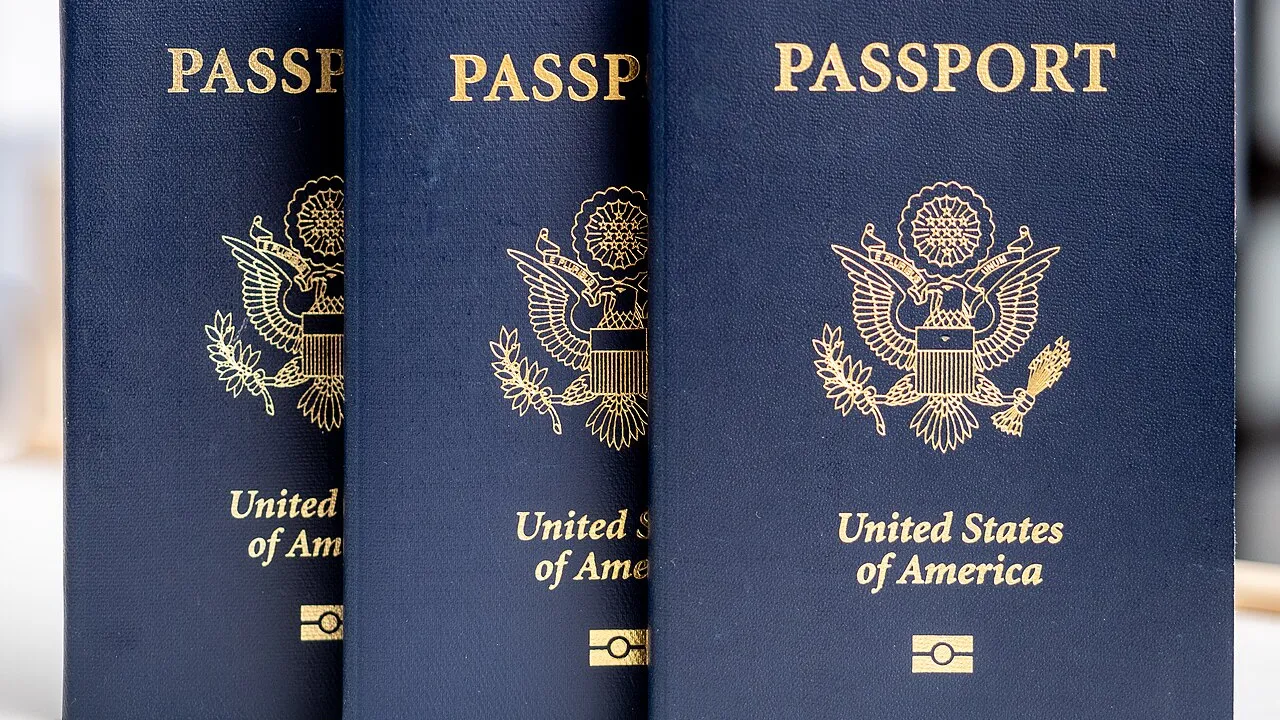
https://commons.wikimedia.org/wiki/File:Three_American_passports.jpg
Modern Citizenship by Investment Began in the Caribbean
The Caribbean remains the epicenter of citizenship-by-investment programs, accounting for the majority of active offerings worldwide.
The pioneer, St. Kitts & Nevis, launched the first modern program in 1984. In 2026, applicants can qualify through a $250,000 government contribution or by investing $325,000 in approved real estate, which must typically be held for seven years.
There is no residency requirement, making the process primarily financial rather than residential.
Antigua & Barbuda offers one of the region’s more flexible models. Citizenship can be secured through a $230,000 donation or $300,000 in real estate, along with a modest physical presence requirement — just five days in the country during the first five years.
In Dominica, the minimum investment begins at $200,000, making it one of the more affordable Caribbean options. There is no residency mandate.
Similarly, Saint Lucia starts at $240,000 via donation or $300,000 in property investment, again without requiring relocation.
One program stands apart strategically: Grenada. Starting at $235,000, Grenadian citizenship uniquely allows holders to apply for the U.S. E-2 investor visa — a feature not available through most other Caribbean programs.
Across the region, pricing now tends to cluster between $200,000 and $325,000, reflecting increased regulatory alignment and shared due diligence standards among Caribbean nations.

https://commons.wikimedia.org/wiki/File:Photomontage_Listenbourg_passport_-_derivative_work.jpg
Europe — Beyond the EU Crackdown
Europe’s citizenship-by-investment market has narrowed significantly after the closure of high-profile programs in Cyprus and Malta. European Union pressure has reshaped the landscape, pushing investors to look toward non-EU countries.
North Macedonia offers citizenship through approved investments starting at approximately €200,000, typically with a three-year holding period.
Although geographically European, it is not an EU member, so citizenship does not grant automatic EU residency rights.
Turkey operates one of the largest global programs. Investors can qualify by purchasing $400,000 in real estate or depositing $500,000 in a Turkish bank or approved investment vehicle, usually held for three years.
Turkey’s scale and geographic positioning between Europe and Asia make it a distinct alternative to smaller island states.
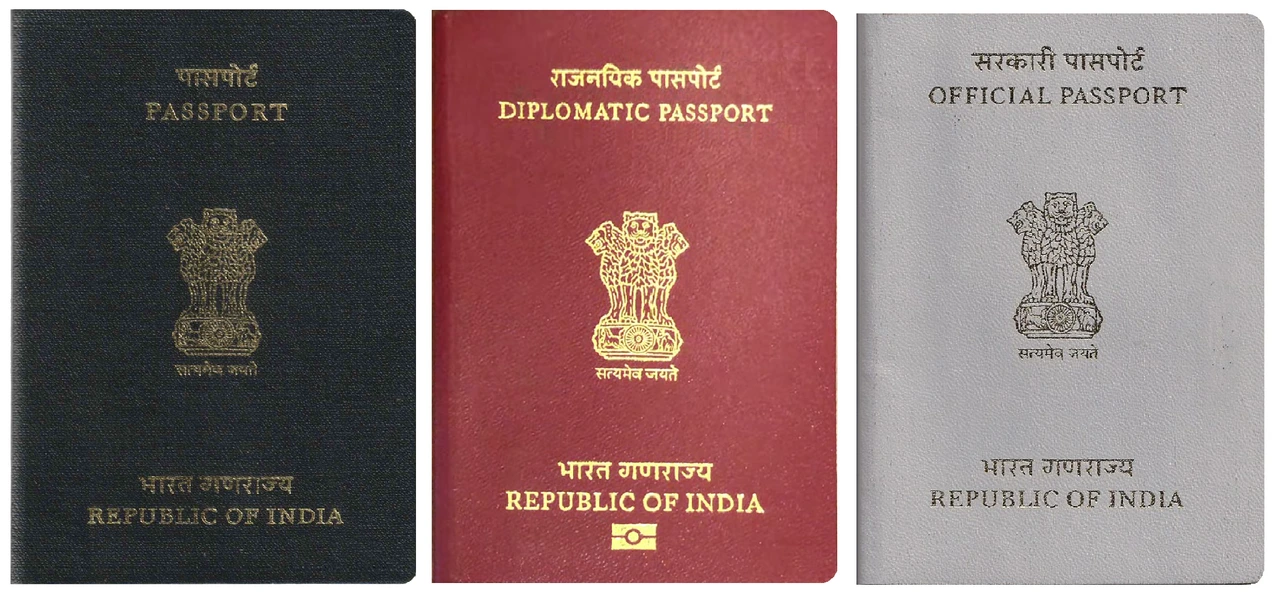
https://commons.wikimedia.org/wiki/File:Indian_Passport_Type.png
Middle East, Africa, and Asia Pacific
Outside Europe and the Caribbean, several countries are positioning citizenship as a capital-attraction tool.
Egypt offers one of the lowest direct donation routes globally, beginning at $100,000. Alternatively, applicants may place $500,000 in a bank deposit held for three years.
At the higher end, Jordan targets ultra-high-net-worth individuals, requiring approximately $1.4 million in qualifying investments.
These programs are newer and continue to evolve, but they signal the geographic expansion of investment-based citizenship.
In Southeast Asia, Cambodia offers citizenship beginning at roughly $245,000 through donation or approved investment channels.
Meanwhile, Vanuatu has gained attention for speed. Qualification starts at approximately $130,000, positioning it among the lowest-cost options globally. However, diplomatic pressure in recent years has affected some of its visa-free travel agreements.
Top 10 Countries+ Bonus
Top 11 Countries for Citizenship by Investment in 2026:
| Country | Region | Minimum Investment | Investment Type | Residency Requirement | Key Distinction |
|---|---|---|---|---|---|
| St. Kitts & Nevis | Caribbean | $250,000 | Donation or $325,000 real estate | None | Oldest CBI program, established 1984 |
| Antigua & Barbuda | Caribbean | $230,000 | Donation or $300,000 real estate | 5 days in 5 years | Flexible terms with minimal physical presence |
| Dominica | Caribbean | $200,000 | Donation or approved real estate | None | Among the most affordable options |
| Grenada | Caribbean | $235,000 | Donation or real estate | None | Eligible for U.S. E-2 investor visa |
| Saint Lucia | Caribbean | $240,000 | Donation or $300,000 real estate | None | No residency requirement |
| North Macedonia | Europe | €200,000 | Approved investment | No standard residency requirement stated | European location, non-EU member |
| Turkey | Europe/Asia | $400,000 | Real estate or $500,000 deposit/investment | Assets held 3 years | No EU residency rights |
| Egypt | Middle East/Africa | $100,000 | Donation or $500,000 deposit | Deposit held 3 years | Low entry cost outside Caribbean |
| Jordan | Middle East | ~$1.4 million | Qualifying investments | Not specified | Targets ultra-high-net-worth individuals |
| Cambodia | Asia | ~$245,000 | Donation or approved investment | Not specified | Asian CBI option |
| Vanuatu | Pacific | ~$130,000 | Donation | None stated | Fast processing but visa scrutiny |

Bottom Line
Citizenship by investment can provide visa-free mobility, financial diversification, and long-term optionality. But it does not eliminate U.S. tax obligations, nor does it automatically guarantee residency rights in major economic blocs like the European Union.
What it does offer is leverage.
For many applicants, the goal isn’t relocation. It’s flexibility. In a world shaped by geopolitical volatility, shifting regulations, and economic uncertainty, optionality itself has become an asset class.
And in 2026, that asset comes with a clearly defined price tag — typically ranging from $100,000 to over $1 million, depending on the country and the structure.
The question is no longer whether second citizenship exists.
It’s whether having a backup plan is worth the investment.
Stay tuned with us. Further, follow us on social media for the latest updates.
Join us on Telegram Group for the Latest Aviation Updates. Subsequently, follow us on Google News
