

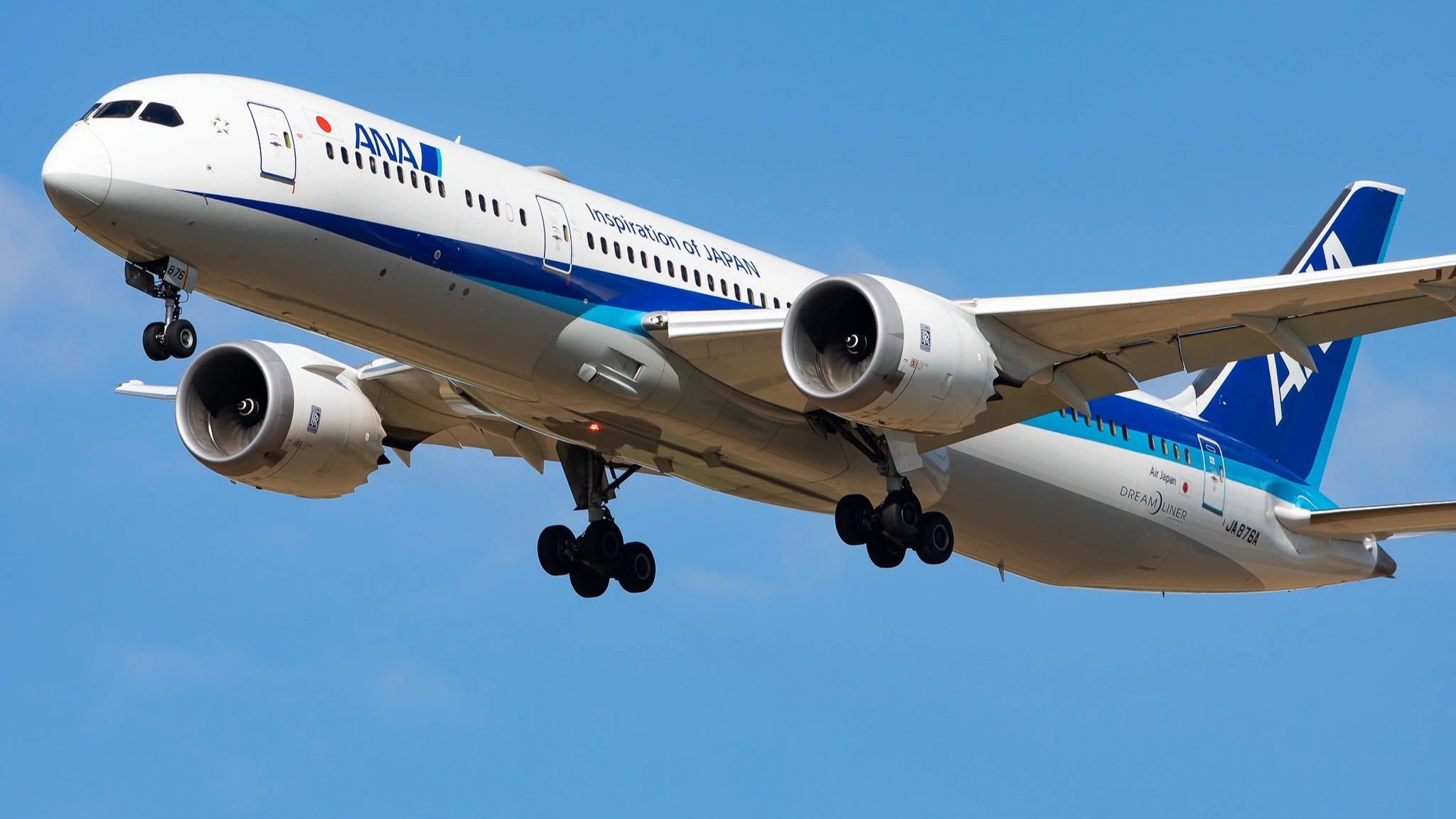
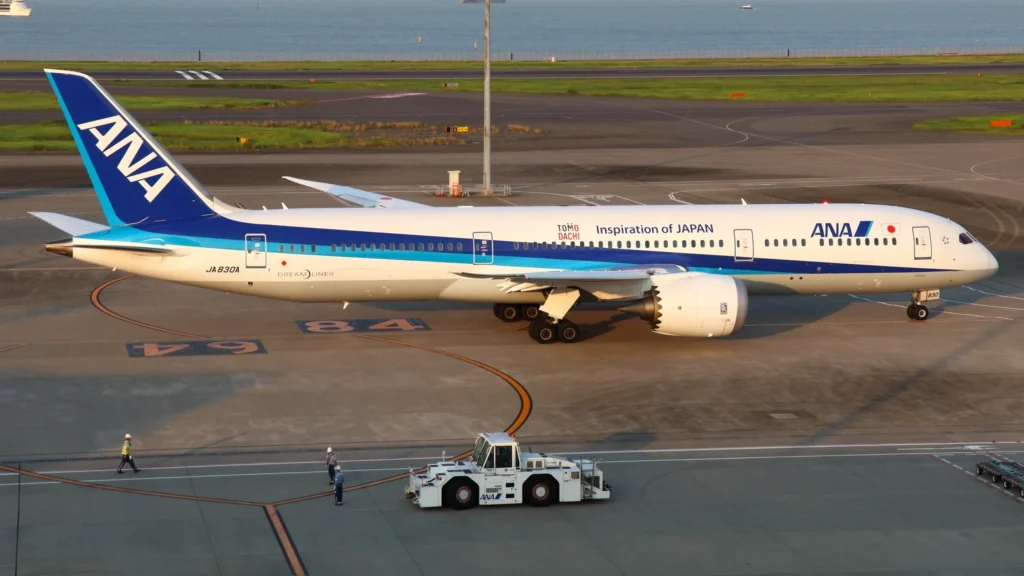
TOKYO- Passengers aboard an ANA (NH) service bound for Germany unexpectedly returned to Japan after a mid-flight technical indication forced a precautionary turnaround.
The aircraft, originally scheduled to reach Frankfurt (FRA), completed nearly 14 hours in the air before landing back at departure due to maintenance concerns.
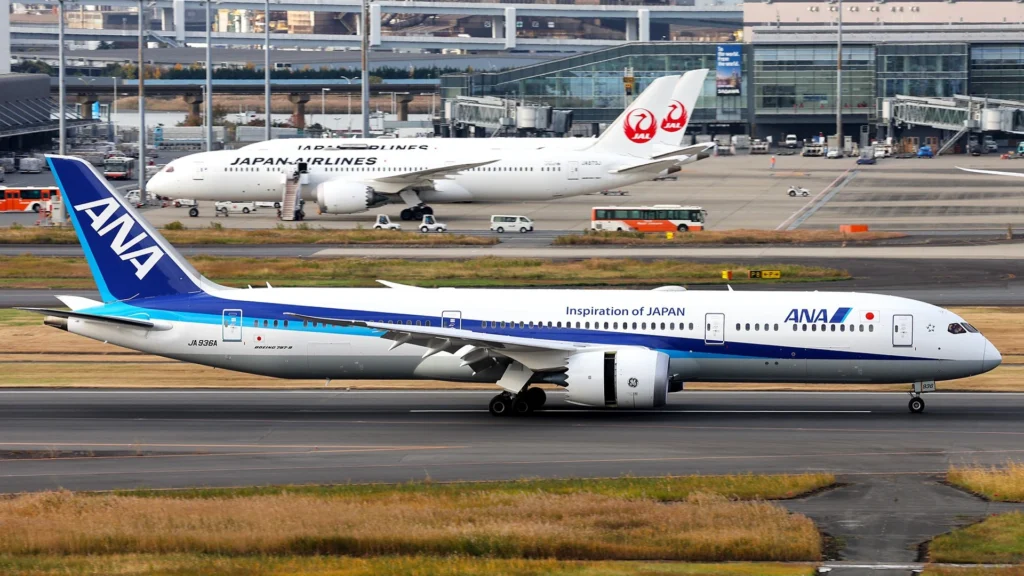
ANA Flight U-Turns After 14 Hours
ANA flight NH223 departed Tokyo Haneda (HND) on February 17 at approximately 10:55 AM, operating a Boeing 787-9 Dreamliner toward Frankfurt. The journey normally takes just under 14 hours.
Since 2022, ANA has avoided Russian airspace, routing flights north across Alaska and Greenland. This path allows efficient long-haul operations while respecting geopolitical restrictions.
About six hours into the journey, while cruising above the Arctic region near Alaska, cockpit instruments indicated low oil pressure in one engine. The condition did not require an emergency diversion, but continued operation without inspection posed operational risk.
Pilots followed standard procedure and consulted airline operations. After troubleshooting, the safest solution was to return the aircraft to Tokyo, where ANA has full maintenance and engineering support.
According to PYOK, this decision ensured faster aircraft recovery and minimized the risk of the aircraft being stranded at an airport without proper technical support.
ALSO READ: ANA and Boeing 787 Engine Issues, the Never-Ending Story
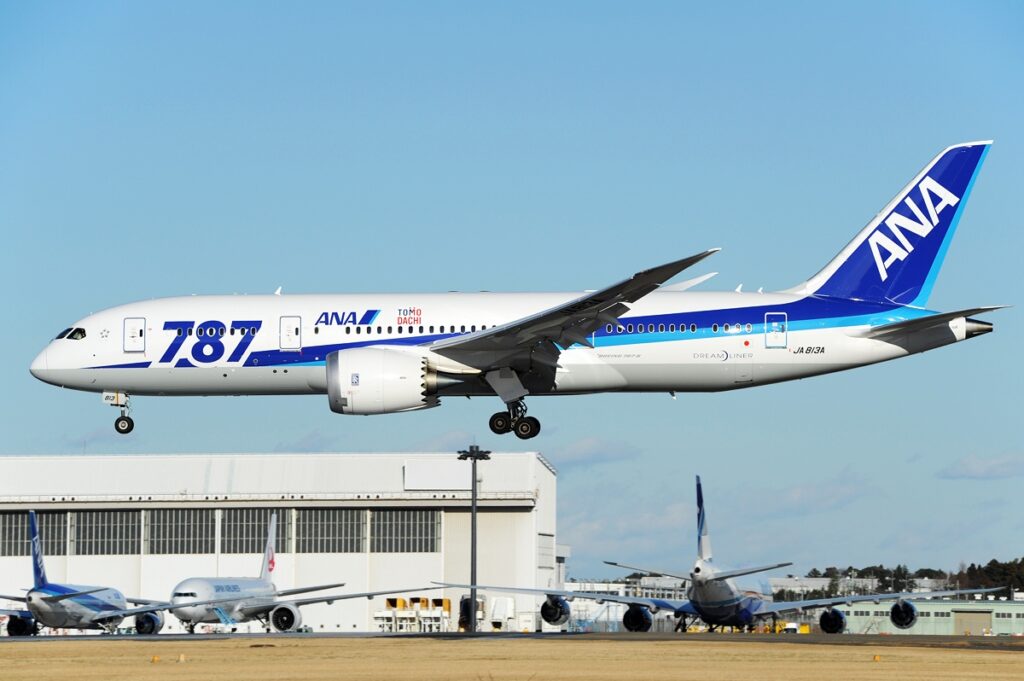
Why Airlines Prefer Returning to Base
When technical indications occur mid-route, airlines must balance passenger convenience and operational practicality.
A diversion to another airport can create major logistical issues:
- Specialized engineers may not be available.
- Spare parts may be unavailable.
- Replacement aircraft options become limited.
- Passenger rebooking becomes complex.
Returning to a major hub allows immediate maintenance inspection and easier passenger reaccommodation on alternative flights.
Although inconvenient for passengers, this approach often reduces overall disruption.
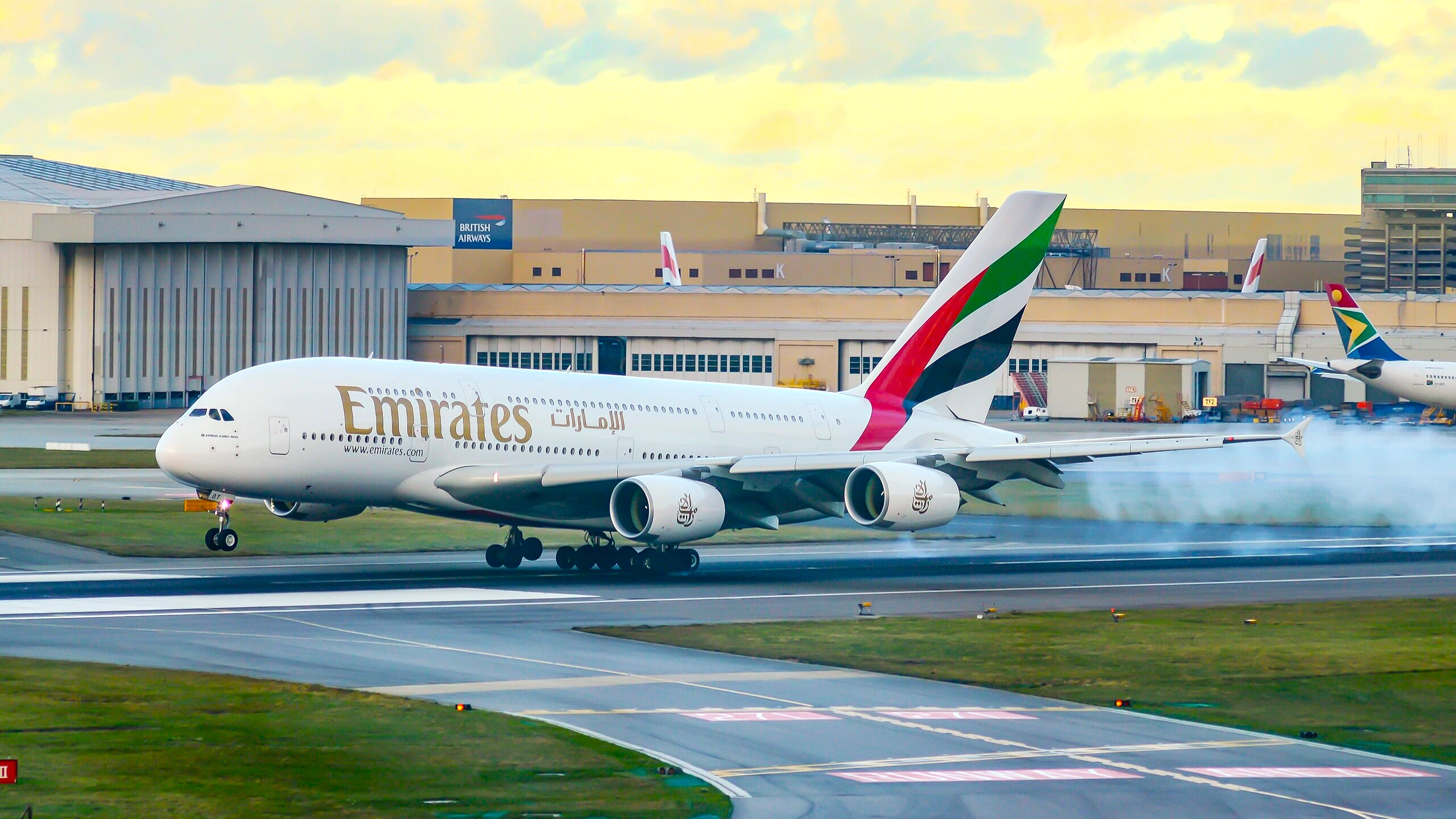
Similar Incidents Flagged by PYOK
At nearly 14 hours airborne, NH223 joins a short list of long-haul flights forced to return to their origin. Other notable examples include:
Air New Zealand Auckland to New York (2023)
Flight NZ2 returned to Auckland after power issues shut down JFK Terminal 1, resulting in a 16-hour journey to nowhere.
Emirates Dubai to Auckland (2023)
Flight EK448 turned back mid-route after severe flooding affected Auckland Airport operations, leading to a 14-hour return flight.
British Airways London to Hong Kong (2024)
Flight BA31 returned to London after a technical issue over Central Asia caused an 11-hour round-trip flight.
Such events remain rare but highlight how operational, weather, or technical issues can affect ultra-long-haul services.
Operational Impact on Passengers
Passengers aboard NH223 endured an extended journey only to return to their starting point. However, safety protocols and engineering requirements leave limited alternatives in such situations.
ANA later arranged alternative travel for affected passengers while maintenance teams inspected the aircraft in Tokyo.
Events like these underline the operational complexity of modern long-haul aviation, where route planning, maintenance capability, and passenger logistics intersect.
Stay tuned with us. Further, follow us on social media for the latest updates.
Join us on Telegram Group for the Latest Aviation Updates. Subsequently, follow us on Google News
