

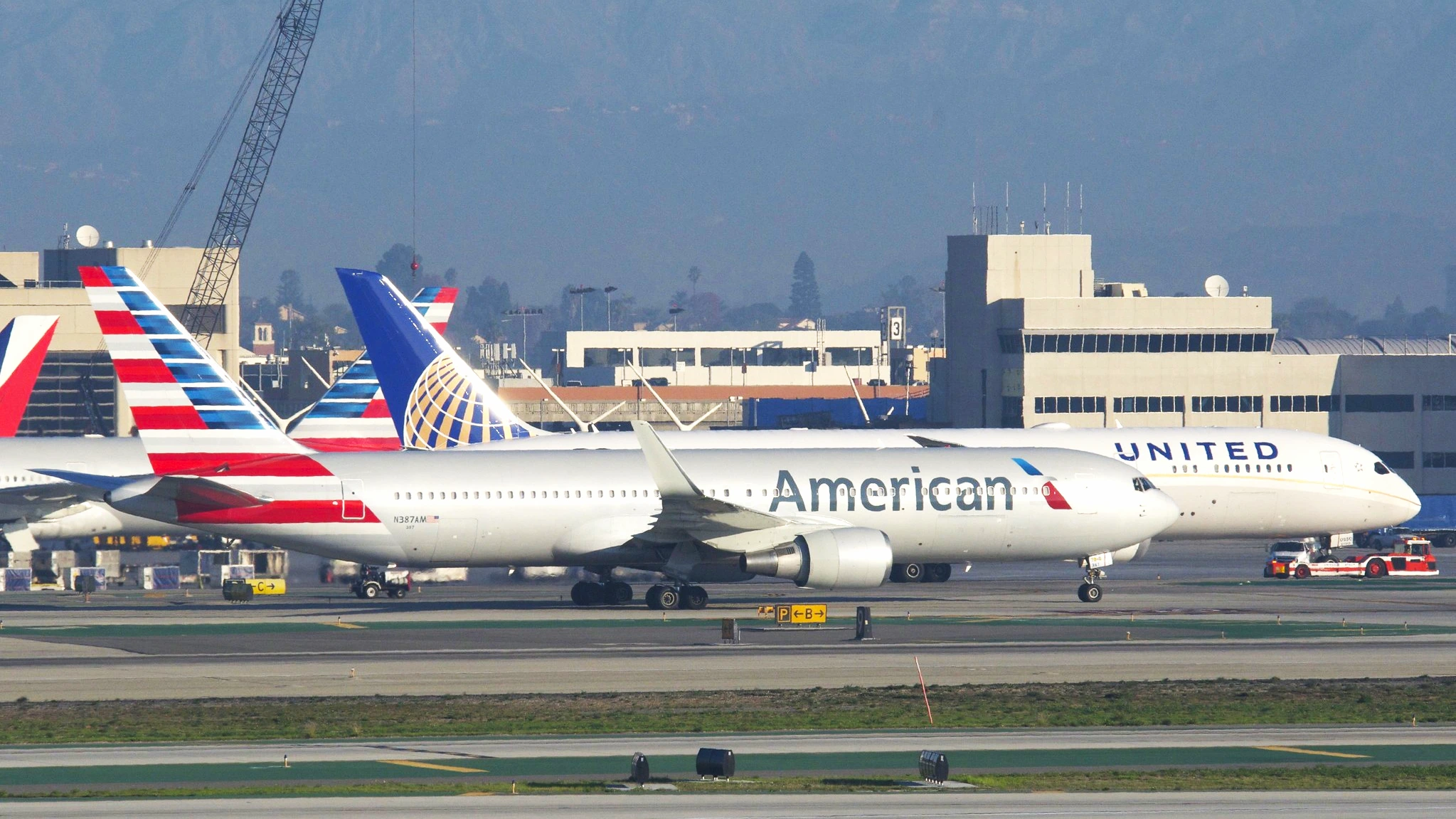
CHICAGO– The Federal Aviation Administration (FAA) will require schedule reductions at Chicago O’Hare International Airport (ORD) for the Summer 2026 season, escalating a capacity battle between American Airlines (AA) and United Airlines (UA). The move follows a sharp rise in planned operations that regulators say exceeds the airport’s manageable limits.
American Airlines and United Airlines have expanded aggressively at Chicago O’Hare, pushing peak-day schedules to nearly 3,080 combined takeoffs and landings. The FAA now plans to cap operations at around 2,800 per peak day, citing congestion and operational reliability concerns.
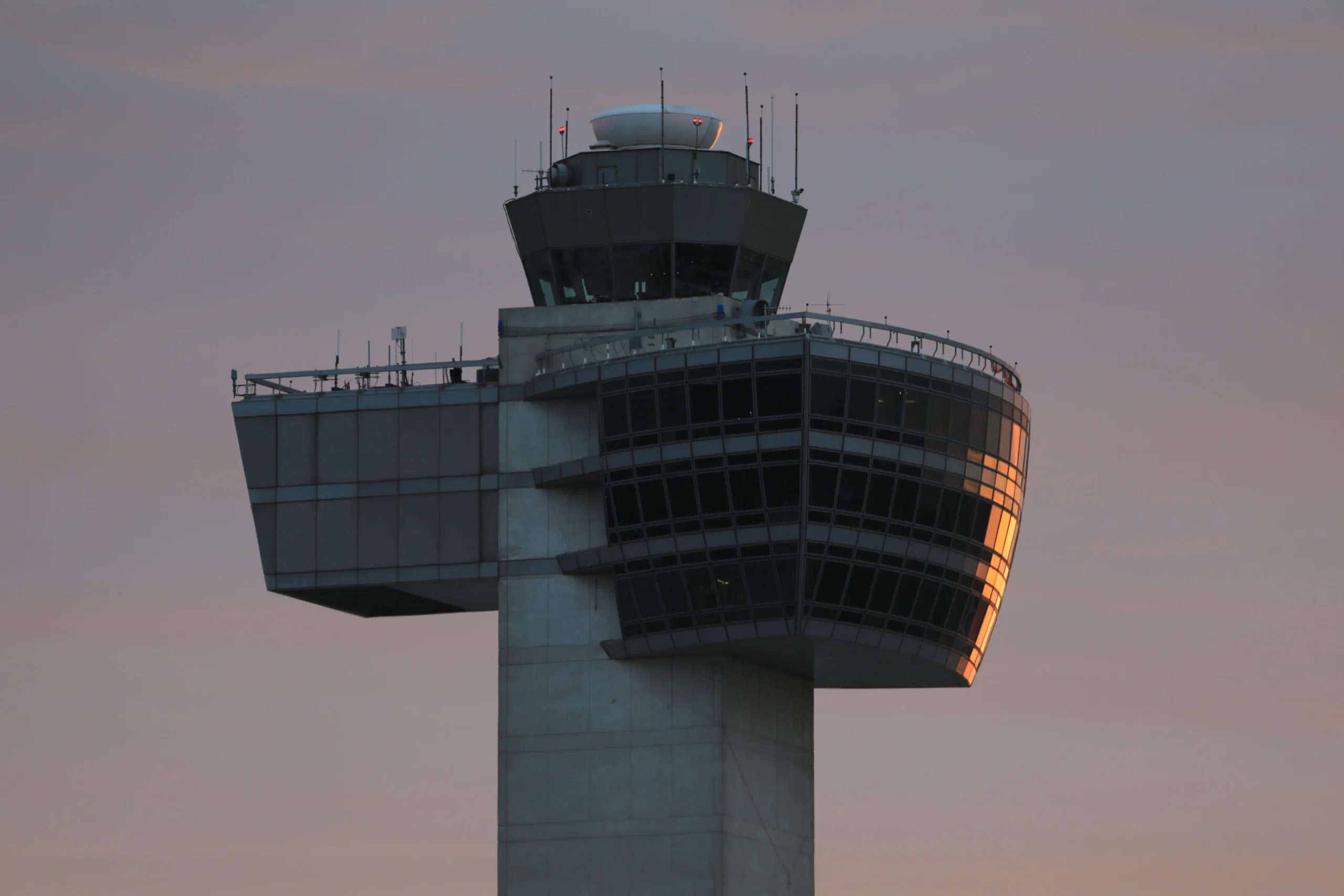
FAA Caps Chicago Flights
The FAA will initiate a formal scheduling reduction process before issuing an operating limits order covering March 29 through October 25, 2026. The action falls under its delay reduction authority and applies only to US carriers, leaving foreign airline schedules unaffected.
Regulators will first publish a 30-minute demand profile for operations between 6 a.m. and midnight. They will identify severely congested periods and set reduction targets for each affected window.
The agency will then conduct confidential meetings with individual airlines to negotiate voluntary schedule adjustments. After reviewing proposals, the FAA will finalize carrier-specific limits in an official order.
The review comes as airlines have scheduled roughly 3,080 peak daily operations for Summer 2026, compared to 2,680 last summer.
Officials believe 2,800 daily movements represent a sustainable ceiling, implying cuts of about 280 operations per peak day, or roughly 9 percent of current plans, reported View From the Wing.
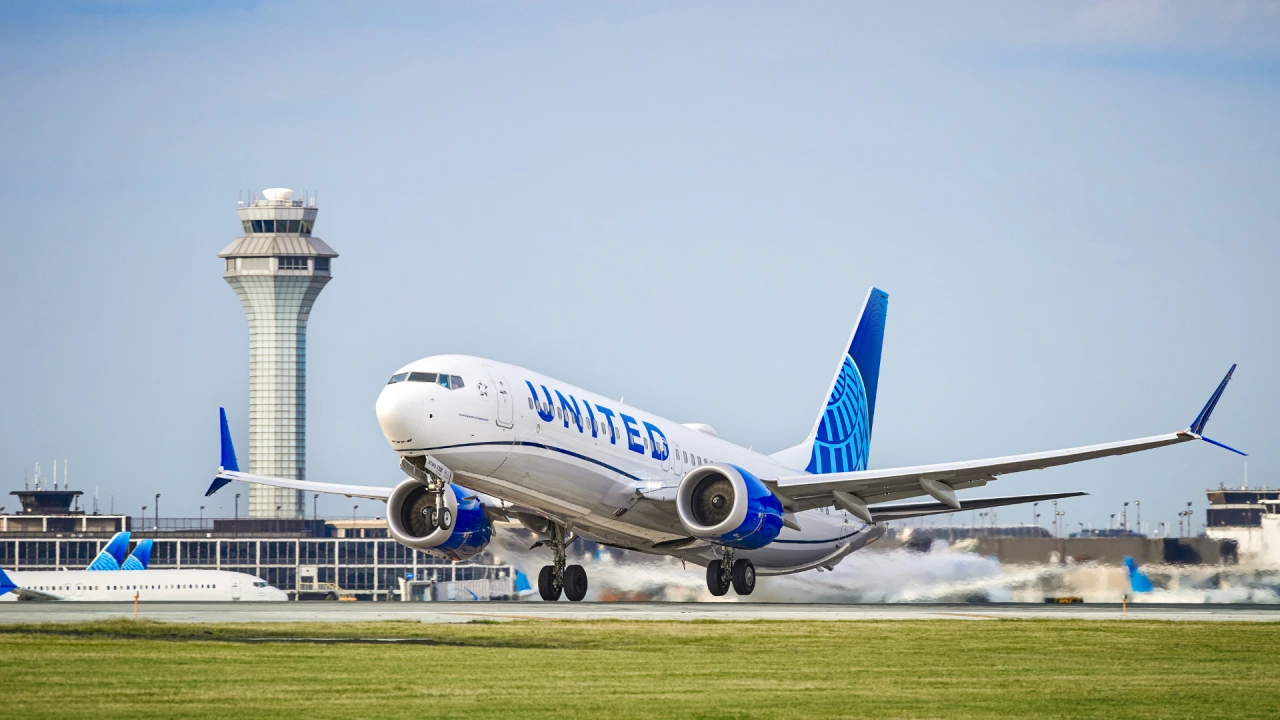
United Expansion Strategy
United has announced its largest-ever summer schedule in Chicago. The carrier plans to serve 222 destinations, including 175 domestic and 47 international routes, with up to 750 daily departures.
That figure represents roughly 25 percent more flying than in 2019, before the pandemic. The scale of growth has positioned United as the primary driver of the airport’s capacity surge.
Since fall, United has introduced service to 21 additional destinations. Seventeen of those routes rely on regional jets, while four will operate with Boeing 737 aircraft, making some of the new frequencies more flexible targets for reduction.
Because each takeoff and landing counts equally toward airport limits, high-frequency short-haul regional services may face closer scrutiny. Adjustments are unlikely to be uniform across the network and will instead focus on the most congested half-hour periods.
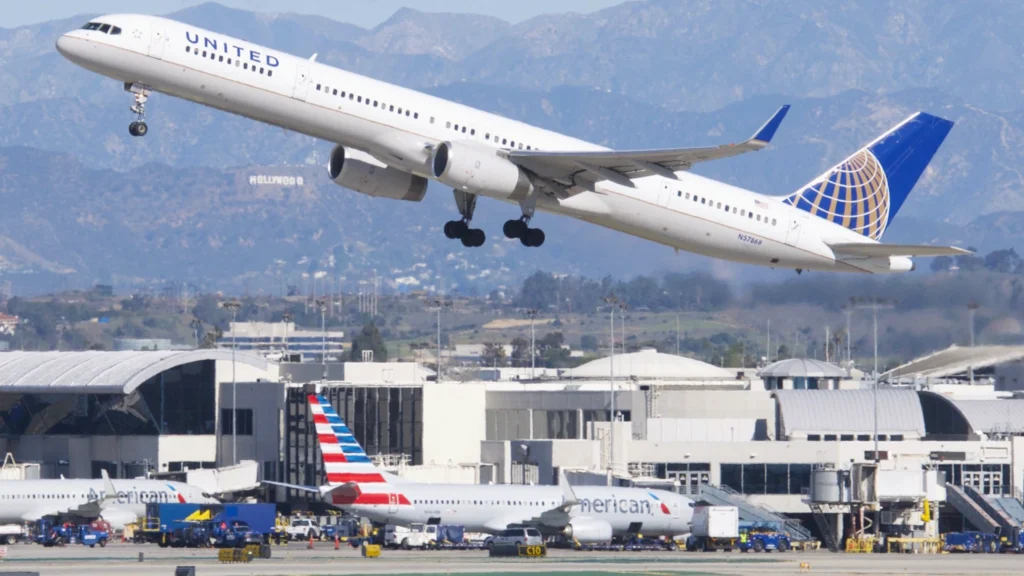
American Competitive Position
American is targeting service to more than 180 destinations from Chicago, reaching approximately 183 markets. The airline operates just over 500 daily flights, placing it near pre-pandemic levels rather than significantly above them.
Earlier, American lost several gates at O’Hare after failing to restore capacity as quickly as lease terms required. To secure its footprint, the airline also acquired additional gate assets from Spirit Airlines.
American publicly welcomed the FAA’s intervention, stating that the process will support operational integrity and improve the passenger experience. The airline expects that proportionally larger reductions could fall on United due to its faster growth rate.
The broader impact may extend to fares and profitability. A surge in departing seats has increased competitive pressure, and mandated cuts could reshape market dynamics during the critical summer travel season.
The FAA’s scheduling meetings begin March 3 with opening remarks, followed by formal discussions on March 4. The outcome will define how two major carriers balance growth ambitions with infrastructure limits at one of the nation’s busiest hubs.
Stay tuned with us. Further, follow us on social media for the latest updates.
Join us on Telegram Group for the Latest Aviation Updates. Subsequently, follow us on Google News
