

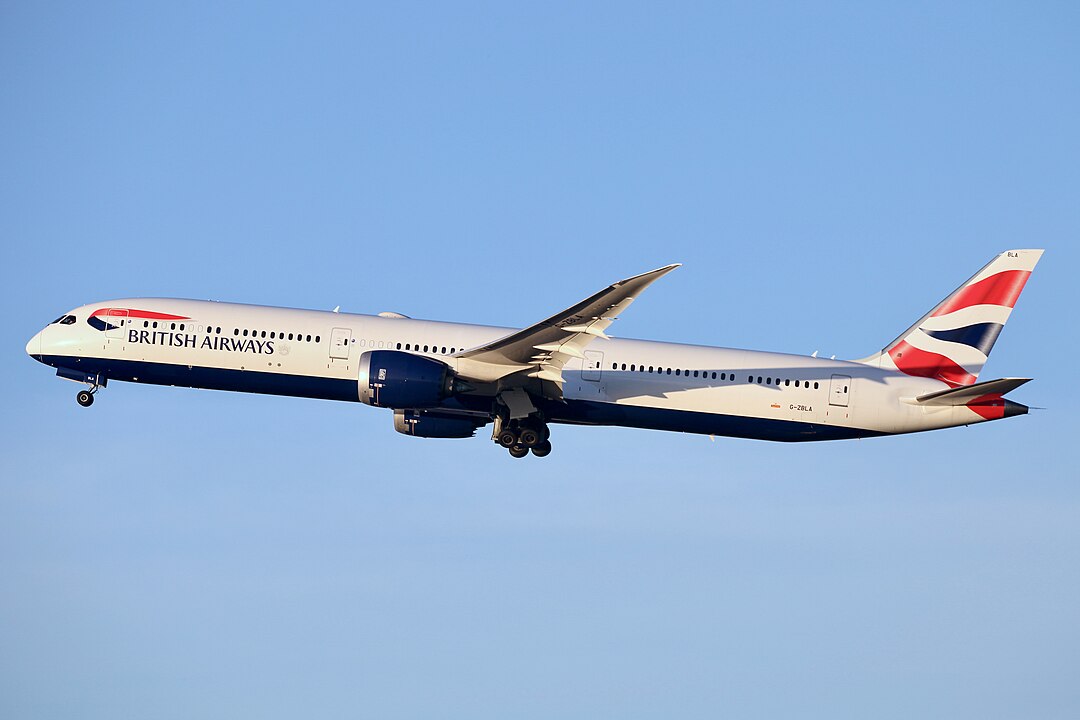
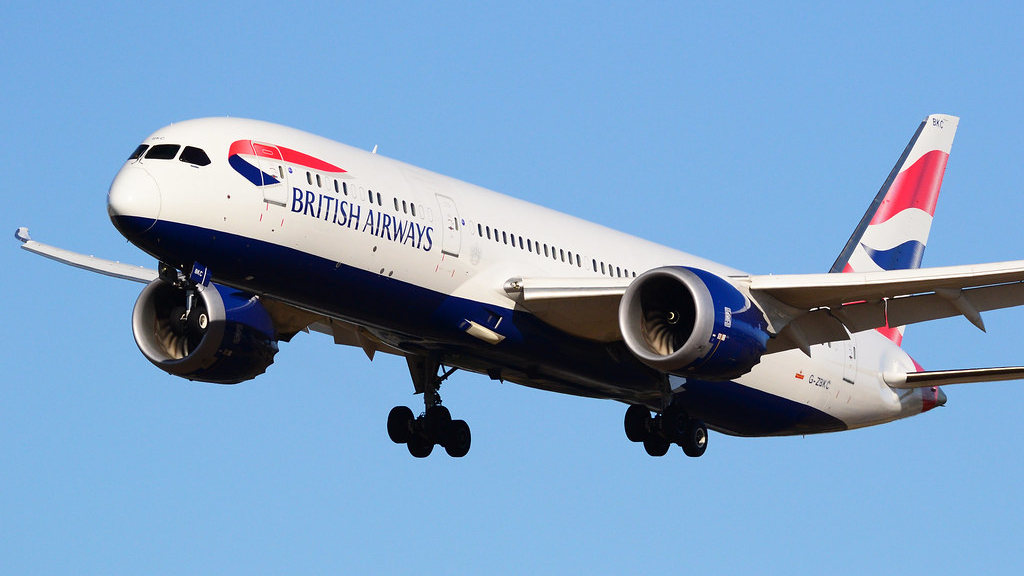
LONDON- British Airways (BA) has confirmed that London Gatwick Airport (LGW) will receive new Boeing 787-10 aircraft from 2029, replacing its aging Boeing 777-200ER fleet. The move marks a major fleet renewal for the airline’s leisure focused long haul network.
The factory fresh Dreamliners will introduce Club Suite business class, dedicated crew rest bunks, and modern cabin technology, bringing Gatwick closer to the product standards offered at Heathrow.
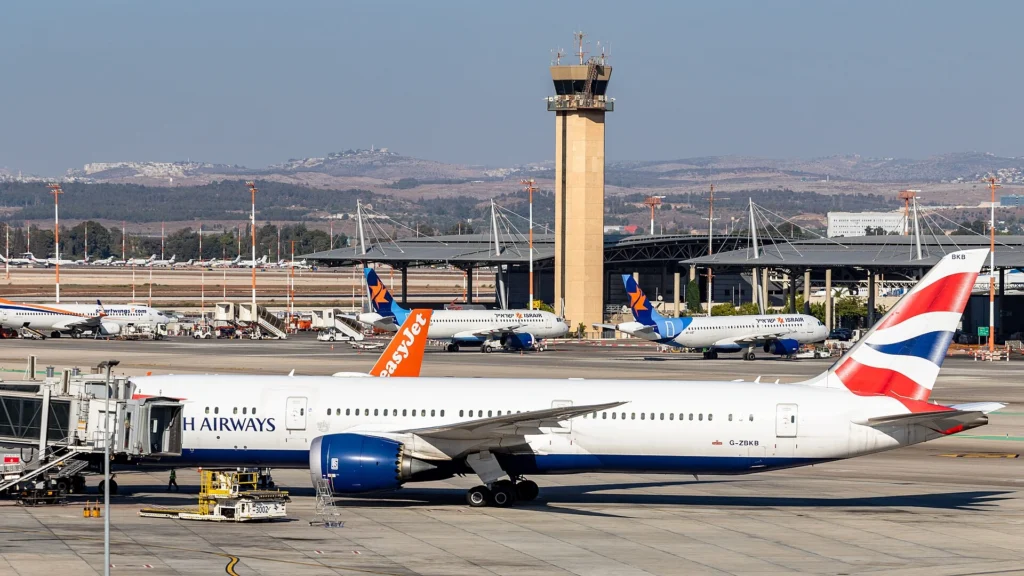
British Airways New 787-10 Gatwick Fleet
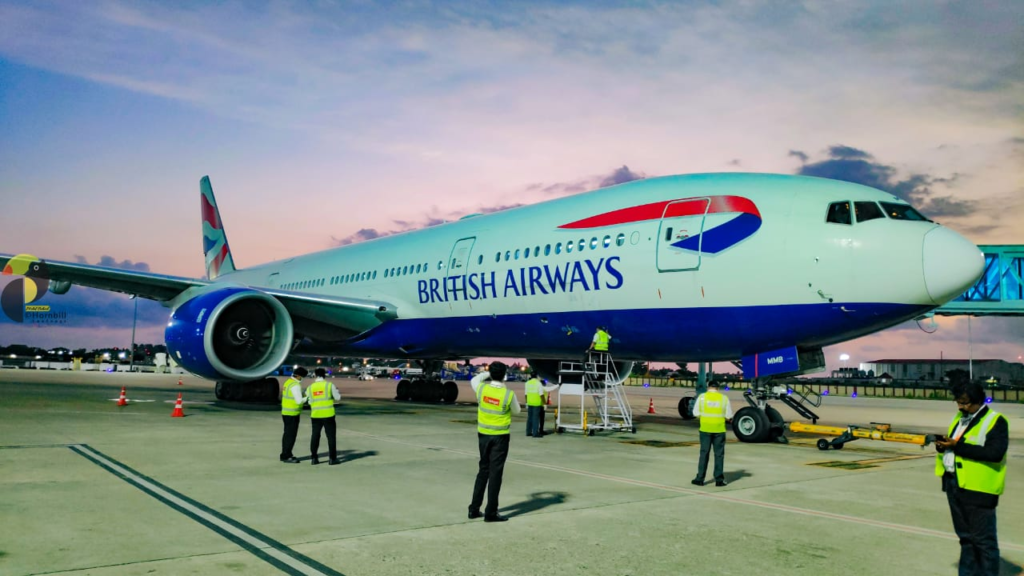
British Airways currently operates 12 Boeing 777-200ER aircraft from Gatwick, mainly serving long haul leisure routes to the Caribbean and Florida.
These aircraft have an average age exceeding 25 years, approaching the typical 30 year service life for widebody jets.
Before the pandemic, the Gatwick 777 fleet underwent refurbishment. The Club World cabin was reduced in size while retaining the older yin yang seat design.
World Traveller economy was densified from nine abreast to the industry standard ten abreast. Despite these updates, British Airways confirmed it would not retrofit Gatwick aircraft with the newer Club Suite due to the aircraft age profile.
Historically, Gatwick has received aircraft cascaded from Heathrow. Heathrow generates higher yields and faces stronger premium competition, which justified allocation of newer aircraft to that hub.
Gatwick’s lower profitability reduced the business case for new widebody investment. However, Heathrow’s supply of older aircraft suitable for transfer is declining, accelerating the need for direct replacement at Gatwick.
As part of International Airlines Group’s 2025 full-year results presentation, Chief Executive Sean Doyle confirmed that the airline will receive the first aircraft from its follow-on Boeing 787-10 order in 2029, beginning the replacement of the 777-200 fleet at Gatwick.
According to Head for Points, this decision signals a structural shift in how Gatwick fits within the airline’s long haul strategy.
British Airways has 62 new widebody aircraft due by the mid 2030s, including 24 Boeing 777-9, 32 additional Boeing 787-10, and 6 Airbus A350-1000 aircraft. The 787-10 is becoming a central platform within the airline’s long haul fleet.
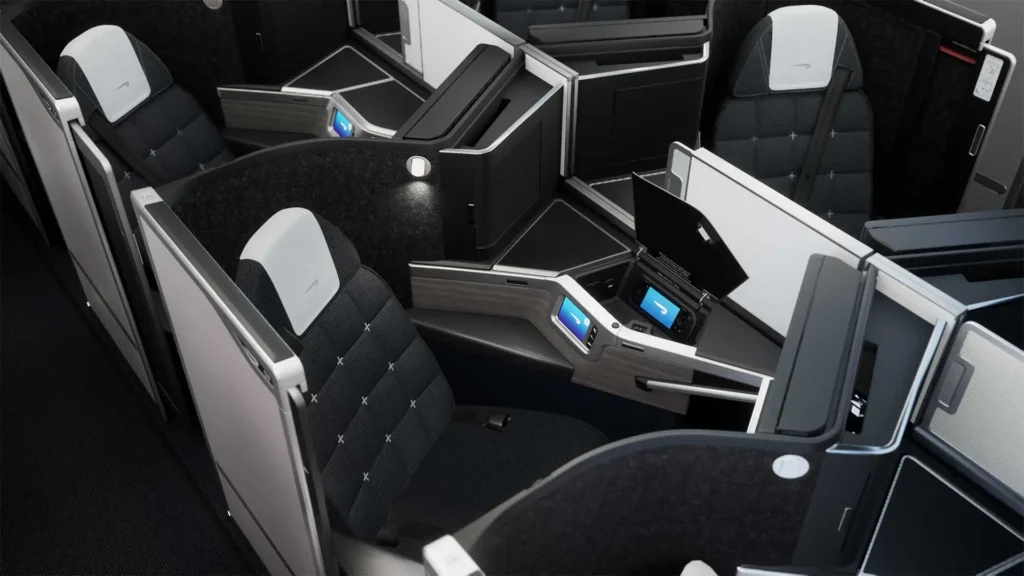
Introduction of Club Suite at Gatwick
The incoming Boeing 787-10 aircraft will feature the airline’s Club Suite business class with sliding privacy doors and direct aisle access for every passenger.
This marks the first time Gatwick will receive the airline’s latest generation long haul business class product.
By 2029, Club Suite will be nearly 10 years old. The manufacturer already offers an enhanced version of the seat to other airlines with upgraded in flight entertainment screens, Bluetooth connectivity, and improved charging systems. Gatwick aircraft may incorporate updated hardware reflecting these improvements.
First Class is unlikely to operate from Gatwick. The Heathrow based 787-10 fleet includes eight First seats, 48 Club Suite seats, 35 World Traveller Plus seats, and 165 World Traveller seats. Premium cabins account for roughly 35 percent of seating capacity.
The current Gatwick 777-200ER configuration includes 32 Club World seats, 48 World Traveller Plus seats, and 252 World Traveller seats. Premium seating represents approximately 25 percent of total capacity.
Floor space allocation differs even more sharply. Premium cabins occupy about one third of the floor area on the Gatwick 777, compared with roughly two thirds on the Heathrow 787-10. The 787-10 is also approximately five meters longer.
It is unlikely that Gatwick’s new aircraft will match Heathrow’s premium heavy layout. However, premium leisure demand has strengthened since the pandemic, with more passengers willing to upgrade holiday travel.
Gatwick traditionally supports larger premium economy cabins.
For comparison, the Airbus A350-1000 fleet includes 56 premium economy seats, and the refurbished Airbus A380 will feature 84.
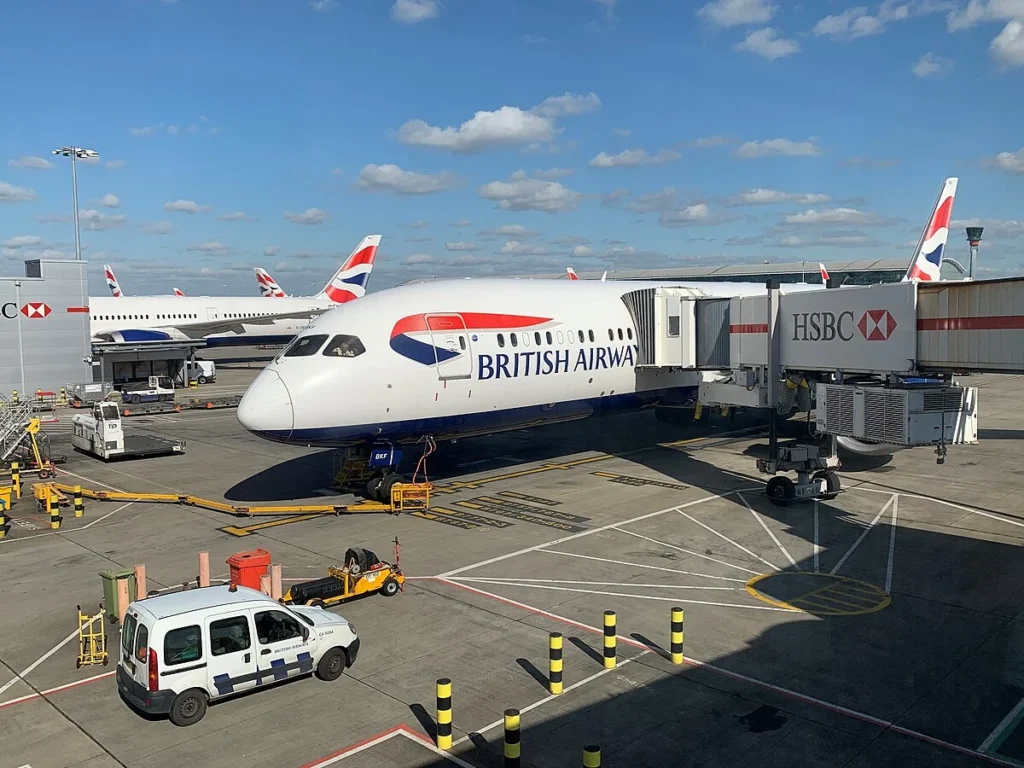
Crew Rest Bunks and Operational Lessons
The new 787-10 aircraft will include dedicated crew rest bunks located above the main cabin ceiling. These facilities provide full length beds that allow flight crew to complete mandatory rest periods on long sectors.
The airline took delivery of its initial batch of 12 Boeing 787-10 aircraft without crew rest bunks as a cost-saving measure. The assumption was that the aircraft would operate shorter routes such as services to the US northeast.
This decision limited operational flexibility. When deployed on longer transatlantic routes, the airline required crew to take rest periods in jump seats normally used for takeoff and landing. This created dissatisfaction among crew and reduced deployment flexibility.
The inclusion of crew bunks on the new aircraft resolves this limitation and supports broader network planning.
Connectivity and Product Modernization
The fleet renewal aligns with broader product upgrades. British Airways will begin operating its first Starlink-equipped aircraft in March. The airline has not confirmed the specific aircraft type.
The airline is expected to streamline installation processes to minimize downtime, following industry examples of overnight connectivity retrofits.
Bottom Line
British Airways’ decision to base Boeing 787-10 aircraft at Gatwick from 2029 represents a significant upgrade for its leisure-oriented long-haul operation.
The replacement of 777-200ER aircraft with modern Dreamliners introduces Club Suite, improved crew facilities, and enhanced passenger comfort.
After years of operating older widebody aircraft, Gatwick will receive a new generation fleet that strengthens product consistency and enhances long-term network flexibility.
Stay tuned with us. Further, follow us on social media for the latest updates.
Join us on Telegram Group for the Latest Aviation Updates. Subsequently, follow us on Google News
