

ARLINGTON- The Mitchell Institute urges the US Air Force to expand procurement of next-generation fighters and bombers to deter China effectively.
The report stresses that current fleet plans fall short for a high-intensity conflict.
US Air Force Jets Demand
A policy study from the Mitchell Institute for Aerospace Studies states the US Air Force requires at least 500 sixth-generation combat aircraft to maintain superiority in a potential conflict with China.
The institute recommends acquiring at least 300 F-47 next-generation fighters and at least 200 B-21 Raider stealth bombers. Current Air Force plans aim for about 185 F-47 fighters and at least 100 B-21 bombers, leaving a significant shortfall.
Analysts argue that conflicts such as Korea, Vietnam, and the ongoing Russia-Ukraine war show that failing to strike enemy bases leads to prolonged wars of attrition. Air forces that cannot target adversary sanctuaries risk losing operational momentum.
The study warns that China is developing defensive systems intended to make much of the western Pacific difficult for US aircraft to penetrate. Without sufficient long-range aircraft, US forces may struggle to deter or counter aggression, particularly around Taiwan, Defense News flagged.
Lessons from Recent Combat Operations
Recent operations demonstrate the strain on limited stealth fleets. During strikes on Iranian nuclear facilities, the Air Force reportedly deployed nearly its entire operational B-2 Spirit bomber fleet.
Analysts note that losing even a small number of irreplaceable stealth bombers would severely limit follow-up operations. Against a technologically advanced opponent, the risks increase further due to stronger air defenses and longer operational distances.
A limited bomber fleet forces commanders to adopt cautious strategies, reducing deterrence credibility and potentially encouraging adversaries to act first.
Maintaining Strength Until New Aircraft Arrive
The Mitchell Institute advises delaying the retirement of legacy bombers until replacements are available in sufficient numbers. Specifically, B-1 Lancer and B-2 Spirit aircraft should remain in service until at least 100 B-21 bombers enter operational use.
The report also urges faster funding and procurement to accelerate B-21 production and prevent capability gaps as older aircraft retire.
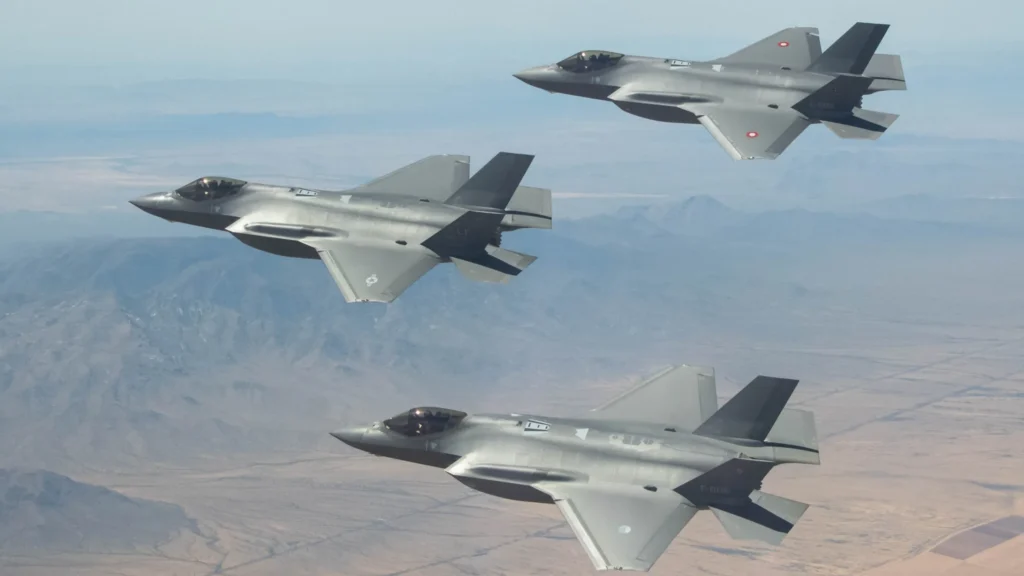
https://commons.wikimedia.org/wiki/File:US_Danish_Dutch_F-35A.jpg
Fighter Fleet Procurement Must Increase
The study highlights the need to reverse decades of reductions in fighter numbers. It recommends purchasing 74 F-35A fighters and 24 F-15EX aircraft annually while integrating collaborative combat aircraft, autonomous drone wingmen designed to support manned fighters.
Experts caution against retiring aircraft faster than replacements arrive. Maintaining a one-for-one replacement rate is considered essential to restore fleet capacity.
Bomber Fleet Expansion Goals
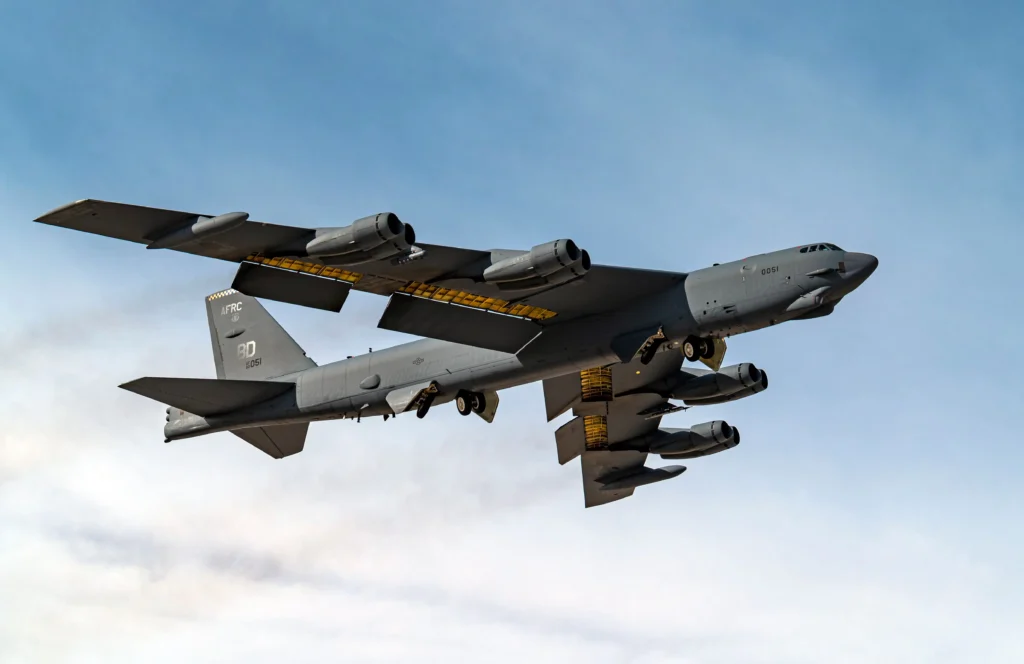
The institute proposes a total bomber fleet of at least 300 aircraft. With 76 upgraded B-52 bombers planned to remain in service, the Air Force would need to acquire around 224 B-21 bombers to meet that objective.
Current plans envision retiring B-1 and B-2 fleets over the next decade, leaving a two-type bomber force consisting of B-52 and B-21 aircraft.
Bottom Line
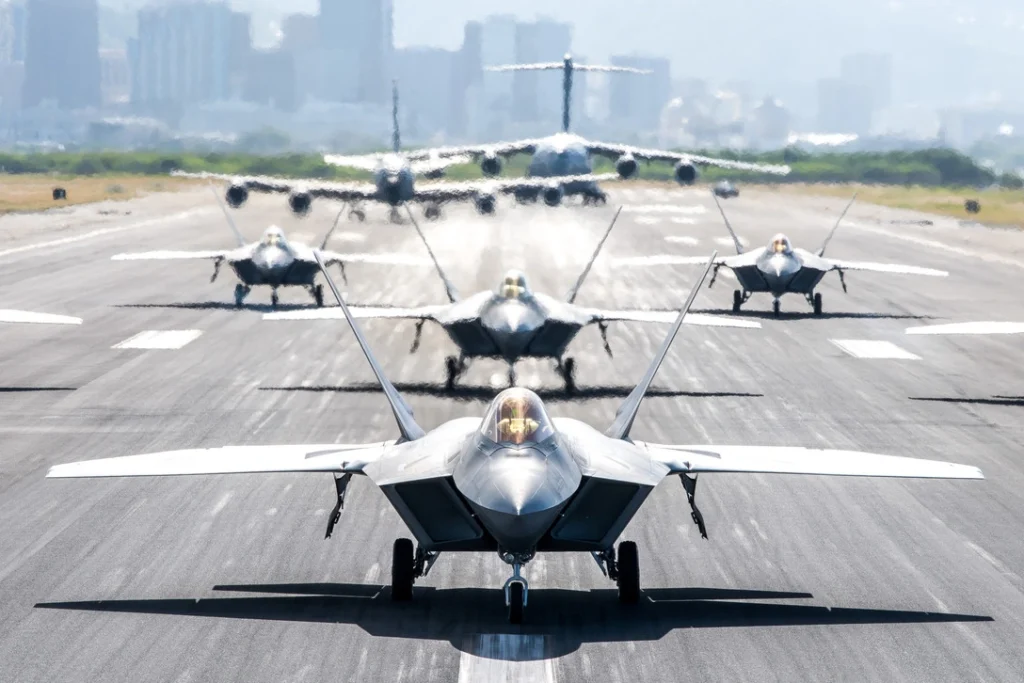
The analysis concludes that a larger stealth and fighter fleet is critical to deterring aggression and ensuring operational flexibility.
Without adequate numbers, the US risks losing its ability to threaten adversary targets effectively, weakening deterrence and strategic stability in the Indo-Pacific.
Stay tuned with us. Further, follow us on social media for the latest updates.
Join us on Telegram Group for the Latest Aviation Updates. Subsequently, follow us on Google News
