

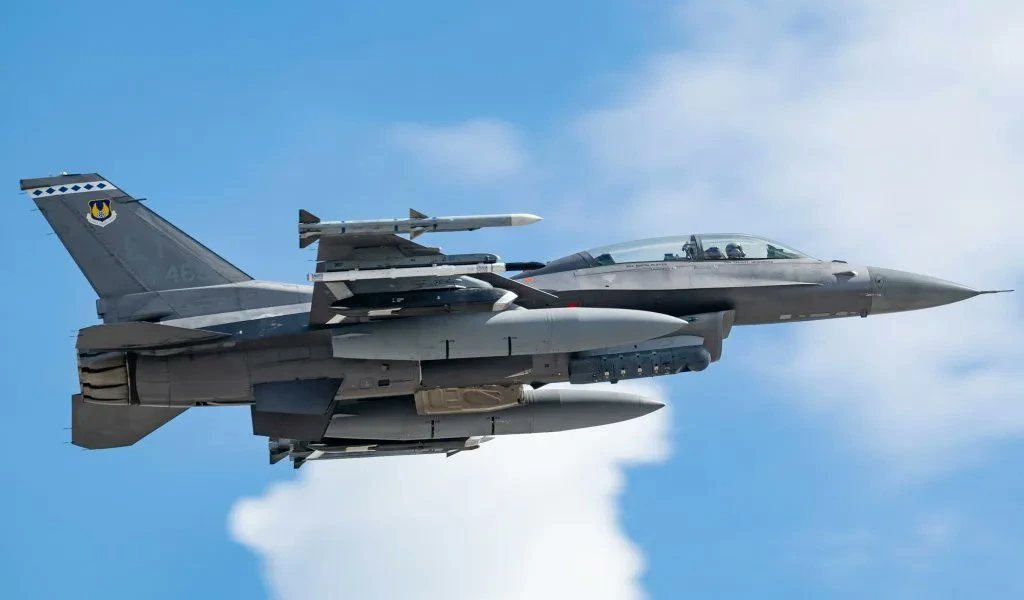
WASHINGTON- The US Air Force is significantly expanding its long-range strike capabilities after the Pentagon announced new framework agreements with three defense companies to accelerate the production of affordable air-launched cruise missiles.
The initiative forms part of the Family of Affordable Mass Missiles (FAMM) program, which aims to procure nearly 28,000 low-cost cruise missiles over the next five years to strengthen operational readiness and ensure sustained combat capability.
The new agreements represent one of the largest planned procurements of affordable precision-guided weapons in recent years.
While the program primarily supports military aviation, it also highlights the growing role of aerospace manufacturers in developing scalable, lower-cost munitions that can be integrated across multiple aircraft platforms.
Pentagon officials say the effort is designed to rapidly expand missile inventories while reducing dependence on expensive legacy weapons.
USAF to Buy 28,000 Low-Cost Missiles
The Department of Defense has signed new framework agreements with Anduril Industries, CoAspire, and Zone 5 under the U.S. Air Force’s Family of Affordable Mass Missiles (FAMM) program.
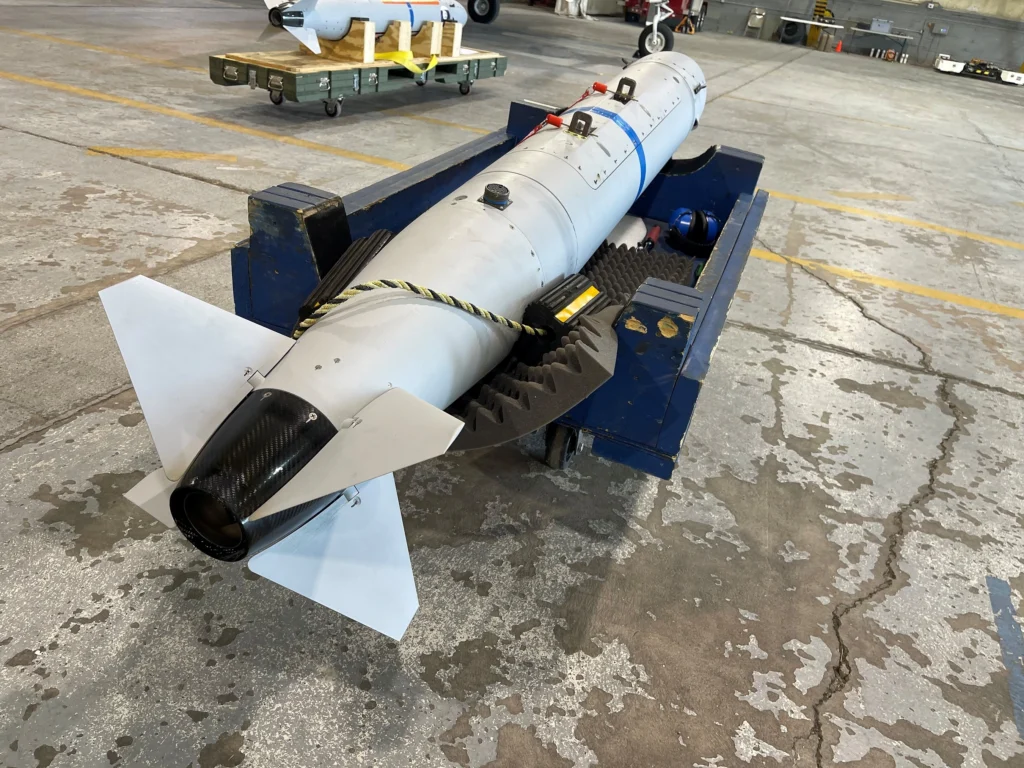
The initiative aims to develop multiple families of low-cost cruise missiles that can support a wide range of combat missions while remaining more affordable than traditional stand-off weapons.
Unlike conventional procurement programs that rely on a single contractor, FAMM promotes competition among multiple manufacturers to encourage innovation, expand production capacity, and accelerate deliveries as operational demand grows.
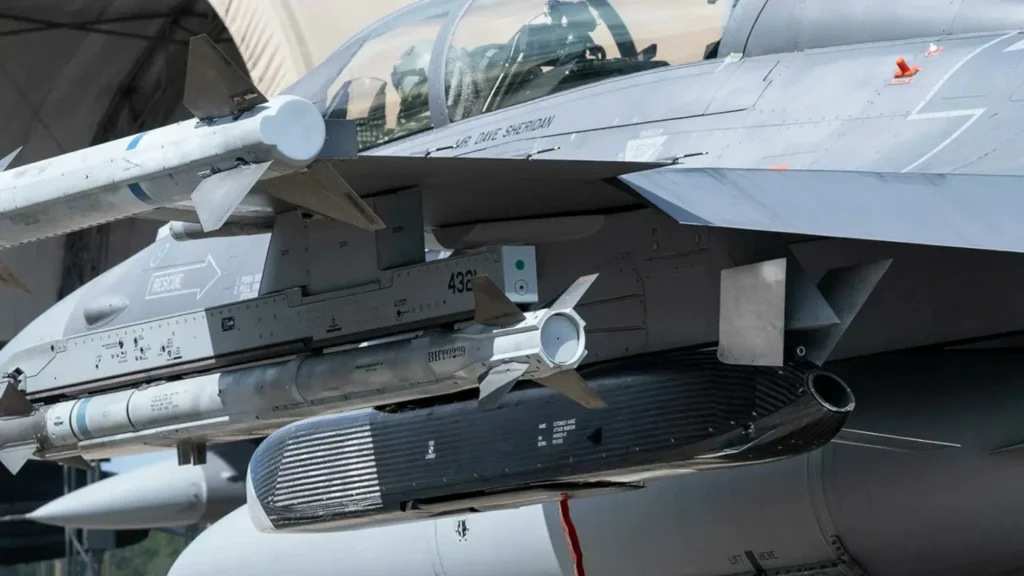
The Air Force plans to field several missile variants, including lugged versions mounted on fighter aircraft and palletized variants deployable from military cargo aircraft. It is also developing an extended-range version capable of striking targets from beyond enemy air defense systems.
According to the Pentagon, the agreements are part of a broader acquisition strategy that provides manufacturers with stable production demand while rewarding companies that meet performance and delivery targets with additional procurement opportunities.
According to a press release from the Pentagon:
The agreements are a direct outcome of several Acquisition Transformation Strategy initiatives, including stabilizing demand signals, procuring industry-driven solutions, and maximizing flexible contracting.
Industry Partners Drive Production
Each participating company will contribute a different missile design to the program following successful testing and evaluation.
Anduril Industries plans to supply variants of its Barracuda-500 cruise missile family, including both aircraft-mounted and pallet-launched versions, TWZ reported.
The company has already completed multiple flight demonstrations and expects additional testing to continue before production expands.
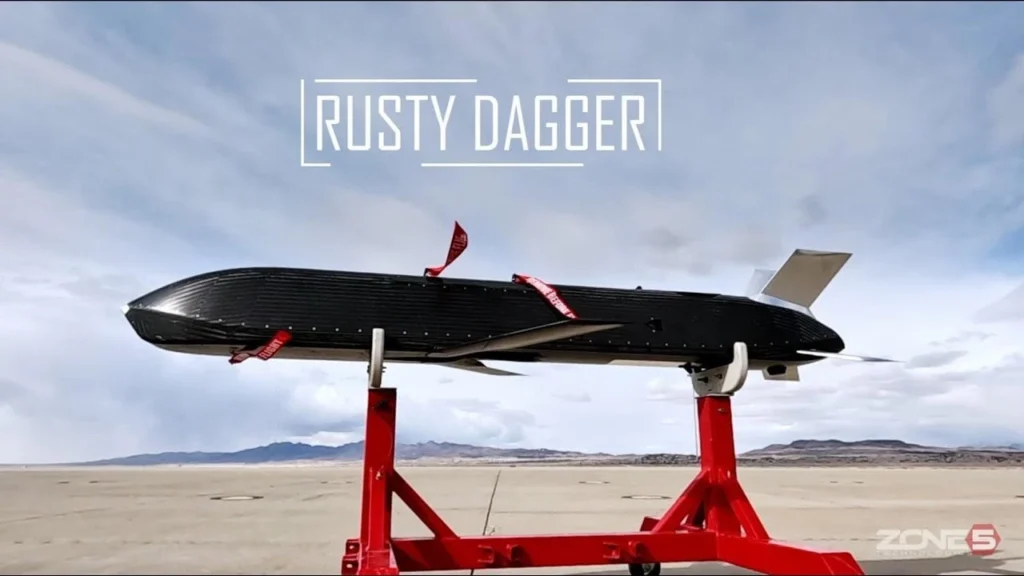
Zone 5 will provide the AGM-188A Rusty Dagger, a low-cost cruise missile designed for deployment from fighter aircraft.
The missile was originally developed through the Air Force’s Extended Range Attack Munition (ERAM) initiative and emphasizes affordability without sacrificing operational effectiveness.
Meanwhile, CoAspire will contribute its Rapidly Adaptable Affordable Cruise Missile (RAACM). Company officials say the missile is designed for deployment across multiple aircraft platforms while supporting rapid large-scale production through an extensive U.S.-based supplier network.
The Pentagon noted that additional manufacturers could join the FAMM program in future procurement rounds as new technologies mature, helping maintain competition across the defense industrial base.
The press release further added:
The Department was granted 5-year authorization for FAMM in the Fiscal Year 2026 National Defense Authorization Act (NDAA) and is actively seeking congressional approval in the FY27 NDAA and Appropriations Bill for a 7-year multi-year procurement program to provide stability to new entrants.”
Aviation Impact on Operations
The FAMM initiative marks a major shift in how the U.S. Air Force develops and procures precision strike weapons. Recent conflicts have shown that high-intensity operations can rapidly deplete missile stockpiles, increasing demand for affordable weapons that can be produced at scale.
Instead of relying solely on expensive cruise missiles, the Air Force is investing in lower-cost systems that balance affordability, range, and combat effectiveness.
This approach enables commanders to sustain long-range strike operations while easing pressure on defense manufacturing.
The program also improves operational flexibility by supporting launches from multiple aircraft types.
Fighter aircraft can carry lugged missile variants on external hardpoints, while cargo aircraft can deploy palletized versions using specialized launch systems, expanding mission options and simplifying logistics.
Additionally, the Pentagon’s proposed multi-year procurement agreements of up to seven years are expected to encourage industry investment in production capacity and ensure a stable missile supply.
By combining competitive contracting with scalable manufacturing, the FAMM program aims to strengthen the Air Force’s long-term precision strike capability and readiness for future operations.
Stay tuned with us. Further, follow us on social media for the latest updates.
Join us on Telegram Group for the Latest Aviation Updates. Subsequently, follow us on Google News
