

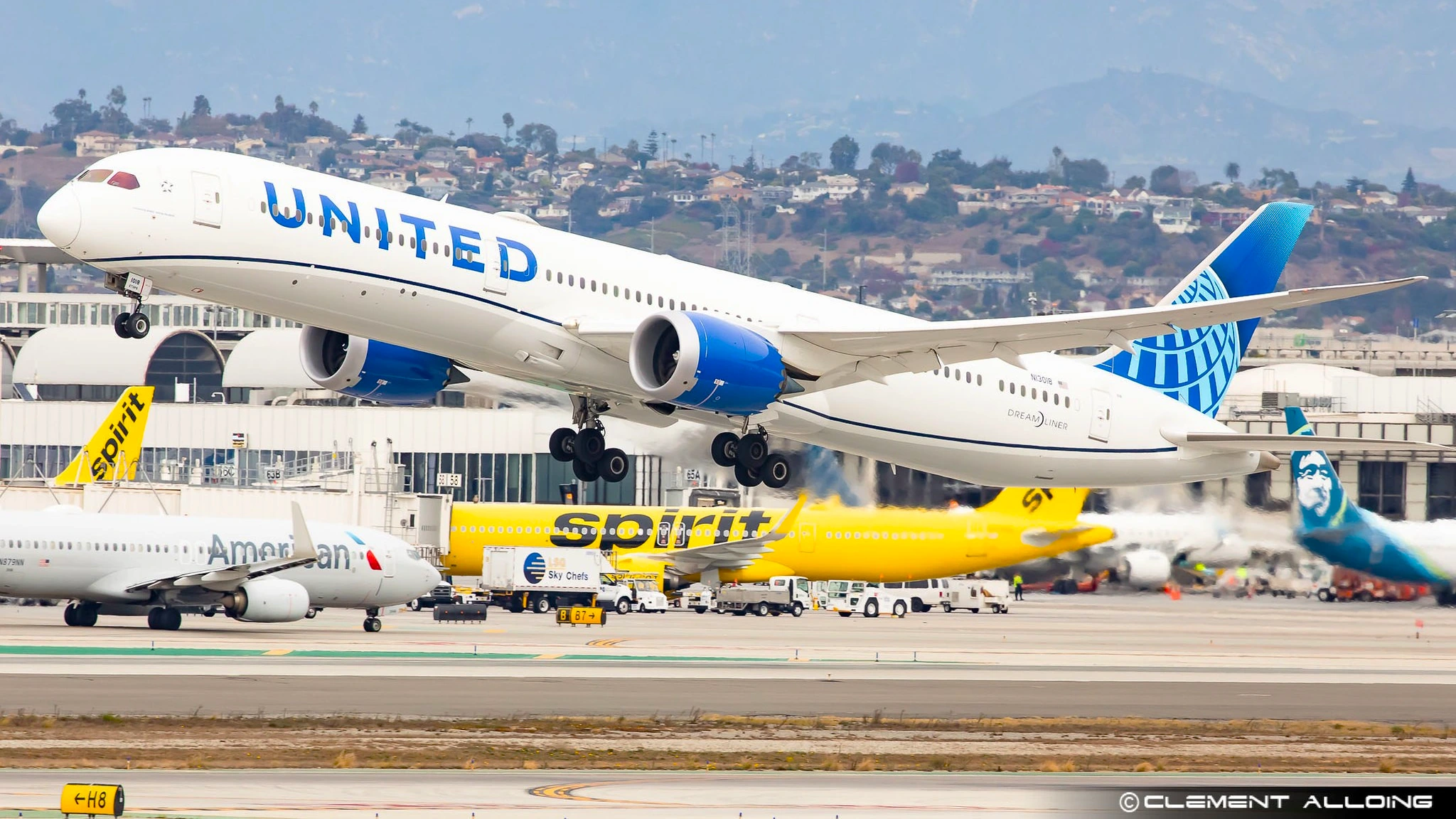
FLORIDA— United Airlines (UA) has introduced a new customer service policy that allows travelers booked to President Donald J. Trump International Airport (DJT), formerly Palm Beach International Airport (PBI), to switch their arrival airport without paying a fare difference in certain cases.
The airline has instructed reservation agents to offer nearby alternatives, including Fort Lauderdale-Hollywood International Airport (FLL) and Miami International Airport (MIA), when passengers express that they no longer wish to fly into the newly renamed airport.
The move gives frontline staff greater flexibility while United updates its reservation systems to reflect the airport’s new identity.
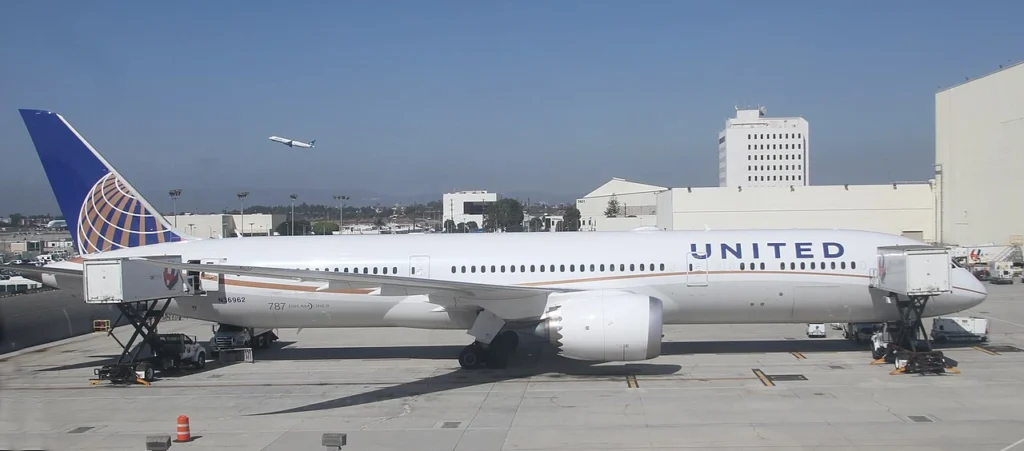
United Airlines New Booking Policy
United’s internal guidance directs reservation agents to accommodate customers who object to traveling through the renamed airport by providing suitable alternatives where possible.
Instead of requiring passengers to cancel or pay additional charges, agents may process the itinerary as an even exchange if an alternative flight is available.
The policy comes as the airline updates its booking and operational systems to replace references to West Palm Beach with President Donald J. Trump International Airport. During the transition, customer-facing teams have also received instructions on handling questions related to the airport’s new name.
According to the internal guidance, reservation agents are encouraged to discuss nearby airport options if customers indicate they would rather avoid flying into DJT.
The airline has identified Fort Lauderdale and Miami as the primary alternatives because both airports offer extensive domestic connectivity across South Florida.
Unlike standard voluntary itinerary changes, the revised approach allows eligible passengers to move their destination airport without paying the normal fare difference, provided the exchange meets United’s internal conditions.
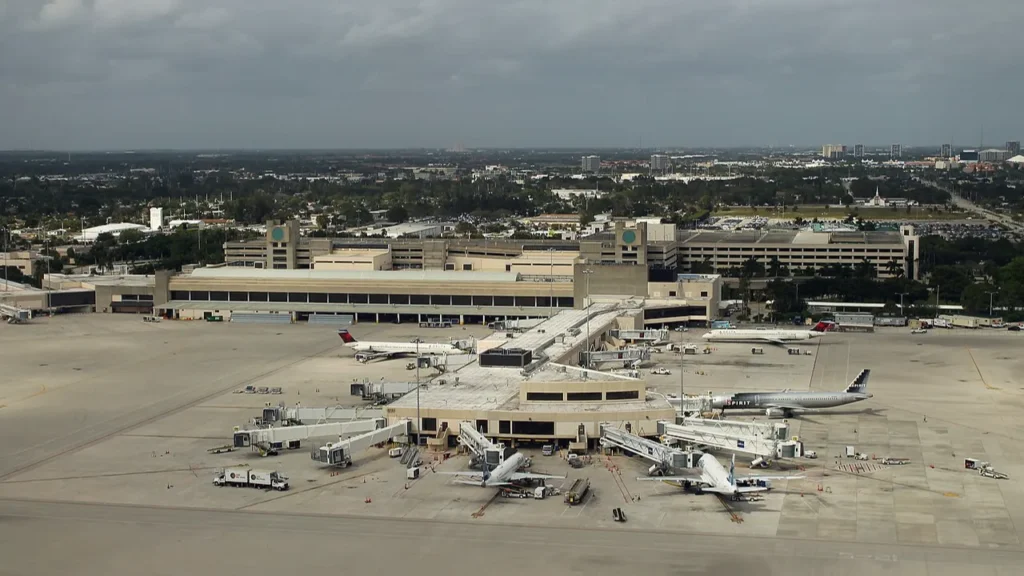
Alternative Airports
Fort Lauderdale-Hollywood International Airport sits roughly 45 miles south of the renamed airport, while Miami International Airport is located farther south and serves as one of the region’s largest aviation hubs.
Although neither airport is an exact replacement for travelers whose final destination is West Palm Beach, both provide practical access to South Florida.
Airlines generally restrict destination changes after a ticket has been issued unless passengers pay any applicable fare difference. United’s latest guidance therefore represents an uncommon level of flexibility, particularly because the airline itself had no role in the airport’s renaming.
The policy is expected to help reservation agents address customer concerns efficiently while reducing the likelihood of disputes during the booking modification process.
United’s Customer Flexibility
The airline has not indicated that the policy applies automatically to every booking.
Instead, reservation agents retain discretion to determine whether an alternative itinerary qualifies for an even exchange based on seat availability and the airline’s internal guidelines.
The approach also helps simplify customer interactions during the transition to the airport’s new branding, as travelers may still encounter references to both the former Palm Beach International Airport name and the new President Donald J. Trump International Airport designation across various booking platforms.
By allowing eligible passengers to switch to Fort Lauderdale or Miami without additional charges, United is adopting a customer-focused solution for a situation created by an external change rather than by the airline itself.
The policy offers travelers greater flexibility while maintaining access to South Florida through nearby airports.
Stay tuned with us. Further, follow us on social media for the latest updates.
Join us on Telegram Group for the Latest Aviation Updates. Subsequently, follow us on Google News
