

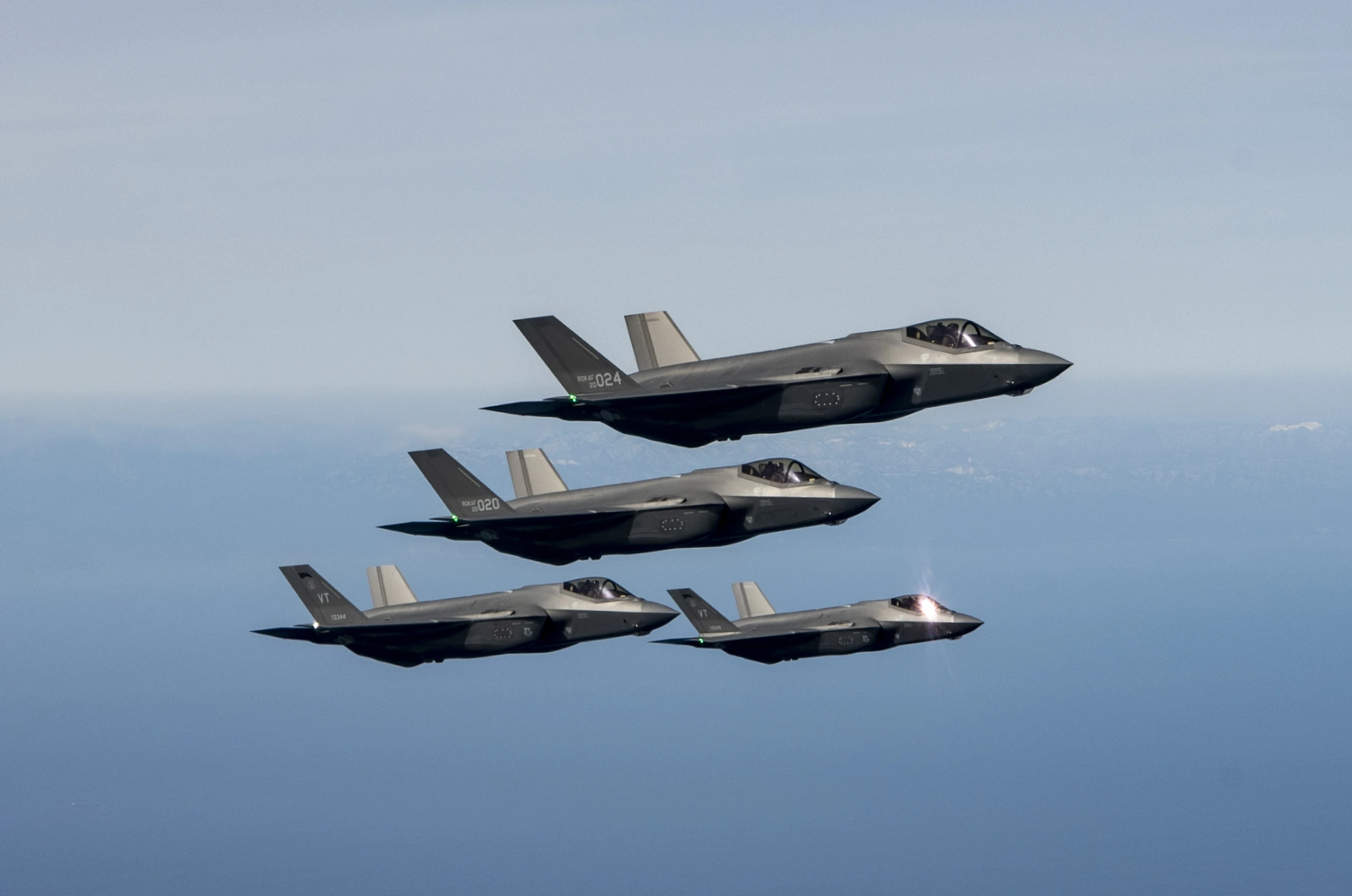
WASHINGTON— The United States Air Force says it needs 1,558 manned, combat-coded fighters to sustain low-risk operations, nearly 300 more than its current fleet. The goal, outlined in a report to Congress, marks a significant expansion aimed at ensuring mission readiness across potential global conflicts.
The service’s “Long-Term USAF Fighter Force Structure” report, signed by Acting Secretary Troy Meink, reveals the Air Force must “grow to minimize risk” as it modernizes its fifth-generation and legacy fighter fleets. But funding gaps, production limits, and modernization delays could make the goal difficult to achieve.
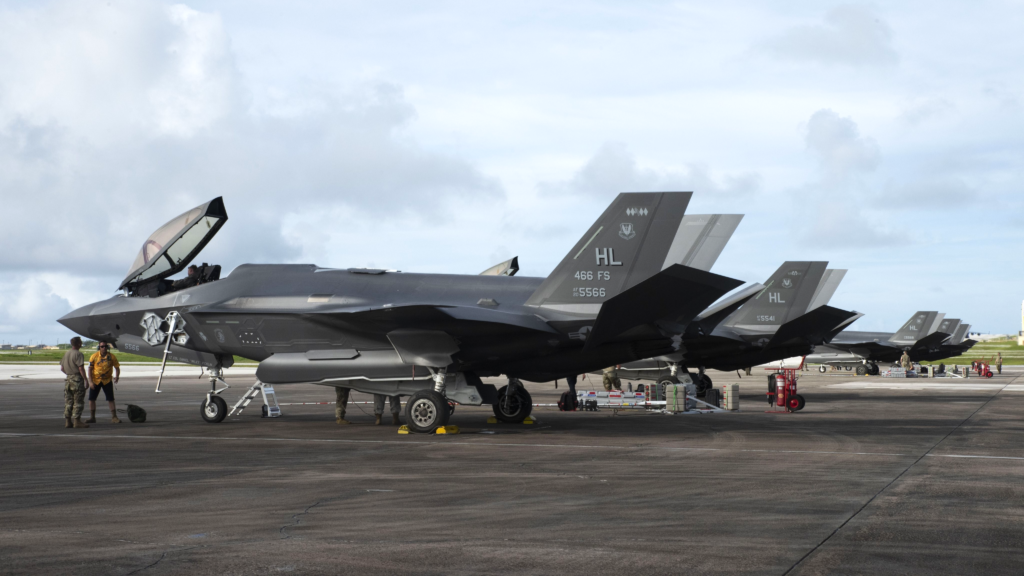
US Air Force Fighter Jets Requirement
The Air Force currently operates about 1,271 combat-coded fighters, including 103 A-10 Thunderbolt IIs, which are set for retirement by the end of fiscal 2026.
To meet its low-risk threshold, the service needs nearly 300 additional fighters — a 24% increase — to ensure it can meet all combatant commander requirements and maintain strategic depth.
According to officials flagged by Defense News, achieving “low risk” means being very likely to meet operational goals, while “medium risk” (1,367 fighters) indicates a merely likely chance of success. Anything below that level pushes the force into high-risk territory, where it may not meet objectives and would face heavy operational stress.
Budget constraints remain the key challenge. Officials admit the target number is aspirational and would require a major funding increase. Without it, the Air Force may have to scale back mission readiness or delay modernization plans.
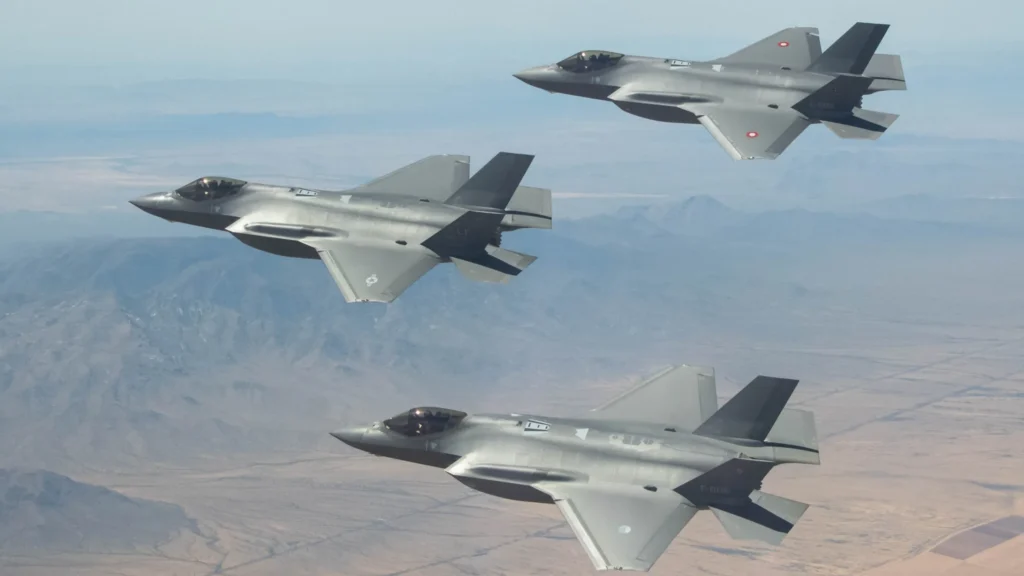
https://commons.wikimedia.org/wiki/File:US_Danish_Dutch_F-35A.jpg
Modernization Challenge
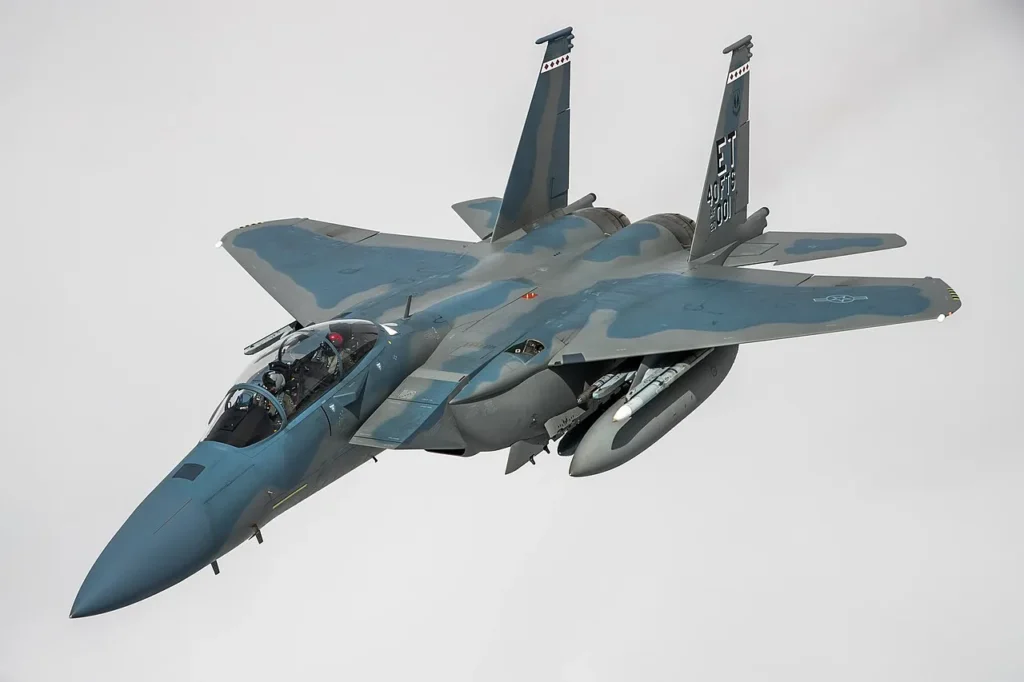
The Air Force is pursuing the largest modernization effort in its history, introducing advanced aircraft like the Lockheed Martin F-35A Lightning II, Boeing F-15EX Eagle II, and the upcoming B-21 Raider bomber.
It is also testing collaborative combat aircraft (CCAs) — unmanned drones designed to fly alongside crewed fighters.
However, persistent production delays and technology challenges threaten progress. The F-35’s Block 4 upgrade, which enhances weapon capacity and sensors, is behind schedule. As a result, procurement has slowed, with the Pentagon proposing to cut F-35 purchases in fiscal 2026 by half.
Officials maintain that once the F-35 modernization issues are resolved, production could scale up to 100 aircraft per year. Lockheed Martin’s current output ranges from 130 to 140 F-35s annually across all variants.
Sustaining Readiness Amid Aging Aircraft
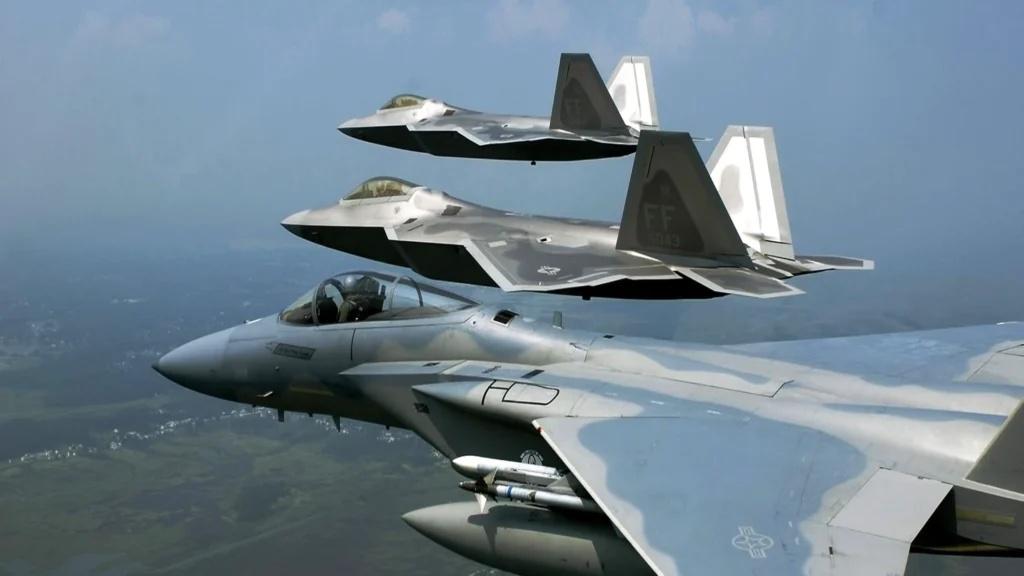
Fleet sustainment is another growing concern. The Air Force plans to retire all A-10 Warthogs by September 2026 and phase out older F-15C/D models.
It will retain its F-15E Strike Eagles with upgraded Pratt & Whitney F100-PW-229 engines, improving thrust and mission efficiency.
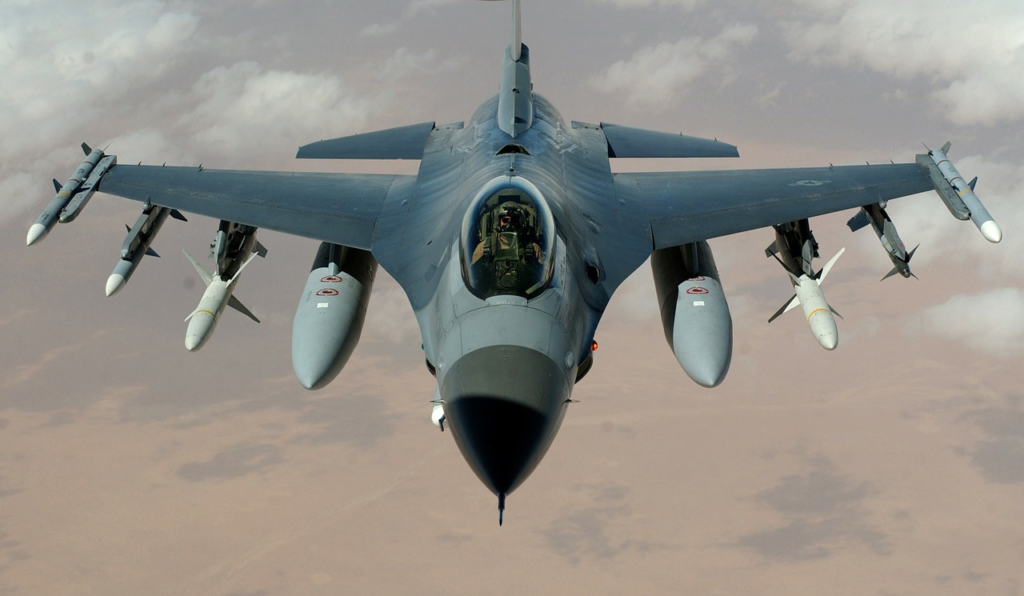
Aging aircraft like the A-10, F-15C, and older F-16 variants demand extensive maintenance, consuming funds needed for modernization. Depot facilities struggle to maintain outdated systems, while a shrinking industrial base limits access to spare parts.
The service also faces a pilot shortage, exacerbated by training bottlenecks and manpower gaps, which could slow the transition to a newer fleet.
Role of Autonomous Aircraft
Emerging collaborative combat aircraft (CCAs), such as General Atomics’ YFQ-42A and Anduril’s YFA-44A, could change the equation.
Designed for missions ranging from strikes and surveillance to electronic warfare, CCAs will complement manned fighters.
The Air Force aims to deploy at least 1,000 CCAs, potentially reducing the total number of human-piloted jets required. Yet, officials say it’s too early to quantify the exact impact these drones will have on force structure and operational readiness.
Bottom Line
The Air Force’s 1,558-fighter goal sets a clear benchmark for what full mission readiness looks like — but reaching it hinges on consistent funding, industrial capacity, and successful modernization.
As the service adapts to emerging technologies and shifting global threats, the balance between ambition and reality will define the future of U.S. air dominance.
Stay tuned with us. Further, follow us on social media for the latest updates.
Join us on Telegram Group for the Latest Aviation Updates. Subsequently, follow us on Google News
