


LONDON- The Royal Air Force (RAF) has clarified that the United Kingdom did not buy its 12 F-35A jets for a nuclear role. A senior officer said the aircraft were purchased mainly to support pilot training at RAF Marham, near King’s Lynn in eastern England.
The remark came at the Air Power Association’s Global Air & Space Chiefs’ Conference 2026 in London. It adds a fresh turn to a purchase that already surprised observers, and it raises new questions over how Britain plans to rebuild its NATO nuclear strike role, a mission once tied to these jets and to bases such as RAF Lakenheath.
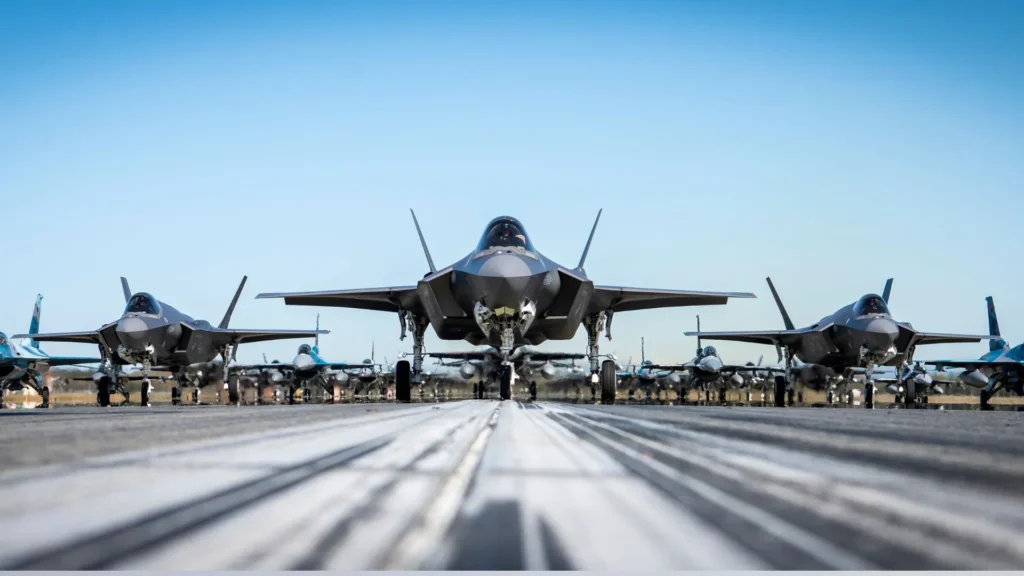
RAF Separates F-35A Purchase From Nuclear Mission
Air Vice-Marshal Jim Beck, the Royal Air Force’s Director Capability and Programs, addressed the purpose behind the F-35A order during his conference appearance.
He stated, “We did not buy those aircraft for their dual [nuclear] capability; we bought them for our conversion unit. At the same time, we stated we would get back into the [nuclear] role supporting NATO. The two are separate functions.”
Gareth Jennings, aviation desk editor at Janes, reported the comments. The words mark the latest turn in an already surprising procurement, because earlier government messaging placed the nuclear mission at the center of the F-35A announcement.
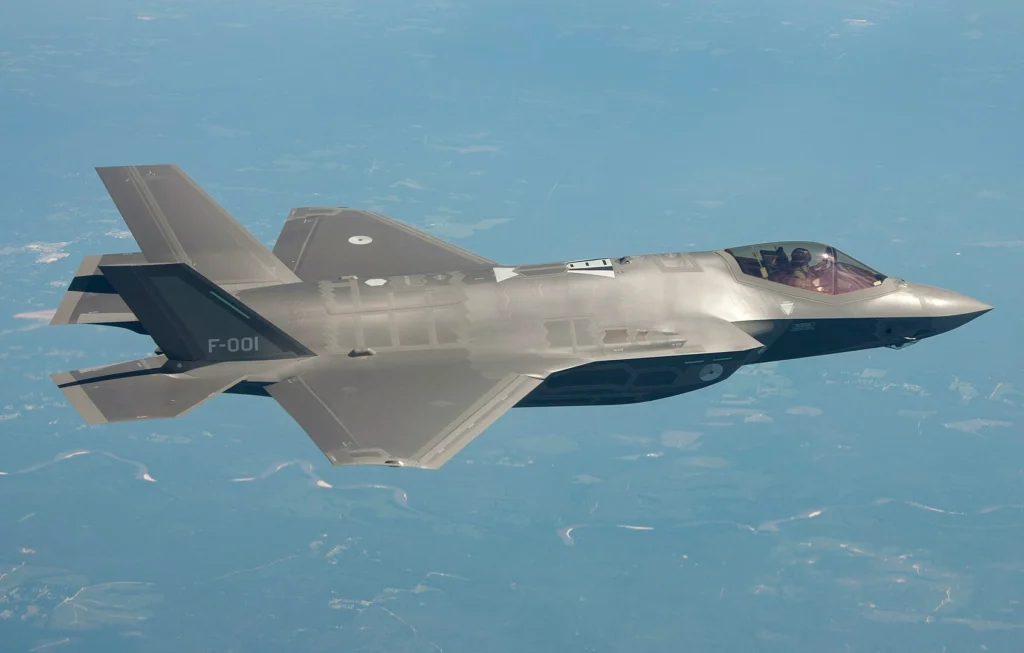
The United Kingdom announced in June 2025 that it would buy 12 F-35A fighters. These are conventional takeoff and landing (CTOL) aircraft, and they join the short takeoff and vertical landing (STOVL) F-35B jets the RAF already flies.
At the time, the UK Ministry of Defense highlighted the F-35A’s ability to join the NATO nuclear mission. In that role, the jets would carry US-owned B61-12 nuclear gravity bombs.
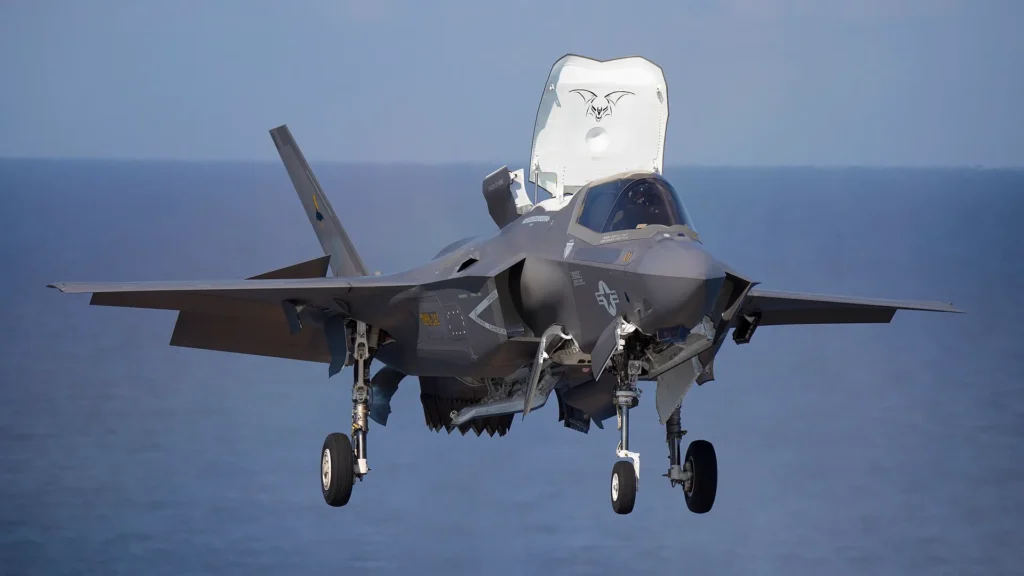
The F-35A can carry these weapons because it has larger internal weapons bays, while the F-35B cannot, because its lift-fan design reduces bay space.
The ministry stated, “The UK will purchase 12 new F-35A fighter jets and join NATO’s dual-capable aircraft nuclear mission in a major boost for national security.” It called the move the “biggest strengthening of the UK’s nuclear posture in a generation, complementing the UK’s existing sea-borne deterrent.”
The Strategic Defense Review, published in June 2025, also suggested that the future Lightning Force could hold a mix of F-35As and F-35Bs. More recently, the UK Defense Investment Plan again listed the F-35A’s nuclear role.
The RAF’s latest clarification therefore opens a clear gap between operational planning and previous government messaging.
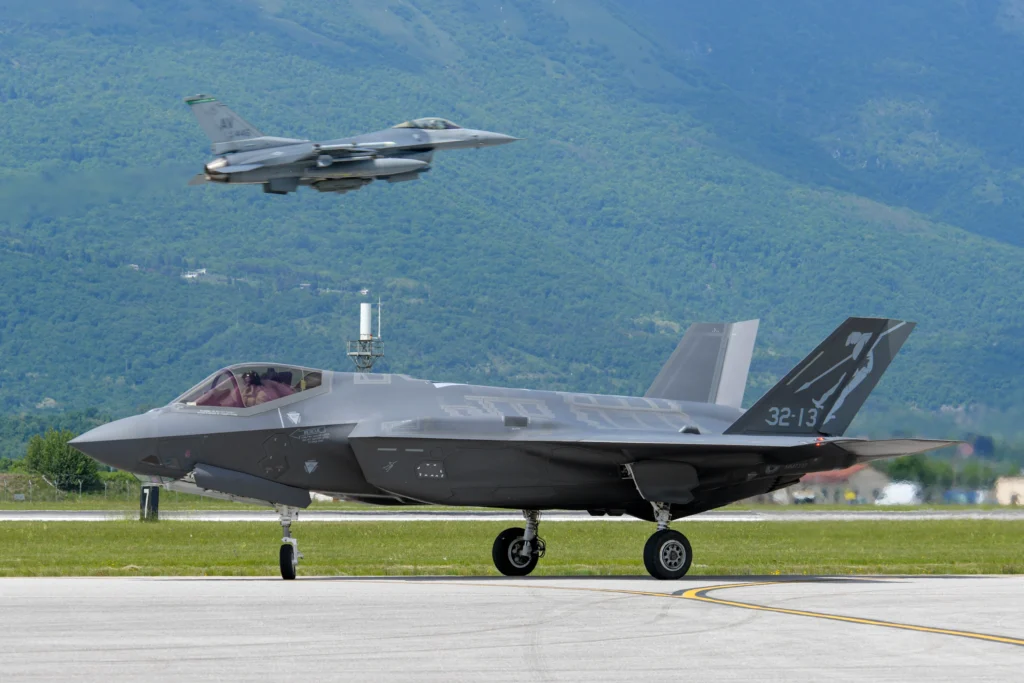
Why The Jets Were Assigned To Training
Although the F-35A can carry nuclear weapons, the Royal Air Force has consistently said its day-to-day role will be pilot training.
The F-35A is cheaper to operate, which makes it a stronger choice for training sorties, including keeping pilots current on the F-35B. The ministry said the 12 jets bring a saving of 25 percent per aircraft compared with the F-35B.
The Royal Air Force set out the day-to-day plan in detail. “Day-to-day, the F-35As will be used in a training role on 207 Squadron, the Operational Conversion Unit (OCU),” it said. The service added that the F-35A carries more fuel than the F-35B, so it can stay airborne longer and extend training time in each sortie for student pilots.
It also requires fewer maintenance hours, which increases aircraft availability on the OCU. Taken together, the RAF said these factors improve pilot training and reduce the time pilots need to reach the frontline squadrons.
The tradeoff is that the F-35A cannot train STOVL missions. Pilots can cover that part of the F-35B profile in the simulator. An F-35A training unit also frees up more F-35Bs to deploy aboard the two Queen Elizabeth class aircraft carriers.
The Limits Of A Shared Nuclear Capability
Holding a compatible aircraft does not by itself give Britain an independent strike option. Under NATO’s nuclear-sharing arrangement, the weapons remain owned by the United States.
Any operational use requires approval from the United States and through NATO’s command structure.
For that reason, UK-operated F-35As would support NATO’s collective deterrence rather than replace Britain’s sovereign nuclear force, which remains centered on the Royal Navy’s ballistic missile submarines.
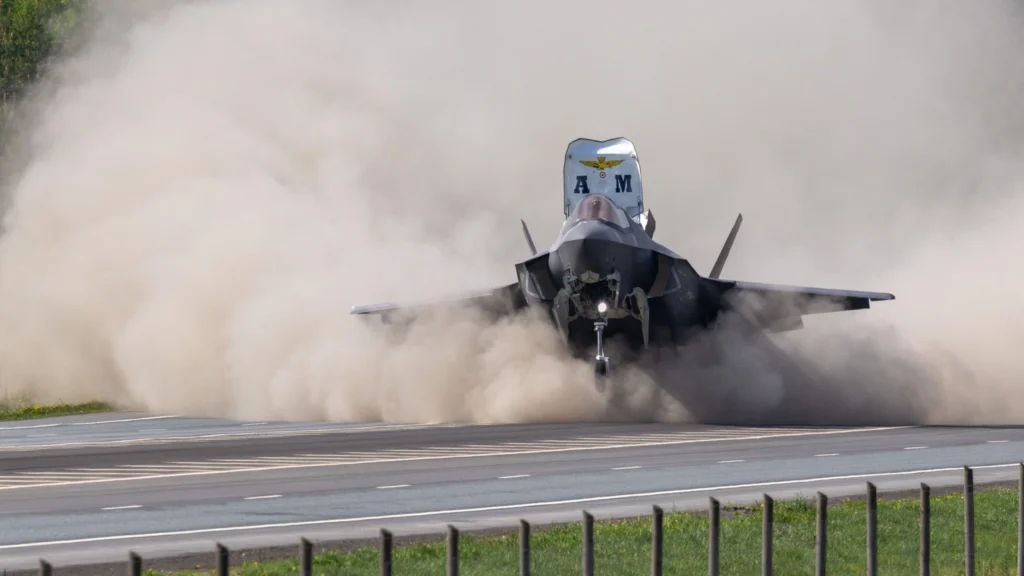
Basing And Infrastructure Questions
The new F-35As will be based at RAF Marham in eastern England. It is unclear whether the airfield still holds the underground weapons vaults needed for nuclear bombs. Some reports suggest the Cold War-era vaults were dismantled or filled in.
Aviation outlet TWZ has previously noted that the jets might need to use nearby RAF Lakenheath, where evidence points to the United States returning nuclear bombs to the United Kingdom for its own use. No official confirmation has been provided.
The Readiness Problem
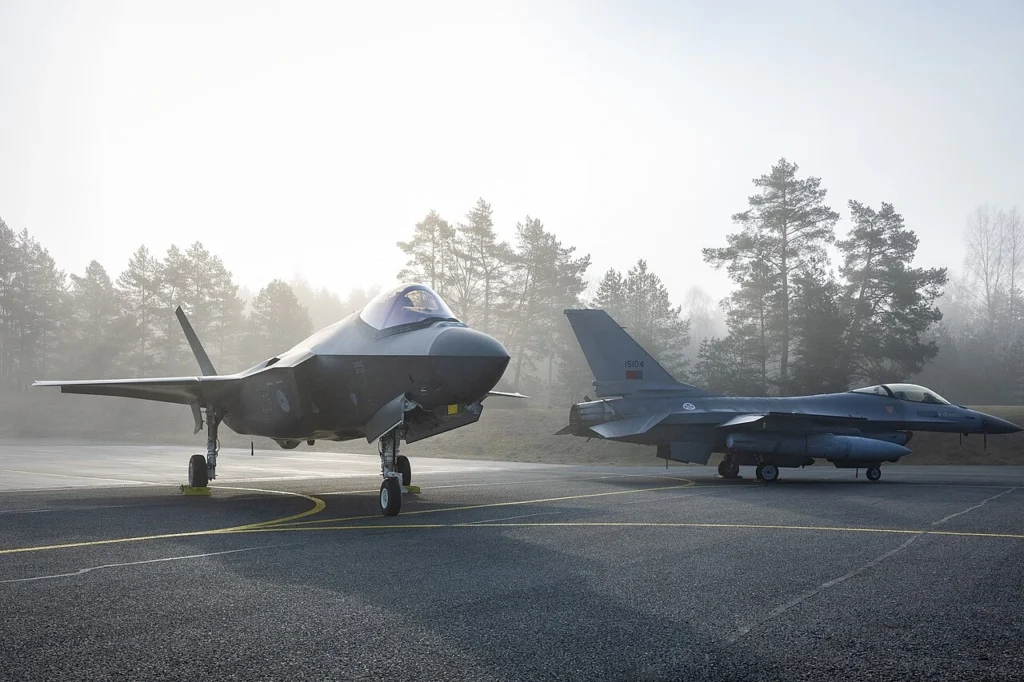
The 12 F-35As sit inside the core order rather than adding to it, which makes running both a full training mission and a ready nuclear mission difficult.
The setup would not resemble the Cold War, when armed jets stood ready round the clock on each assigned RAF base, with crews waiting for the alert.
Instead, the unit would likely switch its focus to the nuclear mission during a crisis. That approach raises questions about how long the switch would take and how much real deterrence it would provide in the early stages of a conflict.
The current comments show the Royal Air Force itself dialing back expectations, even though the Defense Investment Plan still lists the nuclear strike role.
The Case For Buying More F-35As
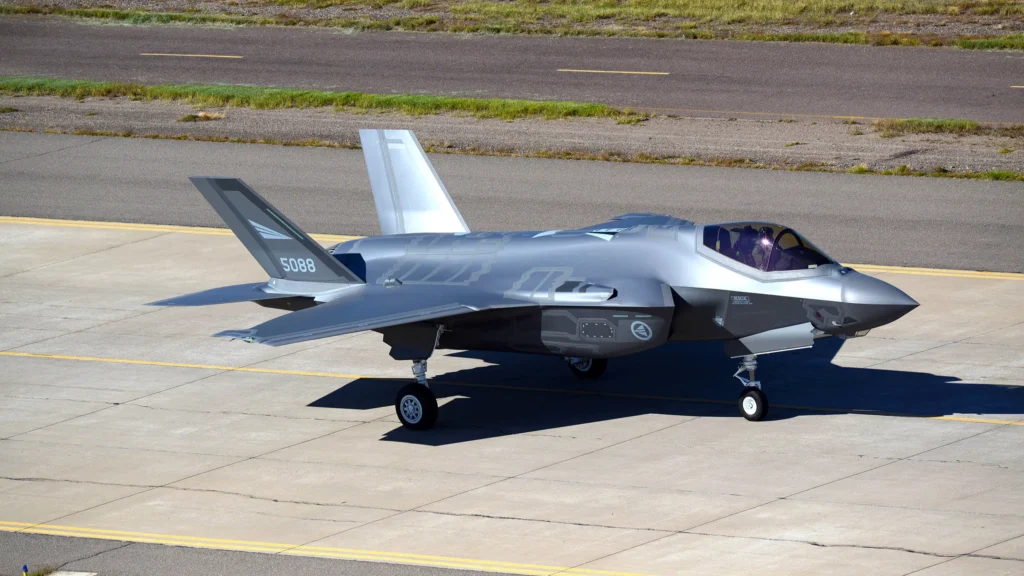
The strongest path to a meaningful dual-role nuclear mission would be a larger F-35A buy. The Ministry of Defense still expects to procure 138 F-35s over the life of the program. So far, 48 F-35Bs have been delivered.
The government is committed to buying 15 more F-35Bs and the 12 F-35As, with delivery due by 2033. The shortage of jets has forced the United Kingdom to rely on US Marine Corps F-35Bs to fill out numbers during carrier cruises.
A larger order would make the F-35A case stronger and more cost-effective. The F-35A offers superior range and payload, and it can maneuver at 9G, while the F-35B is cleared for 7.5G.
One hurdle is the F-35A’s refueling receptacle, which does not match the British fleet of Voyager tankers. A modification could add a probe, but that step would likely make sense only with a bigger buy.
Competing Priorities And Budget Pressure
More F-35As would also compete with other programs. The Global Combat Air Program (GCAP), built around the Tempest crewed stealth fighter, and emerging drone efforts are drawing attention and funding.
At the same time, the British are struggling to fund basic elements of the F-35B, which still lacks a standoff strike capability.
A report late last year found that a history of cost-cutting across the UK F-35 program had caused significant problems, affecting the jet’s capability, availability to fly, and value for money.
The Ministry of Defense also needs to spend more than $83 billion over the next four years on its nuclear-powered submarine programs, which deliver the kind of sovereign nuclear capability the F-35A cannot provide.
Stay tuned with us. Further, follow us on social media for the latest updates.
Join us on Telegram Group for the Latest Aviation Updates. Subsequently, follow us on Google News
