

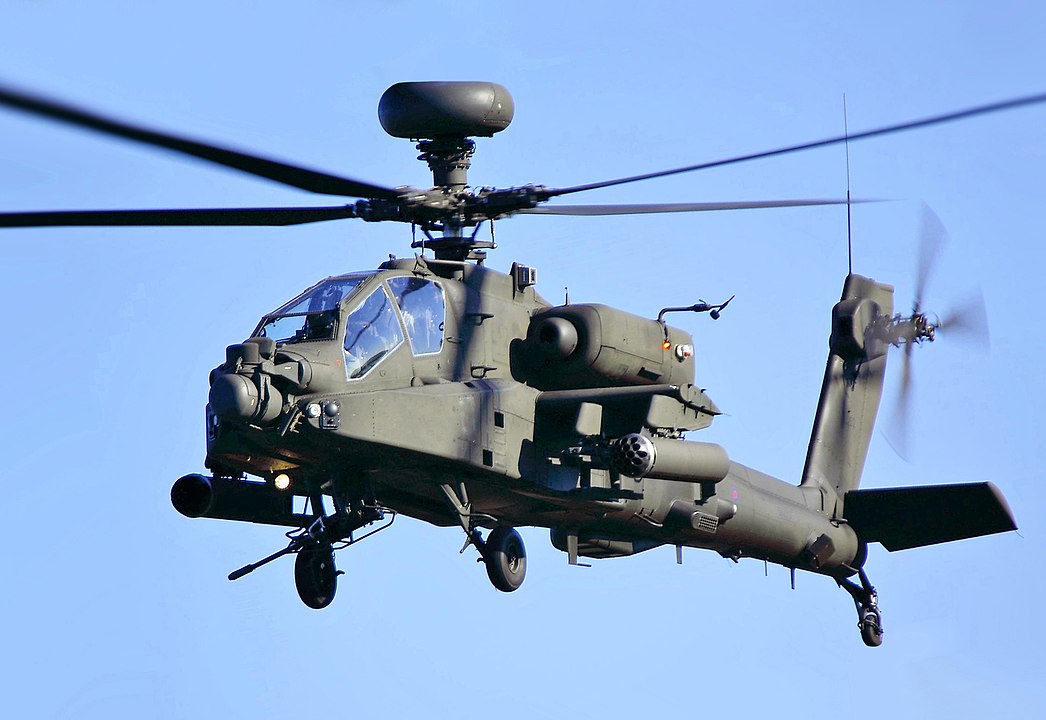
WASHINGTON— The USS Abraham Lincoln, one of the US Navy’s most powerful nuclear-powered aircraft carriers, can embark nearly 90 fixed-wing and rotary-wing aircraft at full surge capacity. Despite this immense capability, one notable absence from its flight deck is the AH-64 Apache attack helicopter, a mainstay of US Army aviation.
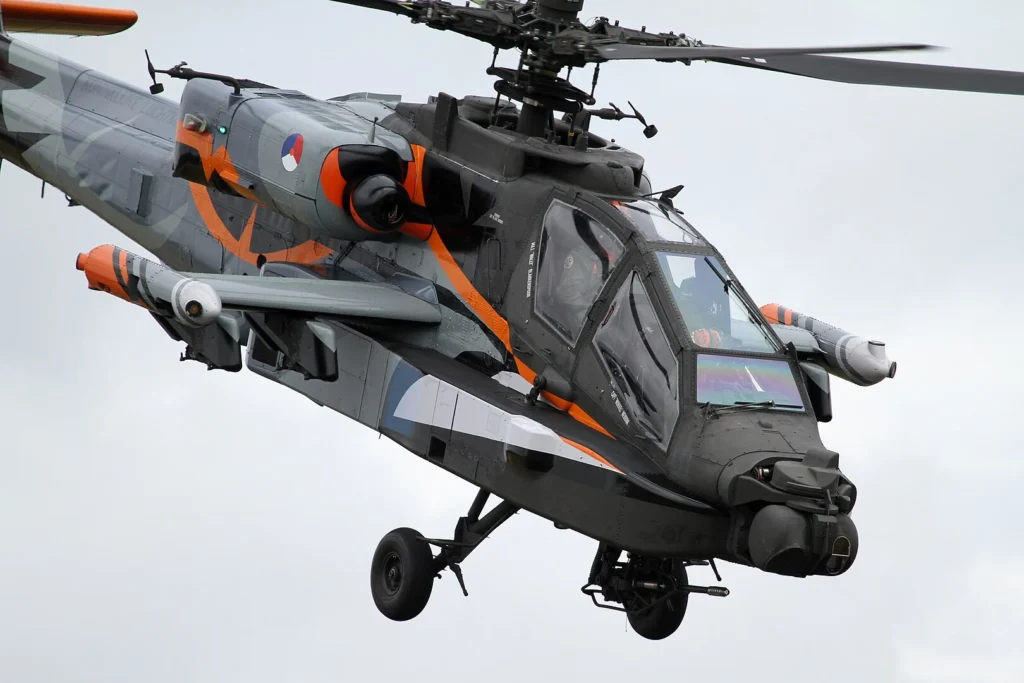
Although the carrier routinely operates advanced aircraft and helicopters designed for maritime warfare, the Apache remains incompatible with carrier operations. The reasons are technical, operational, and logistical, reflecting the fundamental difference between land-based combat aviation and naval aviation.
USS Abraham Lincoln Apache Restrictions
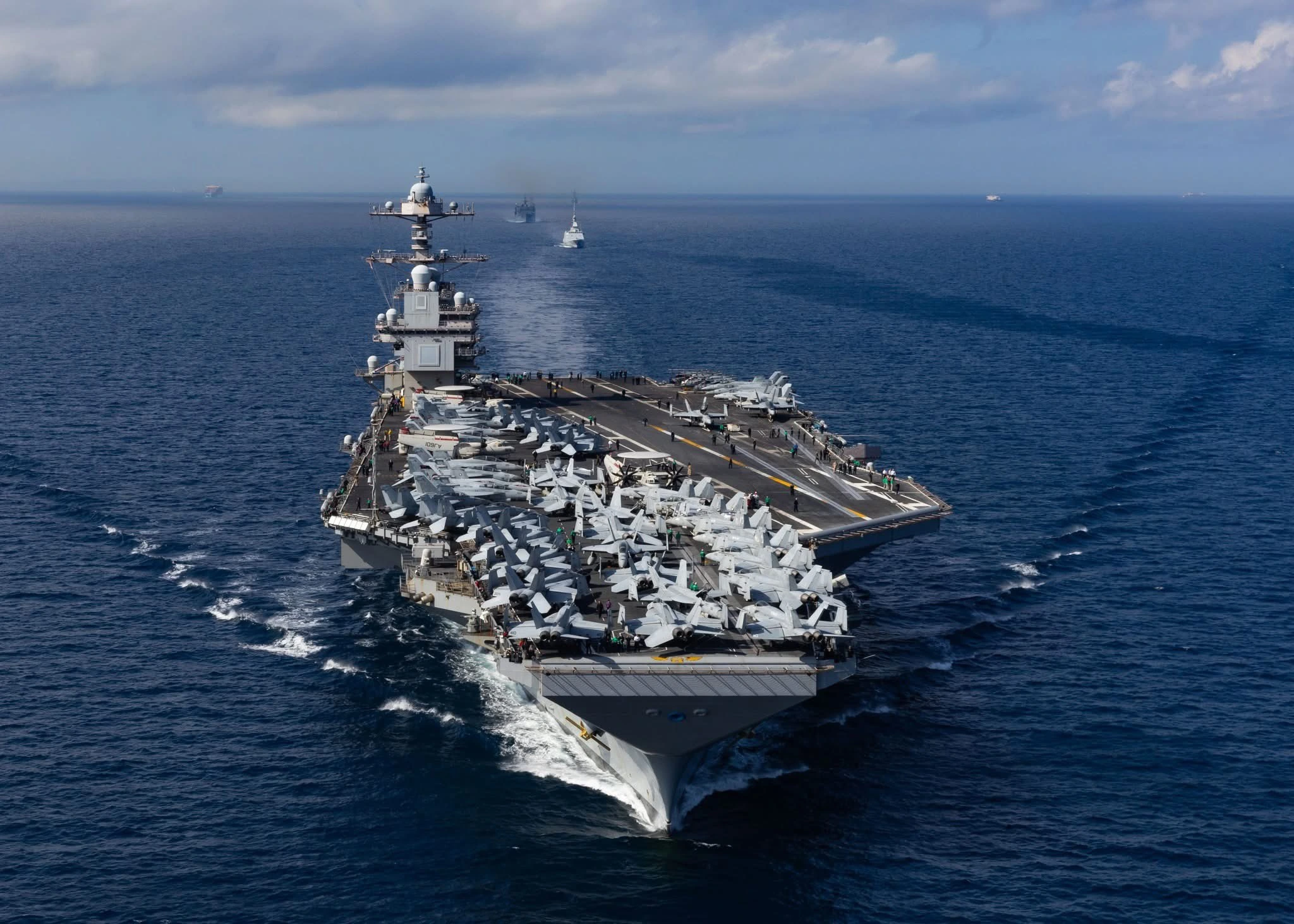
The USS Abraham Lincoln is engineered around a tightly integrated naval aviation ecosystem. Every aircraft in its air wing is designed to withstand corrosive salt air, violent deck motion, and the intense tempo of carrier flight operations.
While the carrier has hangar space and deck capacity for up to 90 aircraft, that space is optimized for naval platforms such as the F/A-18 Super Hornet, F-35C, and marinised helicopters. Introducing a non-naval aircraft disrupts this balance and reduces operational efficiency.
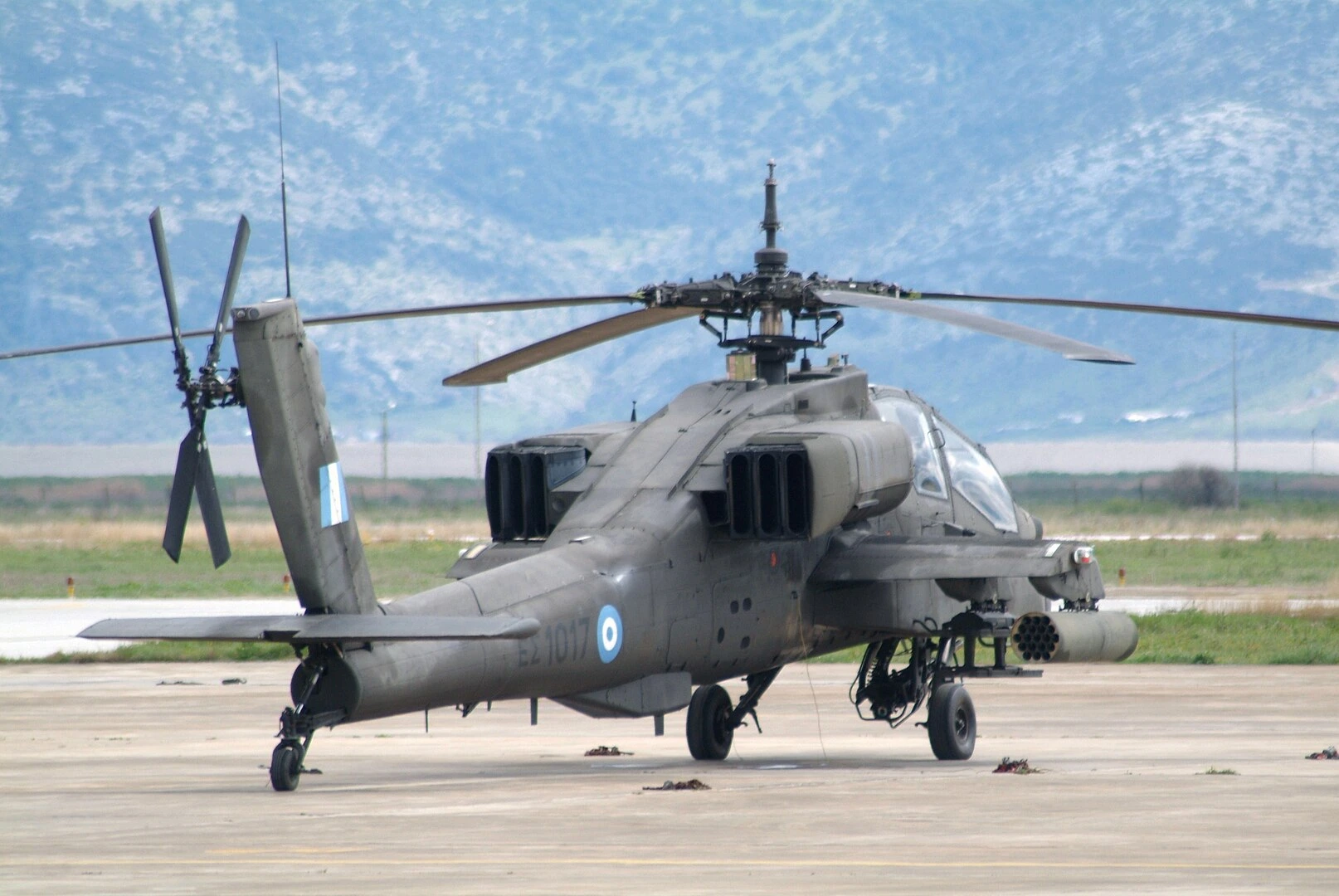
The Apache was never intended to function within this environment. Its design priorities focus on survivability over land, close air support, and coordination with ground forces, not sustained maritime deployment.
Apache Design Limits
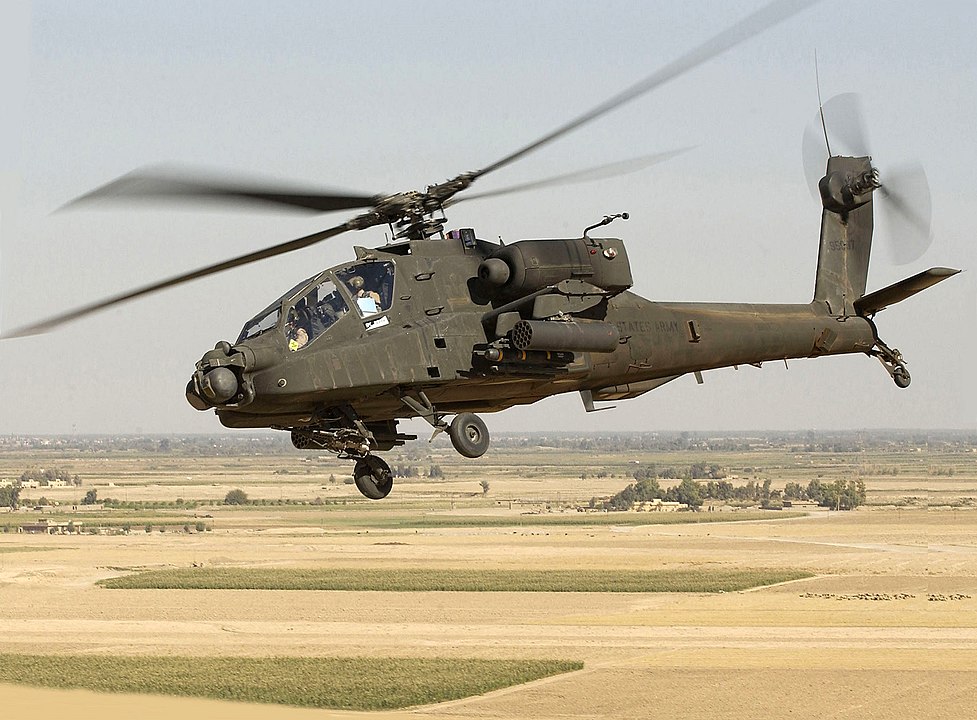
Saltwater exposure presents one of the most serious challenges for the Apache. Unlike naval helicopters, the AH-64 lacks extensive anti-corrosion treatments needed for long-term exposure to sea spray and humid ocean air.
The helicopter’s rotor system also poses problems. Apache rotors do not fold automatically, consuming significantly more hangar space than naval helicopters and slowing aircraft movement during high-tempo operations.
Deck stability is another concern. The Apache’s narrow landing gear increases tipping risk on a rolling carrier deck, requiring immediate heavy tie-downs that complicate flight deck safety and efficiency.
Naval Alternatives
Logistical compatibility further limits Apache operations at sea. Aircraft carriers carry spare parts, tools, and ammunition tailored for Navy and Marine Corps aircraft, not Army-specific systems such as the Apache’s 30mm cannon or unique engine components.
Communications systems also differ. According to Wion News, Apache sensors and data links are optimized for coordination with ground units rather than integration into a carrier strike group’s combat network.
For maritime attack missions, the Navy and Marine Corps rely on the AH-1Z Viper. This helicopter offers similar firepower but includes folding rotors, corrosion protection, and full compatibility with carrier operations.
Bottom Line
The USS Abraham Lincoln can carry nearly 90 aircraft, but the AH-64 Apache remains excluded due to corrosion risks, storage inefficiency, deck safety concerns, and logistical incompatibility.
While Apaches may occasionally land on ships for short missions, they are not designed for permanent carrier deployment.
Naval attack roles are better fulfilled by helicopters engineered specifically for life at sea.
Stay tuned with us. Further, follow us on social media for the latest updates.
Join us on Telegram Group for the Latest Aviation Updates. Subsequently, follow us on Google News
