

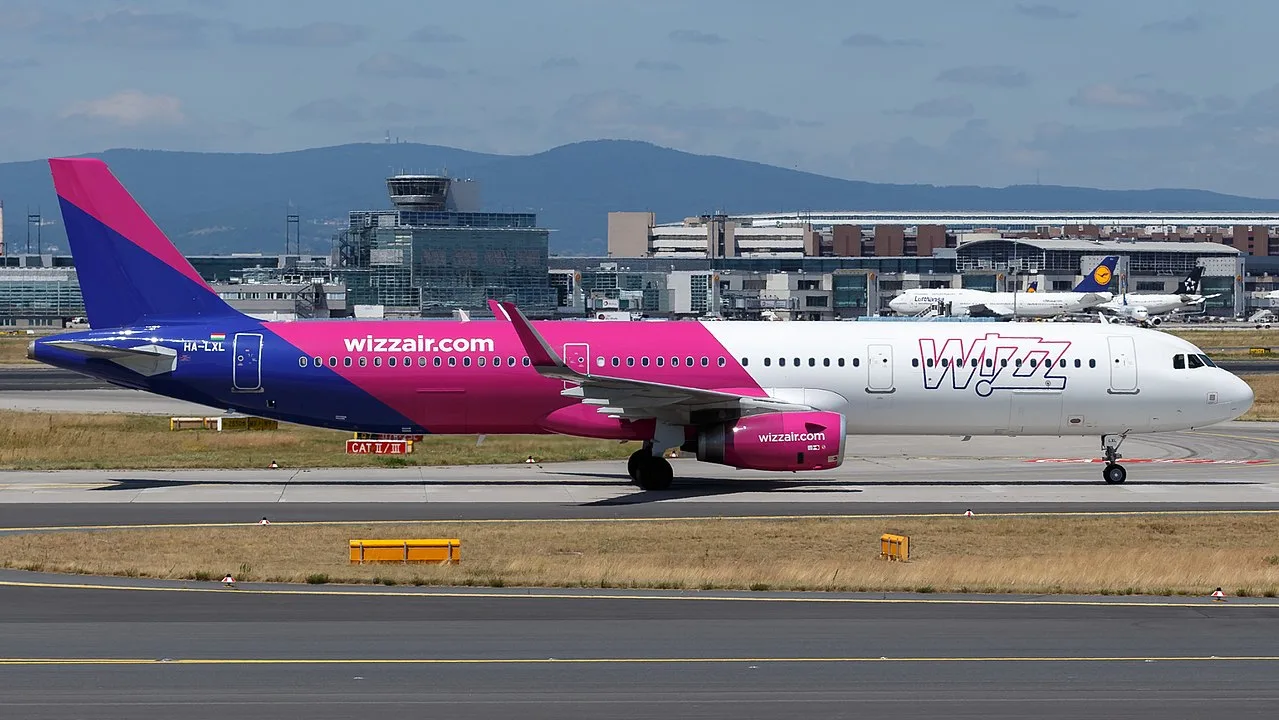
LONDON- Wizz Air UK (W9) has formally applied for authorisation to operate flights between the United Kingdom and the United States, marking a notable shift in its public stance on transatlantic flying. The application was submitted to the US Department of Transportation in January 2026.
The airline plans to use the Airbus A321XLR to support these operations, initially through passenger charter services. Potential routes could link London Gatwick Airport (LGW) with major US gateways such as New York John F. Kennedy International Airport (JFK).
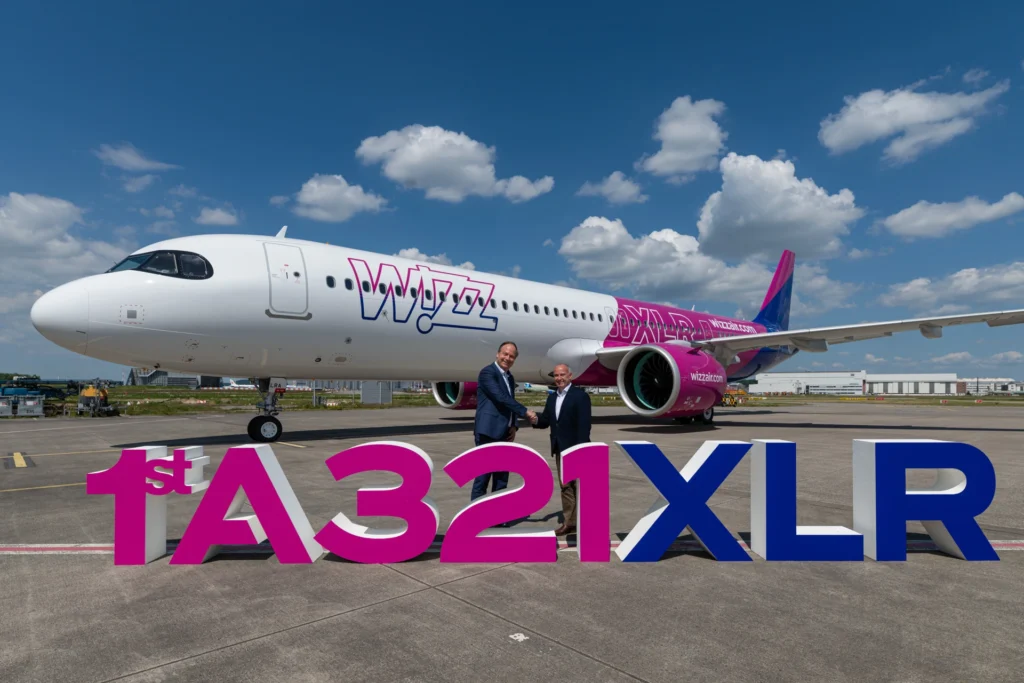
Wizz Air UK Plans US Flights
Wizz Air UK has requested both an exemption and a foreign air carrier permit from the US Department of Transportation. Approval would allow the airline to operate scheduled and charter air transport services for passengers, cargo, and mail between the UK and the US.
The filing relies on the 2020 UK-US Open Skies Agreement, which allows airlines from both countries to operate without restrictions on capacity, frequency, or pricing. This framework enables Wizz Air UK to seek market access without bilateral limitations.
The airline’s strategy prioritises passenger charter flights. Importantly, the application explicitly asks for the flexibility to introduce scheduled services later without requiring additional DOT approvals. This structure allows Wizz Air UK to test demand and operational performance before committing to a full scheduled network.
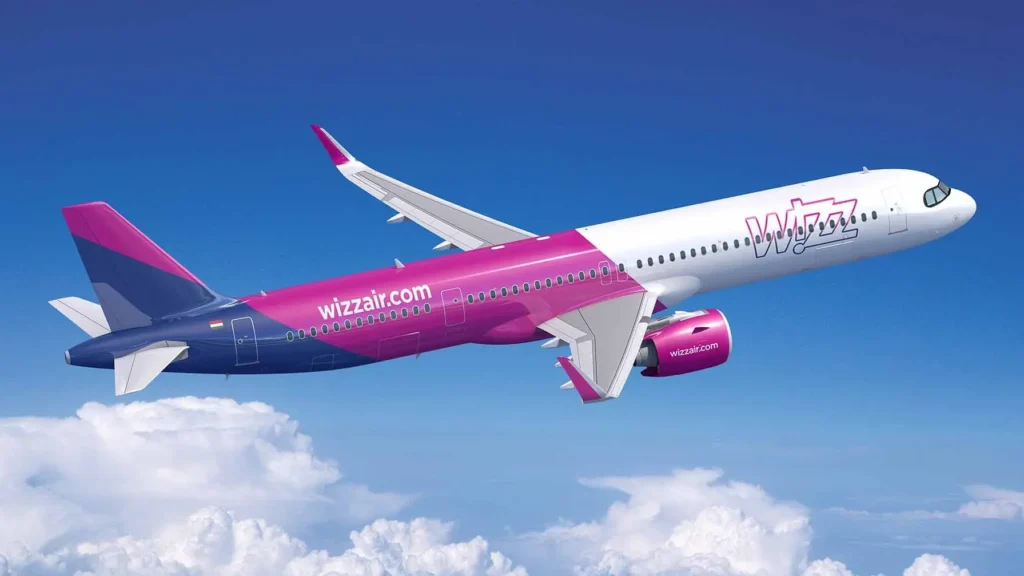
Airbus A321XLR Enables This
The Airbus A321XLR sits at the core of Wizz Air UK’s long-haul plans. With a maximum range of around 4,700 nautical miles, the aircraft can operate nonstop routes across the Atlantic that were previously limited to widebody fleets.
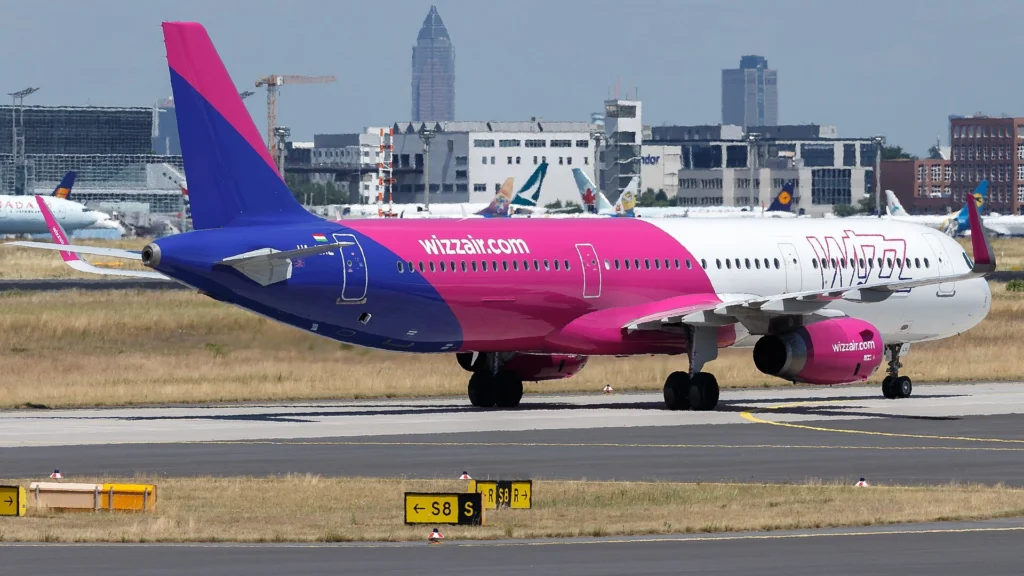
Wizz Air UK currently has three A321XLR aircraft registered, with two in active service. The third remains under repair following a tail strike incident in Prague in September 2025. Across the wider group, Wizz Air Malta operates two additional A321XLRs. Both are grounded and currently used as engine donors to support fleet availability elsewhere.
In November 2025, Wizz Air revised its agreement with Airbus, reducing its A321XLR order from 47 aircraft to 11, including those already delivered. The remaining delivery slots were converted to the A321neo. This change reflects a narrower, more selective use of the XLR rather than broad long-haul expansion.
From the UK, the aircraft allows nonstop access to much of the eastern and central United States, aligning with point-to-point markets where lower-density demand can support narrowbody economics.
Ownership and Control Remain Central to DOT Review
Ownership structure is likely to be a decisive factor in the DOT’s assessment. Wizz Air UK is a British-registered airline and a wholly owned subsidiary of WA Holdings, a company listed on the London Stock Exchange.
The application highlights that William Franke, chairman of WA Holdings, is a US citizen. The airline suggests this may support an exemption under US foreign ownership and control rules. US regulators, however, have historically applied strict scrutiny to such claims, and outcomes remain uncertain.
This is not Wizz Air’s first interaction with the DOT. In January 2022, the airline applied for a foreign air carrier permit to conduct cargo operations during the COVID-19 recovery period. That request was denied after the DOT concluded US carriers were capable of meeting market demand with their own fleets.
What does Filing Signal About Long-Haul Stance?
The application represents a potential recalibration of Wizz Air’s long-term strategy. The airline has consistently avoided transatlantic passenger services, with leadership previously stating that long-haul economics conflicted with its ultra-low-cost model.
Recent developments suggest a more cautious reassessment rather than a full reversal. In late 2023, a Wizz Air UK A321XLR was used to operate a diplomatic flight to Washington, drawing attention to the aircraft’s long-range capability and operational readiness.
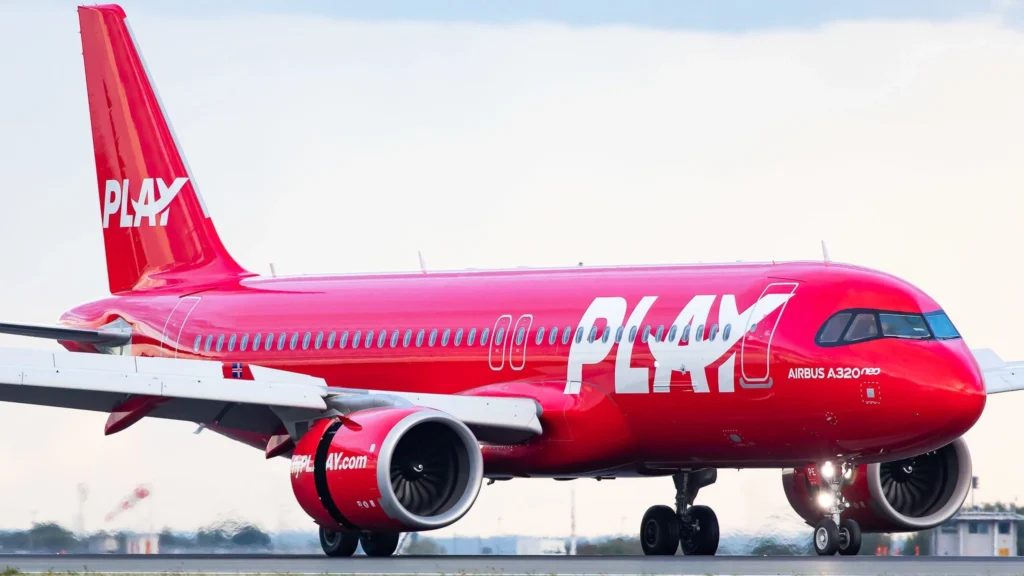
If Wizz Air UK proceeds, it will enter a market where low-cost transatlantic operators have struggled. Norwegian, Primera, and PLAY Airlines all failed to sustain long-haul budget models, reinforcing industry scepticism around profitability in this segment.
Responses to Wizz Air UK’s exemption request are due by 9 February, while comments on the permanent foreign air carrier permit close on 13 February. The DOT’s decision will offer early insight into whether Wizz Air’s resistance to transatlantic flying is beginning to soften.
Stay tuned with us. Further, follow us on social media for the latest updates.
Join us on Telegram Group for the Latest Aviation Updates. Subsequently, follow us on Google News
