

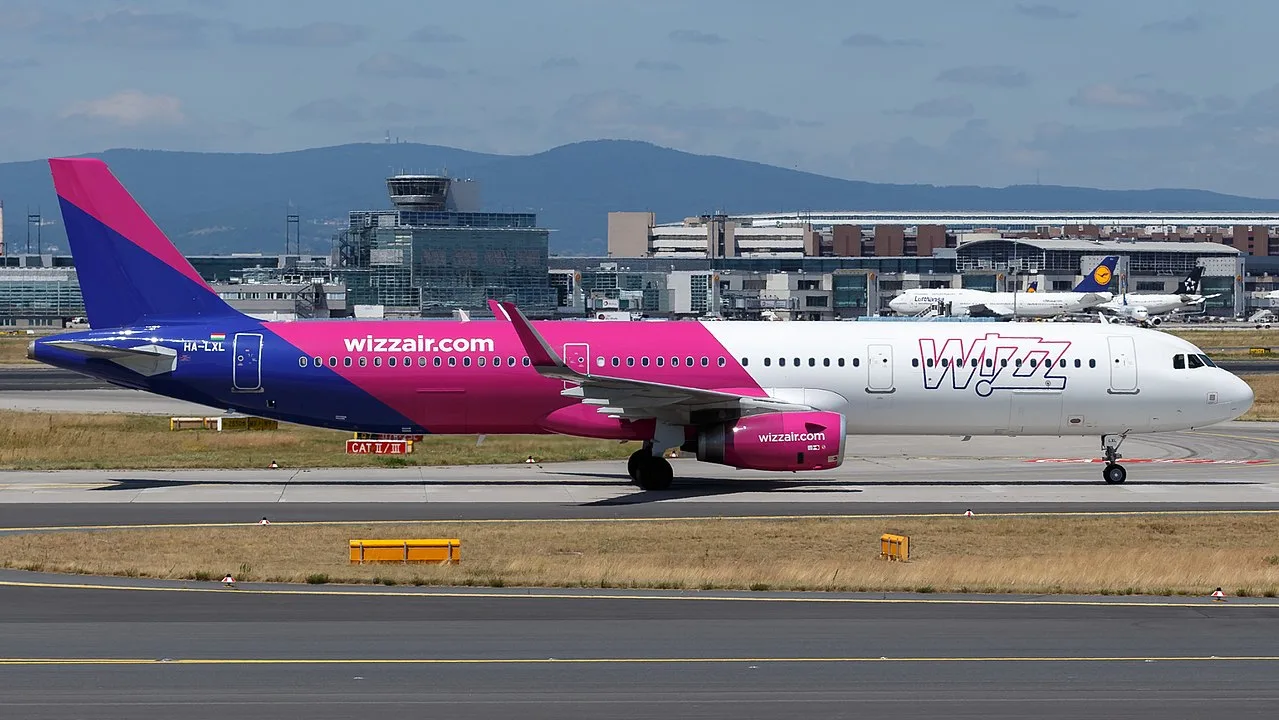
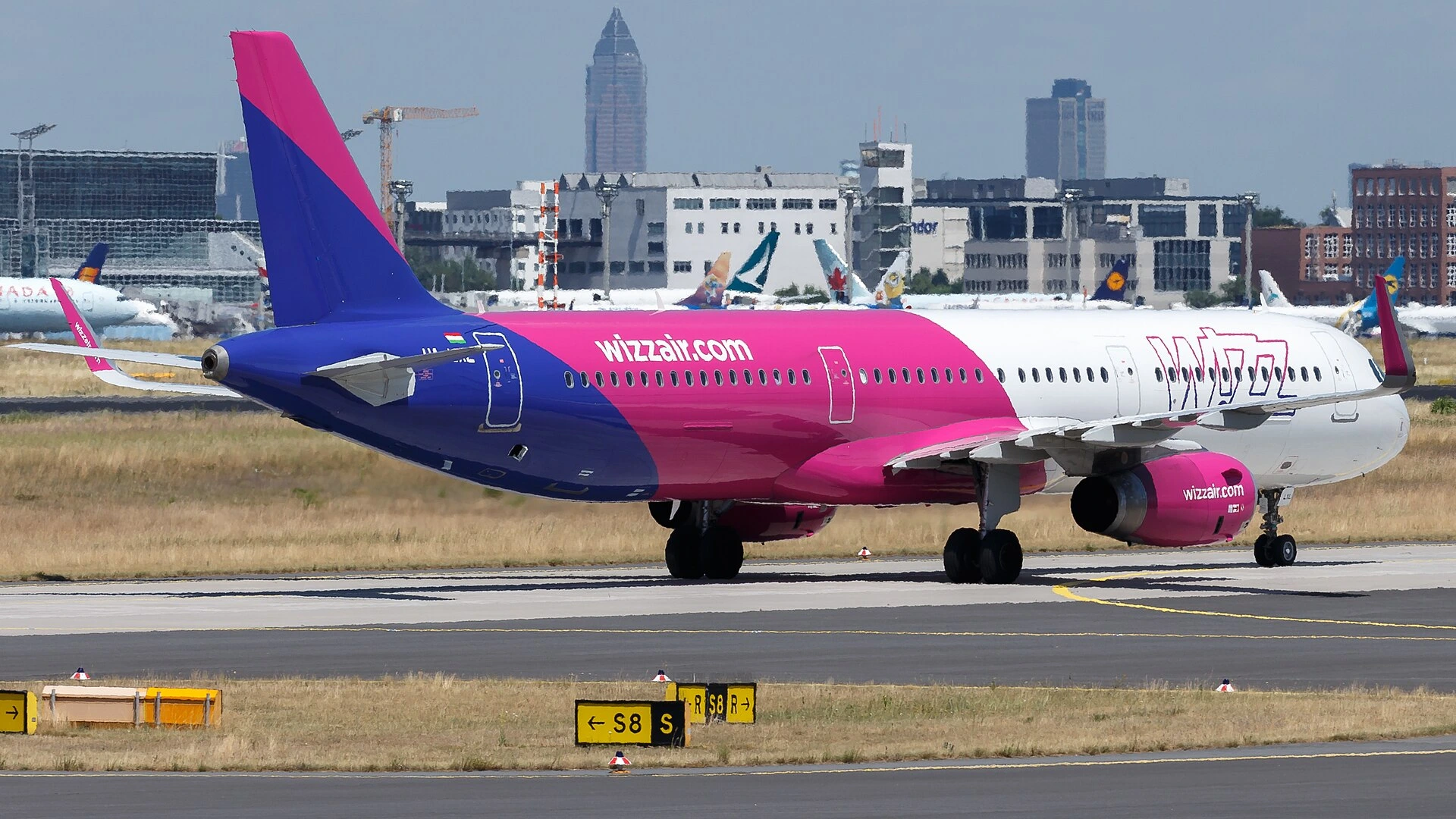
BUDAPEST- Low-cost carrier Wizz Air (W6) has unveiled a fleet overhaul plan that will see it operate an exclusively A321neo-family aircraft line-up by fiscal 2033. The revised schedule means the airline will retire all older A321s and most A320s.
Wizz now expects to operate a fleet of 379 aircraft by 2033, including 368 standard A321neos and 11 long-range A321XLRs. The fleet currently stands at 243 units, having received 16 new A321neos and three A321XLRs in the first half of the fiscal year, while returning seven older A320s.
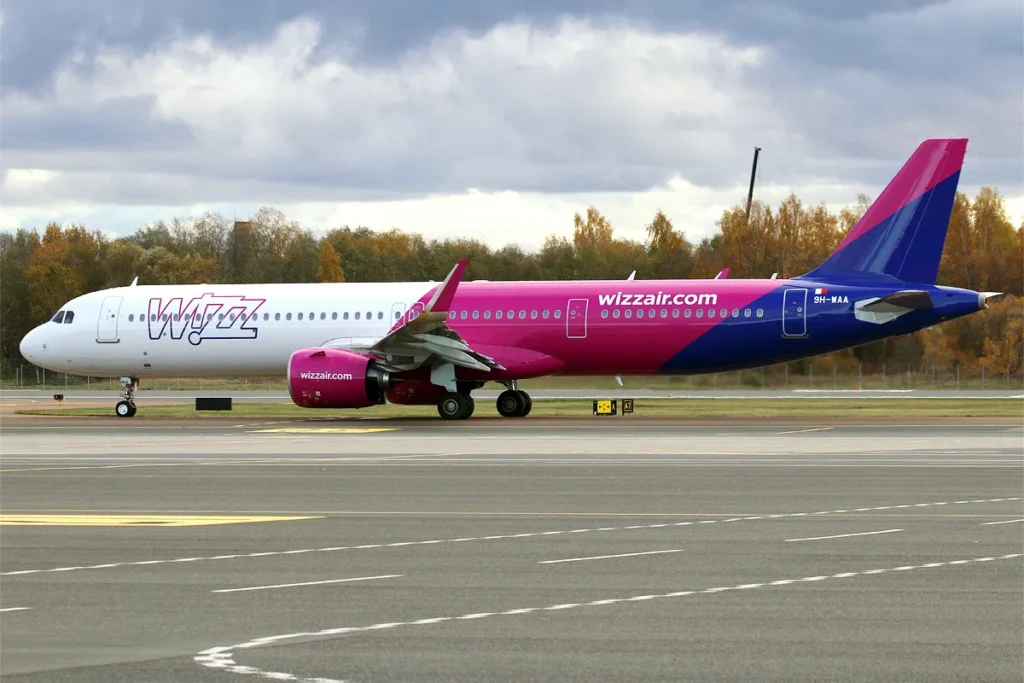
Wizz Air All-A321neo Fleet
The carrier plans to withdraw 41 older A321s and most of its A320ceo/neo aircraft by fiscal 2029, but will retain six A320neos and two older A320-series jets for a further four years to maintain fleet flexibility, reported Flight Global.
According to the half-year briefing, the complete transition to an all-neo fleet is in motion, aligning with the company’s cost-efficiency goals.
In a strategic shift, Wizz Air has converted 36 of its previous 47 A321XLR orders into standard A321neos, reducing its XLR commitment to 11 aircraft.
Alongside this, the airline has deferred 88 Airbus deliveries originally due by fiscal 2030 to a later delivery window ending in 2033. The total orderbook remains at 273 aircraft.
Chief Executive József Váradi described the transition to a 10-12% annual seat-growth target as “more sustainable” and said significant changes to the delivery profile would become visible in about 12 months.
Network Strategy Shift
Following the closure of its joint venture in Abu Dhabi, Wizz Air has re-oriented its expansion towards Central and Eastern Europe.
New bases will launch at locations such as:
- Warsaw Modlin Airport (WMI)
- Tuzla International Airport (TZL)
- Yerevan Zvartnots International Airport (EVN)
- Bratislava Airport (IATA BTS), each starting with two aircraft.
Wizz expects these hubs to contribute meaningfully to cost savings starting fiscal 2027. In parallel, the airline will strengthen core markets such as Skopje, Sofia, Katowice, Wrocław, Kraków, Gdańsk, Tirana, and Chişinău.
Financial Performance & Operational Challenges
For the six months to 30 September 2025, Wizz Air reported a 25 % year-on-year increase in operating profit to €439 million and a modest rise in net profit to €323 million.
As of the half-year point, 35 aircraft remained grounded for engine inspections of the Pratt & Whitney GTF series; this number is down from 41 at the end of the first quarter.
Wizz anticipates groundings will reduce further to around 25-30 aircraft in the next fiscal year.
Bottom Line
Wizz Air’s re-shaped fleet plan reflects a clearer focus on cost-control and sustainable growth rather than aggressive expansion.
By converting long-haul-capable A321XLR orders to standard A321neos and deferring delivery timelines, the airline is aligning its network ambitions with its European low-cost value proposition.
Its commitment to an all-neo fleet by 2033 positions Wizz to continue reducing unit costs and improving operational efficiency.
Stay tuned with us. Further, follow us on social media for the latest updates.
Join us on Telegram Group for the Latest Aviation Updates. Subsequently, follow us on Google News
