

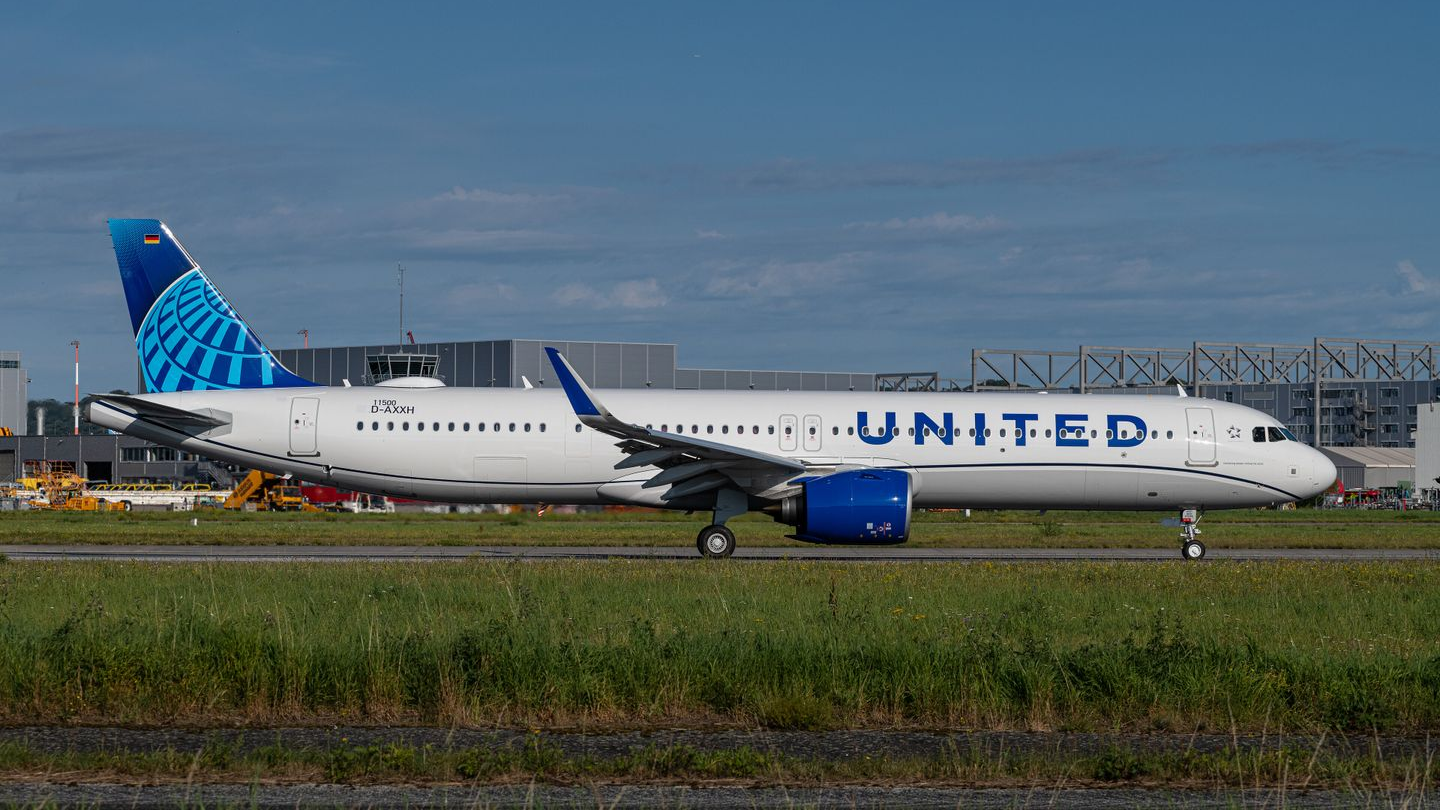
CHICAGO- United Airlines (UA), headquartered in Chicago (ORD), has officially confirmed a new seating concept for its Airbus A321XLR fleet. The carrier will block two center seats in economy, reducing the aircraft from 152 seats to 150 seats.
The airline presents the change as an enhanced passenger product with extra leg and elbow room. However, the reduced seat count also lowers the minimum number of flight attendants required on board, a threshold that rival American Airlines (AA) does not meet on its own A321XLRs.
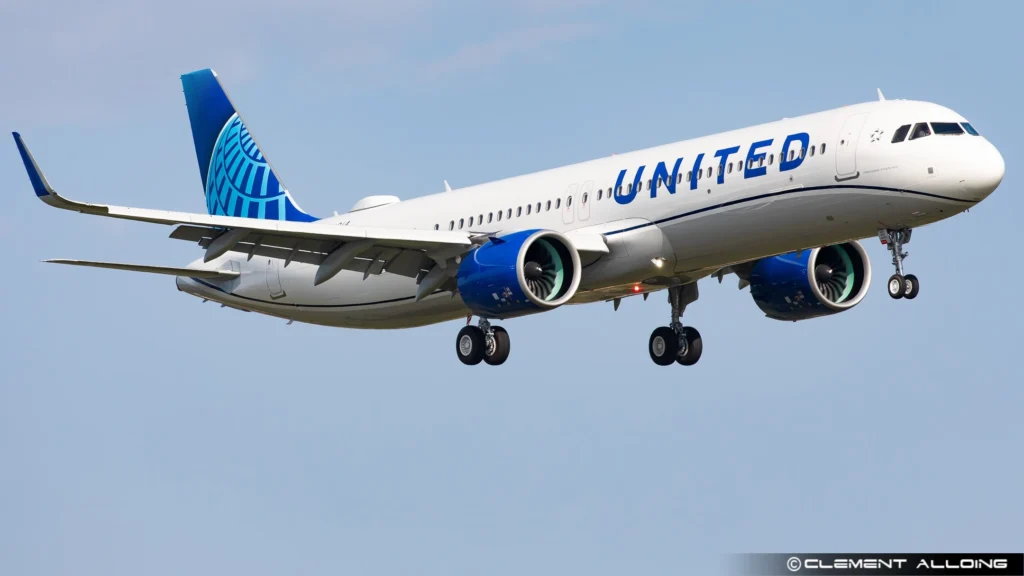
United Will Reconfigure the A321XLR Cabin
United’s Airbus A321XLR is officially configured with 152 seats. That total includes 20 seats in business class, 12 seats in premium economy, and 120 seats in economy.
The airline now intends to bring that figure down to 150 seats by removing two economy seats from the count. Rather than physically stripping seats out of the cabin, United will block them.
The economy cabin uses a 3-3 layout. In one row of six seats, the two center seats will be blocked and fitted with a physical divider so they cannot be occupied. The result is a hard product similar to intra-Europe business class, where the middle seat is blocked to create additional personal space for the passengers on either side.
The blocked seats sit in the Economy Plus section. Because the seats cannot be used once the divider is installed, the aircraft technically operates with a certified capacity of 150 seats, OMAAT reported.
The Concept Was Visible on the Original Seat Map
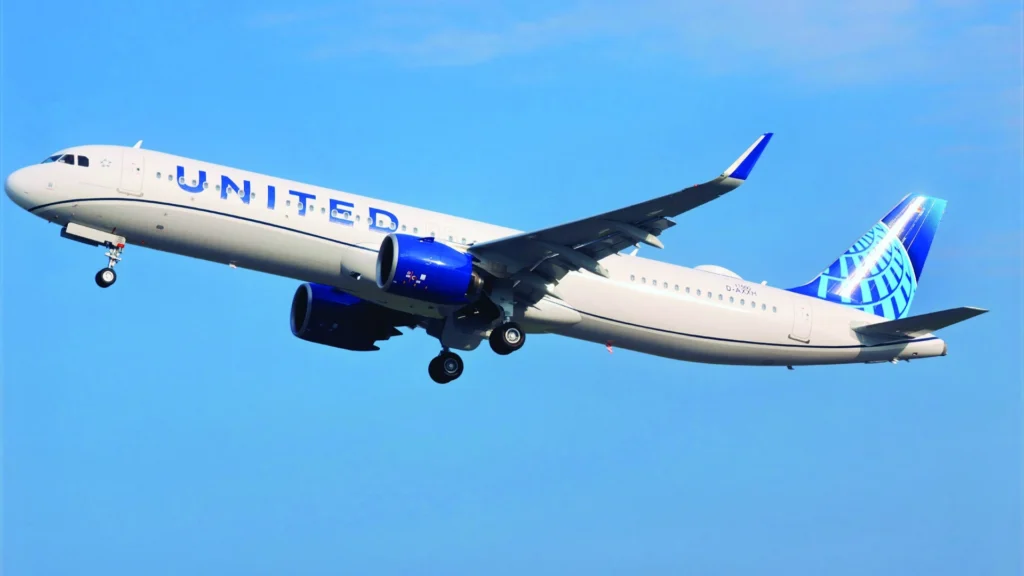
Details of the plan leaked several weeks before the official announcement, but evidence of it appeared much earlier. The initial United A321XLR seat map, shared publicly by aviation source JonNYC in September 2025, already showed two blocked seats in the row immediately behind the exit row.
United has said it will put these seats on sale later this year. The airline has not yet explained how they will be monetized.
Several questions remain unanswered. It is unclear whether the seats will carry an extra charge above a standard Economy Plus fare, whether they will be assigned on a first come, first served basis, or whether another model will apply. Service levels are expected to match the rest of the economy cabin.
For now, the feature is exclusive to the A321XLR. United has said it is exploring offering these types of seats on other aircraft types in the future.
What United Says About the Product
United Chief Commercial Officer Andrew Nocella framed the announcement as part of a wider fleet investment.
We’re investing nose-to-tail across our fleet and giving customers choice and value in every cabin. The XLR is our newest aircraft and not only offers all-aisle access lie-flat seats in United Polaris® but now also includes seats in Economy Plus with extra leg and elbow room. Our customers are going to love all these new options.”
Why the Seat Count Matters for Crew Staffing
The commercial logic behind the change is tied directly to federal staffing rules.
Under FAA regulations, airlines must carry a minimum of one flight attendant for every 50 seats. A 150-seat aircraft therefore requires three flight attendants, while a 152-seat aircraft requires four.
An additional rule applies to premium cabins. Aircraft fitted with business class suites that have doors require one extra flight attendant. Applied to the A321XLR, that raises the minimum from three to four flight attendants at 150 seats, and from four to five flight attendants at 152 seats.
By dropping two seats, United moves the aircraft from a five-flight-attendant minimum to a four-flight-attendant minimum.
United Confirms Some Flights Will Carry Four Crew
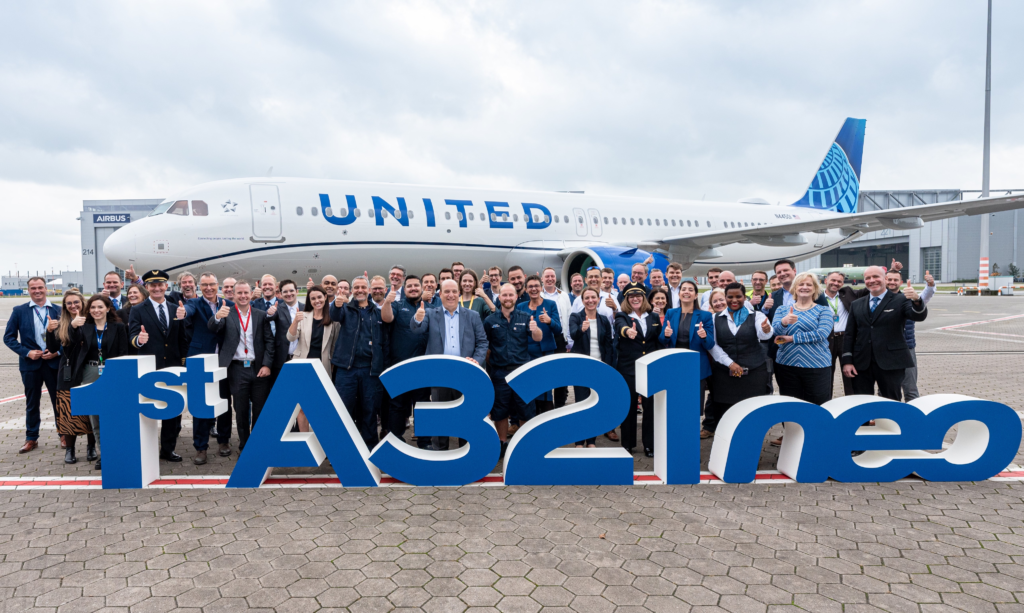
United has stated that it will operate most A321XLR routes with five flight attendants, but not all of them. The airline has confirmed that some flights will be staffed with the four flight attendant minimum.
That distinction matters because the aircraft is not intended for domestic transcontinental flying. United plans to use the A321XLR exclusively on long-haul international routes.
On a flight staffed with four crew members, two flight attendants would typically be assigned to the business class cabin, with one working the galley and one working the aisle.
That leaves two flight attendants to serve 12 premium economy passengers and 118 economy passengers across a long-haul sector. Service on those flights is likely to be noticeably slower.
Certifying the aircraft at 150 seats does offer one operational benefit. If a crew member calls in sick at the last minute, the airline can still legally operate the flight with four flight attendants rather than cancelling or delaying it. However, United has confirmed that four-flight-attendant staffing is not limited to that contingency scenario.
Cost Pressures on Narrow-Body Long Haul
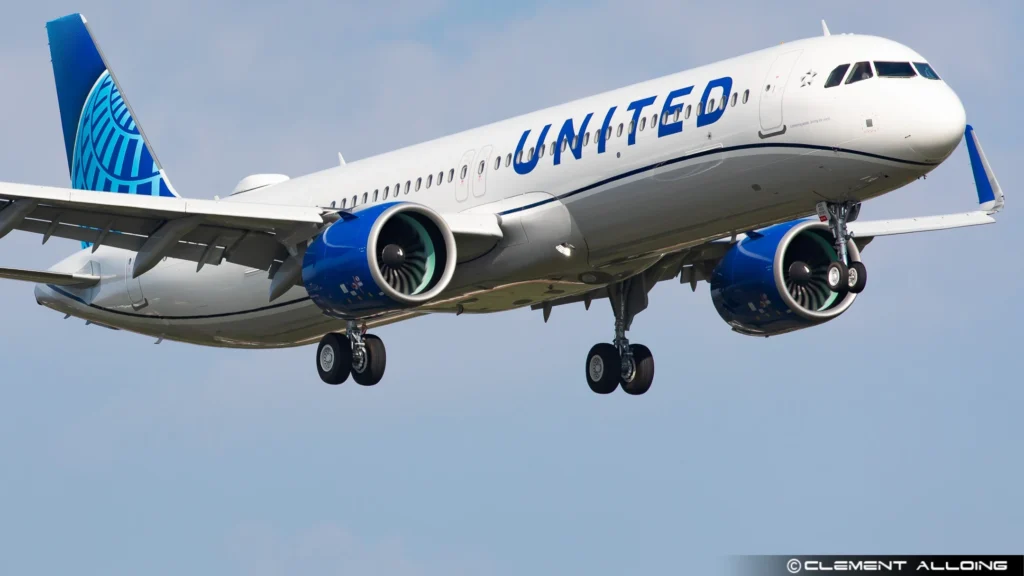
The economics of operating narrow-body aircraft on long-haul routes are challenging. Cost control is a central factor, particularly following a new and expensive flight attendant contract at United.
Giving up two revenue seats on every flight is itself a cost. That trade only makes commercial sense if the reduced crew requirement, or the revenue generated by the new blocked-middle product, outweighs the lost seats.
How American Airlines Compares
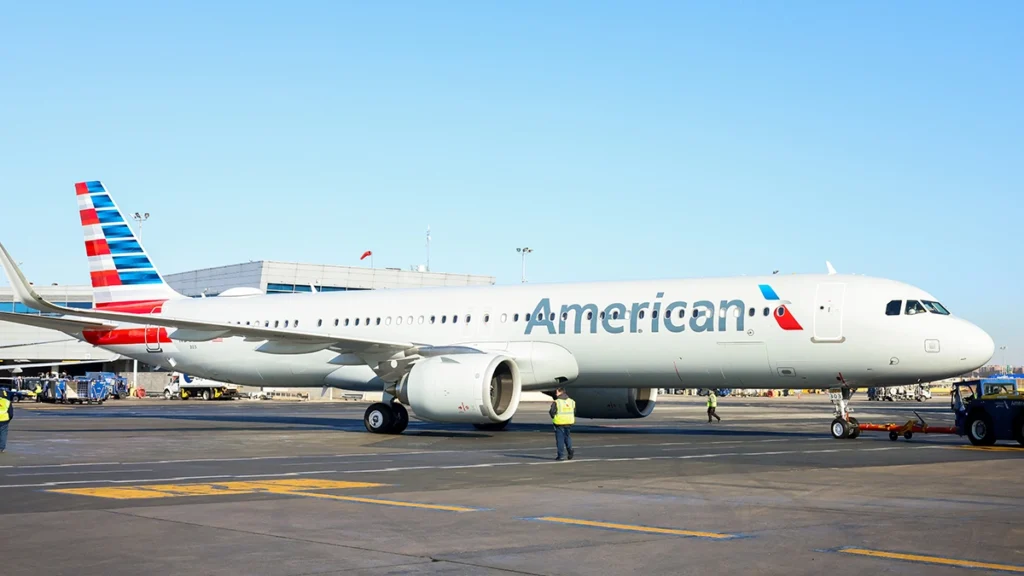
American Airlines (AA) has configured its Airbus A321XLRs with 155 seats. That capacity places the aircraft firmly above the 150-seat threshold, so American is required to carry a minimum of five flight attendants.
In practice, American frequently staffs its A321XLR flights with six flight attendants.
Bottom Line
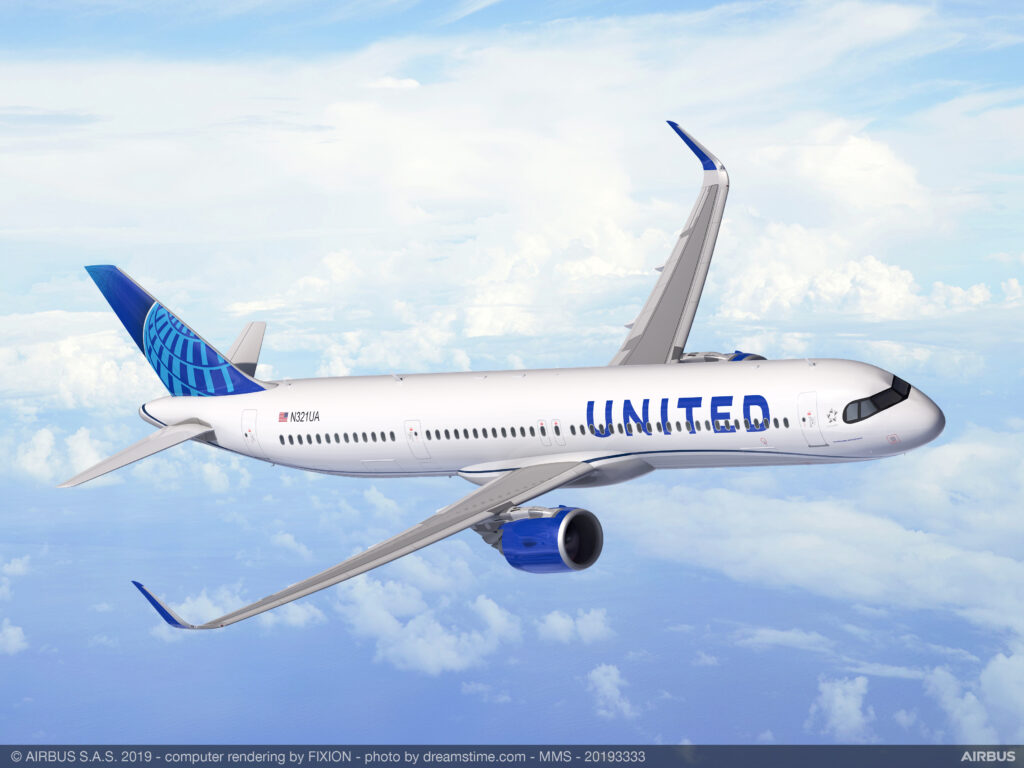
United Airlines will block two center economy seats on its Airbus A321XLR, creating an intra-Europe style product with a divider between the blocked seats. The airline markets the change as added choice and comfort in Economy Plus.
The practical effect is a reduction in certified capacity from 152 seats to 150 seats, which lowers the minimum crew requirement from five flight attendants to four. United has confirmed that some A321XLR flights will operate with that four-flight-attendant minimum, and passengers on those services should expect slower cabin service.
Stay tuned with us. Further, follow us on social media for the latest updates.
Join us on Telegram Group for the Latest Aviation Updates. Subsequently, follow us on Google News
