

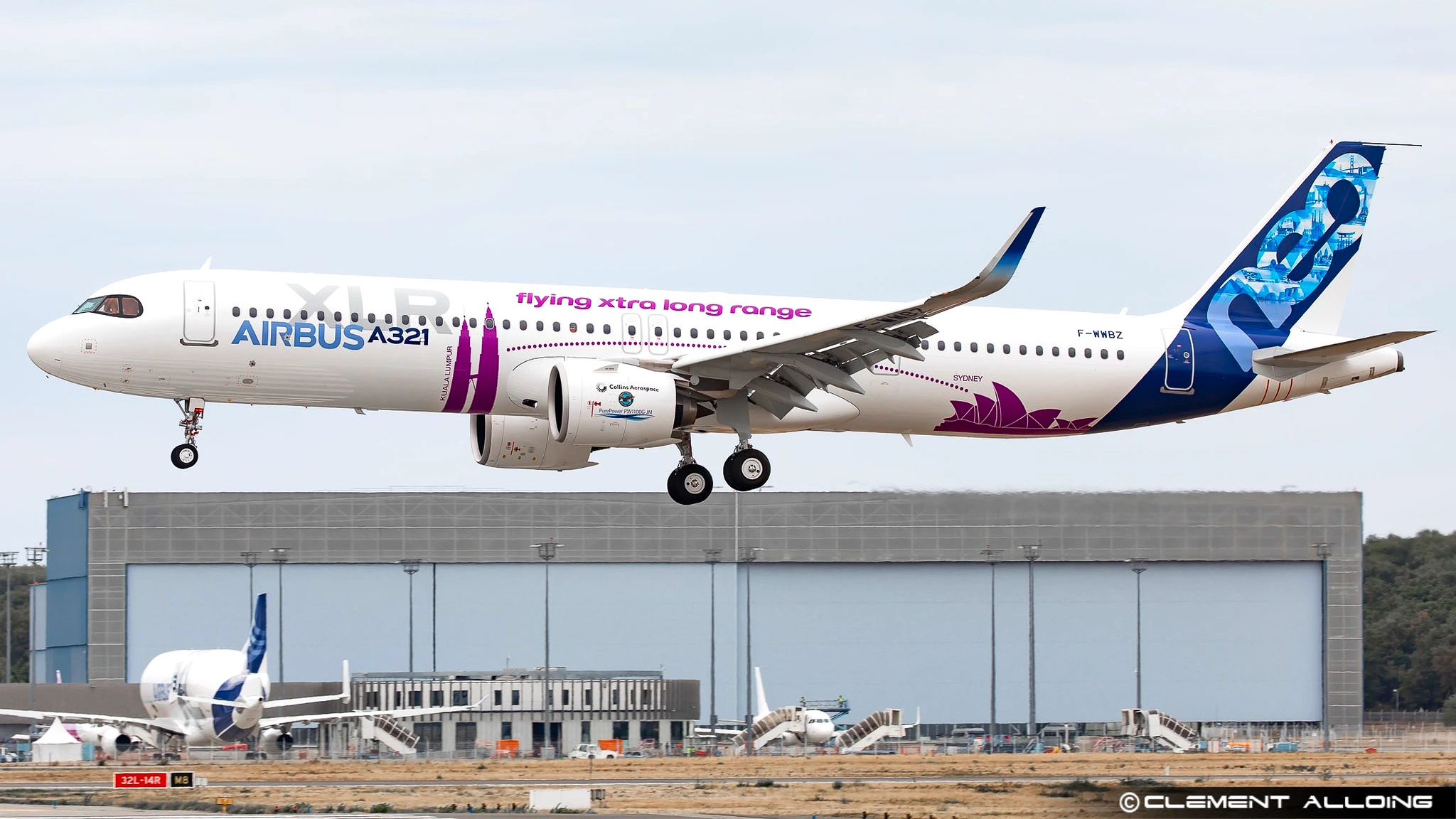
TOULOUSE- Airbus is preparing the next round of design upgrades for its A320 Family, more than 40 years after the programme first entered service. The package, known as STEP4, targets the A320neo, A321neo, and A321XLR, and aims to keep the single-aisle line competitive well beyond 2030.
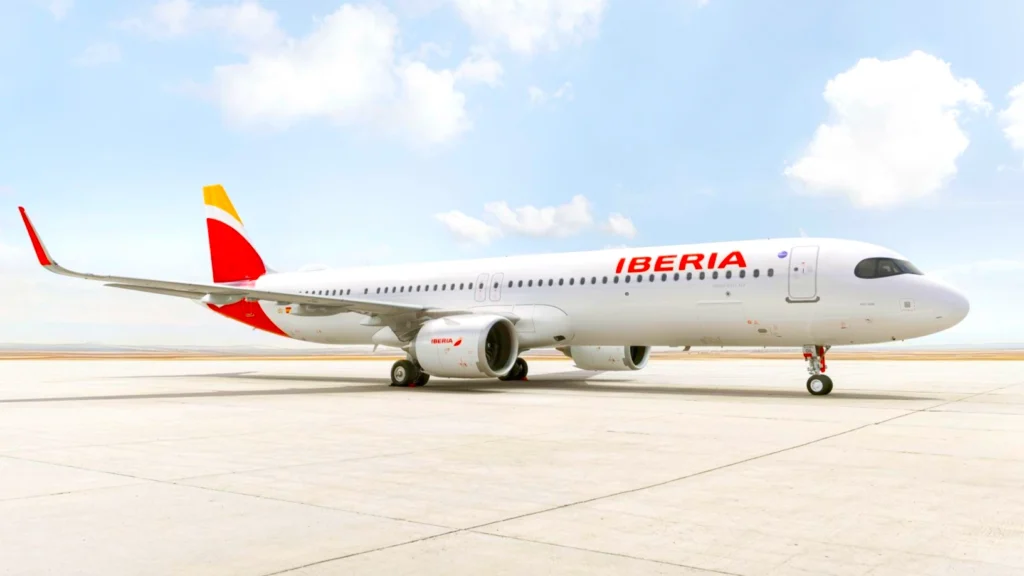
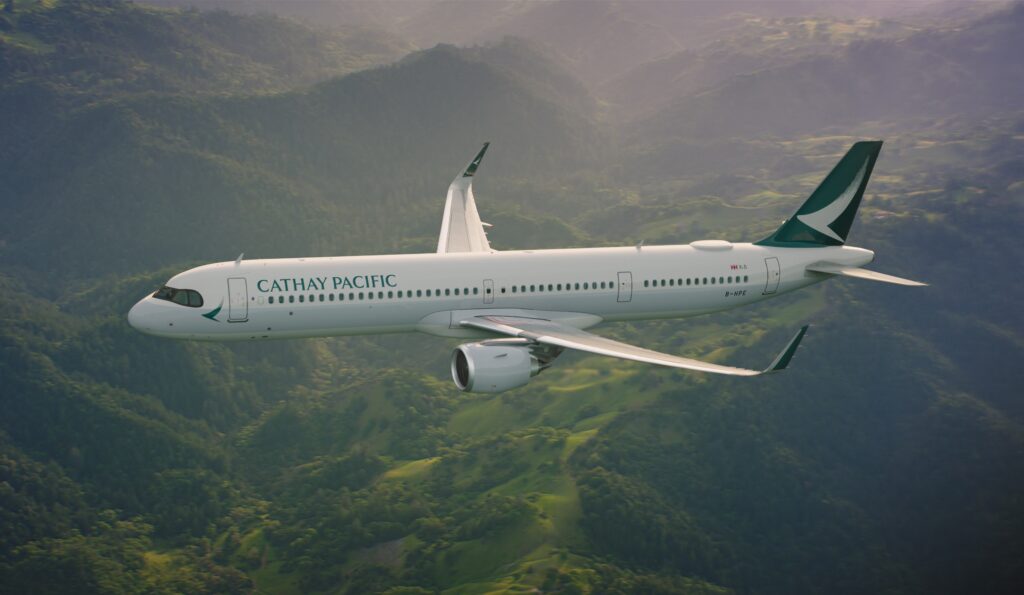
The A321XLR, which entered service in late 2024 with launch customer Iberia (IB), now sets the design baseline for the family. Airbus reaches beyond the XLR with STEP4 by combining proven XLR features with brand-new structural and systems upgrades across every variant.
How STEP4 Builds On Airbus A321XLR
Since its launch more than 40 years ago, the A320 Family has evolved through steady product improvements rather than complete redesigns.
Airbus began the STEP4 projects while the A321XLR was still in its design and production phases. The goal is to improve the platform step by step, connect today and tomorrow, raise its producibility, and keep it competitive past 2030.
The label stands for Synchronized Targeted Embodiment Point, and STEP4 is the latest package for the A320neo, A321neo, and A321XLR. Rather than launch a new aircraft, Airbus modernises existing platforms with proven technologies.
The first quick win is to take features already developed for the A321XLR and infuse them back into the A321neo and A320neo, while keeping operational commonality with A320 Family aircraft already flying.

A321neo Inherits XLR Wing And Systems
Several XLR features move across to the A321neo. These include the lighter and simplified wing with a single-slotted inboard flap, which replaces the A321neo’s double-slotted inboard flap.
The list also covers forward cabin temperature zones, the new e-Rudder, new generic flight control laws, a new flight data management unit, and updated Multi-Functional Runway Lights (MFRL).
The e-Rudder delivers weight savings over the legacy unit, along with better reliability and lower maintenance costs.
Torsten Hartung, Head of A320 Family Development, explained the approach: “We are putting the good ingredients from our XLR development on our high-volume platform onto the A321neo. How do we do that? By ‘marrying’ various new features, including the improved wing, which we have developed for the XLR, onto the A321neo.”
Putting these features back into the A321neo helps airline operations and maintenance, and it raises commonality in both production and design.
Hartung set out why the A321neo was the right target: “The A321neo, being an established programme, was a prime candidate to benefit from modernisation of its flight controls and other aspects. It was logical therefore to take features (ie. the wing, e-Rudder and the associated control laws) which have already been developed for the XLR and then implemented back into the A321neo.”
Enhanced Takeoff Performance
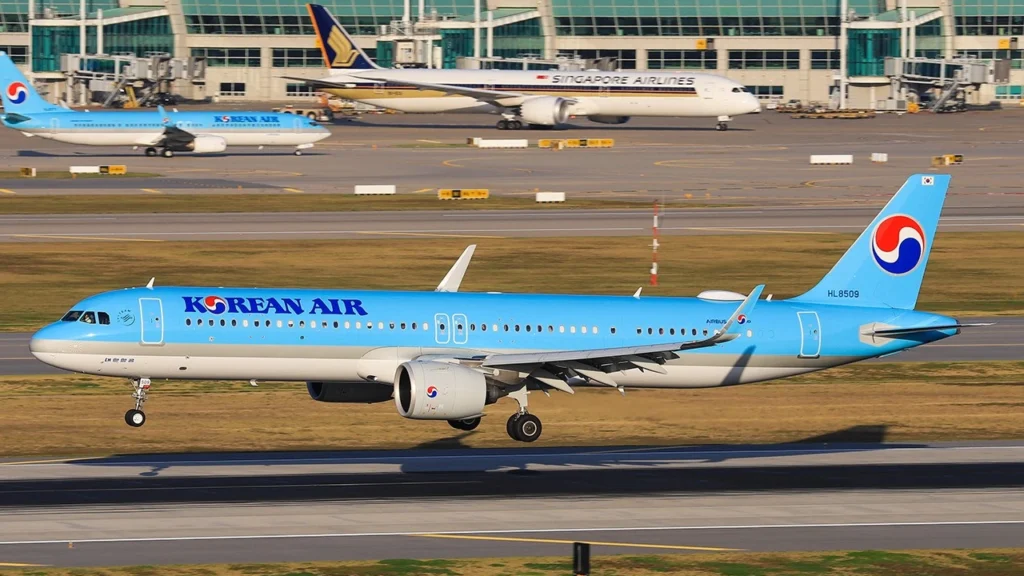
The A321neo also gains the optional forward temperature zone and the Enhanced Takeoff Performance Improvement package (ETOC). ETOC first appeared on the A350 and then the A330neo.
It improves take-off performance and optimises payload by introducing intermediate flap positions, which helps at airports with operational limitations.
Airbus has adapted ETOC specifically for the A321neo, where it works together with the new inboard single-slotted flap.
New Structural And Systems Upgrades
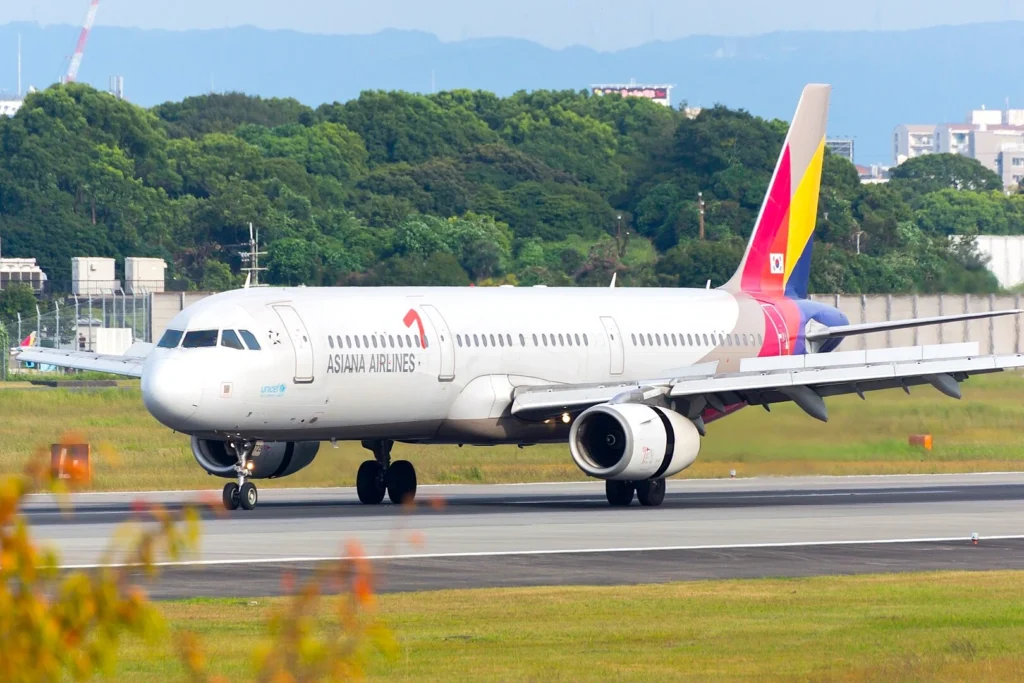
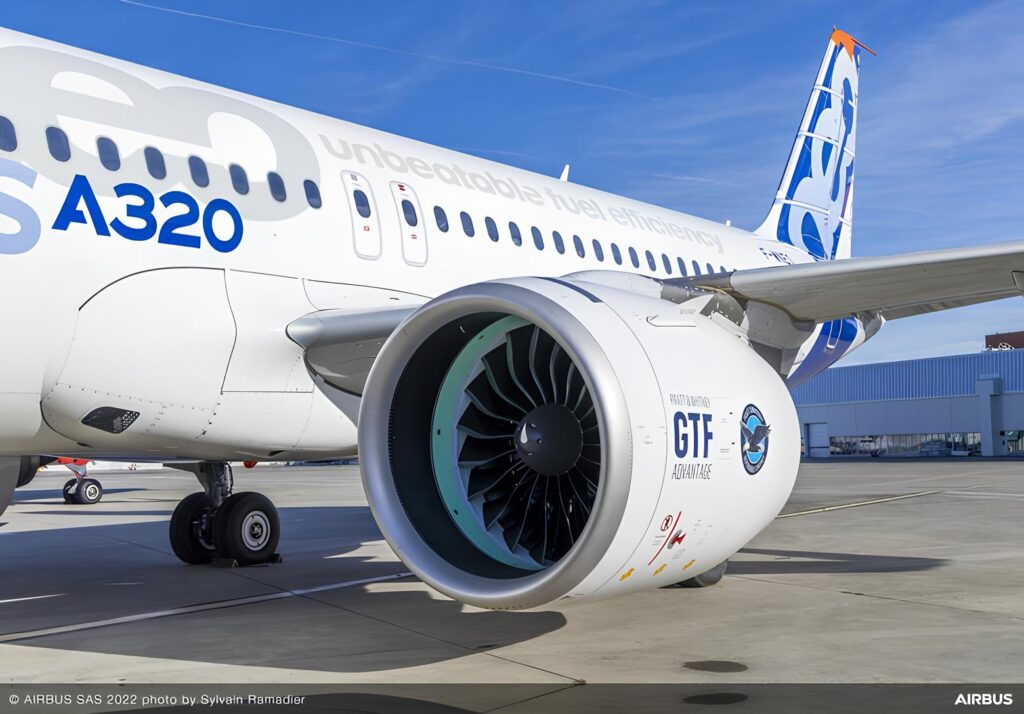
STEP4 does more than share XLR features. It adds brand-new items that reach the A321XLR and A321neo together. Both aircraft receive a new Cobra Duct APU air intake, relocated to the top of the fuselage, which improves cabin air quality.
They also gain corrosion prevention enhancements to the cabin floor, cargo bay, and Doors 1 and 4, plus cabin floor reinforcement that gives customers more loading flexibility as passenger and baggage weight standards rise, and wider use of LED technology such as runway and beacon lights.
The corrosion package splits by deck. The upper deck receives full titanium seat rails and titanium cover sheets on the aluminium lavatory and galley rails. The lower deck receives improved drainage, sealants, and panel sills.
Standardised Flight Data System
STEP4 introduces a standardised Flight Data Interface and Management Unit (nFDIMU) for the whole A320 Family.
The unit improves data processing capability, adds in-service flexibility, and increases the number of common part numbers across the family.
Greater component commonality simplifies maintenance planning and spare parts inventories for airline operators, which supports smoother fleet management across variants.
A320neo Adopts STEP4 In Phases
The A320neo benefits as well. STEP4 brings across as much commonality as possible from the updated A321XLR and A321neo, covering most of the items above.
The A320neo does not receive the A321-specific features, which include the XLR wing, ETOC, and the cabin temperature zones.
Airbus will phase the applicable features onto the A320neo gradually. The rollout starts with the common structural and improvement packages, such as the Cobra Duct and the corrosion-prevention enhancements.
A few years later it adds the new flight controls, the e-Rudder, and the cabin floor reinforcements, which reflect changing passenger-plus-baggage weight standards.

Airbus Uses Pilot Aircraft To Validate STEP4
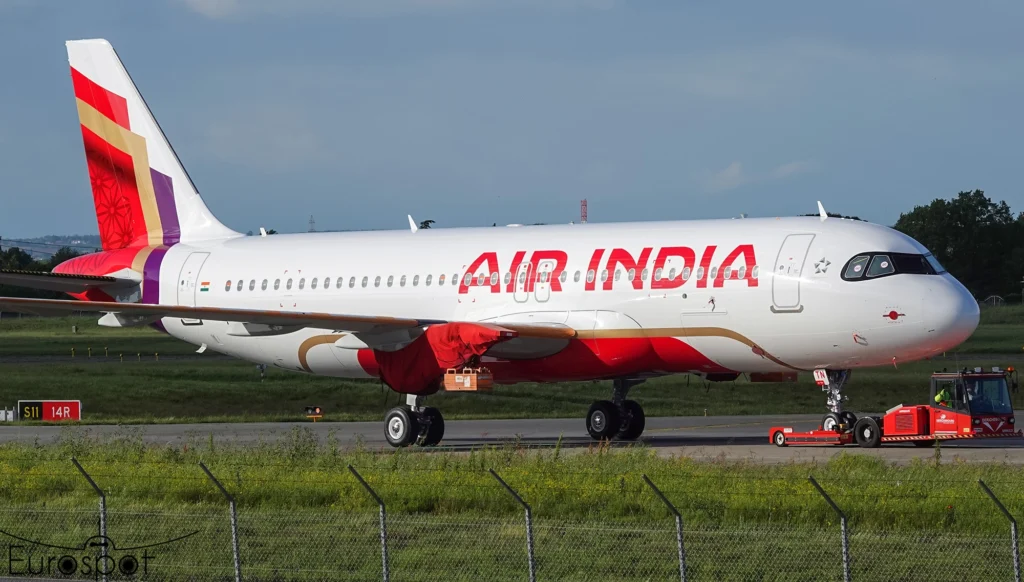
Airbus is focusing the STEP4 industrialisation on the A320neo first. The A320neo runs at a lower production volume, so the Final Assembly Line teams can learn from it before the changes reach the higher A321 rate.
Implementation then moves to the A321neo, including the XLR common wing. In a third phase, Airbus applies the new items such as the Cobra Duct to the XLR itself.
Martin Schnoor, A320 Family Programme Development STEP Leader, said Airbus is introducing the changes through pilot aircraft fleets that bring the STEP4 components into production step by step: “For the A320 stream we have selected the first ‘pilot’ aircraft fleet. Deliveries are starting with the first STEP4 A320s. This will be followed a year later by the first STEP4 A321neo and the first A321XLR.”
He set out why the A320neo goes first: “The baseline A320neo is the first model to incorporate and ‘prove’ the new modifications, such as the new titanium seat rails, the APU Cobra Duct, and the corrosion improvement package.”
He added: “Where we physically change the aircraft we decided to apply it first on A320neo in order to learn and see how well things are going, and that’s the reason why we have pilot aircraft.”
Why STEP4 Supports Higher Production Rates
Beyond aircraft performance, STEP4 also serves Airbus’ industrial goals. Greater design and production commonality reduces manufacturing complexity across the A320 Family and simplifies assembly.
That commonality supports the A320 Family rate ramp-up, which underpins Airbus’ target of 1,000 overall deliveries per year across its portfolio.
By introducing proven technologies instead of entirely new systems, Airbus also reduces certification complexity and speeds up the deployment of improvements across its single-aisle lineup.
STEP4 represents the next stage in the long-term evolution of the A320 Family rather than a new aircraft programme.
Stay tuned with us. Further, follow us on social media for the latest updates.
Join us on Telegram Group for the Latest Aviation Updates. Subsequently, follow us on Google News
