

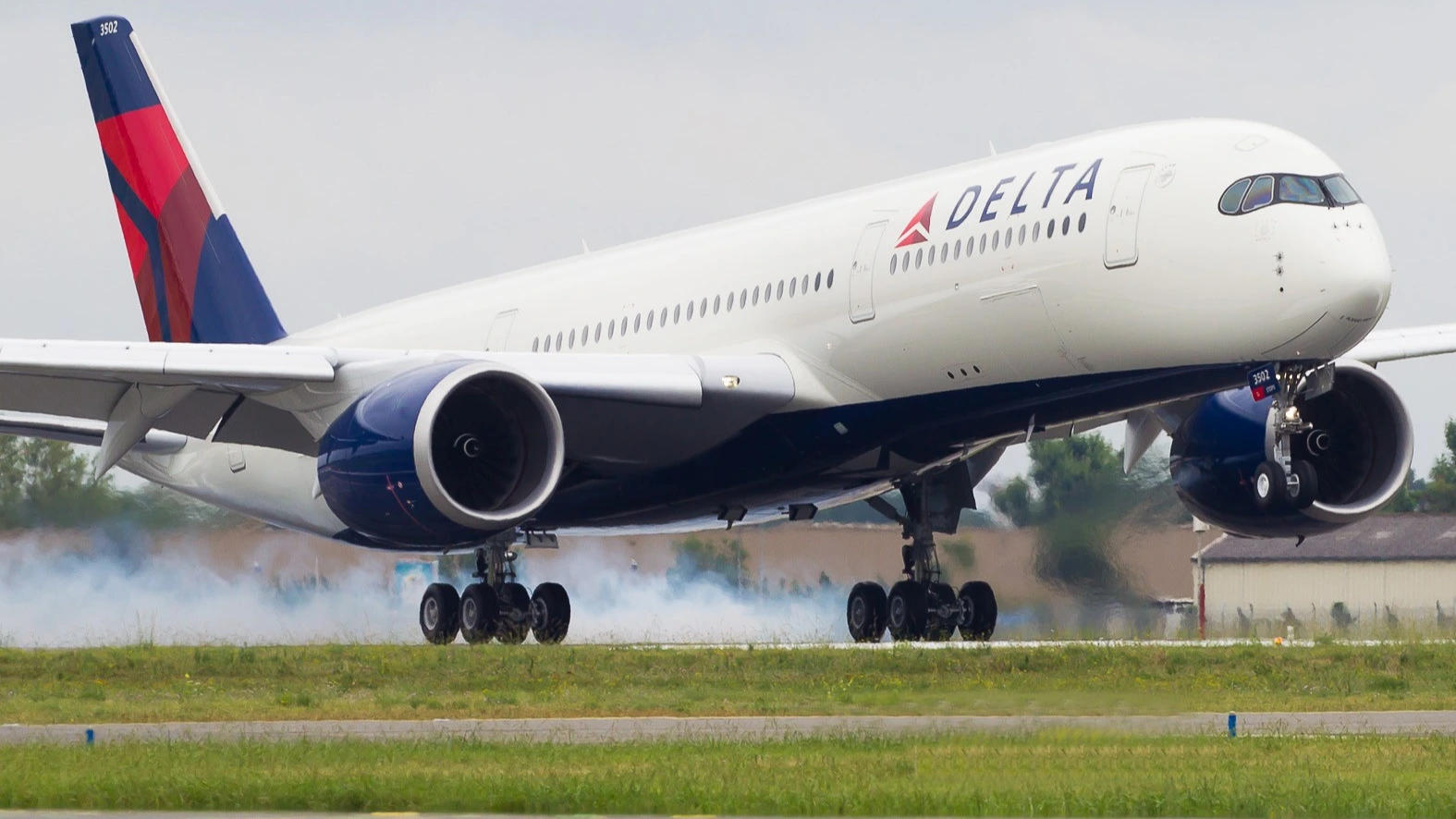
ATLANTA- Delta Air Lines (DL) flight DL121 operating from Minneapolis-Saint Paul International Airport (MSP) to Tokyo Haneda Airport (HND) made an emergency diversion to Anchorage after a passenger became physically aggressive toward the cabin crew.
The Airbus A350-900 landed at Ted Stevens Anchorage International Airport (ANC) after flight attendants restrained the passenger using beverage carts to prevent further disruption.
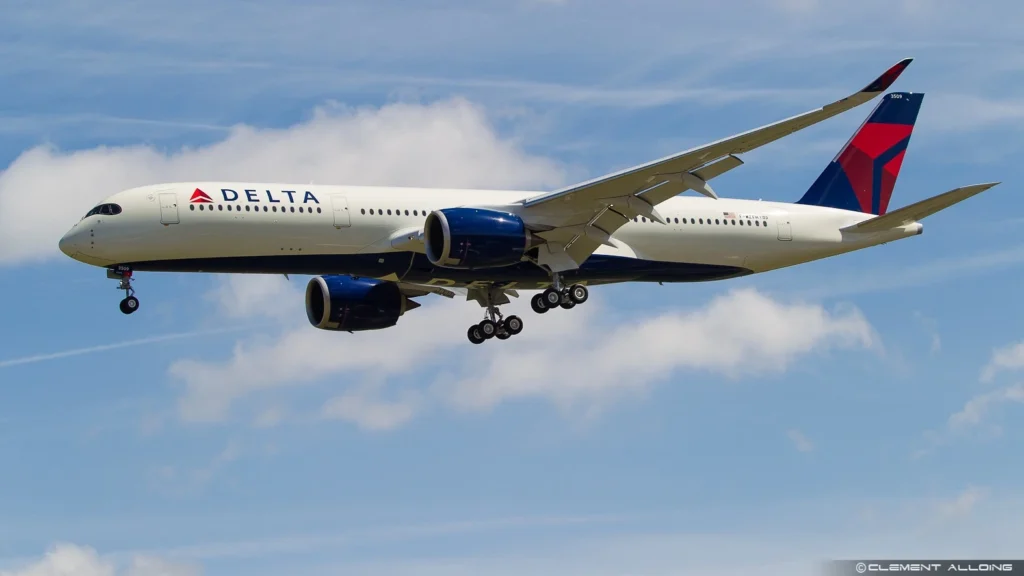
Delta Flight Emergency Landing in Alaska
The incident occurred on January 18, 2026, aboard Delta Air Lines flight DL121, a scheduled transpacific service operated by an Airbus A350-900 configured for long-haul international travel. The aircraft departed Minneapolis around midday with more than 300 passengers and a full international flight crew onboard.
Approximately two hours after departure, while the aircraft was cruising west of Canada and preparing to cross into remote oceanic airspace, the flight deck received reports of escalating passenger behavior in the cabin.
Given the lack of viable diversion airports once committed to the Pacific crossing, Anchorage was identified as the final suitable option within U.S. territory.
According to PYOK, pilots declared an emergency due to a Level 2 unruly passenger incident and initiated an immediate turnback toward Alaska.
Concerning Behavior Observed Before Takeoff
Federal court filings indicate that flight attendants were aware of potential issues even before the aircraft pushed back from the gate at Minneapolis-Saint Paul (MSP).
The passenger, later identified as 64-year-old Harry Matthews, appeared unsteady during boarding, struggled to locate his assigned seat, and spoke with noticeably slurred speech.
One flight attendant believed Matthews was intoxicated and recommended removal before departure. Another crew member suspected a medical condition, including possible cognitive impairment, and assessed that he was fit to travel. Based on that evaluation, the aircraft departed as scheduled.
Situation Deteriorates After Departure
Following takeoff, Matthews repeatedly ignored illuminated seat belt signs and verbal instructions from crew members. He moved about the cabin without authorization and became increasingly agitated when corrected.
Crew members reported that Matthews grew physically aggressive and, at one point, pushed a flight attendant several rows into the aft galley area. Two crew members intervened and escorted him back to his seat. Despite being instructed to remain seated, Matthews attempted to move forward toward the premium cabins shortly afterward.
At that stage, flight attendants determined that verbal de-escalation was no longer effective and that the passenger posed a continued safety risk.

Beverage Carts Used to Secure Passenger
To contain the situation, the crew returned Matthews to his seat and positioned beverage carts in the aisle to restrict his movement. This improvised restraint method is permitted when standard restraint equipment is unavailable or insufficient and is intended to prevent access to other passengers or critical areas of the aircraft.
As the diversion continued, four off-duty personnel traveling onboard, including a retired federal air marshal, assisted the cabin crew by monitoring Matthews until landing.
The aircraft landed safely at Ted Stevens Anchorage International Airport (ANC) roughly four hours after departure.
Law Enforcement Response and Passenger Removal
Anchorage law enforcement had been alerted prior to arrival through an FAA Level 2 Incident Notification. Upon landing, Matthews was taken into custody by authorities and transported to a local hospital for medical evaluation. No serious injuries to crew or passengers were reported.
The remaining passengers stayed onboard during the law enforcement response. Due to crew duty time limitations and operational requirements, Delta later arranged a replacement crew before the flight resumed to Tokyo.

Charges and Legal Proceedings
Federal prosecutors charged Matthews with interference with flight crew members, a felony offense that carries a maximum penalty of 20 years in prison and fines of up to $250,000.
He was also charged with simple assault within maritime and territorial jurisdiction, which includes commercial aircraft operating in U.S. airspace.
Court records indicate that Matthews remains subject to federal judicial proceedings in Alaska. The investigation continues as authorities review medical findings and contributing factors.
Broader Context on Unruly Passenger Incidents
The FAA classifies unruly passenger behavior into four levels, ranging from verbal noncompliance to attempted cockpit breaches. While Level 2 incidents do not always result in diversions, long-haul international flights over remote regions often require more conservative safety decisions.
FAA data shows that while unruly passenger reports have declined from pandemic-era highs, serious physical incidents continue to pose operational and safety risks for airlines worldwide.
Stay tuned with us. Further, follow us on social media for the latest updates.
Join us on Telegram Group for the Latest Aviation Updates. Subsequently, follow us on Google News
