

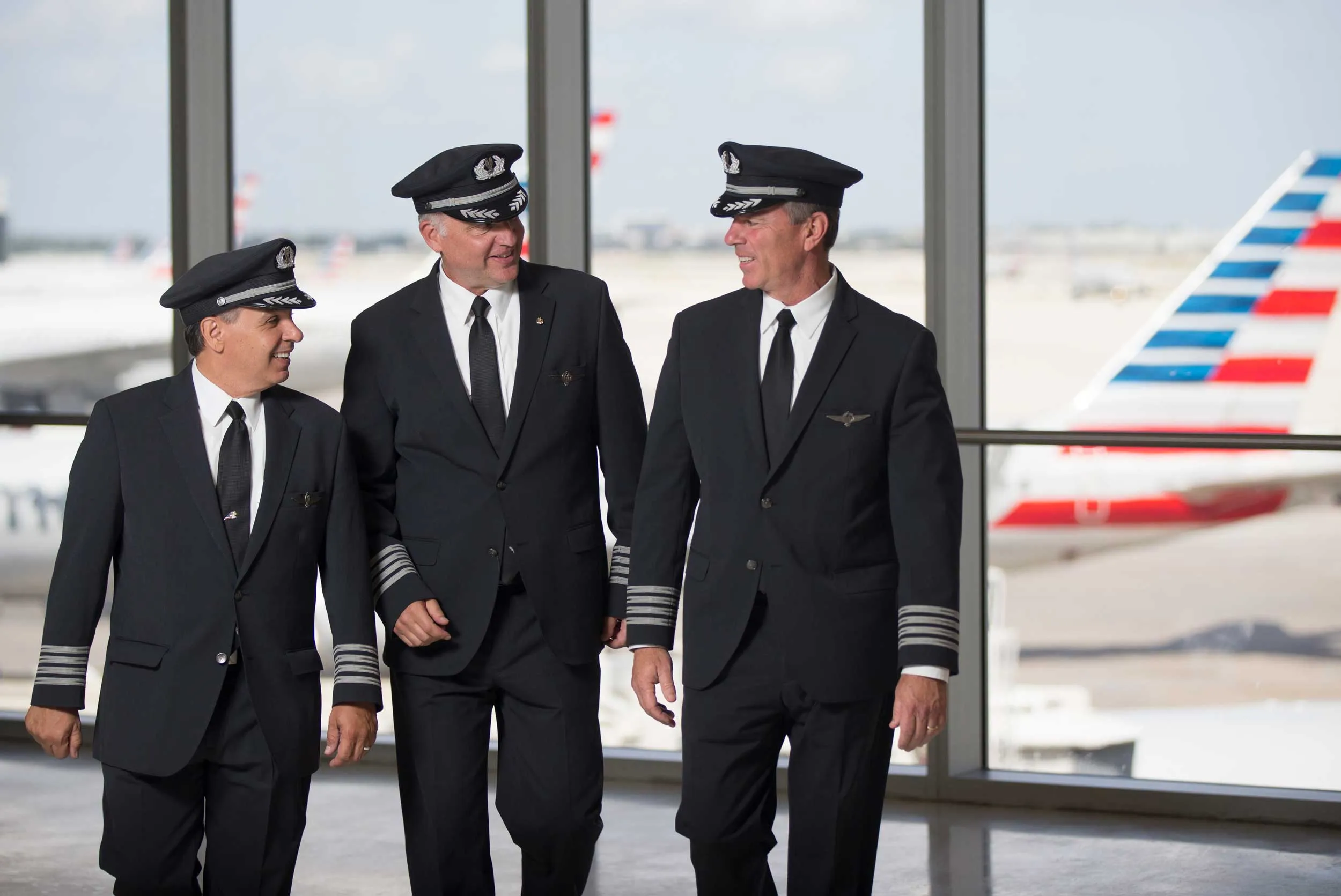
FORT WORTH- American Airlines (AA) is sparking debate with its pilot upgrade rules from the 2023 contract, worth nearly $10 billion over 4 years.
The policy prioritizes deadheading pilots over elite customers for first class seats on many flights, an interesting aspect previously covered amid online discussions and a recent reader email seeking clarification.
On flights, certain pilots may clear upgrades ahead of top-tier elite members within 24 hours of departure. This policy has become one of the most debated changes in American’s upgrade process.
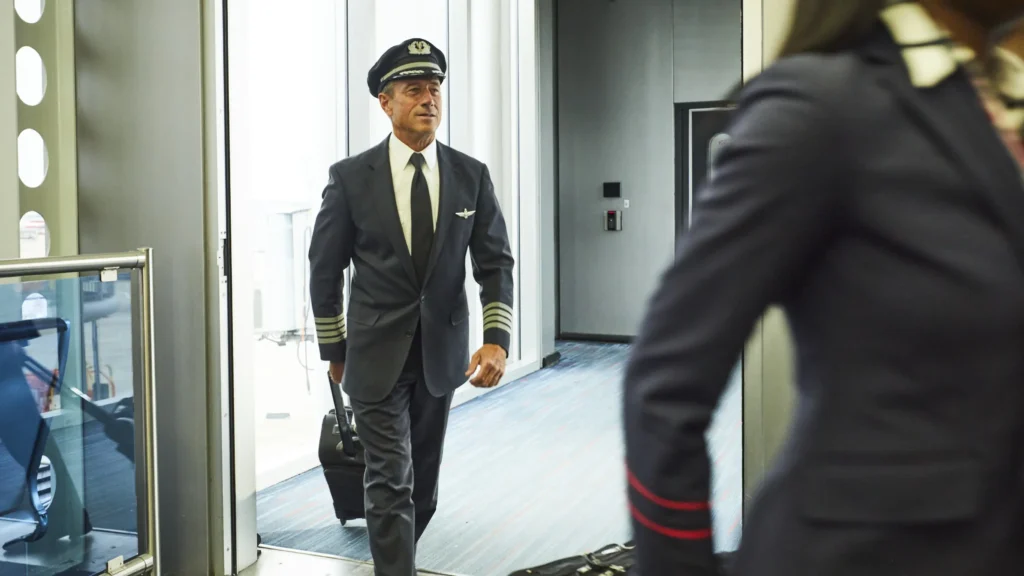
American Pilot Upgrade Policy Works
In 2023, American Airlines pilots ratified a new labor agreement valued at nearly $10 billion over 4 years.
This contract was part of a broader wave of pilot contract renegotiations across major US airlines.
One of the most notable provisions gives priority upgrades to pilots who are traveling on company business.
This policy applies only under defined circumstances and represents a clear shift from American’s previous upgrade rules, where pilots almost never cleared upgrades ahead of elite customers.
Commuting and Deadheading Pilots Defined
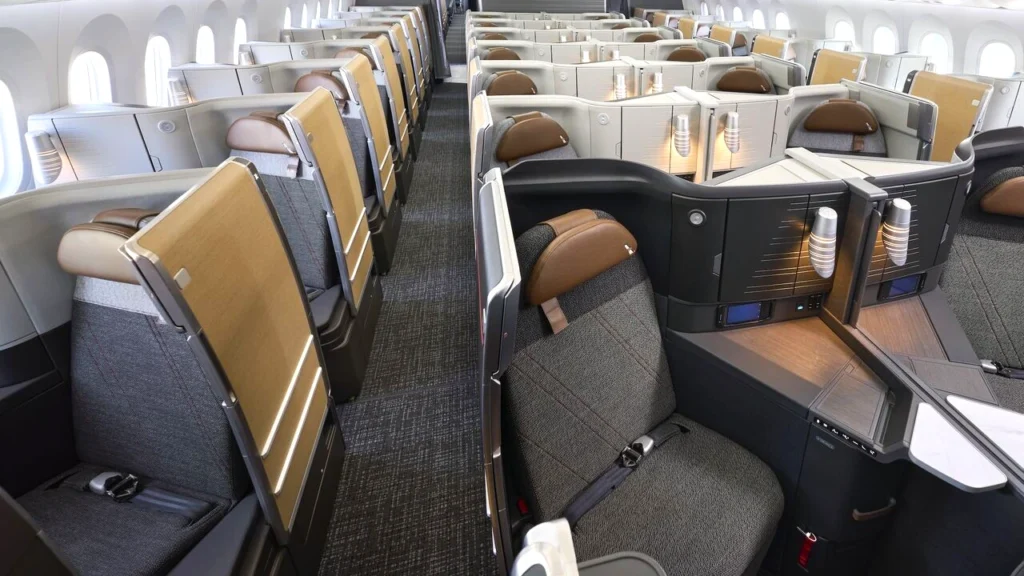
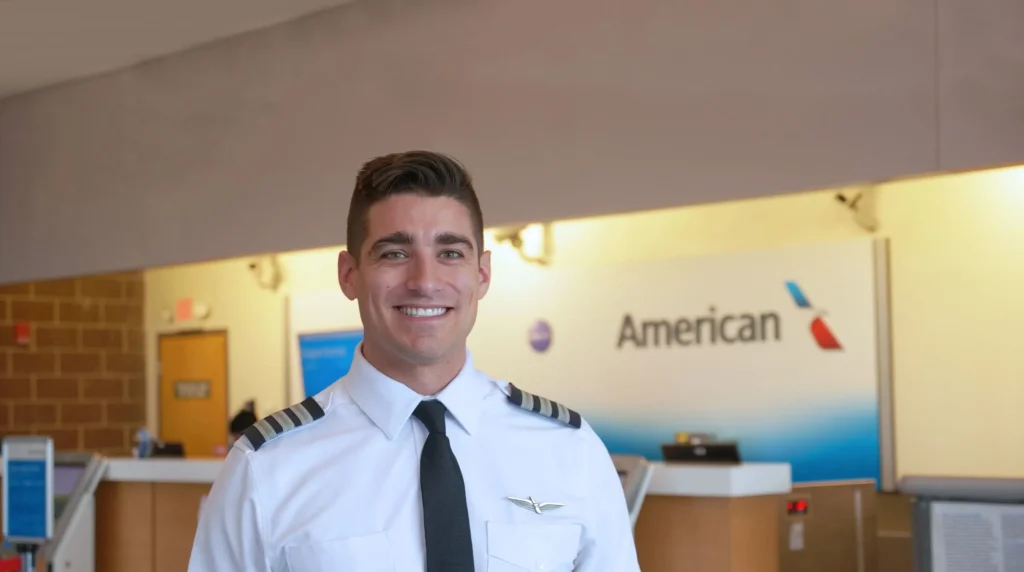
Pilots seen traveling in uniform typically fall into one of two categories.
Commuting Pilots
Commuting occurs when pilots live in one city but are based in another. These pilots travel on a space-available basis and are treated as non-revenue passengers.
When upgrades are available, commuting pilots are placed behind all elite customers on the upgrade list.
Deadheading Pilots
Deadheading refers to pilots repositioning at the airline’s direction to operate a future flight. This may occur due to schedule changes, aircraft swaps, irregular operations, or weather disruptions. Deadheading is considered paid duty time rather than personal travel.
Only deadheading pilots qualify for the enhanced upgrade priority outlined in American’s contract.
Seat Assignment and Upgrade Priority Rules
American’s policy provides structured seating rules for deadheading pilots.
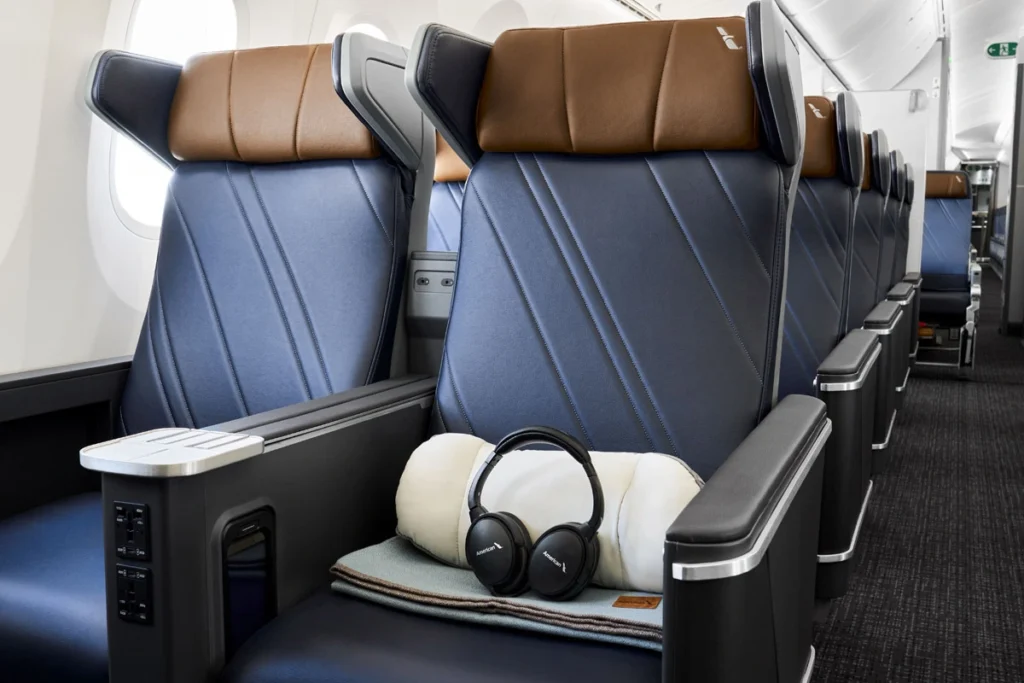
- On transoceanic international routes, flights to Hawaii and Alaska, and flights operating south of the equator, deadheading pilots are assigned the highest available cabin at booking.
- On all other routes, pilots are initially seated in economy with the following preference order:
- Exit row aisle
- Exit row window
- Non-exit row aisle
- Non-exit row window
- For flights where pilots are initially seated in economy, they are placed at the top of the first class upgrade list at check-in.
Within 24 hours of departure, eligible deadheading pilots clear upgrades ahead of Concierge Key and Executive Platinum members.
Important Limitations and Clarifications
Several important conditions apply to this policy.
Revenue passengers always clear upgrades first when upgrades are confirmed 24 hours or more before departure.
Passengers already confirmed in first class are never displaced to accommodate a pilot.
Not every pilot seen in first class works for American Airlines. Cargo pilots or private jet pilots may travel in uniform while flying as paying customers or elite members and follow standard customer upgrade rules.
As departure approaches, elite customers may see their position on the upgrade list drop if pilots are added.
Why American Implemented This Policy
Pilot unions engage in pattern bargaining, seeking contract parity across airlines. American was not the first US carrier to adopt this approach, as United Airlines (UA) had already negotiated similar upgrade protections for its pilots.
From an operational perspective, deadheading pilots are often positioned to immediately operate flights.
According to OMAAT, ensuring they are rested and comfortable aligns with safety and operational reliability goals. The policy reflects negotiated benefits rather than discretionary airline decisions.
Why Elite Members Are Frustrated
Frequent flyers have raised consistent concerns about the policy for several reasons.
- American now sells roughly 80 percent of first class seats, leaving fewer available for complimentary upgrades.
- In many quarters, American earns more revenue from its loyalty program than from passenger flying, and this revenue helps fund pilot pay increases.
- Elite status and credit card spending are driven in part by expectations of complimentary upgrades.
- American increasingly markets paid upgrade offers to customers who are already on the upgrade waitlist, further reducing available inventory.
- The optics of uniformed employees receiving upgrades ahead of paying customers create negative perceptions.
Together, these factors amplify frustration among loyal customers.
Does the Policy Reduce Upgrade Chances?
American does not publish data on how often pilots receive upgrades. However, domestic flights frequently have only 1 or 2 first class seats remaining within 24 hours of departure.
Deadheading pilots often travel in pairs, which can directly determine whether elite customers clear upgrades.
This policy operates alongside other trends, including increased first class seat sales and aggressive paid upgrade offers, making complimentary upgrades increasingly rare.
The practical takeaway for many travelers is that complimentary upgrades are no longer reliable on many domestic routes.
Bottom Line
American Airlines now prioritizes deadheading pilots for first class upgrades within 24 hours of departure under its current pilot contract.
The policy does not apply to commuting pilots and never displaces confirmed first class passengers.
While controversial, the policy is contractually fixed and unlikely to change in the near term. For elite members, it represents another shift toward a system where buying first class is often the only consistent way to secure a premium seat.
Stay tuned with us. Further, follow us on social media for the latest updates.
Join us on Telegram Group for the Latest Aviation Updates. Subsequently, follow us on Google News
