


NEW YORK- Delta Air Lines (DL) struggled to stabilize its network after the Northeast storm, even after New York airports like John F. Kennedy (JFK), LaGuardia (LGA), and Newark Liberty (EWR) returned to normal operations. While United Airlines (UA) and JetBlue (B6) recovered, Delta cancellations continued, and internal dispatch notes linked multiple flights to crew availability issues.
The key difference is simple. Once the weather cleared, other airlines resumed normal schedules while Delta crews remained out of position, forcing cancellations that were coded as operational rather than weather-related.
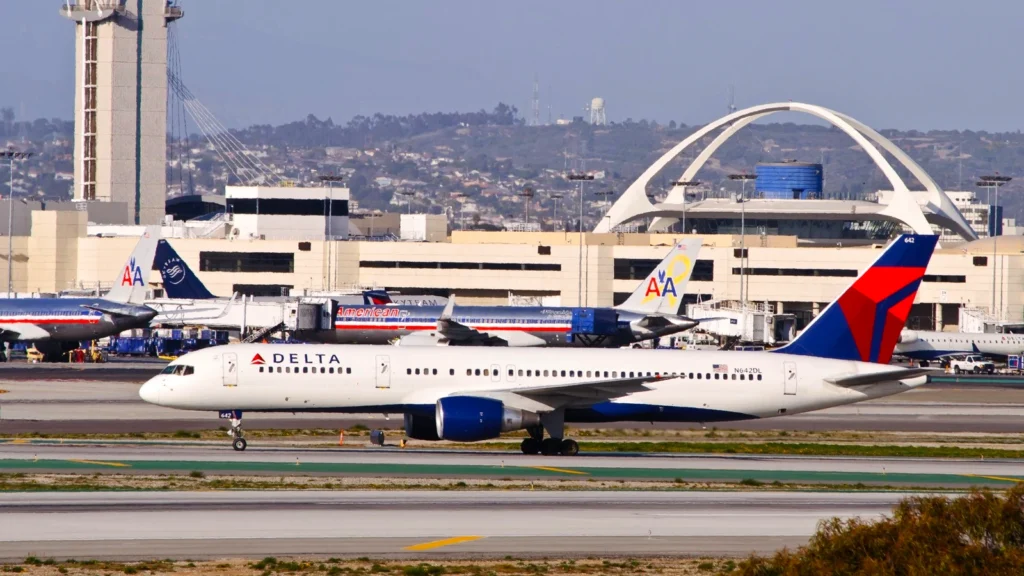
Delta Flights Still Cancelled from New York
Once the snow and ice moved out of the Northeast, most airlines returned to ordinary scheduling. At that point, cancellations generally shift from weather-driven events to resource management. In this case, crew duty limits, reserve exhaustion, and staffing gaps at Delta Air Lines (DL) appear to have played a central role, ViewfromtheWing highlighted.
On the peak storm day, New York airports recorded high levels of disruption. About 20 percent of flights were cancelled at JFK, 21 percent at LaGuardia, and 12 percent at Newark Liberty (EWR)—roughly half of the departures experienced delays.
JetBlue (B6), with a major hub at JFK, restored its system to normal operation with only minimal ongoing cancellations. United Airlines (UA), which operates a hub at Newark Liberty (EWR), stabilized and reported almost no cancellations the following day.
Delta Air Lines continued to cancel flights at elevated levels, including at its hubs in Atlanta (ATL) and Minneapolis–Saint Paul (MSP).
Minneapolis still faced winter weather impacts, but the wider Delta network showed signs of crew shortages, including dispatch coding that identified flights as cancelled due to uncovered crews during normal operations. That wording indicates there was no active irregular operations status tied to weather or air traffic control.
When flights are delayed during storms, crews often reach their legal duty limit. When that happens, they cannot continue working and must be replaced. If replacement crews are not available or are located in other cities, aircraft are left without staffing.
Toward the end of the month, reserve crew pools can be thin because earlier disruptions have already used available personnel. Premium pay may attract volunteers, but peak holiday periods make scheduling more difficult.
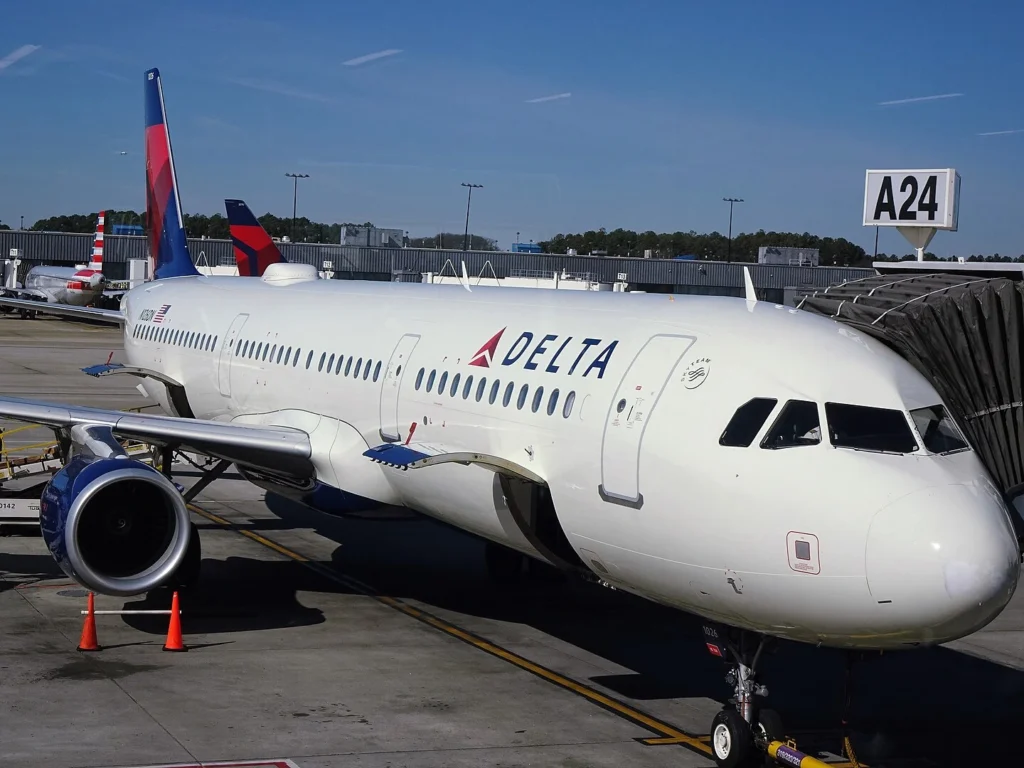
Operational impact linked to Staffing Constraints
Delta shed about one-third of its workforce during the pandemic and has since rebuilt staffing, but some institutional experience was lost. Former operations leadership helped deliver the airline’s strong pre-pandemic reliability through strict maintenance routines and proactive planning.
While Delta still performs well compared to industry averages, the carrier no longer dominates reliability metrics in the same way.
Insiders note that cancellations arising from uncovered crews are generally considered controllable events within the carrier. This has frustrated operational teams because it places responsibility squarely on planning and execution rather than weather.
The internal coding simply reflects that the airline did not have the crew needed to fly the airplane, even though regular operations had resumed.
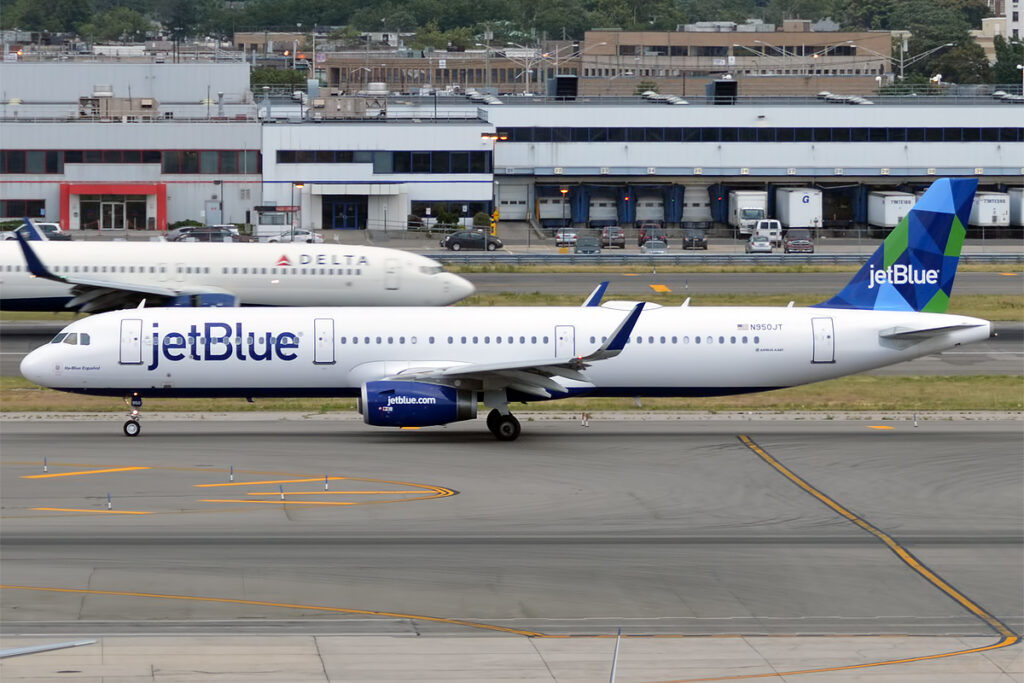
Market Comparison Across New York airports
The contrast with JetBlue (B6) and United Airlines (UA) highlights the issue. Both carriers maintained a strong presence in the New York market, yet resumed operations more smoothly.
By the time New York airports dropped from the global top-cancellation rankings, Delta’s problems persisted. That gap indicates the challenge was not airport-specific, but airline-specific.
What this really means is that weather exposure tells only part of the story. The faster an airline can reposition aircraft and crews, the faster it recovers.
When crews time out, reserve coverage becomes the safety net. If that net is thin, recovery slows, and cancellations cascade. For Delta, those internal notes confirmed that the cancellations were tied to staffing rather than external disruption.
Stay tuned with us. Further, follow us on social media for the latest updates.
Join us on Telegram Group for the Latest Aviation Updates. Subsequently, follow us on Google News
