

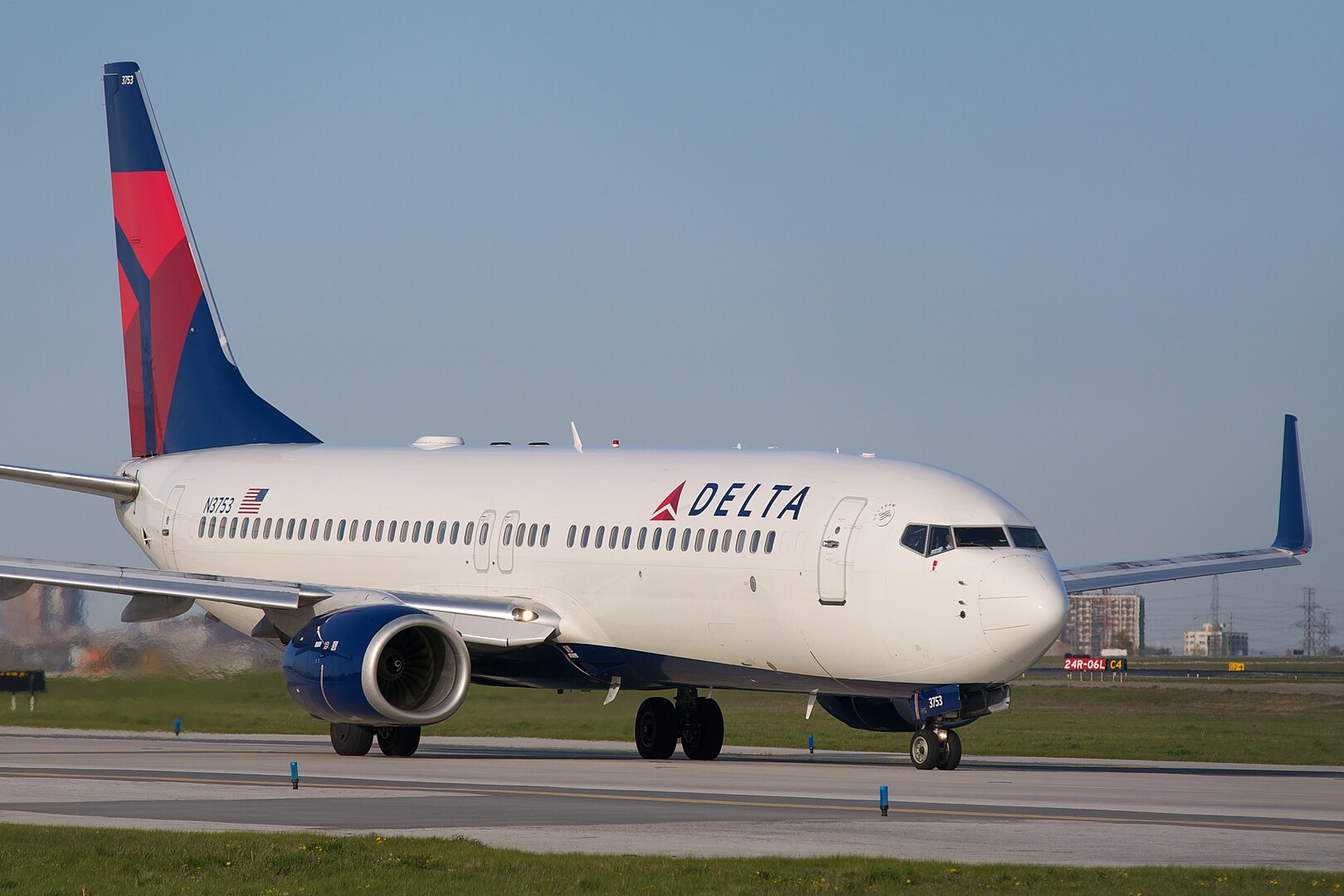
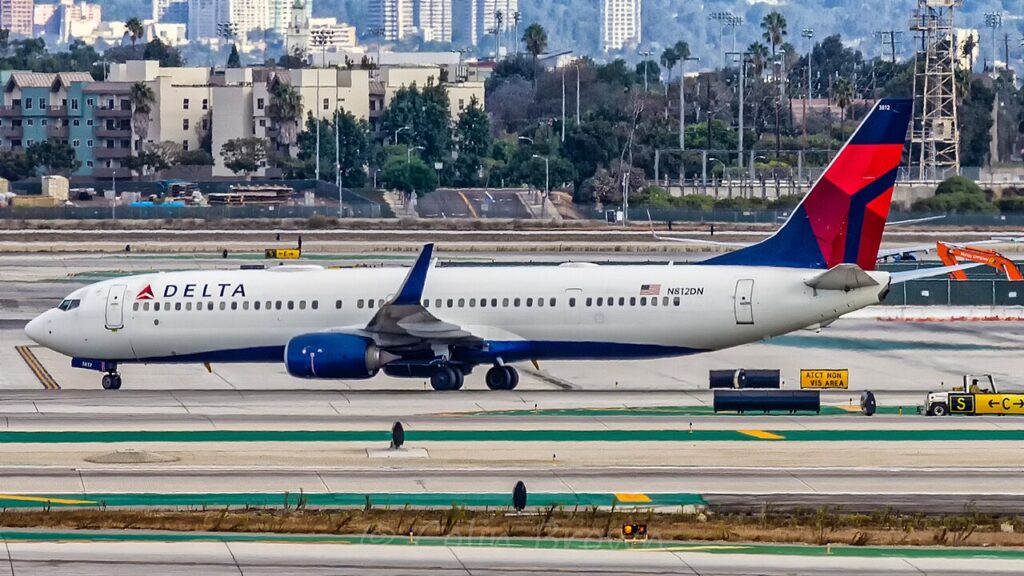
ARLINGTON- A US law professor has filed a $40 million lawsuit against Boeing, alleging serious and lasting health damage after inhaling toxic fumes on a Delta Air Lines (DL) flight operated with a Boeing 737. The flight traveled from Atlanta (ATL) to Los Angeles (LAX) in August 2024.
The case centers on an alleged cabin air contamination event that occurred after landing, raising renewed scrutiny of aircraft air supply systems and manufacturer responsibility, according to CBS News.
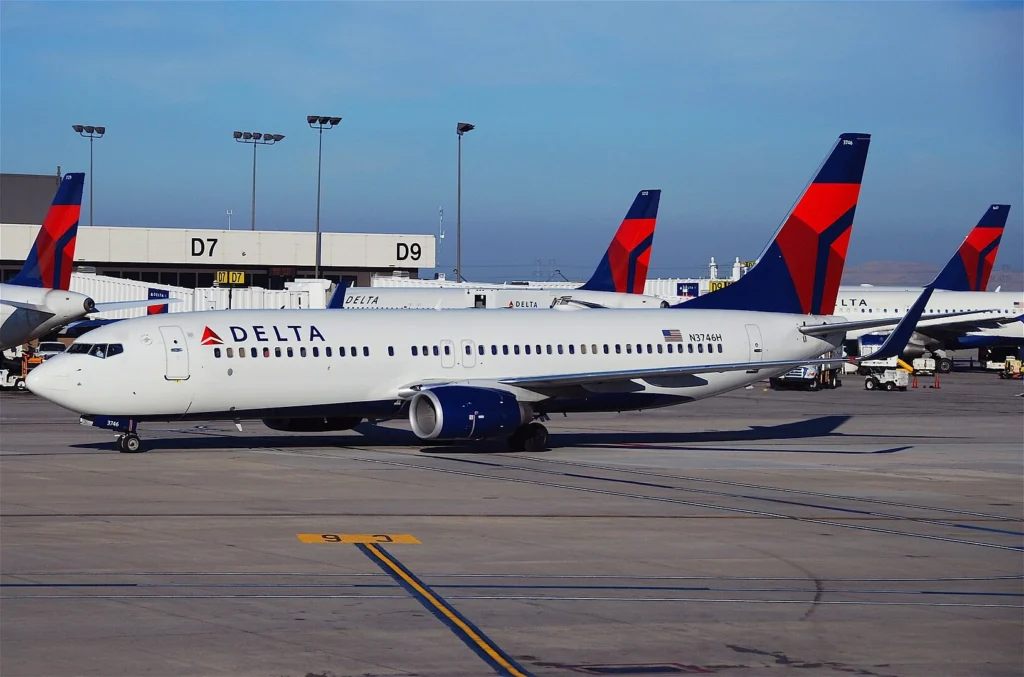
$40 Million Lawsuit for Toxic Fumes Against Boeing
Jonathan Harris, a Philadelphia resident and associate law professor at Temple University, was teaching at Loyola Law School in Los Angeles at the time of the incident.
He was returning to California after attending a professional conference in Atlanta when he boarded the Delta Air Lines (DL) Boeing 737.
According to the lawsuit, after landing at Los Angeles International Airport (LAX), the aircraft remained on the tarmac for approximately 45 minutes while waiting for a gate.
During this period, the cabin allegedly filled with fumes described by Harris as smelling like “dirty socks,” a scent commonly associated with heated engine oil contamination.
Harris claims the odor intensified while passengers remained seated, leading to immediate physical distress. He alleges he became nauseous, struggled to breathe, and vomited into a bag while still on the aircraft.
Another passenger reportedly also became ill, and the captain allegedly addressed the smell over the intercom with an apology.
Passenger Experience and Crew Response
The lawsuit states that several passengers, including Harris, asked flight attendants to allow them to deplane due to the fumes. These requests were allegedly not acted upon while the aircraft waited for gate clearance.
Harris further alleges that by the time he exited the aircraft, he was experiencing a severe headache and had difficulty forming complete sentences, indicating acute cognitive impairment immediately following the exposure.
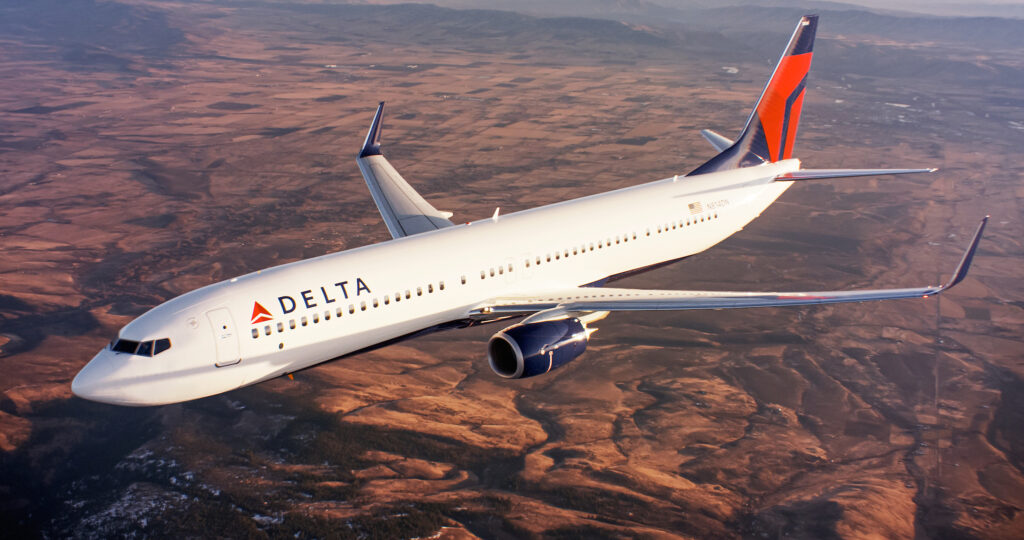
Reported Medical Findings and Ongoing Health Effects
Harris sought medical care the morning after the flight. According to the complaint, blood tests revealed low oxygen levels, elevated bicarbonate levels, and the presence of carbon monoxide.
In the months that followed, Harris alleges his condition worsened. He reports persistent dizziness, vertigo, confusion, nausea, muscle pain, memory loss, and balance issues that made standing for long periods difficult.
He was prescribed an inhaler to address chest tightness and breathing problems.
More than a year later, Harris claims he continues to suffer from recurring severe headaches, along with depression, anxiety, and mental anguish. The lawsuit also cites lost wages resulting from his reduced ability to work.

How Toxic Fume Events Occur in Aircraft Cabins
Most commercial aircraft use a bleed air system that draws compressed air from jet engines to supply the passenger cabin.
If an engine or hydraulic seal fails, oil or fluid can leak, vaporize due to high temperatures, and enter the air conditioning system.
A review of Federal Aviation Administration incident reports shows that smoke or fume events occur multiple times daily across the US aviation system.
The Boeing 787 Dreamliner is currently the only major commercial aircraft that does not use engine bleed air for cabin ventilation.
Aviation industry representatives maintain that while fume events are unpleasant, they do not typically cause long-term health damage.
Medical experts, however, disagree on the reliability of existing tests used to link specific symptoms directly to contaminated cabin air exposure.
Safety advocates argue that a small subset of individuals can suffer chronic and life-altering symptoms following these events, even if most passengers do not experience lasting effects.
Litigation and Industry Context
Fume related lawsuits have historically been brought by pilots and flight attendants rather than passengers.
Industry observers suggest crew members may face higher exposure risks because they are active and breathing more heavily when contaminated air enters the cabin, though the exact reason remains unclear.
Earlier this year, a United Airlines flight attendant filed a $30 million lawsuit against Airbus, alleging toxic fume exposure linked to a design flaw in the auxiliary power unit of Airbus A320-family aircraft.
That incident occurred after landing in April 2023 and involved similar odor and health complaints.
Legal Scope and Responses
Harris filed his lawsuit in Arlington County Circuit Court, Virginia, where Boeing is headquartered.
He is seeking $40 million in damages, along with attorneys’ fees, alleging that Boeing failed to prevent known risks associated with aircraft cabin air contamination.
Boeing and Delta Air Lines have declined to comment publicly on the lawsuit. Separately, Delta has announced plans to replace auxiliary power units on hundreds of Airbus A320 aircraft to address unrelated fume concerns.
Stay tuned with us. Further, follow us on social media for the latest updates.
Join us on Telegram Group for the Latest Aviation Updates. Subsequently, follow us on Google News
