

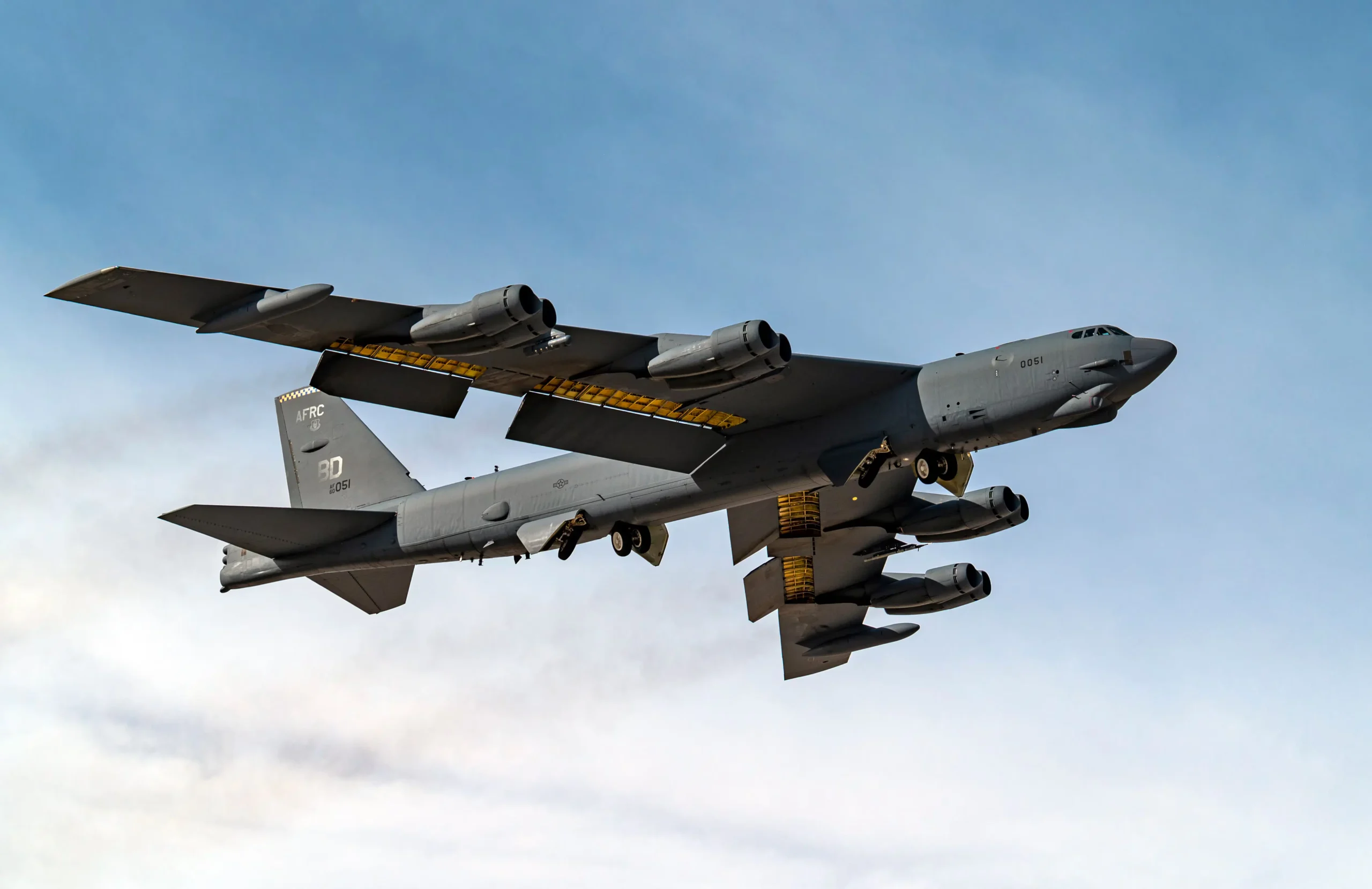
EDWARDS- The US Air Force has begun evaluating a new AESA radar for its Boeing B-52H fleet after moving the first modified aircraft from San Antonio International Airport (SAT) to Edwards AFB (EDW).
The aircraft will undergo a full test campaign that will guide a decision on whether to implement the upgrade across all operational B-52H bombers.
Progress Toward a Modernised B-52 Fleet
The USAF has started formal trials on a B-52H fitted with the Raytheon AN/APQ-188 radar. The jet arrived from Boeing’s San Antonio facility and is now assigned to test crews at Edwards AFB.
Flight and ground evaluations will run through 2026 under the 419th Flight Test Squadron and B-52 system engineering teams. The service plans to use the results to determine fleet-wide adoption of the new radar.
The AN/APQ-188 replaces the Northrop Grumman AN/APQ-166 mechanically scanned radar that has been in service for decades. The USAF describes that legacy sensor as outdated and unreliable.
The new system draws heavily on Raytheon’s AN/APG-79, used on the F/A-18E/F and EA-18G, with additional features from the APG-82 found on the F-15EX.
The upgrade is intended to improve targeting accuracy and all-weather navigation and to ensure operational relevance as next-generation aircraft enter service, FlightGlobal reported

The Role of Radar in Long-Term B-52 Operations
Air Force leadership identifies the radar upgrade as a key factor in keeping the B-52 viable for future missions.
The aircraft’s payload capacity and long-range strike profile require a modern sensor able to support advanced precision weapons, such as the AGM-158 JASSM and the AGM-181 nuclear cruise missile. These stand-off systems demand reliable detection and tracking that exceed the capabilities of the existing B-52H radar.
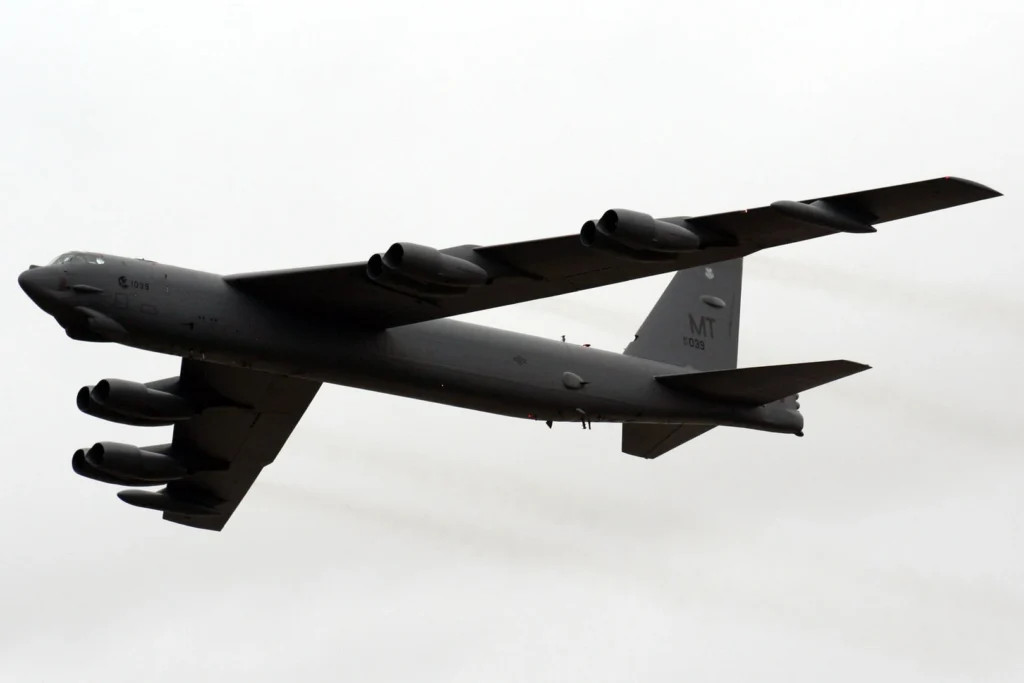
There are 76 B-52Hs in frontline service with an average age of 64 years. Despite their age, the Pentagon intends to keep the type in operation well into the 2050s, potentially allowing the fleet to reach a century of active service.
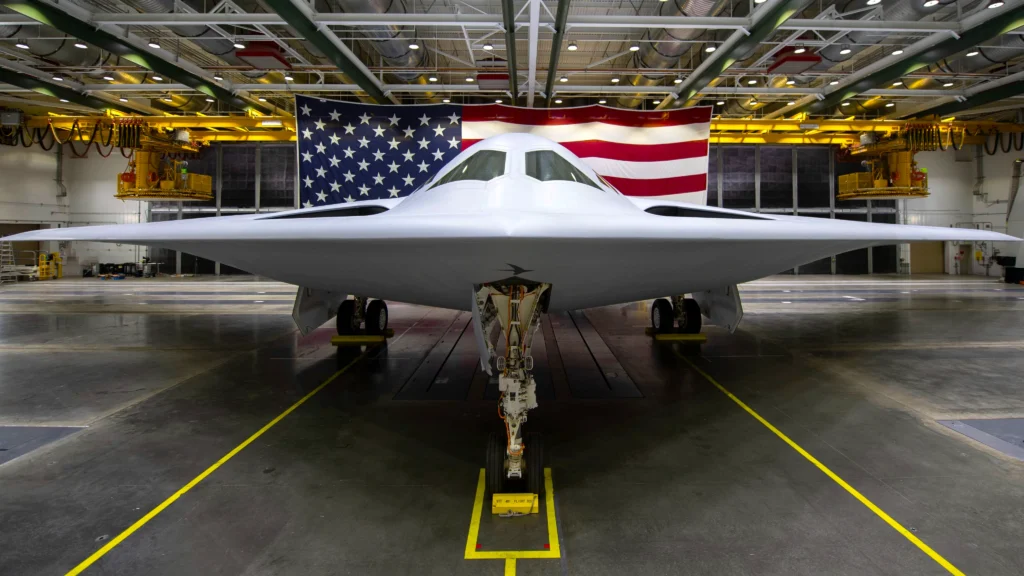
As the B-1B and B-2 gradually retire and the B-21 expands, the B-52 is expected to remain a central component of US deterrence and long-range strike planning.
Path Toward the B-52J Standard
The radar upgrade is one part of a broader roadmap that leads to the future B-52J configuration. The full modernisation package includes Rolls-Royce F130 engines, updated mission communications, new avionics, and crew station improvements.
The B-52J timeline has shifted into the 2030s, but the USAF continues to integrate new weapons and system enhancements to sustain capability and readiness.
Senior leaders emphasise that the upgraded aircraft will remain essential for global strike operations.
The combination of new engines, improved sensors, and modern weapons integration is intended to ensure effective deterrence and mission performance for decades.
Stay tuned with us. Further, follow us on social media for the latest updates.
Join us on Telegram Group for the Latest Aviation Updates. Subsequently, follow us on Google News
