


FALLS CHURCH, VIRGINIA— Northrop Grumman expects new US Air Force (USAF) contracts for its B-21 Raider stealth bomber program before the end of the year, according to Chief Executive Officer Kathy Warden.
The company is also in active talks with the Air Force on an agreement to accelerate B-21 production, supported by $4.5 billion in federal funding recently approved by Congress.
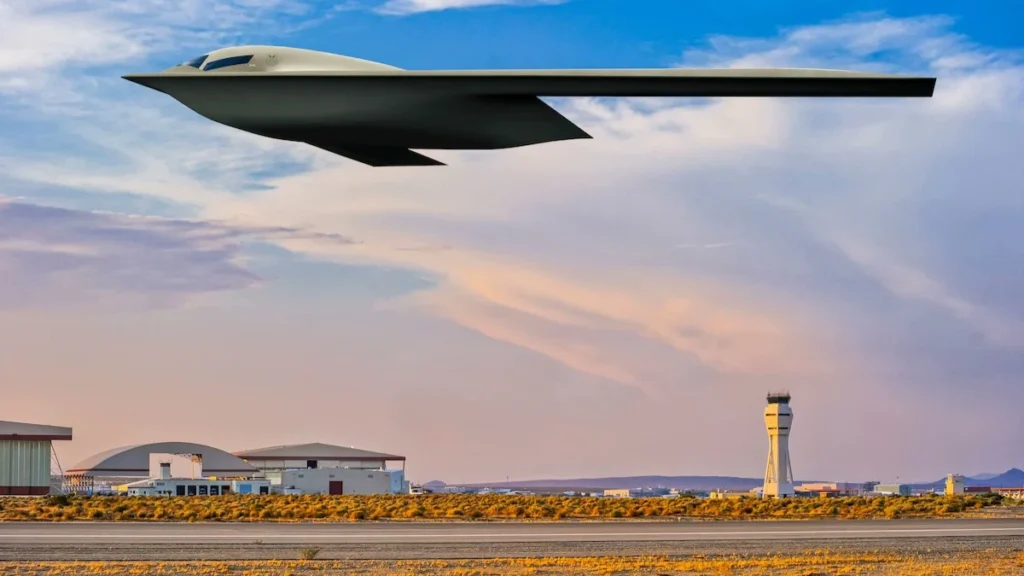
US Air Force B-21 Bombers
Northrop Grumman confirmed that discussions with the Air Force aim to finalize a deal to fast-track B-21 manufacturing.
The $4.5 billion allocation in the July budget reconciliation bill was designed specifically to advance the bomber’s production timeline. However, ongoing government shutdowns have delayed progress in negotiations.
If the agreement moves forward, Northrop plans to invest further to expand its production rate. While Warden refrained from estimating revenue gains, she noted that faster output could translate into higher earnings by 2026.
“The actual production rates, timing, and outcomes of those negotiations will define the financial profile,” Warden said during the earnings call.
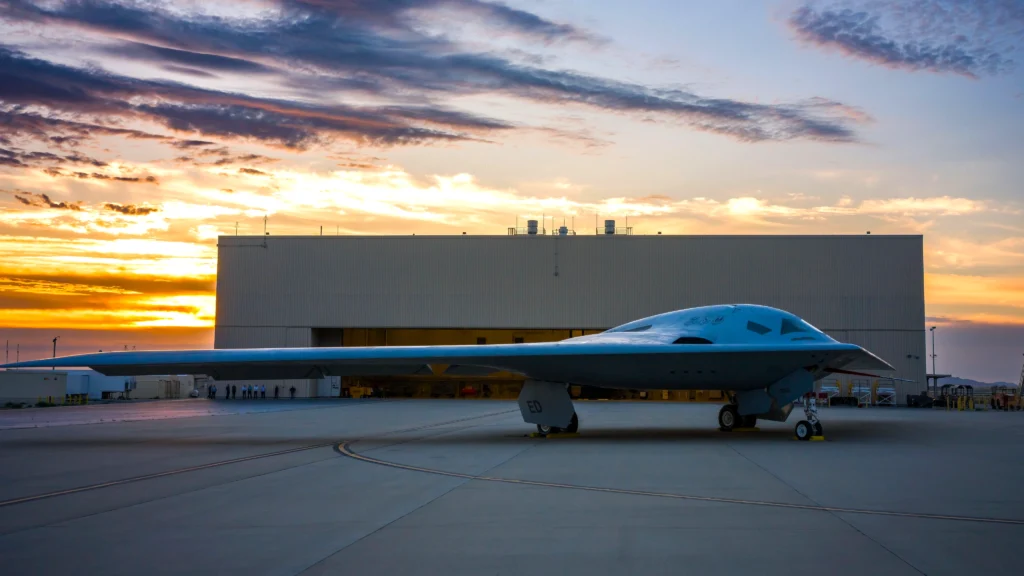
Expanding the B-21 Fleet
The U.S. Air Force intends to purchase at least 100 B-21 Raiders to replace its B-2 Spirit and B-1 Lancer bombers during the 2030s. Any expansion beyond that initial order would be handled through separate negotiations, according to Warden.
Northrop expects to secure the contract for the third low-rate initial production lot of the B-21, along with an advance procurement contract for the fifth lot by the fourth quarter of 2025.
These agreements would secure key components and materials to maintain a continuous production flow.
Progress in Flight Testing
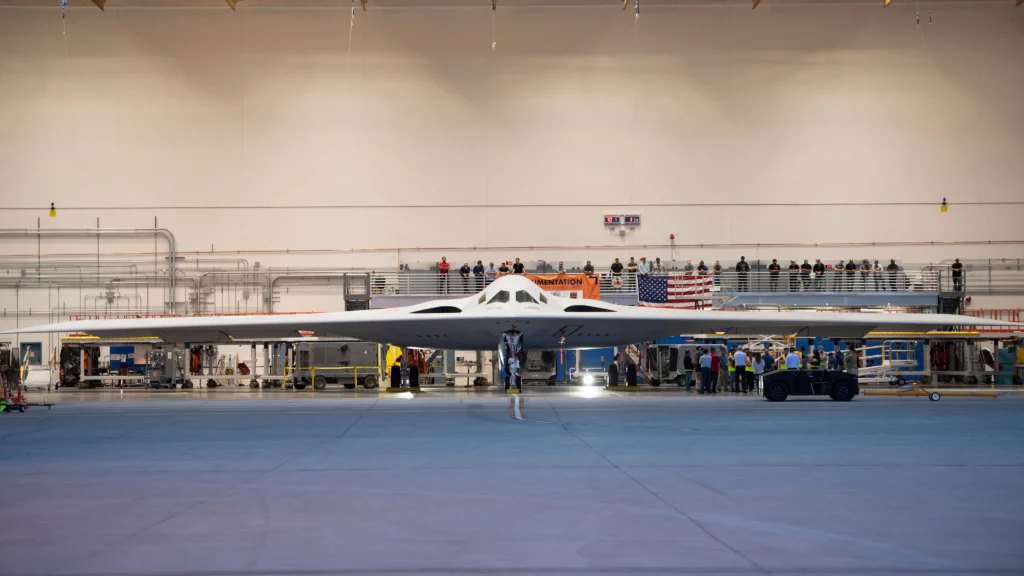
Flight testing of the second B-21 aircraft began in September, marking what Warden called a “significant milestone” in the program’s development. The new testing phase focuses on integrating weapons and mission systems—crucial steps toward operational readiness.
Several additional B-21 units are currently undergoing ground testing before their first flights. These trials are designed to validate performance and reduce technical risks before full-scale production begins.
Managing Costs and Contract Adjustments
In April, Northrop reported a $477 million loss linked to adjustments in its production process intended to speed up manufacturing. Chief Financial Officer Ken Crews explained that the initial engineering and flight test aircraft cost more than projected, increasing the company’s overall production costs.
A subsequent restructuring of the B-21 contract reduced Northrop’s expected losses across the remaining low-rate production lots, effectively offsetting the earlier overruns.
Pentagon Urged to Rebalance R&D and Procurement
A new report from the Center for a New American Security (CNAS) warns that years of Pentagon spending heavily tilted toward research and development (R&D) have left the U.S. Joint Force undersized and less prepared for a potential high-intensity conflict with a peer adversary.
The Oct. 21 analysis highlights that the U.S. Air Force now operates its smallest combat fleet in recent history and calls for redirecting “runaway” R&D budgets toward faster procurement of F-15EX, F-35, and B-21 aircraft.
The CNAS report, authored by Carlton Haelig and Philip Sheers, argues that the Department of Defense’s decade-long emphasis on R&D over procurement has created a critical shortfall in deployable assets. The imbalance, they warn, opens a “window of vulnerability” in which China could view the United States as unable to respond effectively to aggression.
According to CNAS, the Pentagon must strike a dual focus—procure systems that can be fielded immediately while continuing to fund advanced technologies and accelerate their path to production. The goal is to restore deterrence credibility in both the short and long term.
For comparison, the Air Force’s fiscal 2026 budget request allocated $46.4 billion for R&D—a 28 percent increase over its $36.2 billion procurement request. The report found that the Air Force was the only service branch spending more on research than on acquiring operational assets.
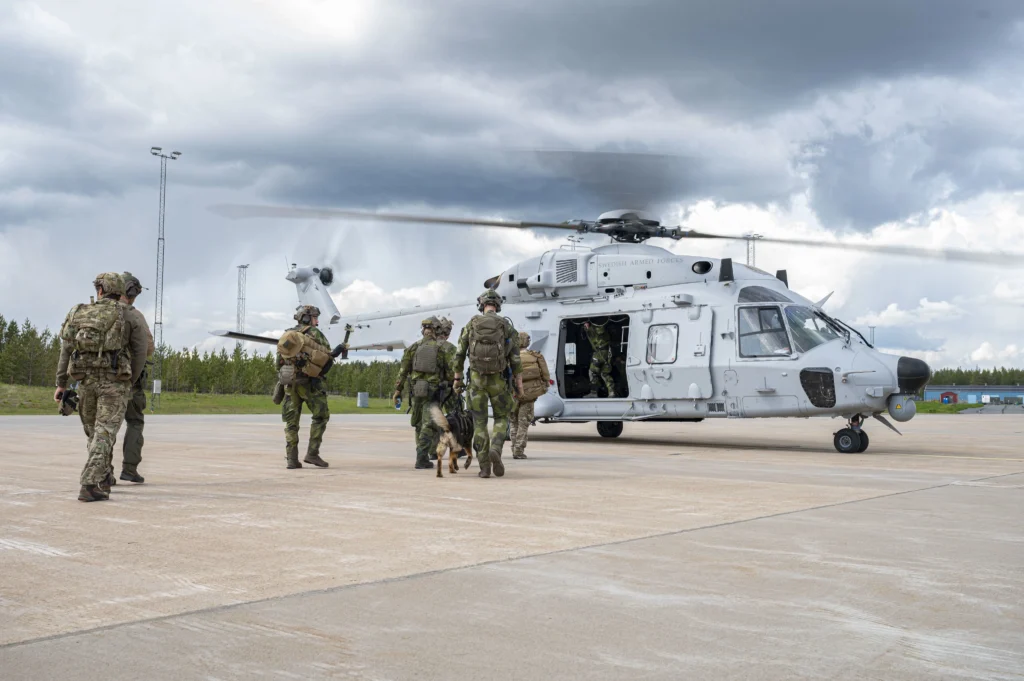
Shrinking Fleet and Delayed Capability
Over the past decade, the Air Force’s R&D budget has grown 136 percent, while procurement increased just 61 percent. This imbalance has resulted in aircraft retiring faster than replacements arrive. The total fleet has dropped below 5,000 aircraft, on track to fall toward 4,000 in the coming years.
Retired Col. John “JV” Venable, now with the Mitchell Institute for Aerospace Studies, observed that this “divest to invest” strategy has accelerated the erosion of operational capability. His analysis aligns with CNAS findings, emphasizing that innovation alone does not translate into military strength without tangible production and readiness.
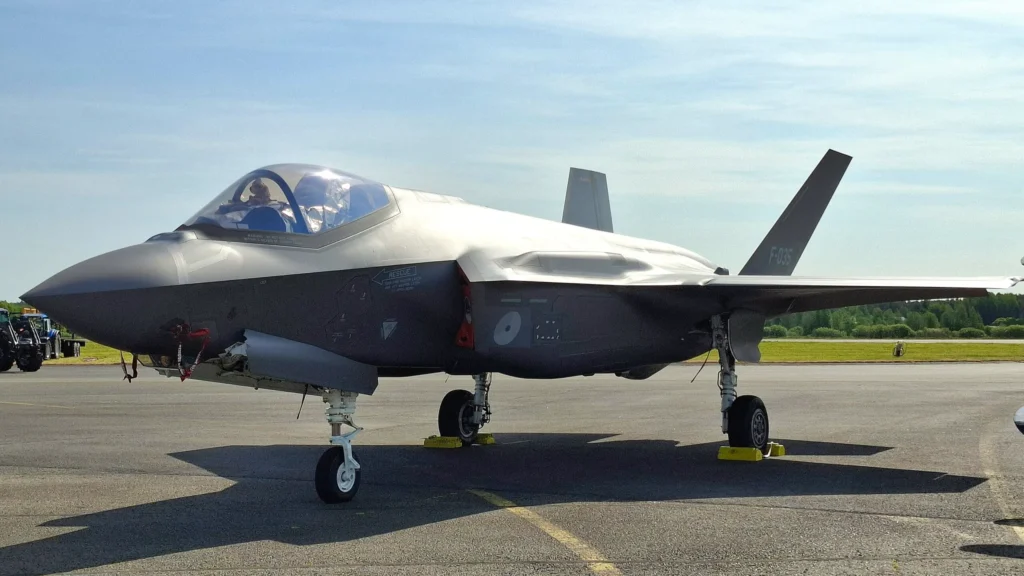
Where the Pentagon Should Rebalance
The CNAS report identifies five critical capability areas needing attention—combat aircraft, space, command and control, munitions, and logistics. Among them, combat aviation stands out as the most urgent.
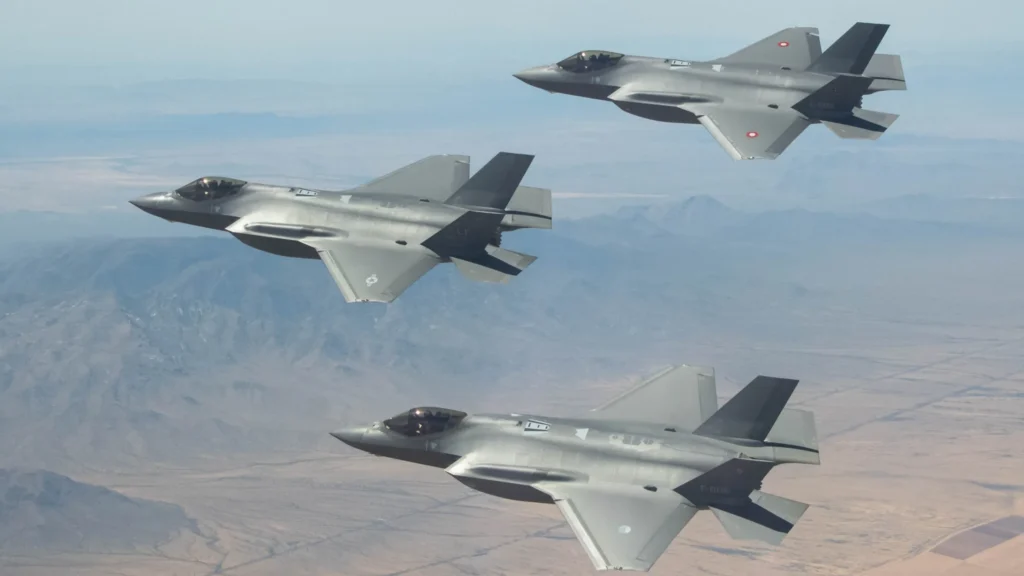
Haelig and Sheers recommend accelerating procurement of F-35 fighters and F-15EX jets while pushing forward the production of lower-cost Collaborative Combat Aircraft (CCA) to expand fleet capacity. They also highlight the B-21 Raider bomber as a “near-term opportunity” to field a transformative capability faster than previously planned.
While acknowledging the importance of next-generation platforms such as the F-47 air dominance fighter, CNAS notes that full-scale deployment of that aircraft may not occur until the 2030s. Until then, the F-35 remains the only U.S. stealth fighter in production.
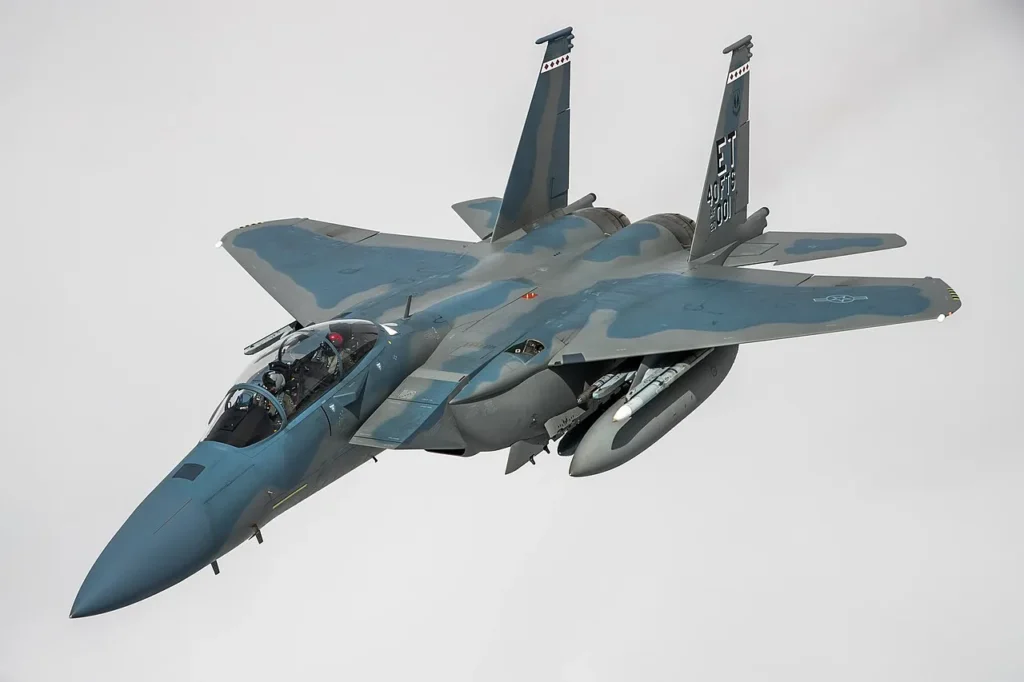
Competing Views on Urgency
Venable largely agrees with CNAS recommendations but argues for a more immediate funding shift. He calls for reallocating $6.6 billion from R&D in the Air Force’s 2026 budget toward procurement and readiness.
His plan would expand production to 72 F-35s, 24 F-15EXs, and 21 B-21s annually—numbers he considers necessary to rebuild combat strength and deterrence capability.
While CNAS stopped short of specifying dollar amounts or production targets, both analyses converge on one central point: the Air Force must move from innovation-heavy budgets toward tangible operational capacity if it intends to deter or defeat near-peer threats.
Stay tuned with us. Further, follow us on social media for the latest updates.
Join us on Telegram Group for the Latest Aviation Updates. Subsequently, follow us on Google News
