

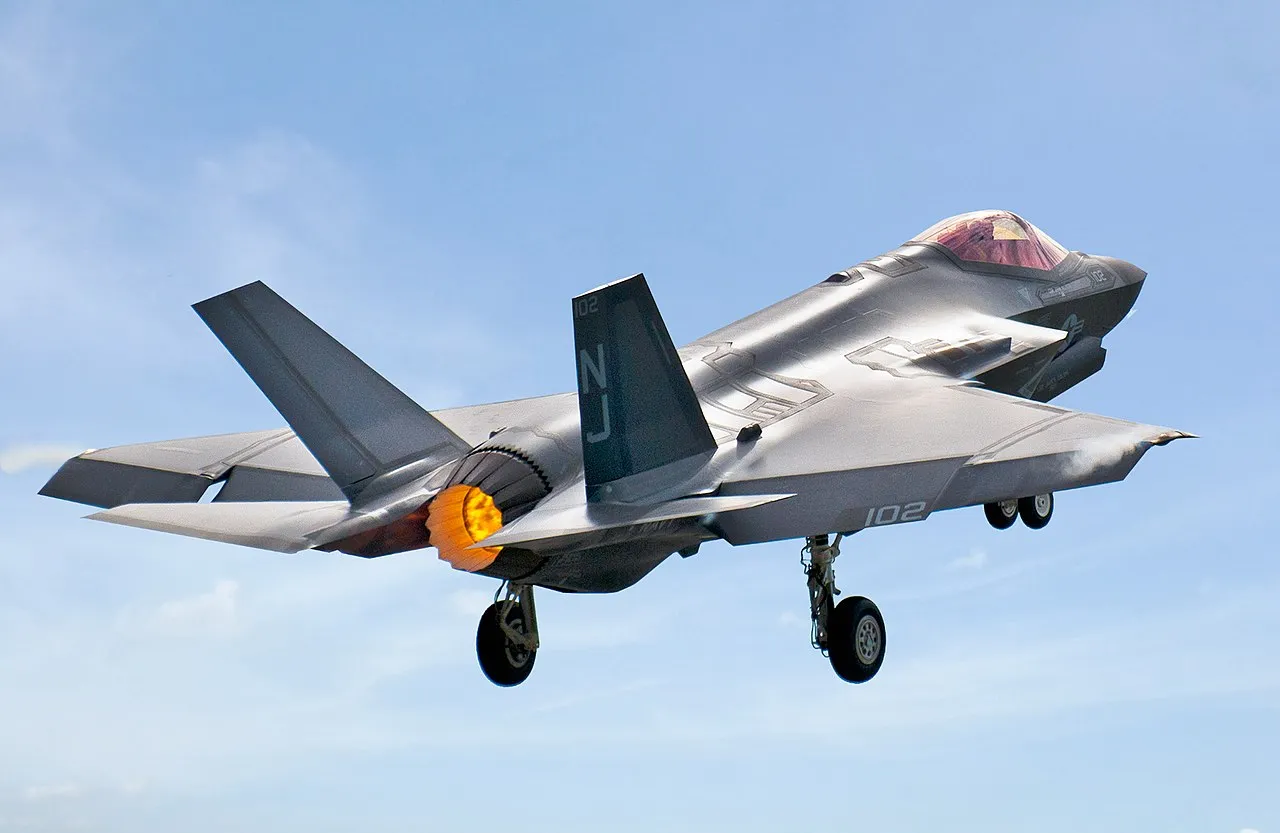
Saudi Arabia’s request for F-35 Lightning II stealth fighters is reportedly progressing within the Pentagon, according to sources cited by Reuters. The move could make Riyadh (RUH) the first Arab nation to field a fifth-generation stealth jet, breaking Israel’s exclusive control of the platform in the region.
The potential sale aligns with former U.S. President Donald Trump’s defense agenda, as his administration approved a $142 billion arms package for the Kingdom in May 2025. Although the F-35 was initially excluded, the latest discussions suggest it has now advanced to the Defense Secretary level, signaling renewed momentum.
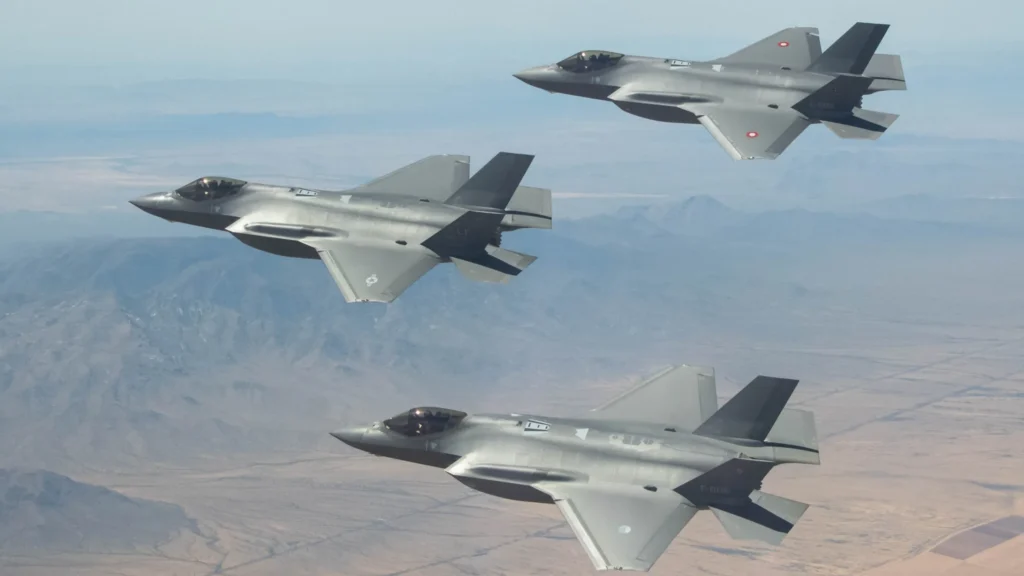
https://commons.wikimedia.org/wiki/File:US_Danish_Dutch_F-35A.jpg
Saudi Arabia to Buy F-35s
Riyadh formally expressed interest in acquiring 48 F-35s back in 2017. Despite initial reluctance from Washington, citing the need to preserve Israel’s qualitative military edge, the deal appears to be regaining traction.
Sources indicate the Pentagon’s policy division has been reviewing the proposal for months, with approvals now awaiting top-level clearance, including a potential sign-off from Trump and notification to Congress.
The F-35 deal is also intertwined with broader diplomatic efforts. Reports suggest Washington may link the sale to a normalization agreement between Saudi Arabia and Israel—an initiative previously pursued under the Abraham Accords.
The earlier attempt collapsed in 2023 after renewed violence in Gaza, but Trump may once again use normalization as leverage to finalize the fighter jet sale.
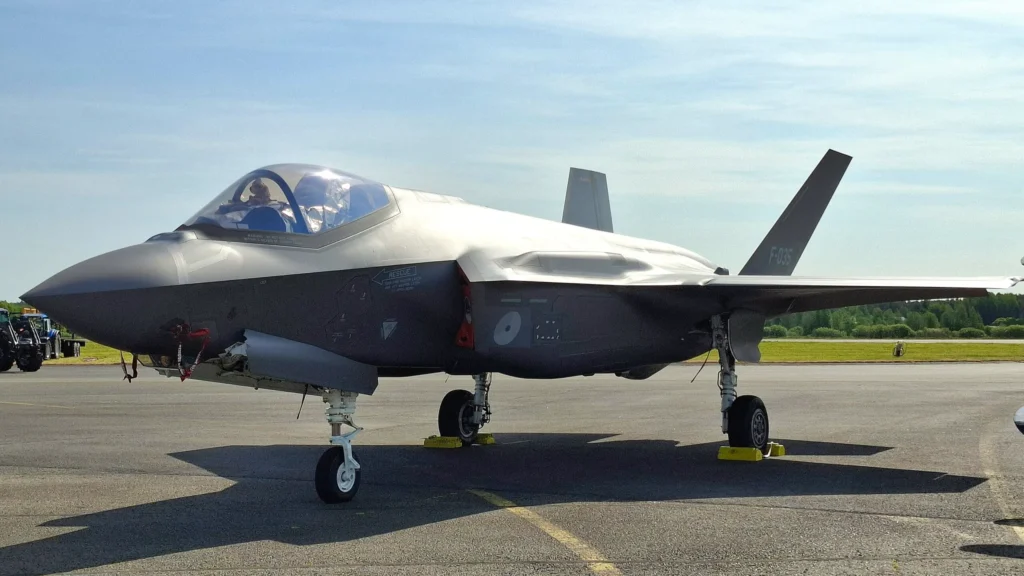
Riyadh’s Expanding Air Power
The Royal Saudi Air Force (RSAF) currently operates an advanced fleet including F-15SA, F-15SR, Eurofighter Typhoon, and Panavia Tornado aircraft.
The push for the F-35 reflects Riyadh’s goal to enhance its deterrence capabilities amid ongoing regional tensions.
Saudi Arabia had also explored alternatives, including Turkey’s KAAN stealth fighter and the purchase of Turkish Akinci UCAVs. However, approval of the F-35 would likely sideline these options, given the platform’s combat-proven capabilities and interoperability with Western systems.
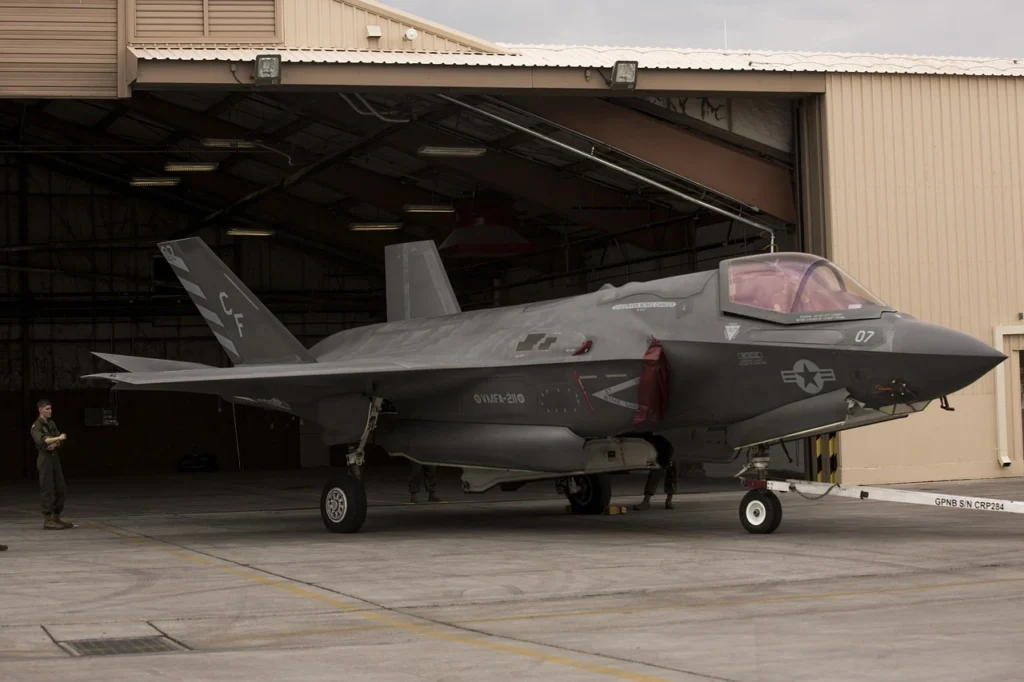
Israel’s Exclusive Edge and Growing Concerns
Israel remains the only Middle Eastern operator of the F-35, fielding the locally modified F-35I “Adir.” The aircraft has already seen combat operations against Iranian targets, reinforcing Israel’s strategic dominance.
Tel Aviv has repeatedly emphasized its right to maintain military superiority under U.S. law, which restricts Washington from supplying equivalent systems to neighboring states.
Israeli officials and defense analysts have voiced concern that F-35 deliveries to Saudi Arabia could erode this advantage. They warn that potential technology transfers to Russia, China, or Iran—however speculative—could compromise sensitive systems.
Some Israeli voices have proposed limiting the Saudi variant’s capabilities, excluding the Block 4 upgrade, to protect Israel’s technological edge.
Alternatives and Future Pathways
If the F-35 deal stalls again, Riyadh has several fallback options. Germany has lifted its veto on Eurofighter exports, while France’s Rafale remains a viable candidate to diversify the RSAF’s fleet.
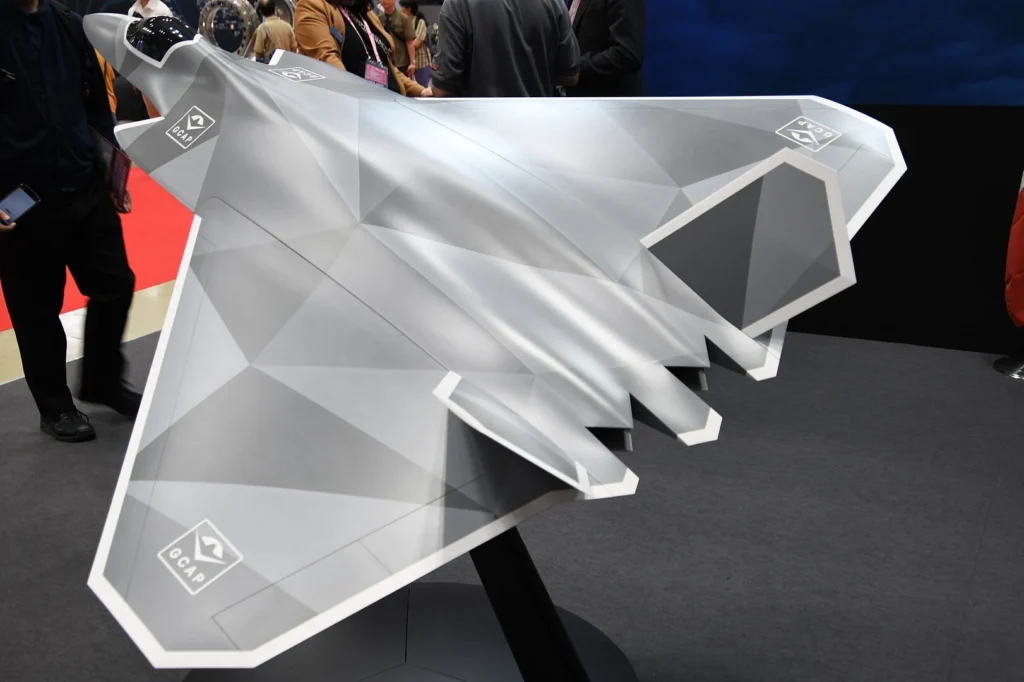
Additionally, Saudi Arabia may explore participation in the Global Combat Air Programme (GCAP), a sixth-generation fighter project led by the UK, Japan, and Italy.
Such collaboration would offer Saudi Arabia a future stake in next-generation aerospace technologies, ensuring strategic balance if U.S. approvals face continued delays.
Stay tuned with us. Further, follow us on social media for the latest updates.
Join us on Telegram Group for the Latest Aviation Updates. Subsequently, follow us on Google News
