

The US Air Force conducted large-scale training to operate independently from Moody Air Force Base near Valdosta (VLD), preparing units to sustain missions when isolated from reinforcements, resupply, or communication.
The event explored how airmen could remain mission-capable for days or weeks during a high-end conflict against China or another advanced adversary.
The exercise assessed how dispersed forces can maintain aircraft, generate sorties, secure forward sites, and function under contested conditions.
According to Defense News, the scenario replicated the challenges expected in a future war where centralized bases may be targeted by cruise missiles or other precision weapons.
US Air Force Tests Dispersed Combat Operations
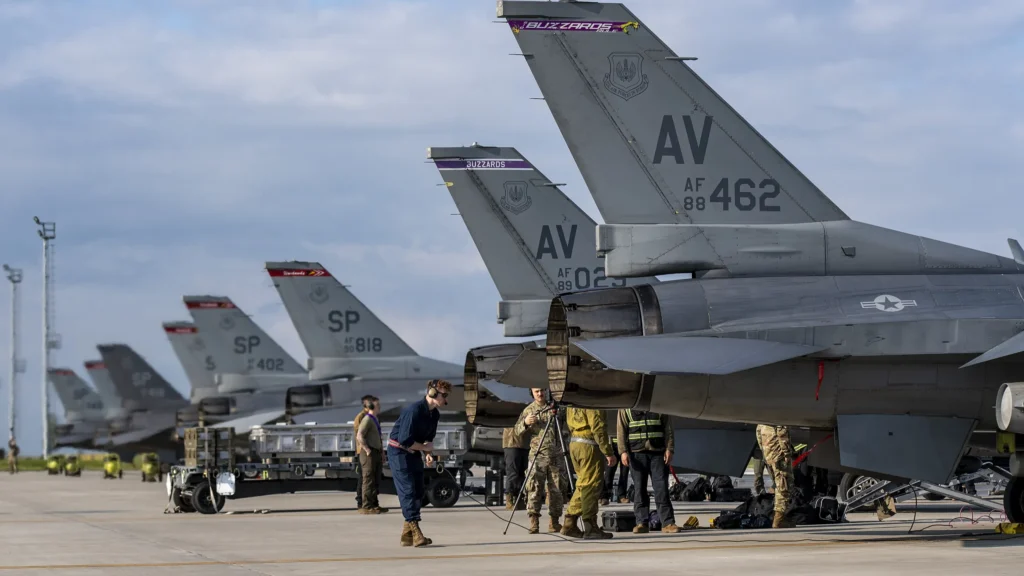
Exercise Mosaic Tiger 26-1, held from Nov. 12 to 21 across multiple locations in Georgia and Florida, tested the 23rd Wing’s ability to operate when cut off from command networks.
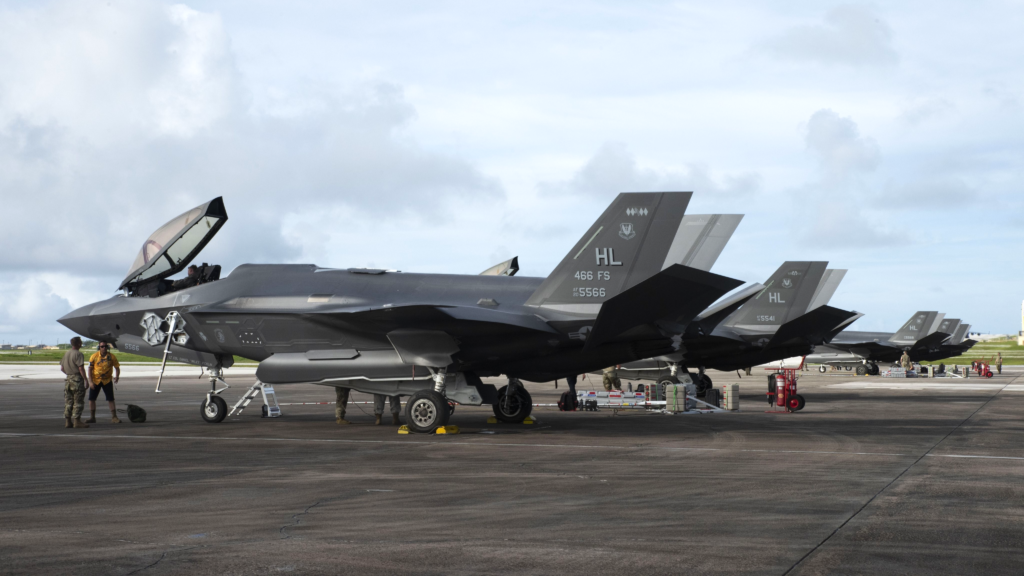
The training aligned with the Agile Combat Employment strategy, which prepares units to disperse across austere fields to survive attacks on major air installations.
ACE emphasizes operating from rough, distributed bases without reliable logistics, enabling aircraft to remain active even when resupply or reinforcement is delayed.
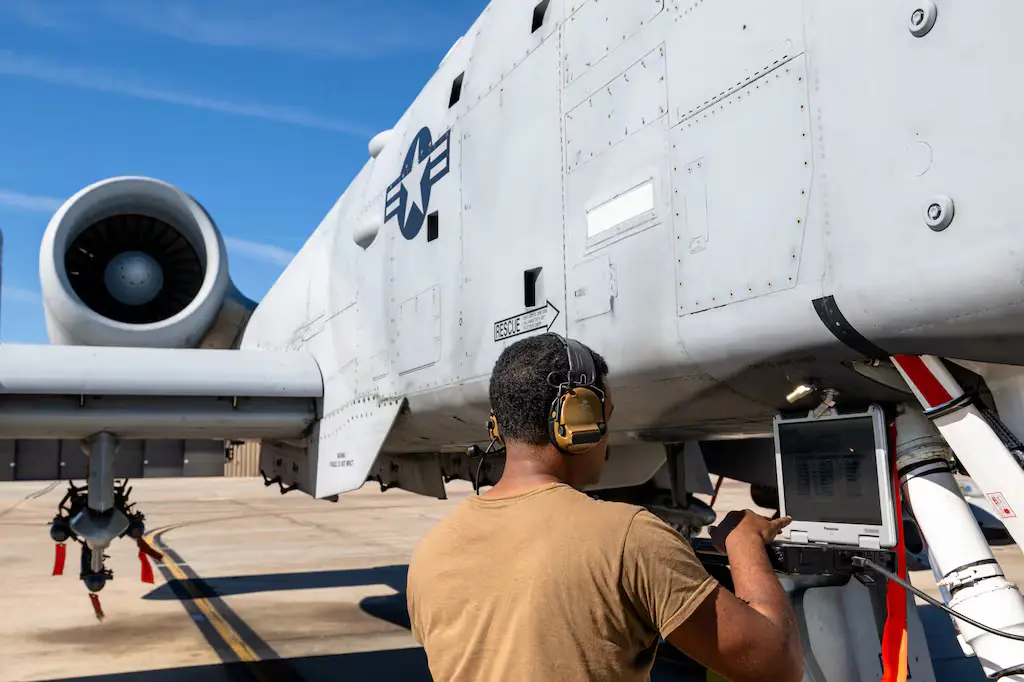
Airmen established forward operating sites, secured perimeters, and executed integrated combat turns, a rapid technique for rearming and refueling aircraft.
The exercise included attack, rescue, and support elements working together under conditions designed to mirror a contested battlespace.
Each distributed team faced unique local challenges and unknown resupply timelines, mirroring the uncertainty expected in a high-threat environment.
Multi-Capable Airmen and Base Activation
One of the first and most critical elements of the event was activating the 23rd Combat Air Base Squadron to lead site establishment, defense, logistics, and communication capabilities.
Under the multi-capable airman approach, personnel were required to perform additional tasks outside their primary specialties.
Airmen maintained aircraft, set up communication systems, and guarded base perimeters to compensate for limited manpower at isolated sites.
As Lt. Col. Justin May noted, every squadron member took on responsibilities that normally fell outside their standard roles.
Maintenance airmen from the 74th and 75th Fighter Generation Squadrons were divided and sent to several different locations, each with its own operational environment.
They were tasked with keeping A-10 aircraft airworthy while conserving parts, oil, and tools. They reused components when possible, stretched limited supplies, and adapted to unpredictable conditions.
Staff Sgt. William Flores emphasized that resource accountability was essential, describing how teams sometimes swapped aircraft to conserve oil and sustain flight operations.
Maintaining Operations
Units are also trained to continue generating combat sorties during communication outages. Airmen followed a 3-day air tasking order that detailed their immediate missions.
If an outage extended beyond 72 hours, units shifted to broader guidance based on the last-known commander’s intent and executed prebriefed timelines.
Coordination with adjacent units occurred directly at the tactical level when higher headquarters could not provide detailed integration. The wing facilitated these connections to ensure mission planning remained aligned across distributed elements.
Future Outlook
The training demonstrated how small, scattered operating locations improve survivability in a conflict where large fixed bases may be highly vulnerable.
By mastering dispersed movement, resource discipline, and autonomous decisions, airmen enhanced their ability to operate under prolonged isolation in a future conflict against a technologically advanced adversary.
Stay tuned with us. Further, follow us on social media for the latest updates.
Join us on Telegram Group for the Latest Aviation Updates. Subsequently, follow us on Google News
