

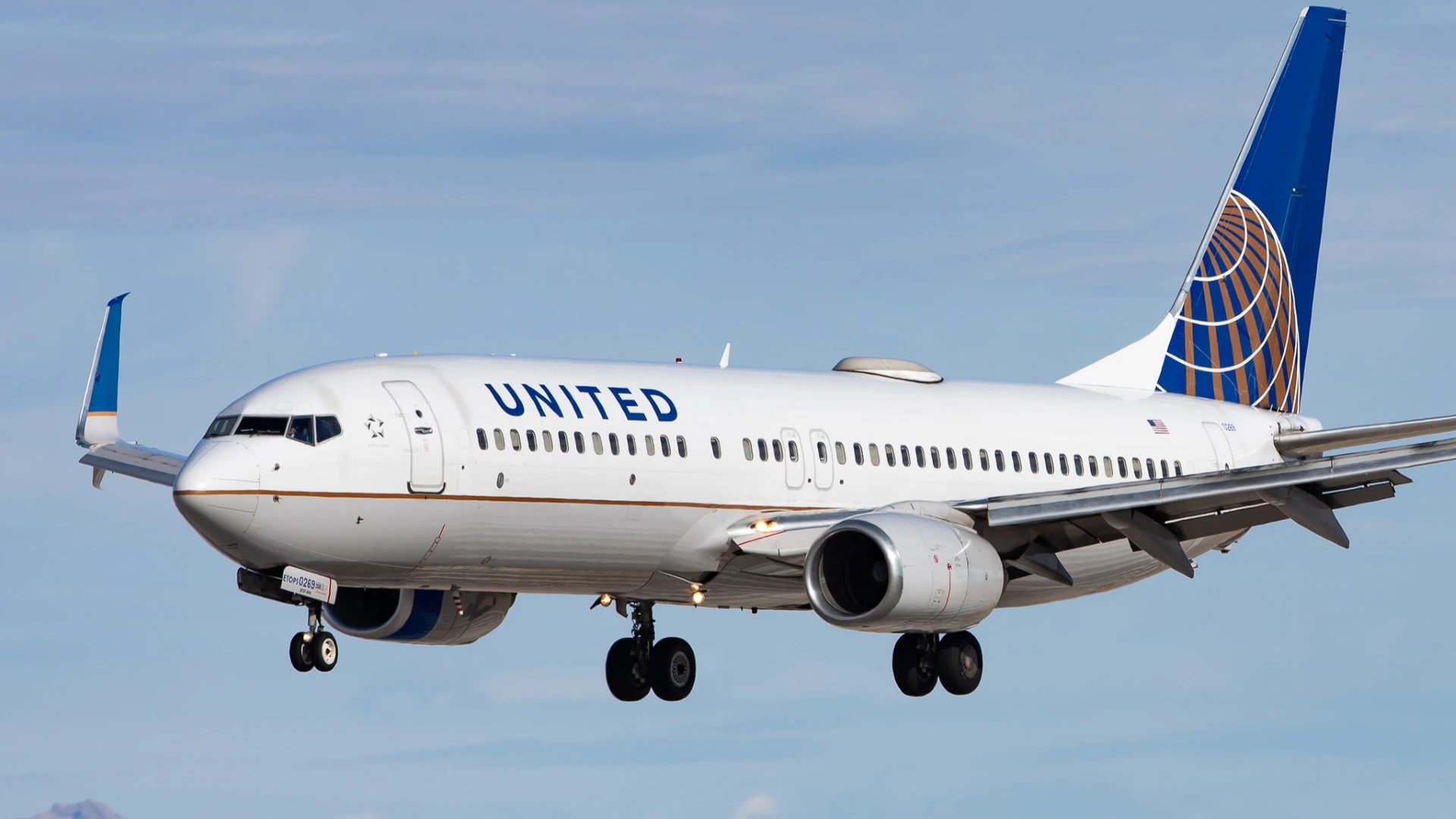
CHICAGO- United Airlines (UA) operated its Boeing 737 service from Seattle International Airport (SEA) to Denver International Airport (DEN) when crew members discovered that the main cabin door handle was not fully secured during the flight.
The aircraft, typically operated as a Boeing 737-900, reached a cruising altitude of 37,000 feet on the more than 2-hour trip.
A flight attendant reported hearing a pop at around 10,000 feet shortly after the aircraft departed Seattle at approximately 4 PM.
The sound occurred during the climb across Washington State, Idaho, Wyoming, and Colorado. Despite this, the pilots assessed the situation and continued to Denver without declaring an emergency.
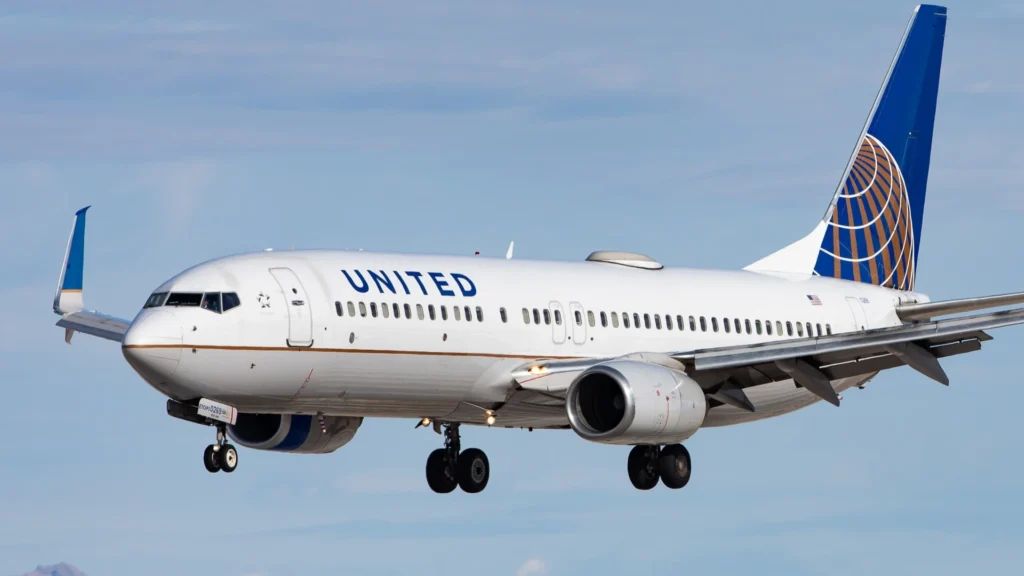
United Airlines 737 Door Handle
The Boeing 737 uses a plug-style cabin door design introduced in the 1960s and maintained through later variants, including the 737-900. This door relies on differential pressure to secure itself as altitude increases.
Aircrew report that the door can be physically demanding to operate due to its manual mechanism, sometimes requiring notable upper-body strength.
Occasional in-flight movement of the external handle has been documented, and according to PYOK, such shifts are uncommon but not considered a safety risk.
Although the handle may lift out of its aerodynamic recess, the locking function remains intact.
For the door to open, the handle must be pulled outward further and fully rotated, which is impossible at cruising altitude because the pressure differential keeps the door sealed against the fuselage.
The design limits any unintentional release regardless of minor handle displacement.
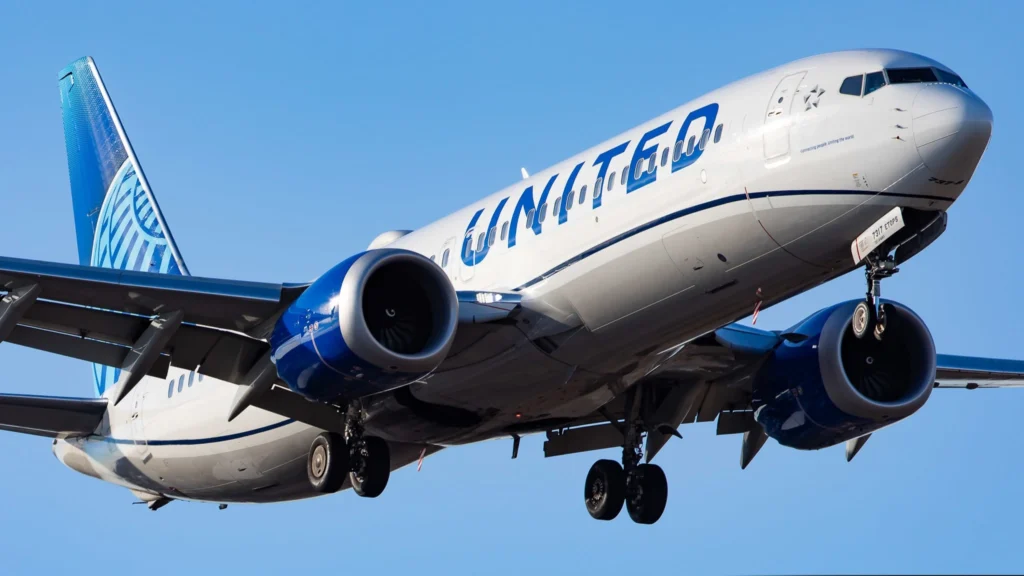
Why the Plug-Style Door Remains Secure
The plug-style system strengthens its seal as cabin pressure rises, creating a tighter hold against the aircraft structure.
This prevents the door from opening in-flight, even if a passenger or crew member attempted to raise the handle from inside.
Compared to modern automated door systems on newer aircraft types, the 737’s manual architecture remains reliable through its pressure-based locking method.
While newer aircraft use improved mechanisms for ease of operation, the 737’s design still meets safety standards and continues to withstand operational demands.
The aerodynamic recess for the handle primarily reduces drag and does not influence the core locking mechanism.
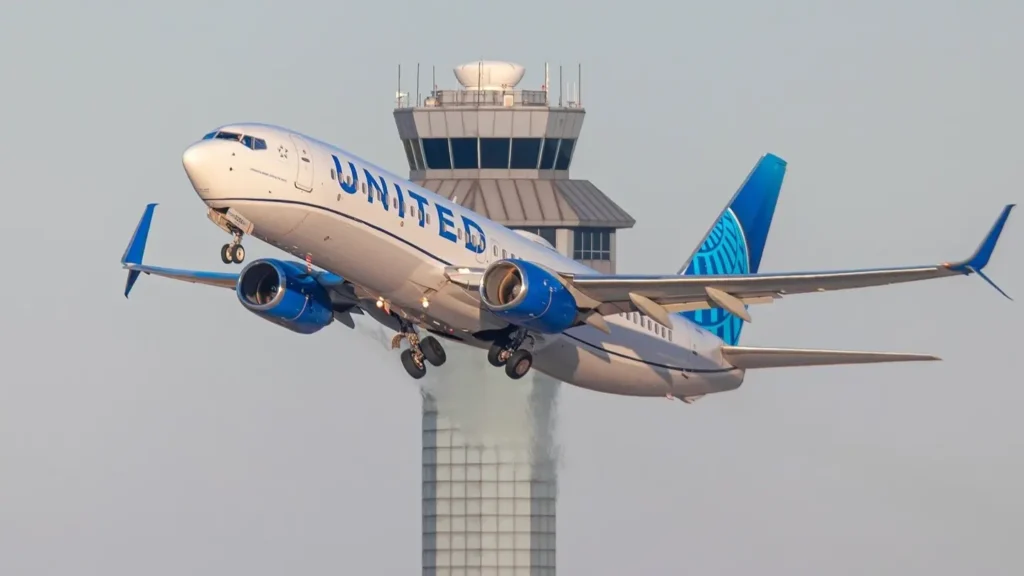
Crew Procedures and Post-Flight Evaluation
During this incident, flight crews followed standard safety protocols by evaluating cockpit indications and verifying that the handle movement did not affect door integrity.
With no system warnings and the plug-door mechanism ensuring structural security, the pilots determined that the flight could proceed to Denver.
Following landing, maintenance teams typically inspect the door assembly to confirm proper handle stowage and assess any vibration-related movement that may have occurred during climb.
Such checks ensure continued compliance with operational requirements for subsequent flights.
Stay tuned with us. Further, follow us on social media for the latest updates.
Join us on Telegram Group for the Latest Aviation Updates. Subsequently, follow us on Google News
