

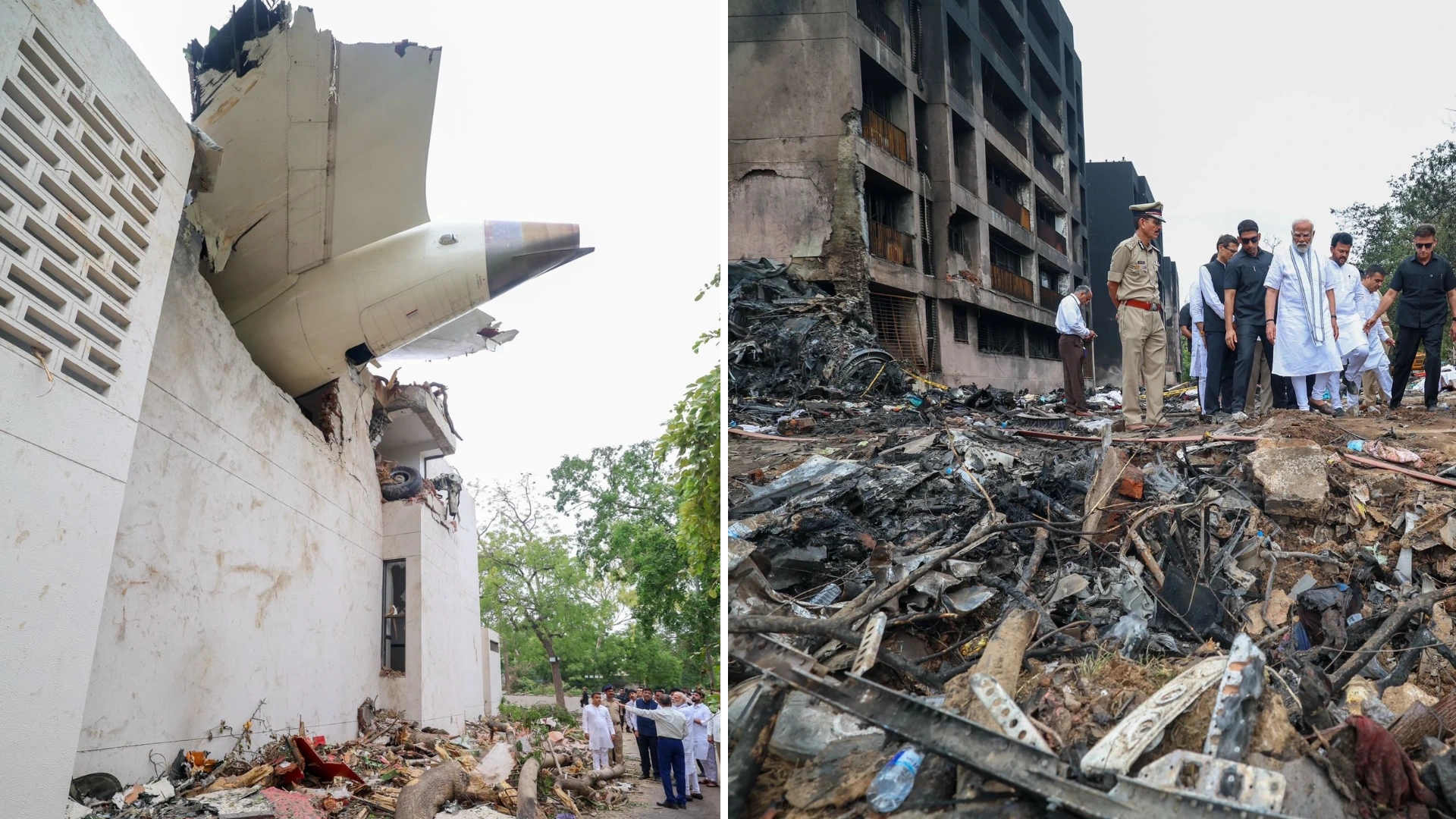
DELHI- The investigation into the deadliest Air India (AI) Boeing 787 Crash in Ahmedabad has led to intense disagreements between Indian authorities and US experts. The probe has been clouded by tension over access to black box data and control of the inquiry.
The dispute escalated when US specialists arrived to assist with decoding flight recorders, prompting sharp exchanges over security, the location of analysis, and the direction of the investigation.
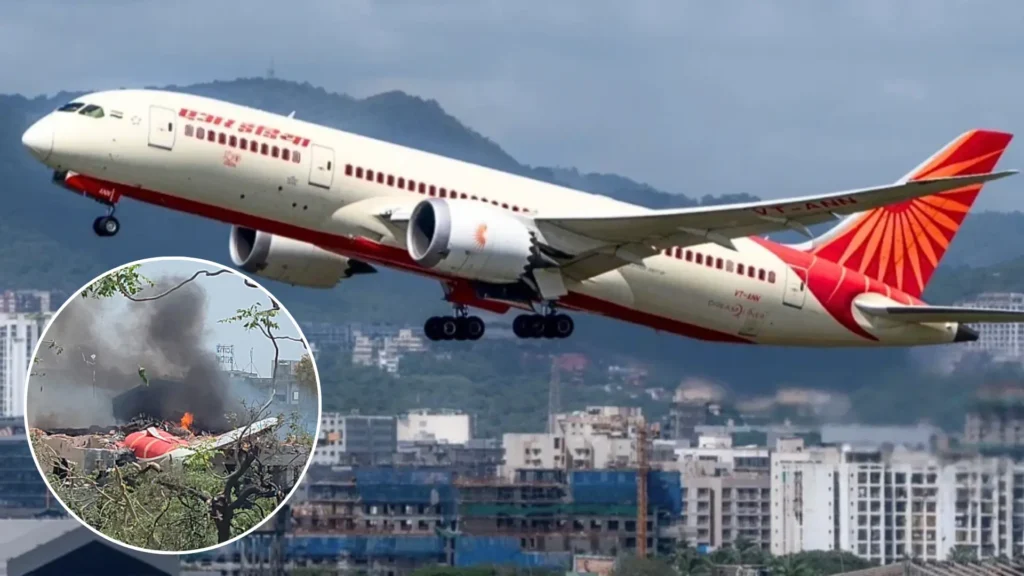
Air India 787 Crash Probe
The investigation encountered its sharpest friction when two National Transportation Safety Board (NTSB) specialists arrived in New Delhi in late June. Indian officials had arranged a late-night military flight to move them to a remote facility for data extraction.
According to WSJ, this triggered immediate intervention from NTSB leadership due to security concerns raised by the US State Department. American embassy staff halted the transfer and kept the team in Delhi.
US officials pressed Indian authorities to extract black box data in either Delhi or Washington, arguing that delays undermined the probe. NTSB chair Jennifer Homendy warned she could withdraw American support if further obstacles slowed the process.
Indian investigators eventually agreed to decode the data in Delhi using NTSB equipment rather than the remote lab, which marked a turning point in the standoff.
The US side continued to raise concerns about the preliminary data, which indicated that fuel control switches for both engines were moved to the cutoff position shortly after takeoff.
US officials reviewing cockpit audio said the first officer appeared to attempt recovery while the captain stayed composed. These interpretations amplified American suspicion that the event may have been intentional. Indian authorities have not endorsed that theory, maintaining that the facts remain incomplete.
Legal Oversight
The Supreme Court took note of the tension surrounding the probe on 7 November. A bench issued notices to the government and the aviation regulator on a petition filed by the father of Capt. Sumeet Sabharwal, seeking an independent and court-monitored inquiry into the tragedy that killed 260 people, including 19 on the ground, leaving one survivor.
The bench noted that no individual should bear personal blame at this stage, calling the crash an accident.
The Aircraft Accident Investigation Bureau’s preliminary findings did not assign responsibility or specify which pilot moved the fuel switches. This neutral stance triggered frustration among families and pilots who warned against reaching conclusions without deeper technical verification.
ALSO READ: Air India 787 Pilots Reject Takeoff at Delhi Airport, Cancel Flight
Industry at Stake
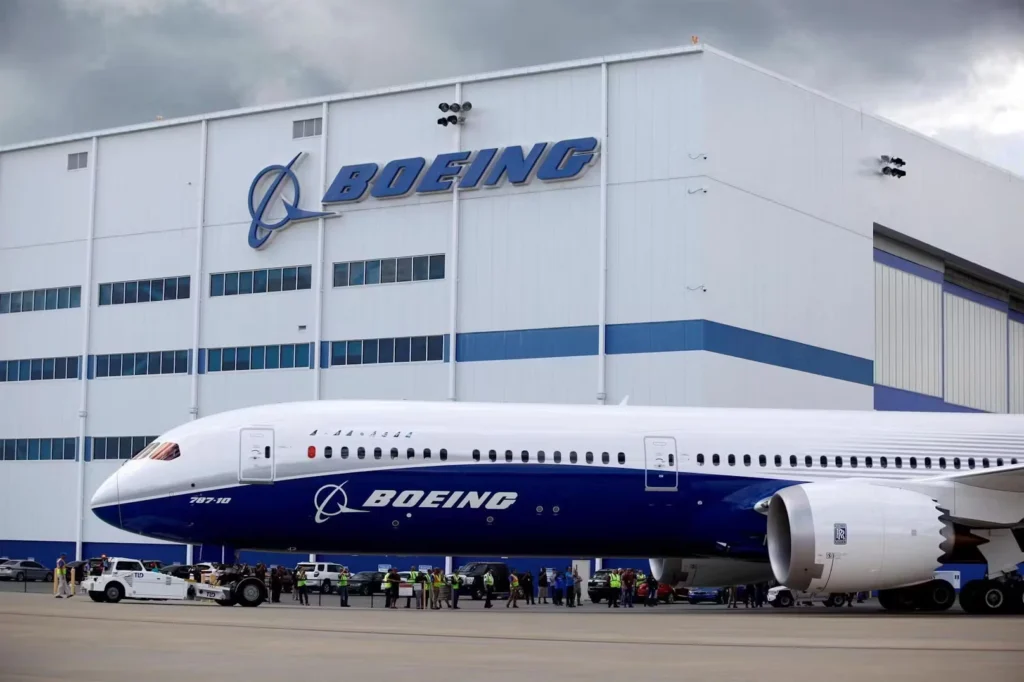
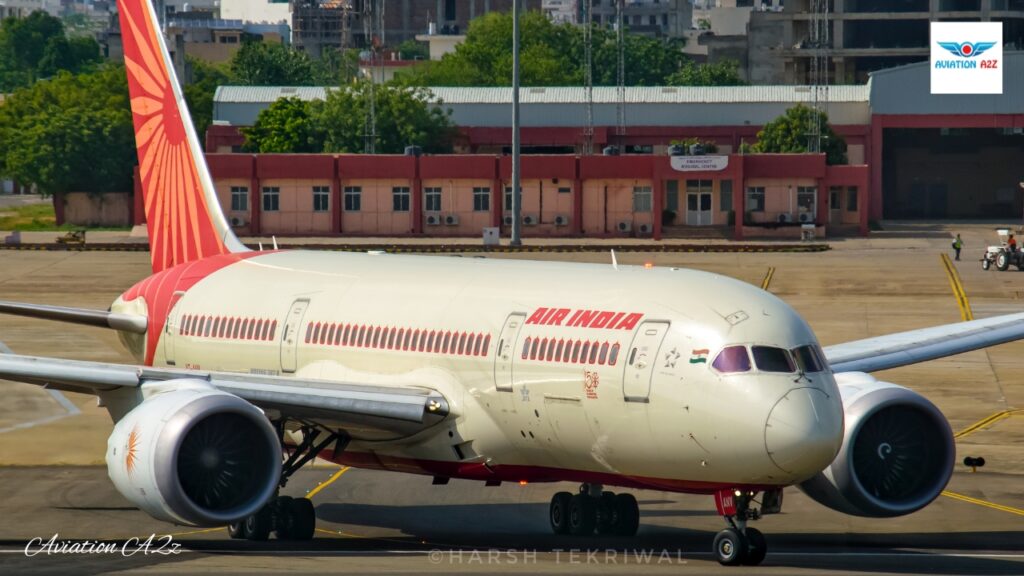
The implications span beyond national jurisdictions. The aircraft involved was a Boeing Dreamliner, one of the most common long-haul jets globally. Any suggestion of a systemic issue would have industry-wide consequences.
US regulators reported no evidence of mechanical failure, and neither Boeing nor GE Aerospace is working on related technical fixes.
FAA administrator Bryan Bedford said in July that regulators were confident the issue did not relate to inadvertent manipulation of fuel control systems.
Pending Questions and Ongoing Scrutiny
The petition before the Supreme Court argues that focusing only on pilot actions risks overlooking potential mechanical or systemic factors.
The investigation continues to face pressure for clarity, transparency, and independence. With competing interpretations and a fragmented investigative environment, several key questions remain unresolved.
Stay tuned with us. Further, follow us on social media for the latest updates.
Join us on Telegram Group for the Latest Aviation Updates. Subsequently, follow us on Google News
