

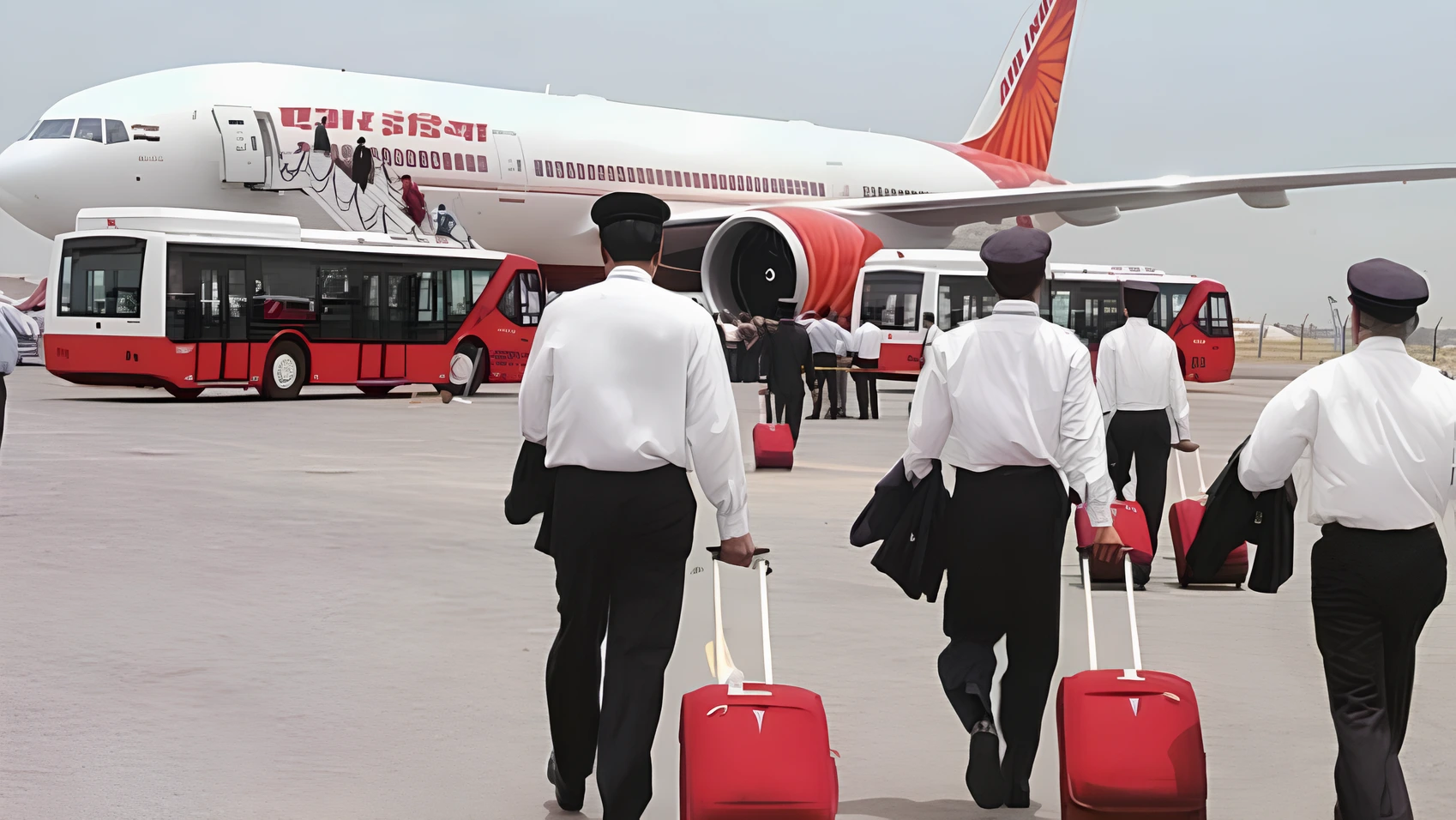
GURUGRAM- Tata Group-owned Air India (AI) is facing increased scrutiny after the pilot-in-command of its Phuket (HKT) to Delhi (DEL) flight tested positive for marijuana in a confirmatory drug test following a serious in-flight incident that injured 24 people.
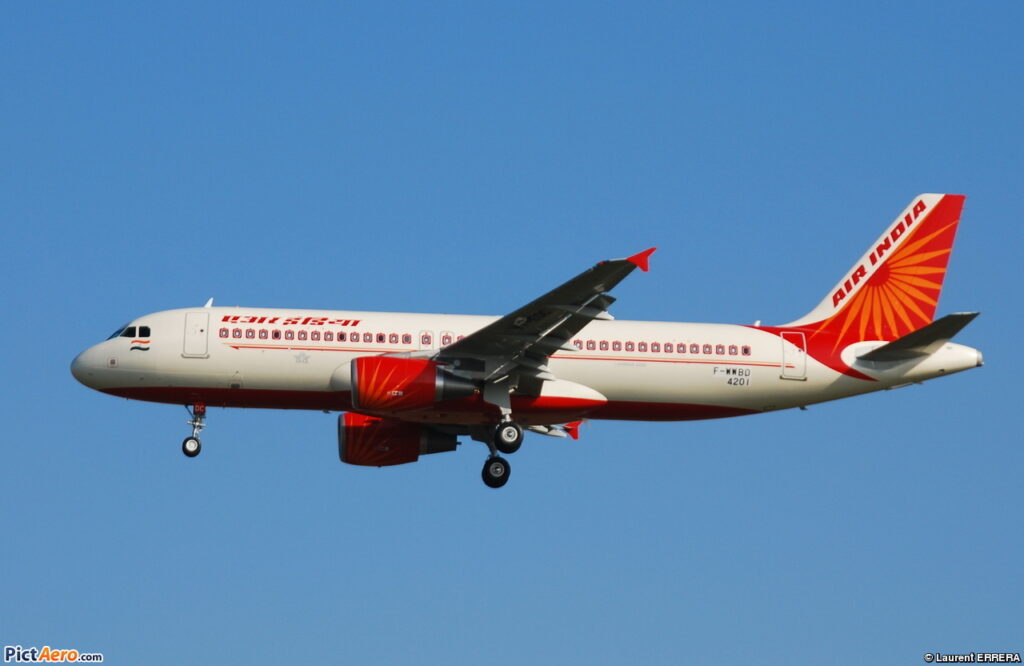
The Air India (AI) Airbus A320 operating from Phuket International Airport (HKT) to Indira Gandhi International Airport, Delhi (DEL), experienced a sudden 300-foot altitude loss on August 4. While severe turbulence was initially cited as a factor, investigators are now examining pilot conduct and possible technical issues alongside the confirmed drug test result.
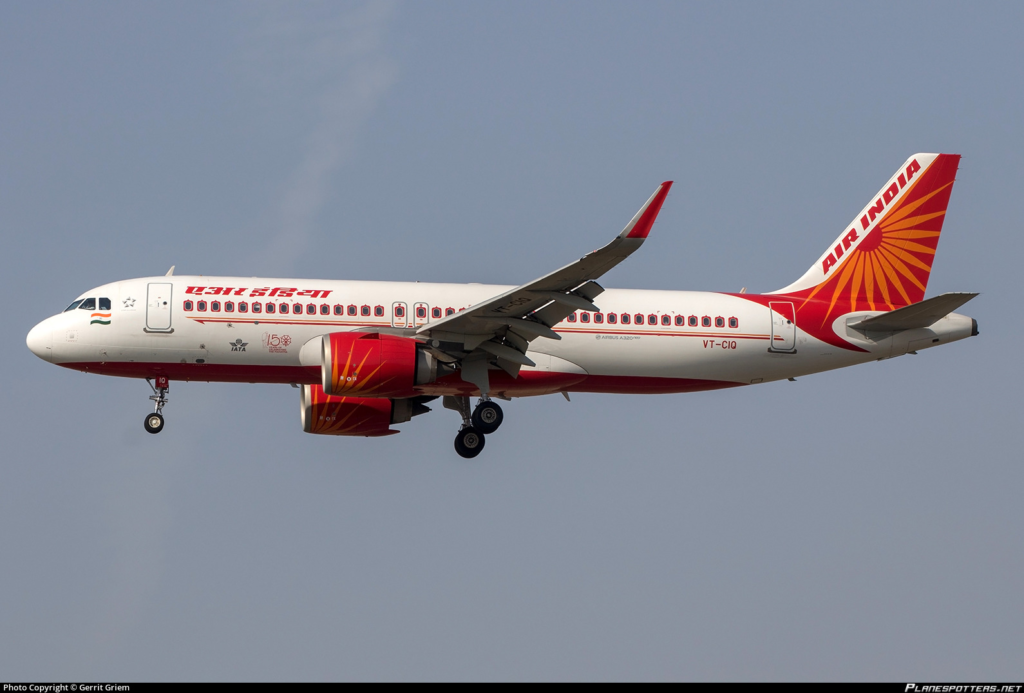
Air India Pilot’s Confirmatory Drug Test Comes Back Positive
Sources familiar with the matter said the confirmatory laboratory analysis of the pilot-in-command’s sample identified marijuana after the preliminary screening had returned a non-negative result.
The Ministry of Civil Aviation had earlier confirmed that the initial screening was inconclusive and that the samples had been forwarded for confirmatory testing. Such follow-up testing is mandatory because certain foods and prescribed medications can occasionally produce false positives during preliminary drug screenings.
The positive confirmatory result has now become an important element of the ongoing investigation into the serious in-flight incident.
However, under the Directorate General of Civil Aviation (DGCA) regulations governing psychoactive substance testing, a confirmed laboratory result does not automatically establish drug abuse.
The organisation’s medical in-charge must first consult a Medical Review Officer (MRO), who evaluates whether the positive result could have originated from a legitimate therapeutic medication or another acceptable medical explanation.
Only after the MRO completes the review can the case be formally classified as drug use under DGCA regulations.
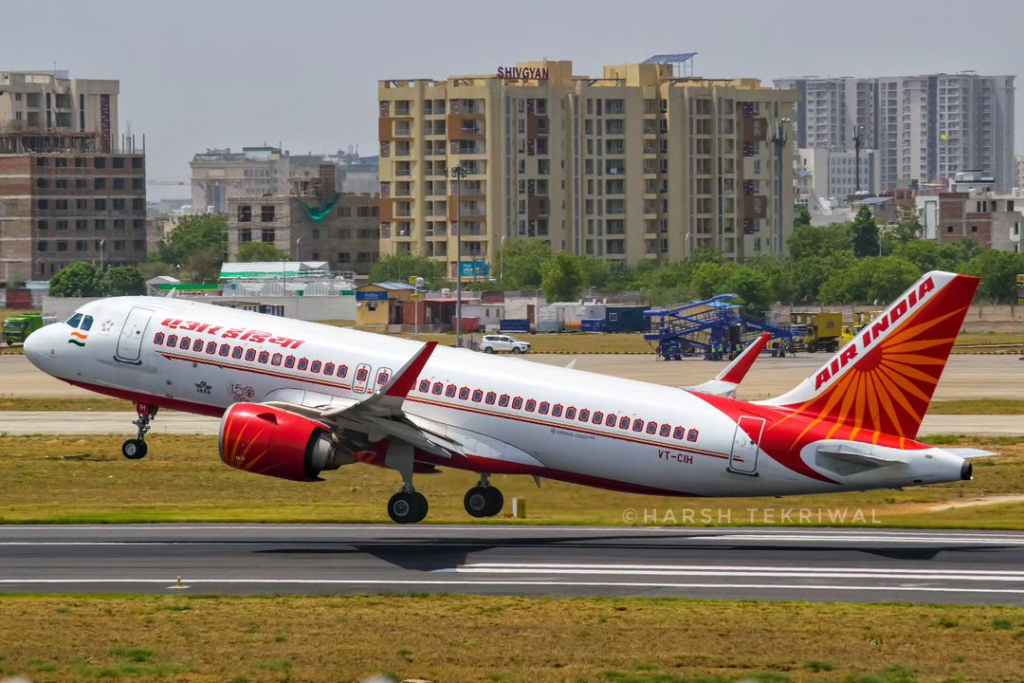
Phuket to Delhi Flight Suffered Sudden Altitude Loss
The incident occurred on August 4 aboard an Air India Airbus A320 registered as VT-EXO.
The aircraft departed Phuket at 8:41 AM local time with 137 passengers, six cabin crew members, and two pilots on board.
Approximately two and a half hours into the flight, while cruising over Odisha at around 36,000 feet, the aircraft suddenly lost about 300 feet of altitude.
The abrupt descent injured 20 passengers and four cabin crew members, with 17 people requiring hospitalisation after landing.
Despite the incident, the aircraft safely landed at Delhi’s Indira Gandhi International Airport at 11:07 AM.
The Aircraft Accident Investigation Bureau (AAIB) classified the occurrence as a serious incident and launched a formal investigation.
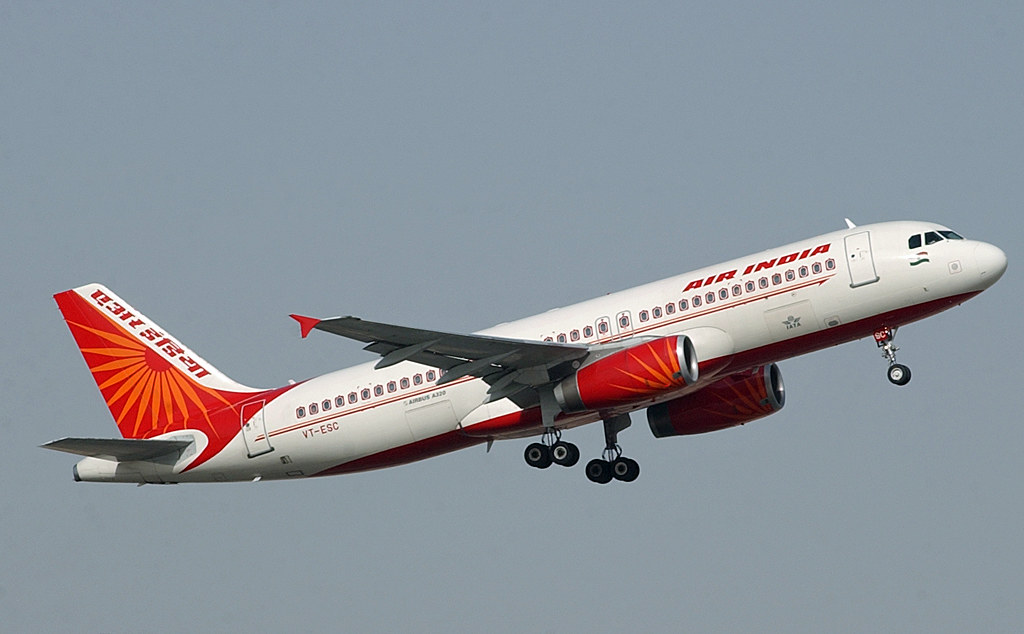
Investigators Examining Technical Problems and Pilot Actions
While severe turbulence was initially cited by government authorities and Air India as the primary cause, investigators are now evaluating multiple possible contributing factors.
According to sources, the Airbus A320 reportedly experienced several cockpit warnings involving hydraulic and flight control systems shortly before the altitude loss.
Air India has reportedly shared technical information regarding the aircraft’s system warnings with Airbus.
Sources indicated that the pilots are believed to have taken manual control of the aircraft after the cockpit alerts appeared. Investigators are assessing whether the aircraft’s response to those technical issues contributed to the sudden loss of altitude.
At the same time, investigators have not ruled out weather-related factors. Officials familiar with the investigation stressed that the AAIB will examine every aspect before determining the final cause.
Aviation experts noted that multiple simultaneous hydraulic-related warnings on an Airbus A320 are considered highly unusual and will receive close technical examination.
Airbus and France’s Bureau d’Enquêtes et d’Analyses (BEA), the country’s aviation accident investigation authority, are assisting the AAIB with the investigation.
Senior Government and Air India Officials Hold Review Meeting
Following the incident, senior Air India executives met officials from the Ministry of Civil Aviation to provide an update on the investigation.
The Air India delegation was led by outgoing Chief Executive Officer Campbell Wilson. Former Civil Aviation Secretary Pradeep Singh Kharola, now Executive Advisor to Tata Sons Chairman N. Chandrasekaran, and Air India’s Head of Flight Safety Deepak Joshi also attended.
Representing the government were Civil Aviation Secretary Samir Kumar Sinha, DGCA Director General Vir Vikram Yadav, and AAIB Director General GVG Yugandhar.
Speaking to reporters after the meeting, Campbell Wilson stated that the gathering was not a questioning session but an opportunity to brief the ministry on the progress of the investigation.
Neither the Ministry of Civil Aviation, DGCA, AAIB, nor Air India immediately commented on the reported confirmatory drug test.
DGCA Rules Define Actions After Positive Drug Tests
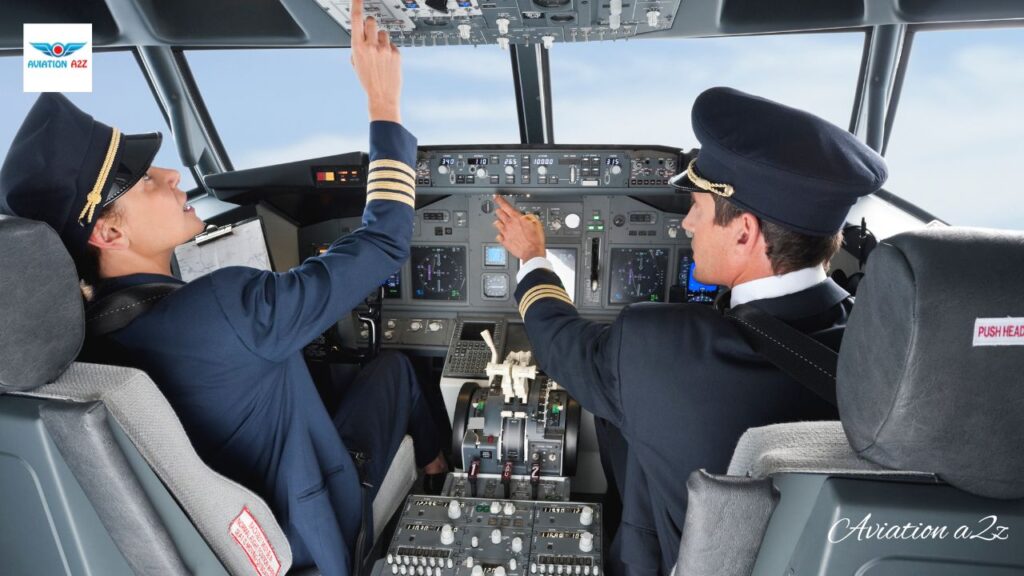
DGCA regulations prescribe a structured disciplinary process for aviation personnel who test positive for psychoactive substances.
If the Medical Review Officer confirms that the positive laboratory result is not linked to legitimate medication or another acceptable explanation, the case proceeds under the DGCA’s disciplinary framework.
For a first confirmed offence, the employee is referred for evaluation and rehabilitation through a specialist doctor, counsellor, or recognised de-addiction programme.
The individual can return to active flying duties only after producing a negative drug test and receiving a medical fitness certificate from the organisation’s medical authority.
A second confirmed positive test after returning to duty results in a three-year licence suspension.
A third confirmed positive test leads to the cancellation of the pilot’s licence.
It has not been confirmed whether the Air India pilot involved in this incident has any previous positive drug test history.
Investigation Continues on Multiple Fronts
The AAIB investigation remains ongoing and will examine pilot actions, aircraft technical performance, weather conditions, cockpit system warnings, and operational procedures before determining the cause of the incident.
The confirmed laboratory drug test has added another significant aspect to the investigation, but aviation authorities have not linked the result to the altitude-loss event. Officials have indicated that the final findings will depend on the comprehensive investigation and the Medical Review Officer’s assessment under DGCA procedures.
Stay tuned with us. Further, follow us on social media for the latest updates.
Join us on Telegram Group for the Latest Aviation Updates. Subsequently, follow us on Google News
