

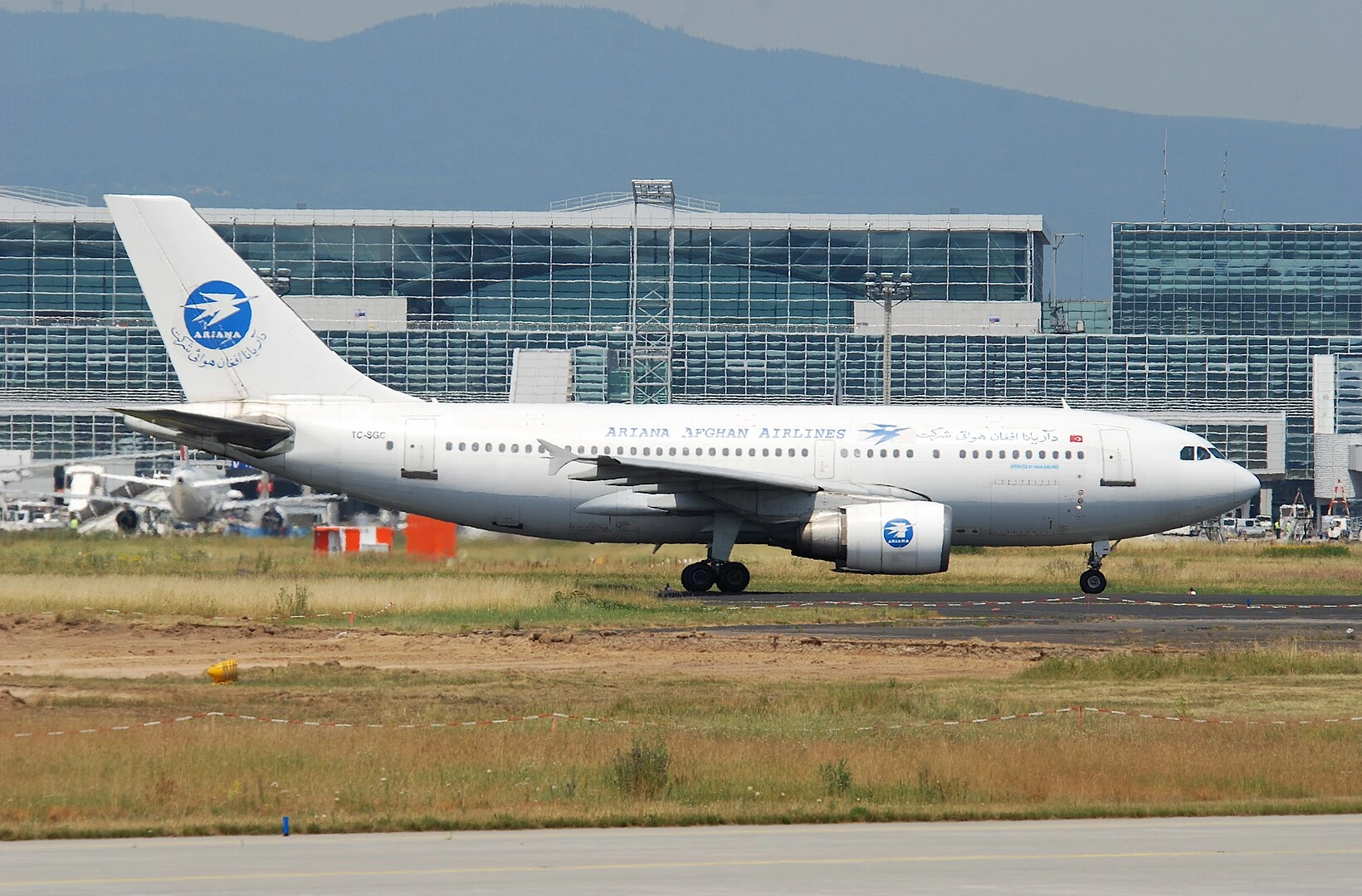
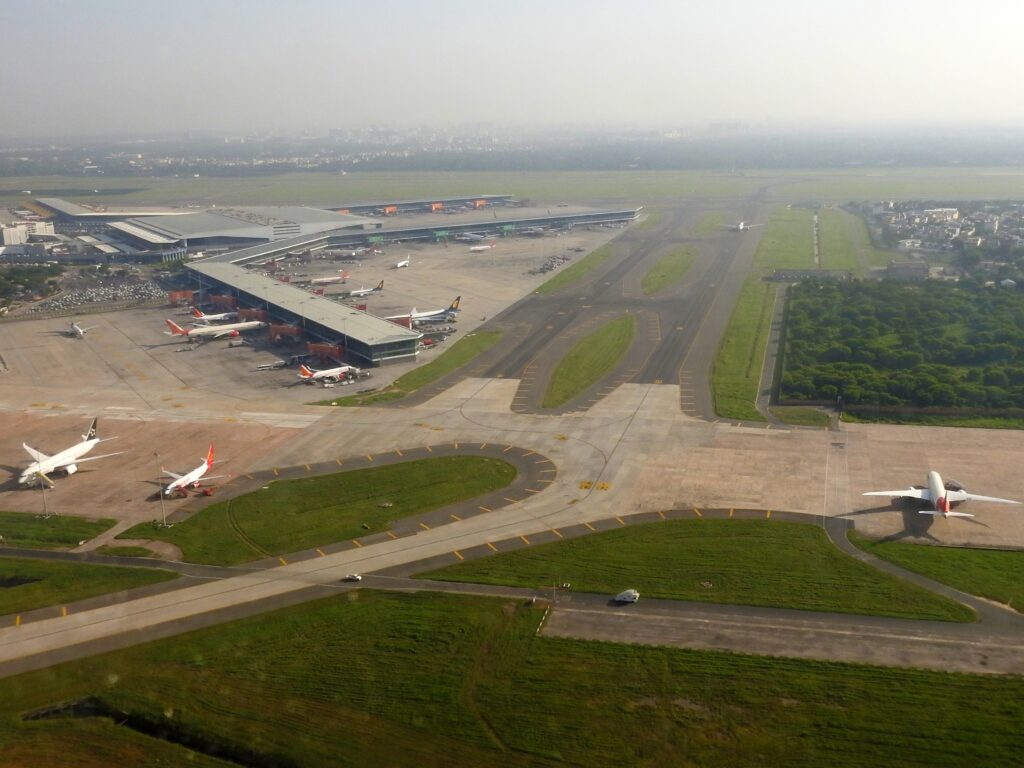
DELHI- A near miss unfolded at Indira Gandhi International Airport (DEL), Delhi, when an Ariana Afghan Airlines (FG) flight from Kabul (KBL) touched down on the wrong runway. The aircraft had been cleared for runway 29L but landed on runway 29R, where another aircraft was in its takeoff roll on Sunday, November 23, 2025.
A DGCA official confirmed that the event is under investigation. Early findings point to a loss of Instrument Landing System guidance on final approach, which led the crew to switch to a visual landing in low visibility.

Afghan Airlines Flight Lands on Wrong Runway
The Ariana Afghan Airlines A310 operating flight FG 311 was on approach to Delhi with clearance for runway 29L. According to officials, the crew reported losing ILS guidance about four nautical miles from the runway. The flight then drifted right of the intended course as the pilots transitioned to a visual approach in challenging weather.
Air Traffic Control logs show that FG 311 acknowledged landing clearance for 29L. Despite this, the aircraft aligned with 29R, where a departure sequence was underway.
The crew later told investigators that both ILS receivers failed after the final approach fix. Without lateral guidance, the aircraft veered from the prescribed path.
The final approach fix marks the formal start of the final descent in an instrument approach. Any navigation failure beyond this point creates a high risk, especially in reduced visibility.
The pilots said they were not alerted by the tower about the deviation. Upon landing, they realized they had touched down on 29R instead of 29L.
DGCA officials are examining whether the ILS malfunction originated in the aircraft systems or was caused by external factors. Flight data and ATC recordings are being reviewed to determine accountability and assess procedural compliance.
Importance of ILS Integrity
ILS provides the precision guidance required for safe runway alignment in low visibility. Any interruption disrupts the glidepath and localizer cues that help pilots maintain accurate lateral and vertical tracking. Incidents involving misaligned approaches highlight the need for reliable instrumentation and constant ATC monitoring when visibility drops.
Regulators will audit the aircraft’s navigation systems, review ATC actions, and assess whether established procedures were followed. Findings will help determine whether additional safeguards are required for operations during low visibility at high-traffic airports such as Delhi.
Similar Incident
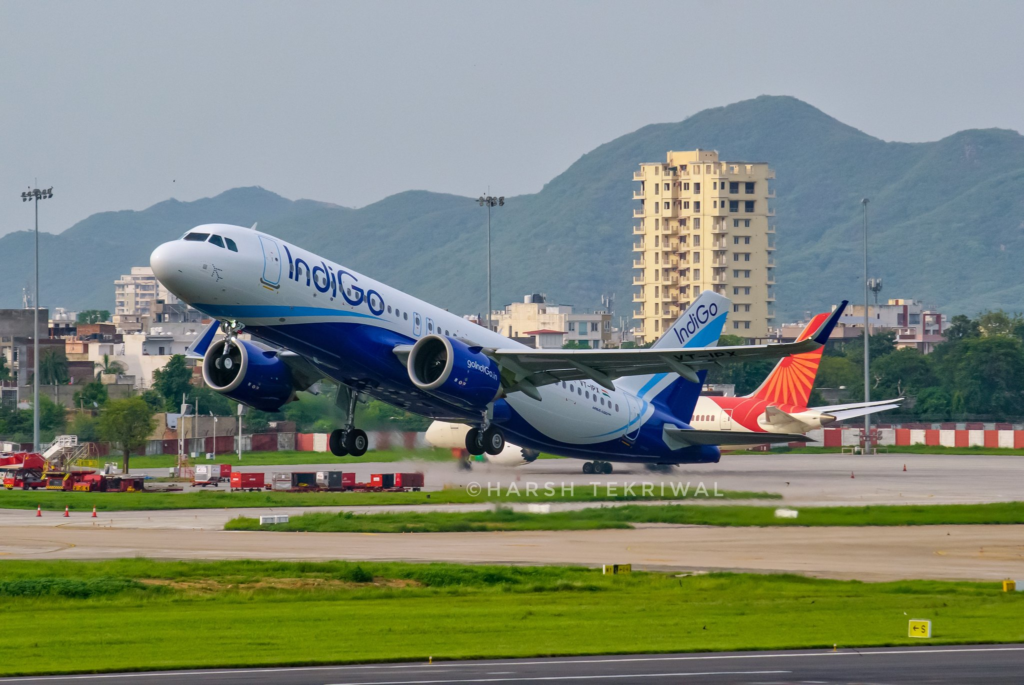
IndiGo Airlines (6E) flight 6E5053 from Devi Ahilyabai Holkar Airport (IDR) and Air India flight AI657 departing Mumbai Chhatrapati Shivaji Maharaj International Airport (BOM) came dangerously close to a runway conflict in June 8, 2024.
Both flights operated Airbus A320neo aircraft and were involved in a near miss that drew significant concern across the aviation community.
The incident unfolded as the IndiGo (6E) aircraft landed on Runway 27 while the Air India (AI) aircraft continued its takeoff roll toward Thiruvananthapuram International Airport (TRV), prompting immediate attention from regulators and industry experts.
Near Miss Raises Safety Questions
Footage captured by planespotter Karan Bhanushali revealed the Air India aircraft still accelerating on the runway while the IndiGo jet descended toward touchdown. The video spread rapidly online and sparked a wave of scrutiny regarding overall runway operations at Mumbai.
IndiGo stated that its crew complied with all ATC instructions during approach and landing. The airline also confirmed that the matter had been reported to the Directorate General of Civil Aviation. Reports indicated that the DGCA opened an investigation and sought accountability from the Airports Authority of India.
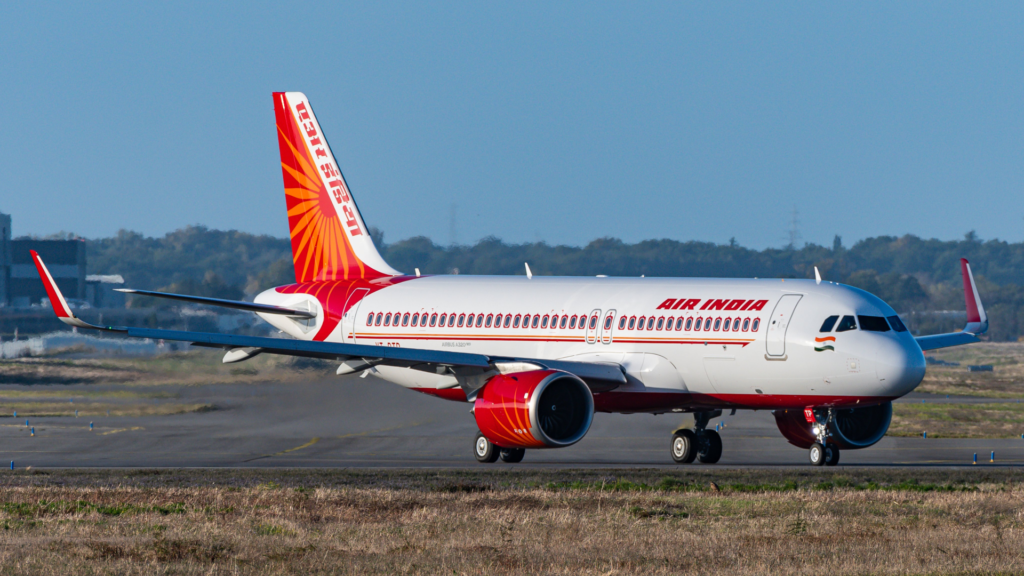
The Air India flight involved was VT RTS, a recently delivered Airbus A320neo. It had been scheduled to depart at 05:45 but was pushed back to 06:15, eventually arriving in Thiruvananthapuram ahead of schedule. IndiGo’s VT ISV departed Indore slightly early and reached Mumbai well before its planned arrival time.
Aviation professionals weighed in after the video circulated. Some cited NOTAMs related to anticipated clearances, while others emphasized the seriousness of a landing occurring with an aircraft still on the runway.
Many argued that the IndiGo crew made the safer call, given that the Air India aircraft had likely crossed V1, the point after which a takeoff is safest to continue. Several comments pointed to increasing runway congestion and the need for stricter ATC protocols.
Aircraft and Operational Details
Air India’s VT RTS is an A320neo configured with 180 seats in an all-economy layout. Delivered in March, it represents one of the carrier’s newer additions to its narrowbody fleet.
IndiGo’s VT ISV, also an A320neo, departed Indore at 05:25, cruised at 32,000 feet, and reached Mumbai at 06:15. Both aircraft performed normally and landed or departed without technical issues. All recorded times were local.
Experts highlighted the importance of clear separation during landing and takeoff operations, especially at high-traffic airports like Mumbai. Many stated that the incident could have escalated if either aircraft had deviated from expected performance.
Calls for a transparent investigation grew as the conversation spread across aviation forums and pilot networks.
Regulators are now reviewing ATC decisions, communication logs, and compliance with standard procedures. Industry observers stressed the need to reinforce safety margins as traffic levels continue to rise.
Stay tuned with us. Further, follow us on social media for the latest updates.
Join us on Telegram Group for the Latest Aviation Updates. Subsequently, follow us on Google News
