


AMRITSAR— India is accelerating plans to reshape its international aviation network with a proposed hub-and-spoke system covering 44 airports, including four major hub airports, as the government seeks to strengthen global connectivity and improve travel from smaller cities.
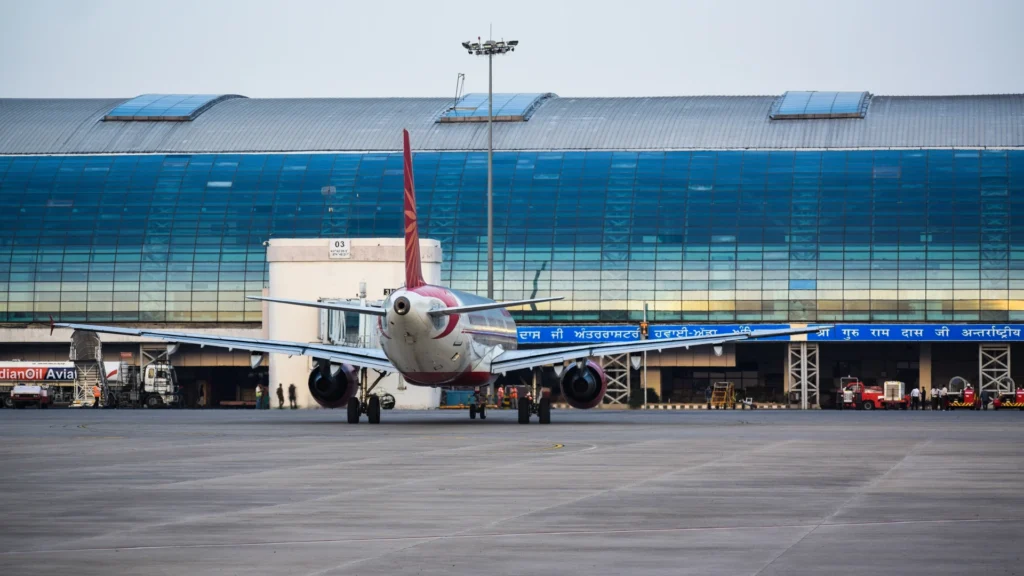
The initiative gained momentum with the launch of Air India’s (AI) Easy Connect service from Amritsar Airport (ATQ), making it the country’s second spoke airport after Varanasi Airport (VNS).
The model enables passengers to complete check-in, baggage transfer, and immigration at their origin airport before connecting through Indira Gandhi International Airport, Delhi (DEL) for overseas flights.

India’s Hub Expansion Plans
The Ministry of Civil Aviation plans to establish four aviation hubs supported by 40 spoke airports across India.
Civil Aviation Secretary Samir Kumar Sinha announced the plan during the inauguration of the new hub-and-spoke operations at Amritsar, describing it as a key step toward making India a global aviation hub.
At present, Delhi serves as the country’s only operational hub, while Varanasi and Amritsar function as spoke airports. Ahmedabad Airport (AMD) is expected to become the next spoke under the expanding network.
The hub-and-spoke model is designed to connect passengers from Tier-II and Tier-III cities with international destinations through India’s largest airports rather than relying on multiple independent international services.
Under the system, travelers complete immigration, customs clearance, baggage check, and boarding formalities at the departure airport. Once they reach Delhi, they transfer directly to their international flight without collecting baggage or repeating immigration procedures.
Officials believe this approach will shorten transfer times, simplify international travel, and improve the efficiency of airport operations while increasing the competitiveness of Indian airlines on long-haul routes.
Air India Model
Air India launched two daily Easy Connect flights from Amritsar on Tuesday, linking passengers to 27 international destinations through Delhi.
The airline said travelers can now reach destinations across the United States, Canada, the United Kingdom, Europe, Australia, West Asia, and Southeast Asia using a single coordinated itinerary.
Their checked baggage is transferred automatically to the final destination, eliminating the need for re-checking during transit.
The service follows the successful introduction of Easy Connect operations from Varanasi in June. Air India also confirmed that similar services will soon expand to Ahmedabad, Goa, Kochi, and additional Indian cities as the network grows.
Connectivity Strategy Gains Momentum
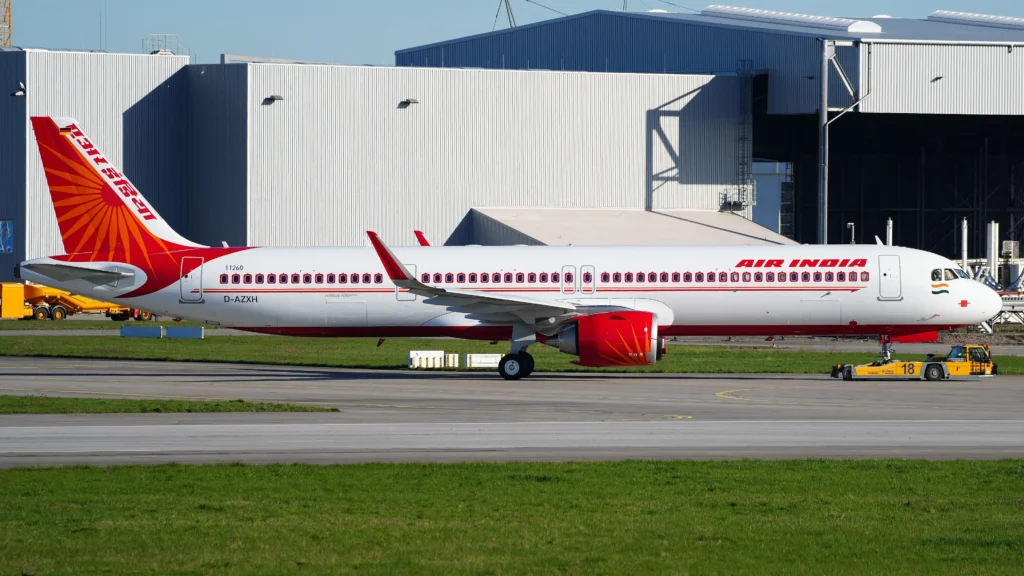
Union Civil Aviation Minister K. Rammohan Naidu described the hub-and-spoke initiative as an important opportunity to strengthen India’s aviation ecosystem and reduce dependence on foreign transit hubs.
According to the government, the broader aviation strategy also includes developing 100 airports and 200 heliports over the next decade, complementing regional connectivity initiatives and supporting rising passenger demand.
Officials expect the expanded airport network to improve international access for travelers from underserved regions while supporting tourism, trade, cargo movement, and economic development.
By routing more international traffic through Indian hubs, the government also aims to increase transit traffic handled within the country instead of passengers connecting through overseas airports.
The rollout of additional hub-and-spoke airports is expected to continue in phases as infrastructure, airline participation, and passenger demand expand across India’s rapidly growing aviation sector.
Stay tuned with us. Further, follow us on social media for the latest updates.
Join us on Telegram Group for the Latest Aviation Updates. Subsequently, follow us on Google News

.jpg)