

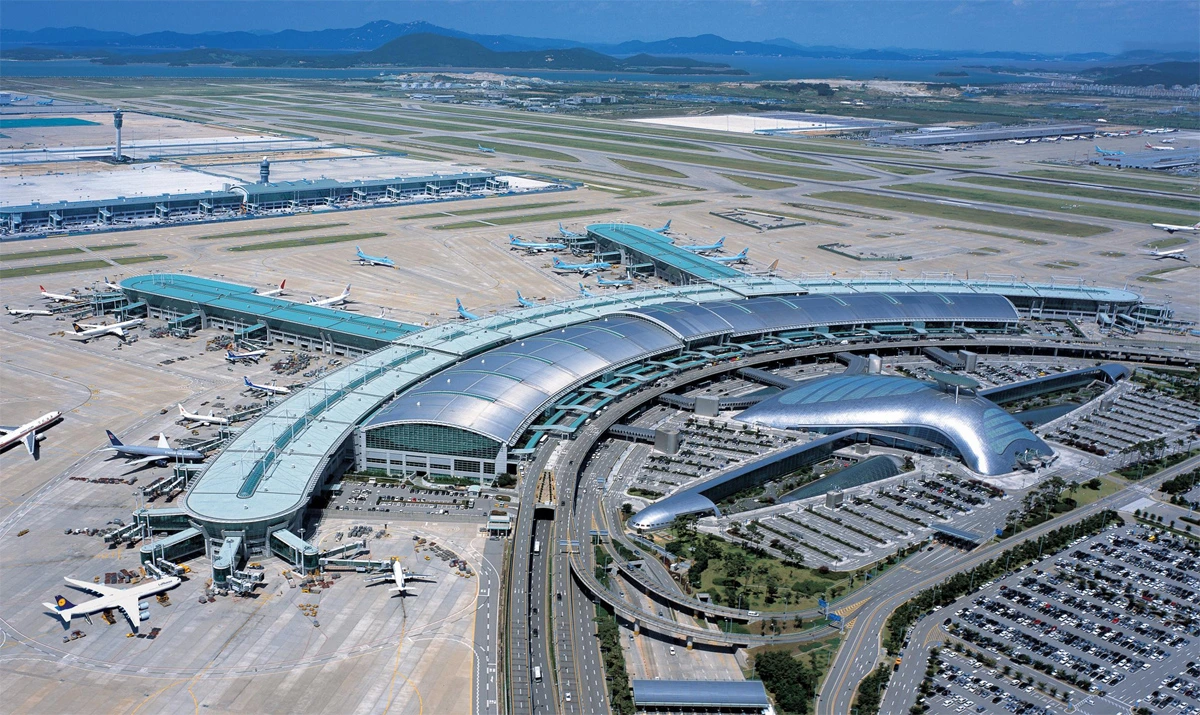
Every year, some of the world’s busiest airports welcome tens of millions of travellers while striving to provide a smooth, efficient, and enjoyable passenger experience.
Airports handling more than 70 million passengers face enormous logistical challenges, from managing security checkpoints and baggage systems to coordinating thousands of daily aircraft movements. Despite these pressures, a select few consistently stand out for their exceptional facilities, customer service, and operational excellence.
The Skytrax World Airport Awards 2026 recognise airports that deliver outstanding experiences across categories such as terminal comfort, cleanliness, efficiency, staff service, shopping, dining, and ease of transit. The airports in this list have successfully combined massive passenger volumes with high standards of quality, making them favourites among both business and leisure travellers.
Top 10 Airports Handling Over 70 Million Passengers in 2026
From Asia’s cutting-edge aviation hubs to Europe’s busiest gateways and major North American airports, these facilities demonstrate that handling millions of passengers need not come at the expense of comfort or service.
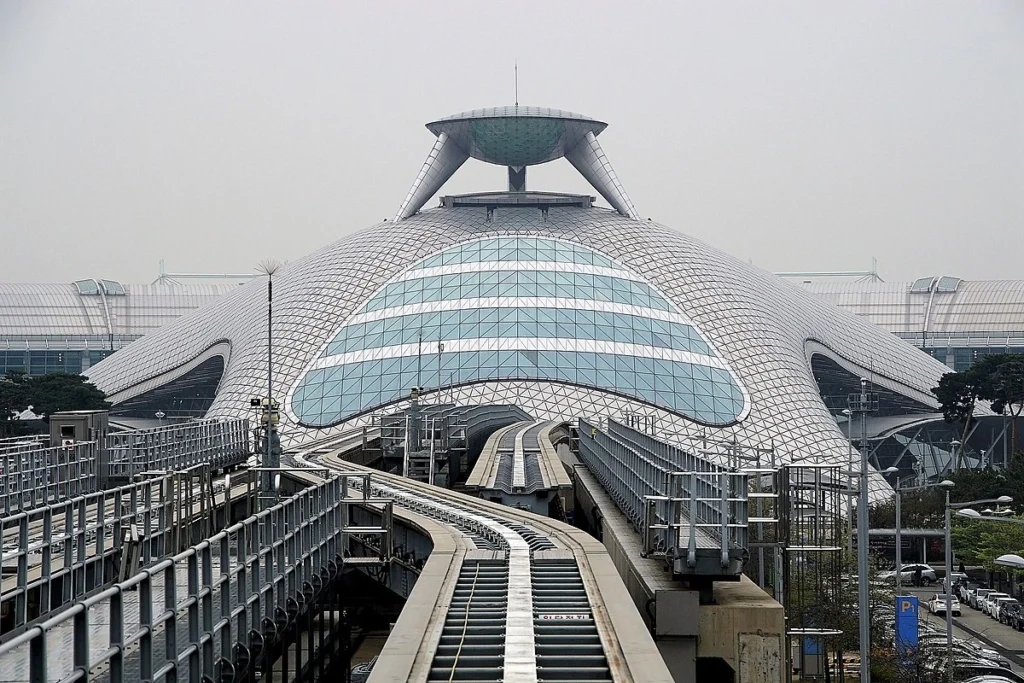
1. Seoul Incheon International Airport (South Korea)
Seoul Incheon claims the top position among airports handling more than 70 million passengers annually. Located west of South Korea’s capital, it has earned worldwide recognition for combining efficiency with an outstanding passenger experience.
The airport is famous for its immaculate terminals, intuitive design, and exceptional punctuality. Spacious departure halls, excellent signage, and quick immigration processing help reduce stress for travellers. At the same time, an extensive range of restaurants, duty-free shops, lounges, and relaxation areas keep passengers comfortable during layovers.
Customer service is another standout feature. Airport staff consistently receive praise for their professionalism and willingness to assist international visitors. Incheon also offers cultural exhibitions and entertainment spaces that provide travellers with a unique introduction to Korean heritage.
Its balance of technology, hospitality, and operational excellence makes Seoul Incheon one of the finest airports anywhere in the world.
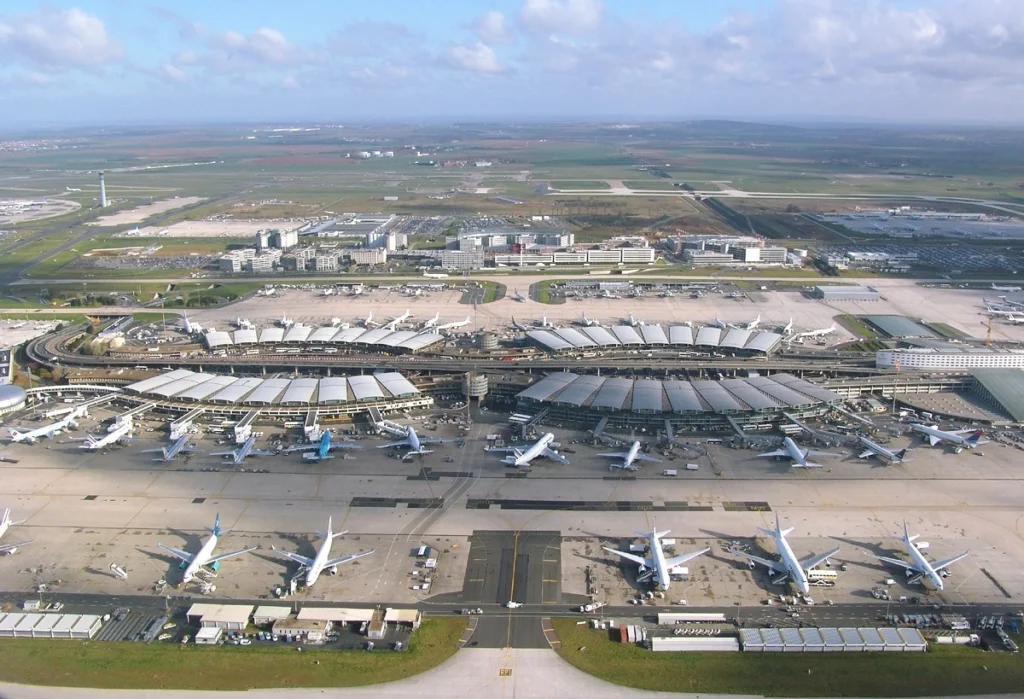
2. Paris Charles de Gaulle Airport (France)
Paris Charles de Gaulle secures second place and remains one of Europe’s most important aviation gateways.
Serving as France’s largest international airport, it connects travellers to destinations across six continents. Significant investments in terminal upgrades and passenger services have strengthened its reputation in recent years, with improvements in navigation, comfort, and customer experience.
Passengers benefit from a wide variety of luxury boutiques, cafés, restaurants, airline lounges, and premium facilities throughout the airport. Staff members are often recognised for assisting travellers through one of Europe’s busiest transport hubs.
Its strategic location near the French capital, combined with a continually improving passenger experience, keeps Charles de Gaulle among the world’s elite airports.
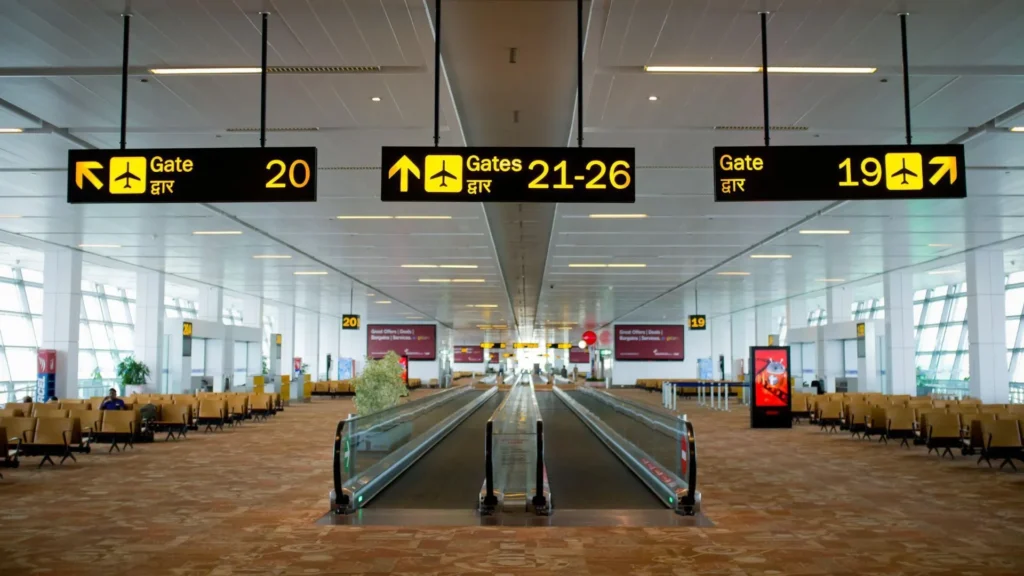
3. Indira Gandhi International Airport, Delhi (India)
Delhi International Airport ranks third and continues to establish itself as one of Asia’s leading aviation hubs.
Handling tens of millions of passengers every year, the airport combines modern infrastructure with efficient operations and impressive customer service. Terminal 3, in particular, is widely praised for its spacious design, contemporary architecture, and streamlined passenger flow.
Visitors often compliment the airport’s cleanliness, extensive retail offerings, and diverse dining choices that reflect both Indian and international cuisines. Art installations and cultural displays throughout the terminal also showcase India’s heritage to arriving and departing passengers.
Delhi’s ongoing investments in technology, sustainability, and infrastructure ensure that it remains one of the highest-rated large airports in the world.
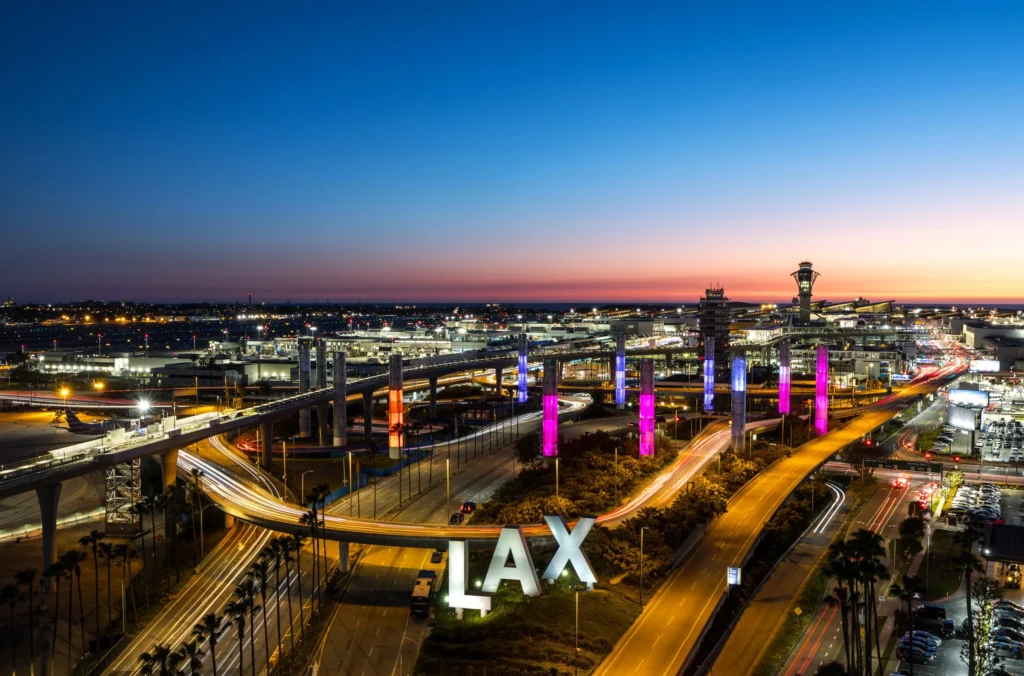
4. Los Angeles International Airport (United States)
Los Angeles International Airport ranks fourth and continues to serve as one of the busiest gateways in North America.
As the principal airport for Southern California and a major international hub, LAX connects passengers with destinations across the globe. Extensive redevelopment projects have transformed many terminals, improving passenger comfort, wayfinding, and operational efficiency.
Travellers enjoy an expanding range of restaurants, premium shopping opportunities, lounges, and upgraded waiting areas. Customer service initiatives have also enhanced the airport experience despite the enormous passenger volumes handled daily.
Its importance to global aviation, combined with continuous modernisation efforts, helps Los Angeles maintain its position among the world’s best high-capacity airports.
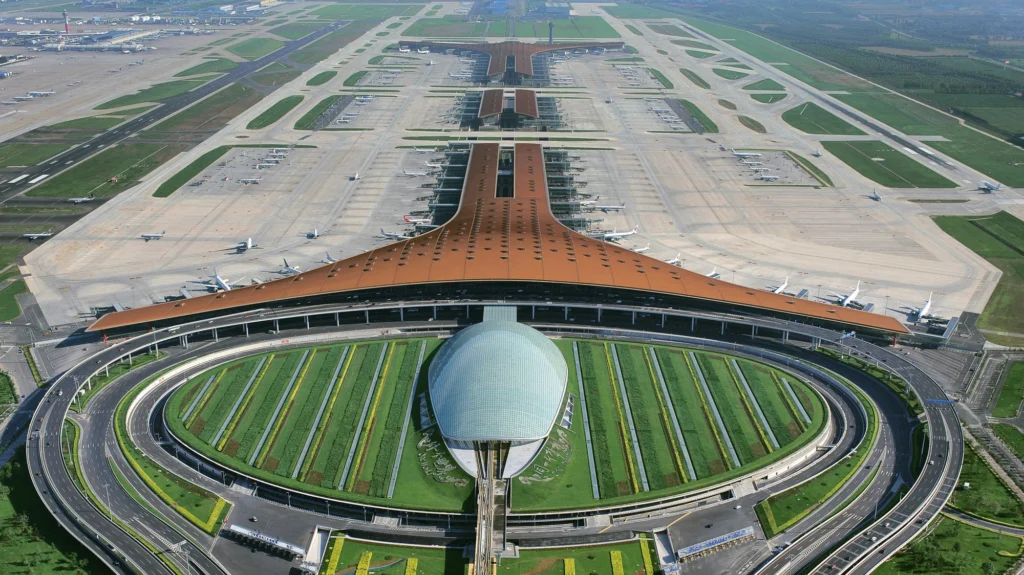
5. Beijing Capital International Airport (China)
Beijing Capital completes the top five and remains one of China’s most significant aviation hubs.
Known for its impressive architecture and expansive facilities, the airport serves as a major gateway connecting China with destinations worldwide. Even while handling huge passenger numbers, Beijing Capital continues investing in technology and operational improvements designed to enhance efficiency.
Passengers appreciate the airport’s spacious terminals, broad selection of shopping and dining options, and growing emphasis on customer service. Staff members play an important role in helping international travellers navigate one of Asia’s busiest transport centres.
Its strategic role in global aviation ensures Beijing Capital remains among the world’s leading mega airports.

What Makes These Airports Stand Out?
Airports serving more than 70 million passengers annually succeed through a combination of infrastructure, innovation, and customer-focused operations. The highest-ranked facilities typically excel in:
- Fast and efficient security screening.
- Clean and well-maintained terminals.
- Reliable baggage handling.
- Comfortable lounges and seating areas.
- Diverse shopping and dining choices.
- Helpful multilingual staff.
- Excellent transport connections.
- Clear signage and easy navigation.
- Modern digital services and self-check-in technology.
- Continuous investment in passenger experience.
These strengths help minimise travel stress while improving satisfaction for millions of passengers every year.

Key Trends Among the 2026 Leaders
Several patterns emerge from this year’s rankings:
- Asian airports continue to dominate – Three of the top five airports are located in Asia, highlighting the region’s continued investment in aviation infrastructure and customer service.
- Major international hubs prioritise passenger experience – Despite processing extraordinary passenger volumes, these airports continue improving comfort, cleanliness, and efficiency through ongoing redevelopment projects.
- Technology plays a growing role – Automation, biometric systems, digital wayfinding, and smart airport technologies are becoming increasingly important in managing large numbers of travellers.
- Premium amenities attract passengers – Luxury retail, wellness spaces, premium lounges, and high-quality dining options contribute significantly to positive passenger feedback.
- The Future of Large Global Airports – As international travel demand continues to rise, airports handling more than 70 million passengers annually will face increasing pressure to expand while maintaining service quality.
Future developments are likely to include greater use of artificial intelligence, biometric processing, sustainability initiatives, and terminal expansions designed to improve capacity without sacrificing passenger comfort.
The airports featured in this ranking demonstrate that with sufficient planning and investment, even the world’s busiest facilities can deliver efficient, enjoyable, and memorable travel experiences.
Bottom Line
Handling more than 70 million passengers each year is a remarkable achievement, but the world’s best airports prove that scale and quality can go hand in hand. Together, these airports showcase the future of global aviation, where innovation and hospitality remain just as important as capacity.
Best Airports in 2026 in FAQs
Seoul Incheon International Airport ranks first in the Skytrax 2026 category for airports handling more than 70 million passengers annually.
Comparing airports with similar annual traffic creates fairer evaluations of performance, customer service, and operational efficiency.
The rankings include airports from Asia, Europe, and North America, reflecting their importance in international aviation.
Stay tuned with us. Further, follow us on social media for the latest updates.
Join us on Telegram Group for the Latest Aviation Updates. Subsequently, follow us on Google News
