

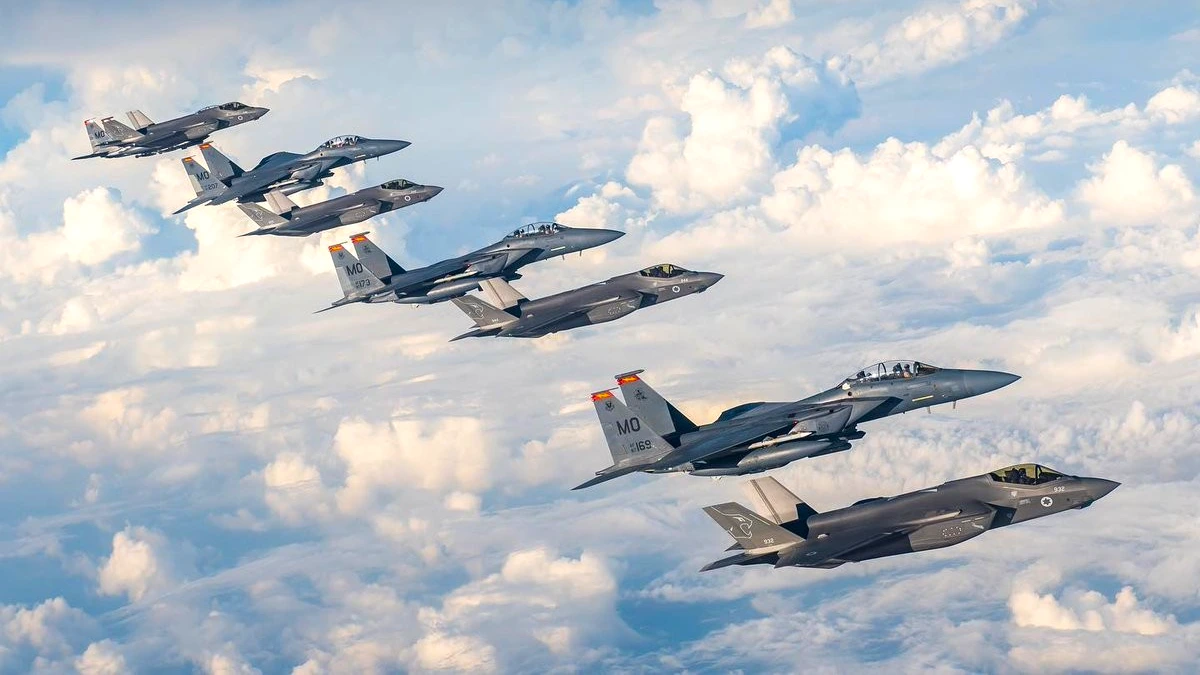
ARLINGTON- New US Air Force (USAF) leadership confirmed a service-wide push for fleet modernization, strengthen readiness, and reinforce joint and allied coordination as Gen. Kenneth Wilsbach assumed responsibilities as the 24th Chief of Staff.
Wilsbach emphasized that aircraft reliability and trained airmen are critical to ensuring the force can deliver airpower whenever required. He noted that readiness challenges must be addressed to maintain effective operations and meet global mission demands.
US Air Force Chief Plans Fleet Modernization
During the ceremony at Joint Base Andrews, Wilsbach stated that the Air Force must restore reliability across combat formations, aircraft availability, and airmen’s proficiency.
He warned that aircraft or personnel who are not ready to fight weaken the nation’s ability to win.
Reported by Defense News, Wilsbach highlighted that the force must “fly and fix to fight and win,” addressing every specialty involved in generating airpower.
The Air Force faces declining mission-capable rates, with only slightly more than six out of ten aircraft able to perform missions on an average day in fiscal 2024.
The fleet is also shrinking, dropping below 5,000 aircraft for the first time, while aging platforms add strain to maintenance and readiness cycles.
Wilsbach stressed the need for a strong warfighter culture supported by steady, realistic, and difficult training.
Wilsbach referenced Operation Midnight Hammer, the US military strikes on Iranian nuclear facilities, as an example of the Air Force’s ability to deliver decisive airpower. He underscored that such operations demonstrate why readiness must remain a constant focus.
Modernization and Future Capabilities
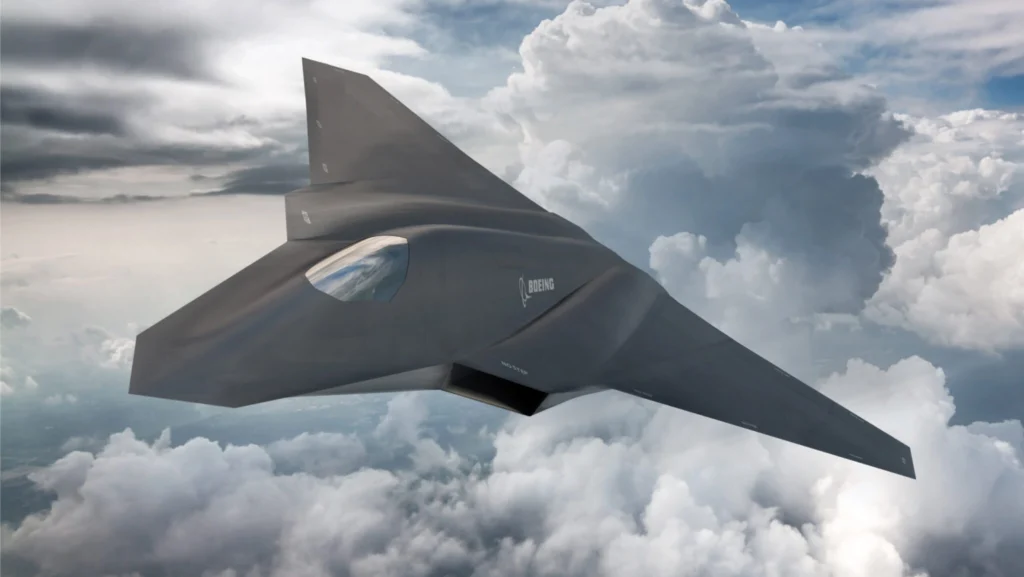
To maintain an edge over adversaries, Wilsbach stated that the Air Force must accelerate acquisition and fielding of advanced capabilities.
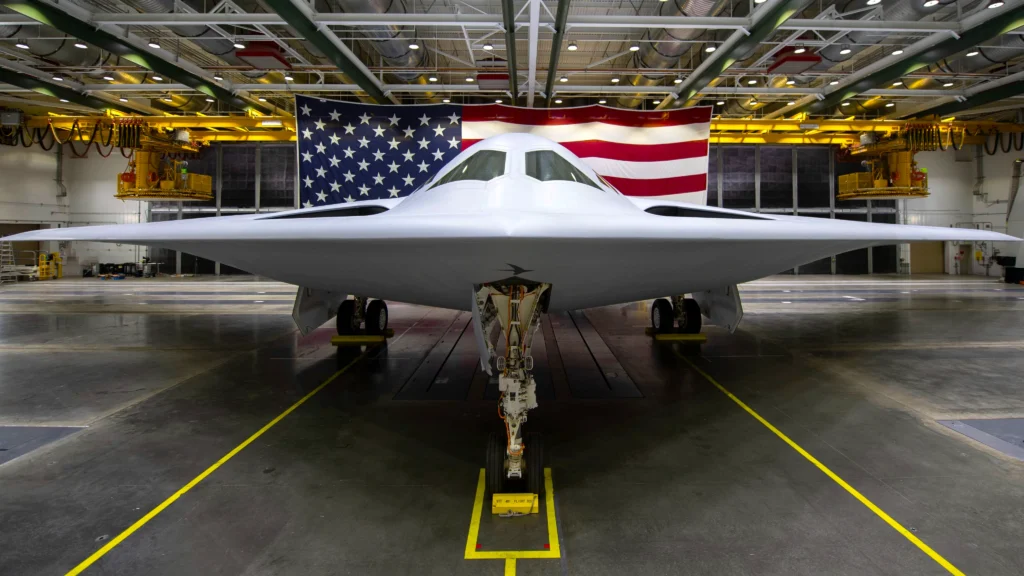
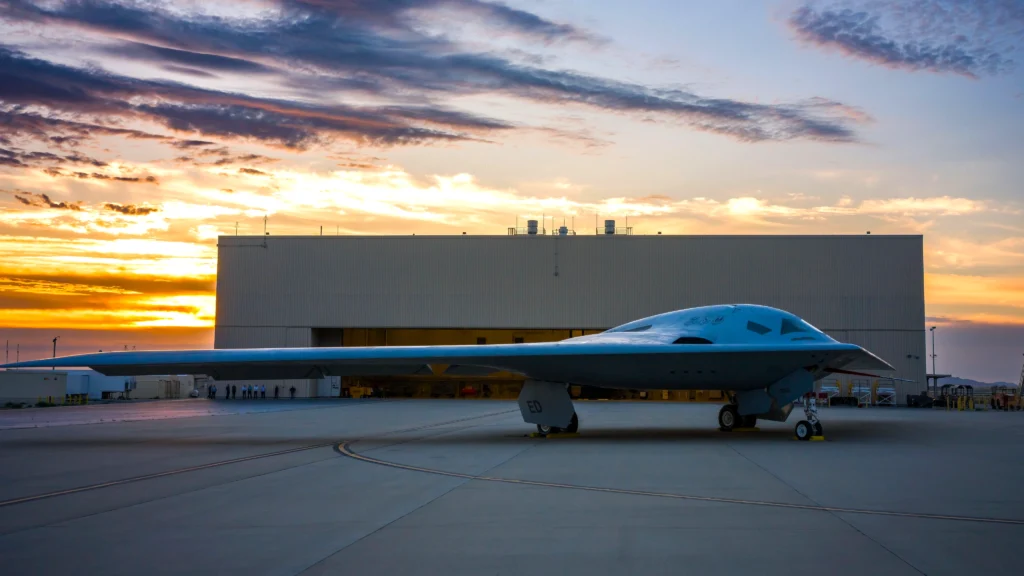
This includes the sixth-generation F-47 fighter, the B-21 Raider stealth bomber, and collaborative combat aircraft that pair drone wingmen with crewed fighters.
He affirmed that modernization and innovation will keep the Air Force at the front of combat aviation.
Air Force Secretary Troy Meink, who swore in Wilsbach on Nov. 3 following Senate confirmation on Oct 30, emphasized that modernizing the aircraft inventory is essential.
Meink noted that getting modernization right will shape the service’s future capabilities.
Strengthening Joint and Allied Integration
Wilsbach stated that maintaining international security requires unified efforts across all US military services and allied partners. He emphasized that collective strength is essential for safeguarding shared interests.
Joint operations, shared planning, and synchronized command structures remain central to the Air Force’s long-term strategy.
He also noted that leaders at all levels must take smart risks to reinforce combat culture. Training environments must reflect real-world complexity to ensure airmen are prepared for future conflicts.
Supporting Readiness Through Training
Wilsbach emphasized that every role, maintainers, operators, defenders, and logisticians, contributes to generating airpower.
He reinforced that disciplined training and leadership-driven risk-taking build teams capable of succeeding in combat.
The focus on readiness directly supports the Air Force’s mission to protect the nation and maintain air dominance.
Stay tuned with us. Further, follow us on social media for the latest updates.
Join us on Telegram Group for the Latest Aviation Updates. Subsequently, follow us on Google News
