

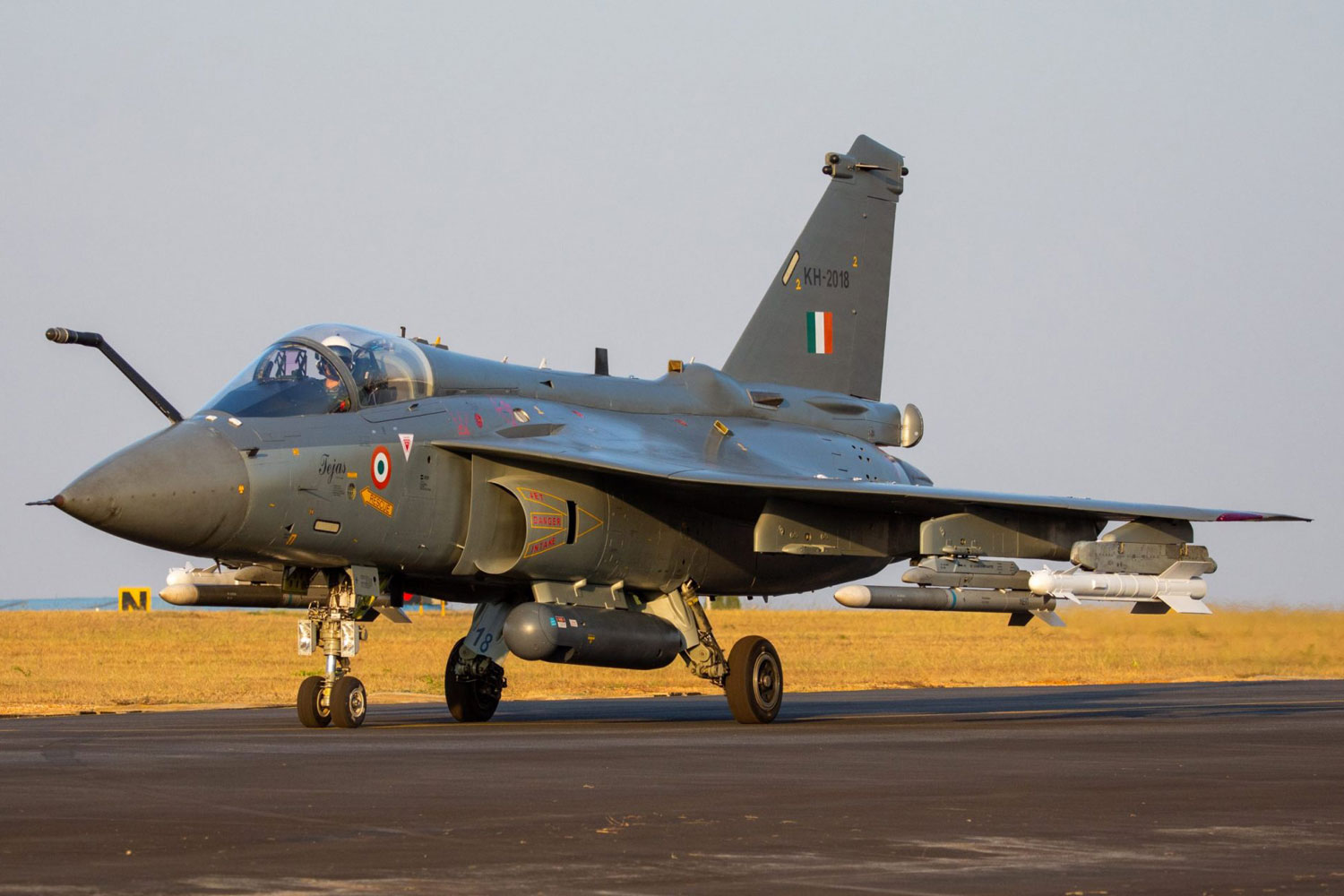
DUBAI— An Indian Air Force (IAF) HAL Tejas (LCA) crashed during a demonstration flight at Al Maktoum International Airport (DWC), Dubai, on 21 November 2025. The aircraft went down in a fireball, and thick black smoke rose over the runway; the IAF confirmed that the pilot sustained fatal injuries.
The crash occurred at about 14:10 local time during the final afternoon display of the Dubai Air Show. A court of inquiry has been ordered by the IAF to determine the cause of the accident, while emergency teams responded swiftly, and the air show was briefly suspended before resuming.
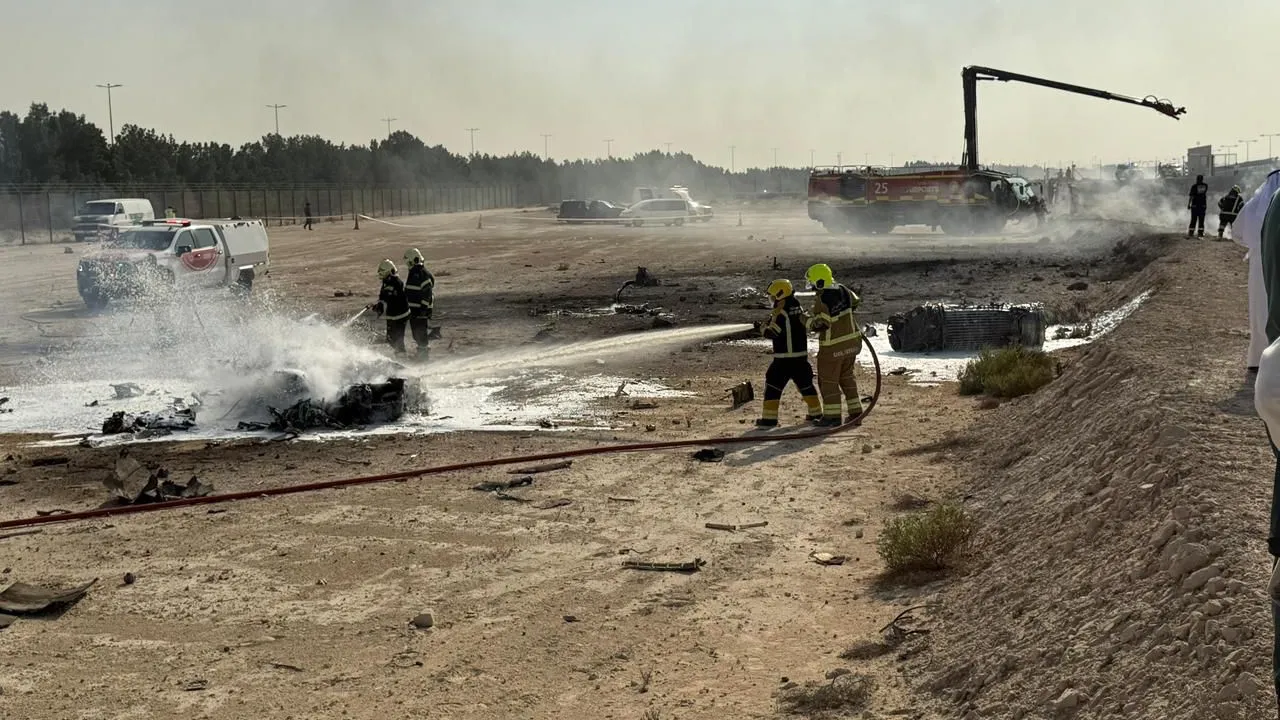
Tejas Plane Crash at Dubai Airshow
Eyewitnesses reported that the Tejas lost control after performing a low-altitude manoeuvre and made a steep descent before hitting the ground.
Large plumes of smoke billowed from the site, causing panic among spectators. Video from the event showed no clear sign that the pilot ejected before impact.
Authorities confirmed the aircraft was a single-engine, light combat jet built by Hindustan Aeronautics Limited (HAL). The IAF issued a message expressing deep sorrow, declaring that the pilot had died and pledging a full investigation through the court of inquiry.
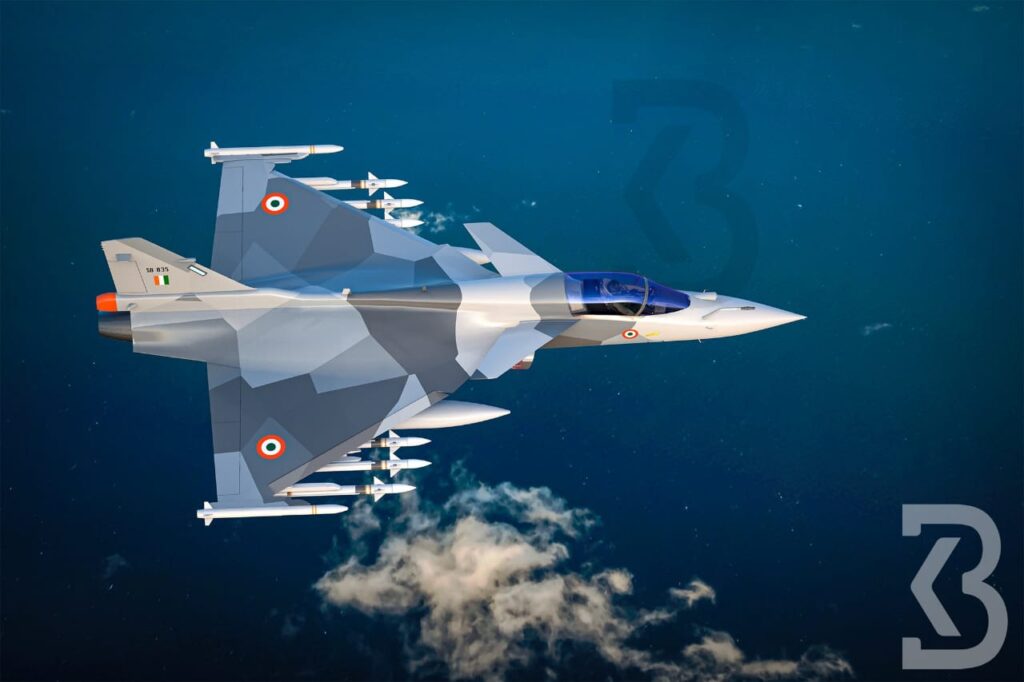
Indigenous Fighter Jet
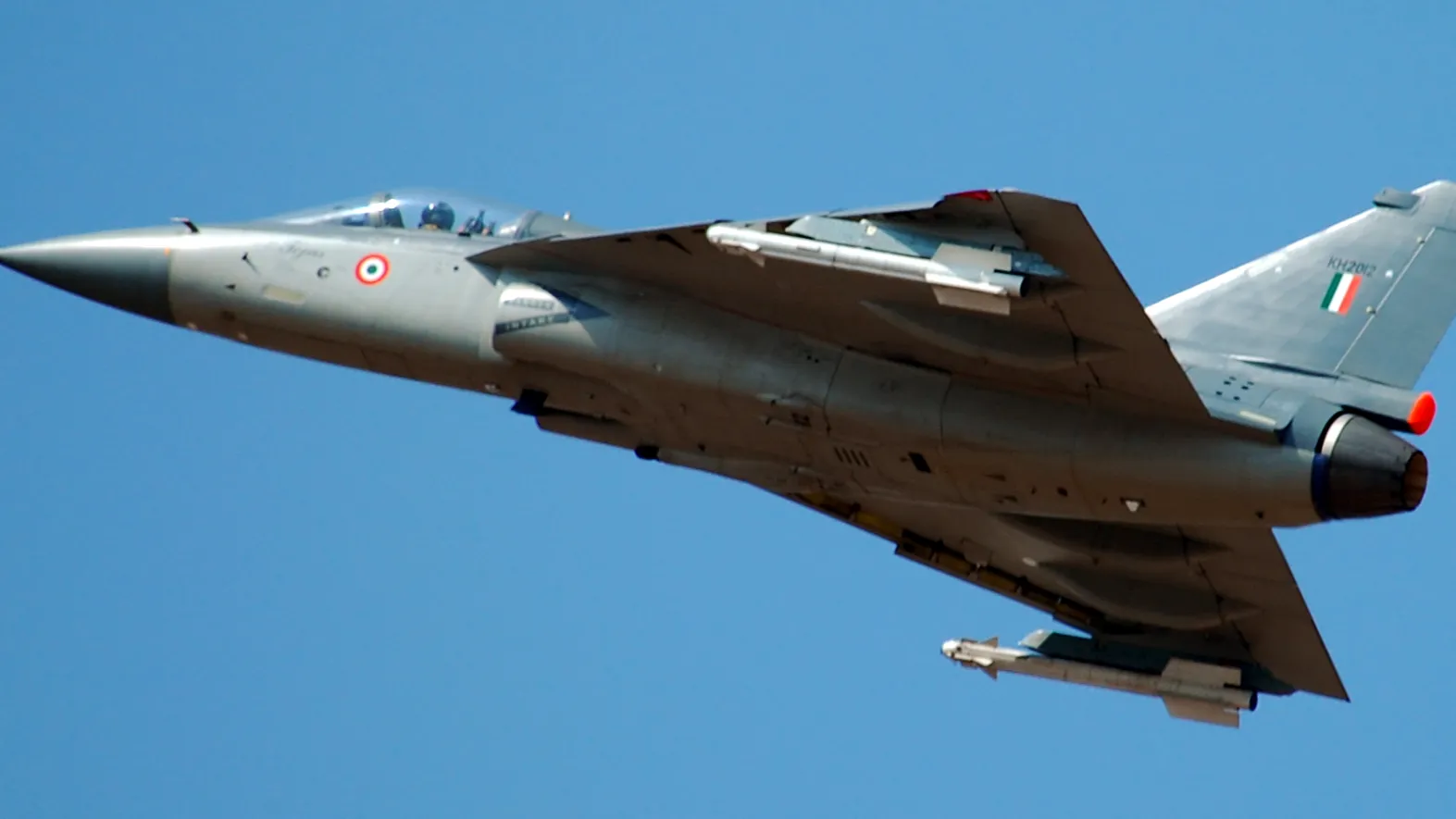
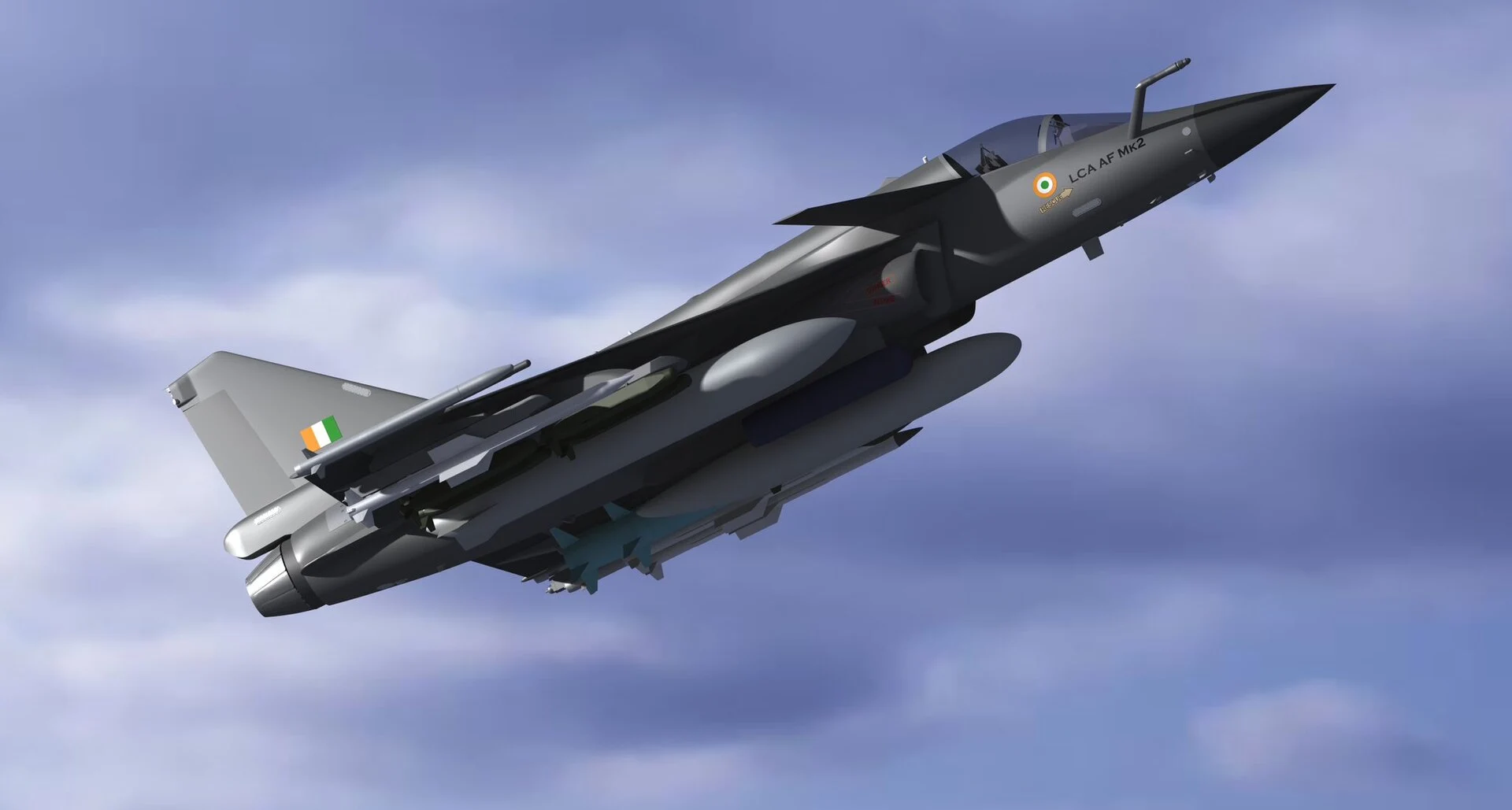
The HAL Tejas is a 4.5-generation, indigenously developed multirole fighter. It features a single-engine, delta-wing configuration and is designed for both air-defence and ground-attack roles. This jet is central to India’s “Make in India” defence aviation ambitions.
Despite being domestically produced, its powerplant is imported; the Tejas involved in the crash reportedly used a General Electric F404-series engine.
This is the second-ever crash of the Tejas in active service. The first occurred in March 2024, when another Tejas crashed in Rajasthan, but the pilot ejected safely. The fatal nature of this latest accident will likely intensify scrutiny of the aircraft’s safety record.
https://commons.wikimedia.org/wiki/File:HAL_Tejas.jpg
Investigation Response
The IAF immediately constituted a court of inquiry to investigate factors such as mechanical failure, pilot error, or flight control anomalies. Officials have not yet disclosed any preliminary findings. The IAF has not publicly attributed the failure to any specific system or fault.
Dubai authorities also confirmed that their defense ministry is collaborating to examine the crash thoroughly.
Airshow displays demand rigorous safety margins, especially when performed before large crowds. The loss of a demonstration aircraft highlights the inherent risks of high-performance manoeuvres under public scrutiny.
Regulators and military operators may now reassess display envelopes, emergency egress procedures, and aircraft suitability for aerial demonstrations.
Strategic Implications of Tejas’ crash
This tragedy might cast a shadow over India’s accelerated procurement of Tejas jets; in September 2025, the Defence Ministry had announced a deal to purchase 97 additional Tejas aircraft.
These jets are expected to be delivered starting in 2027. The crash may raise questions about the aircraft’s suitability for airshow demonstrations and could affect future export potential.
For HAL and the ADA (Aeronautical Development Agency), the incident may trigger calls for even stricter quality assurance and maintenance protocols. The Tejas programme has served as a symbol of India’s aerospace self-reliance, and its reputation now faces a serious test.
Bottom Line
The Tejas crash at the Dubai Air Show 2025 is a tragic blow to India’s aviation prestige.
With its pilot lost and investigations now underway, the outcome could influence not only the future of the Tejas programme, but also how India presents its indigenous fighter jets on the world stage.
Stay tuned with us. Further, follow us on social media for the latest updates.
Join us on Telegram Group for the Latest Aviation Updates. Subsequently, follow us on Google News
