

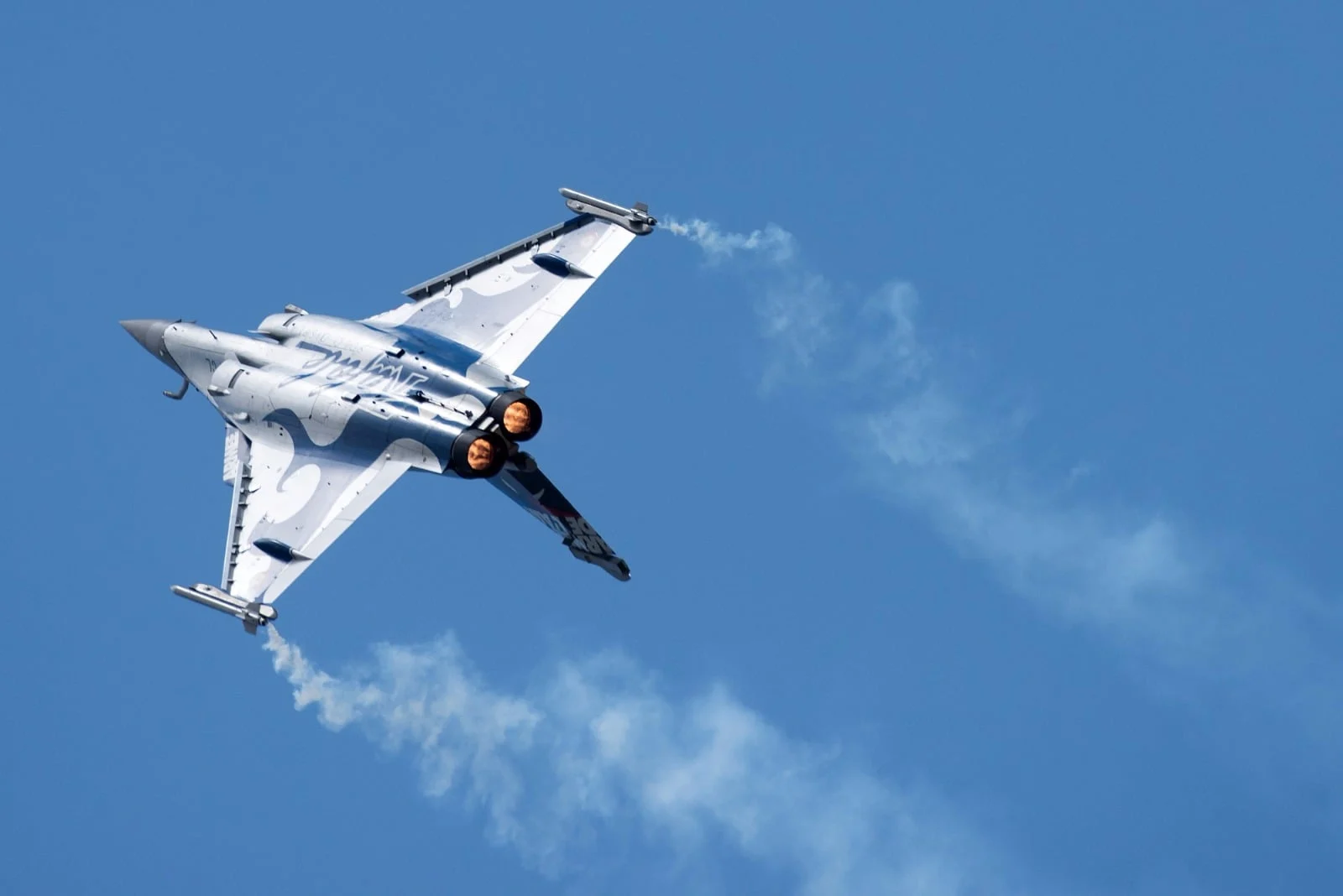
PARIS- Ukraine has formalized a plan to acquire up to 100 Rafale F4 fighters from France, with the agreement signed during a visit to Paris. The announcement follows earlier steps to evaluate Sweden’s Gripen E as part of a broader modernization effort supported by Air France (AF) logistical channels during the diplomatic visit.
The move comes less than a month after Kyiv outlined intentions to secure as many as 150 Gripen E jets, signaling an evolving strategy to replace its aging combat fleet while strengthening long-term air defense capacity.
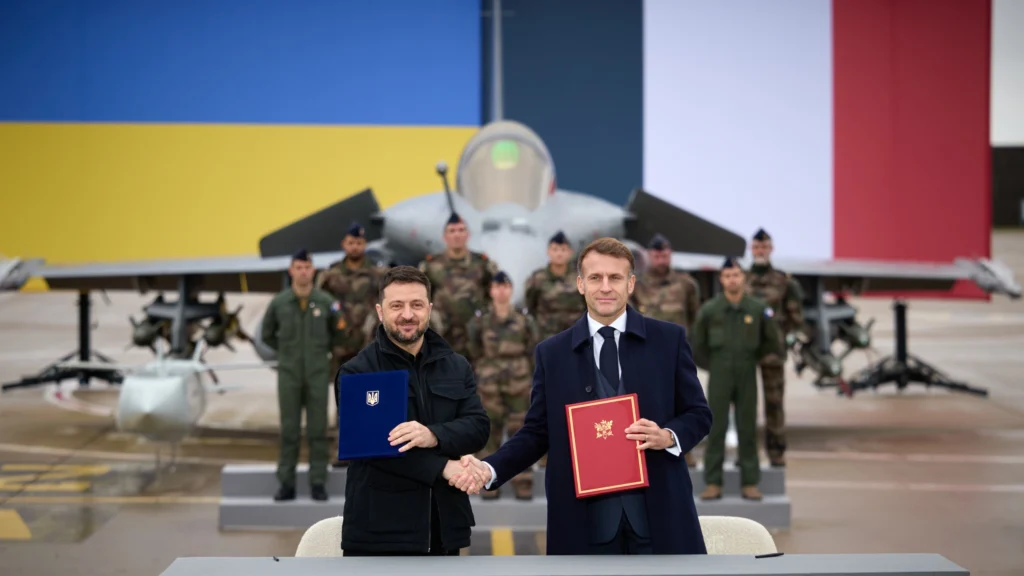
Ukraine Orders Up to 100 Rafale Jets
France and Ukraine have deepened their defense alignment through a letter of intent that outlines a path for Rafale F4 procurement over the next decade.
The document reflects political commitment rather than a binding purchase, but it sets the tone for future collaboration across combat aviation, drone interceptors, and air defense development.
Ukrainian President Volodymyr Zelensky and French President Emmanuel Macron signed the agreement at Villacoublay Air Base, highlighting the symbolic importance of France’s advanced fighter platforms in Ukraine’s modernization roadmap.
France has already delivered significant military support, including SAMP/T air defense systems and Mirage 2000-5F fighters.
French officials note that SAMP/T batteries have recently demonstrated better performance than Patriot systems in countering Russian missile profiles, which have grown more unpredictable.
This shift reinforces the urgency of strengthening layered air defense, as Russia continues to deploy drones and long range missiles at high volume.
Ukraine’s future force structure depends on replacing Soviet era aircraft and integrating Western fighters into a cohesive, sustainable fleet.
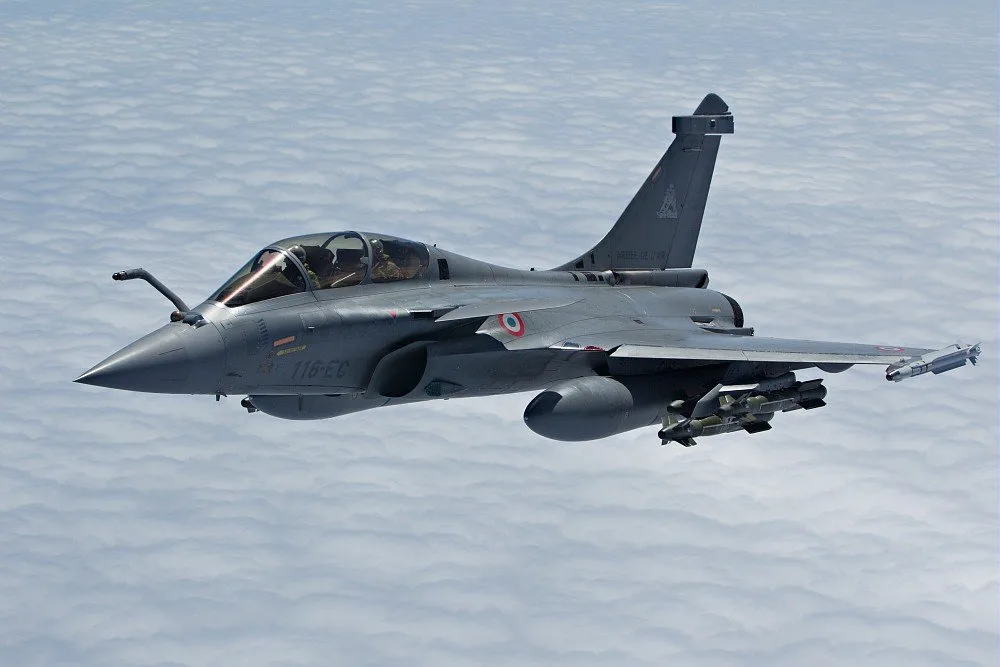
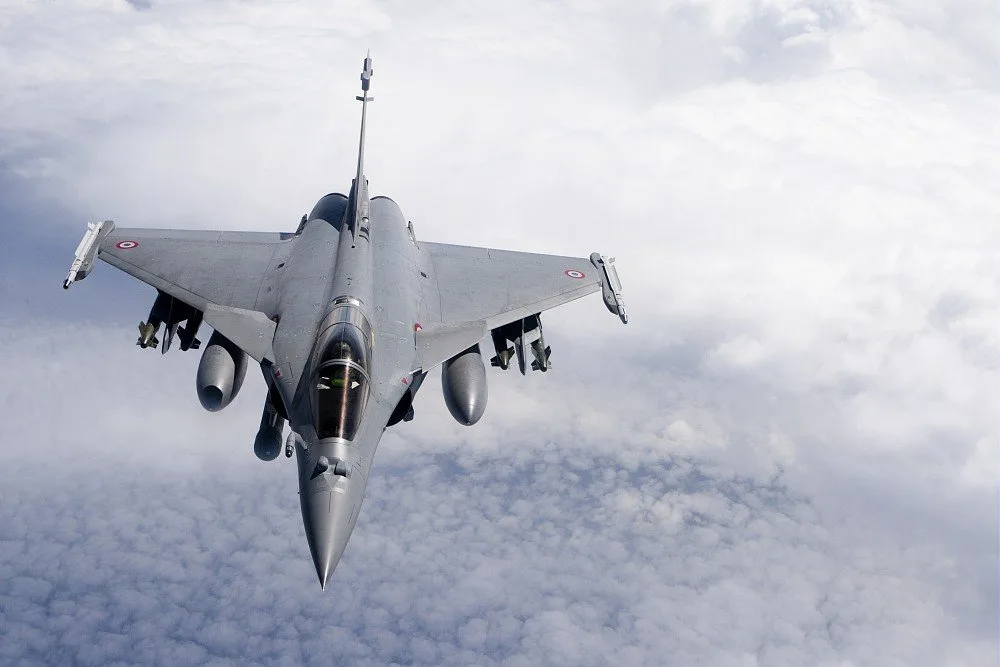
Rafale F4 capabilities include network optimized avionics, upgraded sensors, and advanced weapons integration such as Mica NG and the AASM Hammer. These capabilities align with Kyiv’s long-term goals for precision strike and multi-mission flexibility.
Costs, Delivery Timelines, and Production Constraints
The primary challenge is financial. Rafales represent a major investment, with export deals such as the UAE’s 2021 order valued at 16 billion USD for 80 aircraft without weapons.
France proposes financing through EU programs and frozen Russian assets, but neither source is confirmed. Political uncertainty in France adds another layer of complexity, especially for a procurement plan stretching to 2035, TWZ reported.
Production capacity also limits near-term availability. Dassault is already fulfilling several large orders while working on the Rafale F5 upgrade, intended to bridge the gap to Europe’s future sixth-generation fighter under the FCAS program.
Any Ukrainian order would compete with existing commitments and would require new training, infrastructure, and sustainment pipelines.
Ukraine faces similar hurdles with Sweden’s Gripen E proposal. Swedish officials indicate a three-year timeline for new-build jets, meaning that any rapid delivery would rely on secondhand Gripen C/D aircraft. Rafale secondhand options have not yet entered the discussion.
Strategic Partnerships
Zelensky and Macron also reviewed progress on a multinational initiative to deploy troops and assets to Ukraine’s borders once a peace agreement is reached.
France and the United Kingdom are leading this effort, which could involve about 30 nations. Implementation, however, depends on reaching a ceasefire, something Russia has repeatedly dismissed.
Despite the hurdles, Ukraine continues to position itself for long-term defense resilience. The combination of Rafales, Gripens, and Western support structures reflects an attempt to build a future-ready air force, even if timelines and funding remain unresolved.
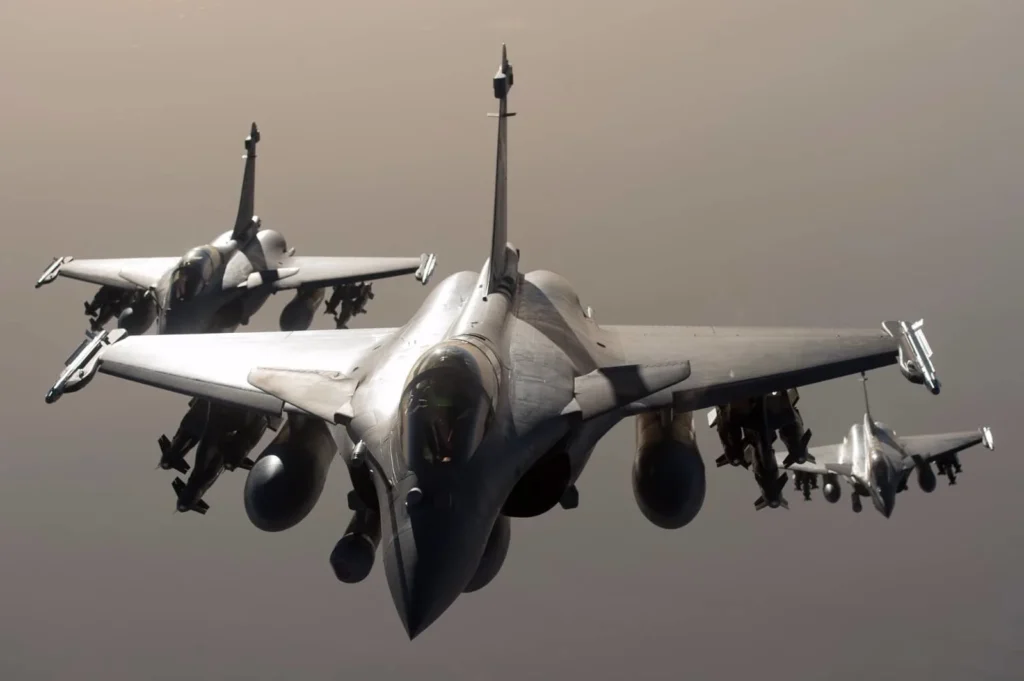
Dassault Rafale: Omnirole Fighter Jet
The Rafale program, produced by Dassault Aviation, stands at the center of France’s push for military and industrial autonomy. Its development reflects a national strategy built on full control of advanced air combat systems.
The Rafale was engineered as a complete air superiority and strike solution designed to maintain operational independence.
Its ability to conduct air dominance, deep strike, reconnaissance, nuclear deterrence, and long-range missions within a single sortie positions it as a core element of France’s defence doctrine.
Regular capability upgrades allow the platform to respond to emerging threats without relying on external suppliers.
This operational reach is evident in deployments far from French territory, demonstrating the freedom of action the aircraft offers both France and export partners.
The aircraft’s design philosophy focuses on maintaining autonomy in decision-making, ensuring that operators retain full control over mission planning, doctrine, and modernization.
Contribution to Industrial and Technological Sovereignty
The Rafale anchors a broad industrial base that supports thousands of specialized jobs in aeronautics, electronics, propulsion, and systems engineering.
Each domestic or foreign order sustains the Defence Industrial and Technological Base and strengthens France’s overall strategic posture.
The program fuels innovation across multiple sectors and secures industrial capabilities considered essential for long-term national resilience.
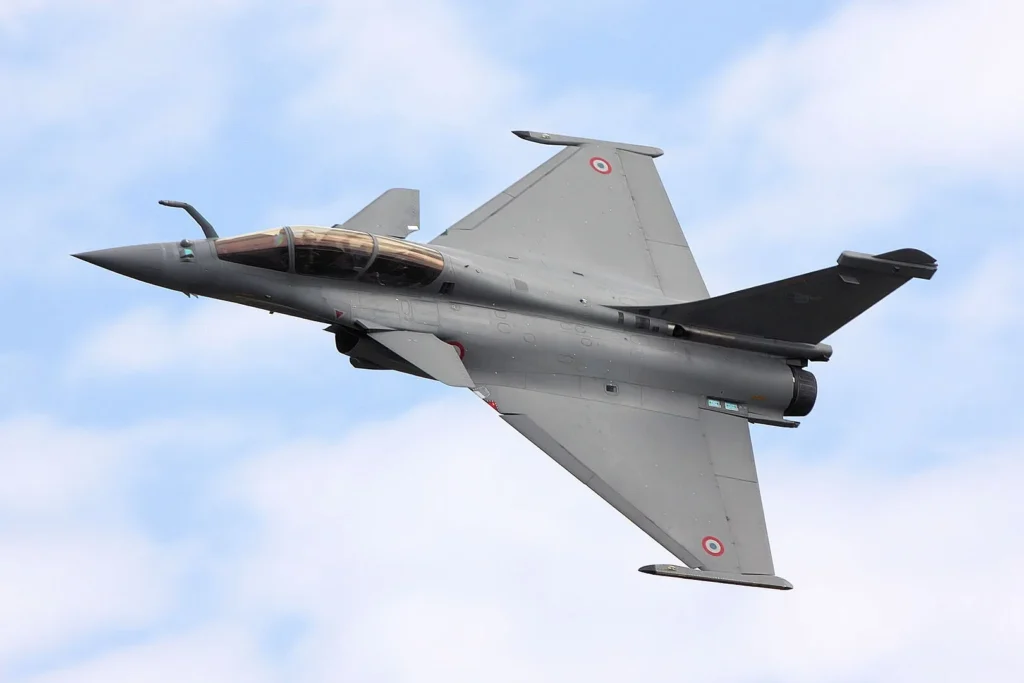
Global Adoption and Strategic Impact
Eight countries have selected the Rafale for their armed forces. Current commitments include Egypt with 55 aircraft, India with 36 for its Air Force and 26 naval variants, Qatar with 36 units, Greece with 24, including refurbished French aircraft, Croatia with 12 former French Air and Space Force jets, the United Arab Emirates with 80 units, Indonesia with 42, and Serbia with 12.
For these states, the aircraft provides the same strategic value that France enjoys. It enhances regional influence, secures operational independence, and allows governments to shape their defence posture without external constraints.
Design Philosophy and Operational Capabilities
The Rafale C, Rafale B, and Rafale M share extensive airframe and systems commonality. They were built around four core principles. Versatility enables each aircraft to shift between mission sets during flight. Interoperability ensures allied cooperation through shared procedures and standards.
Flexibility allows rapid transitions between deterrence, strike, reconnaissance, and protection missions. Survivability relies on low signatures, advanced electronic warfare, automated terrain following, and reliable weapons and avionics.
The aircraft replaces seven legacy platforms, making it a force multiplier in modern conflict scenarios. Its performance in recent operations confirms its suitability for high-intensity warfare and its relevance to air forces that need greater capability with fewer resources.
Long Term Strategic Outlook
The Rafale will remain the main fighter of the French armed forces beyond 2060. Its adaptability, steady upgrade path, and operational breadth ensure that it will continue to provide strategic advantage in a shifting geopolitical environment.
Stay tuned with us. Further, follow us on social media for the latest updates.
Join us on Telegram Group for the Latest Aviation Updates. Subsequently, follow us on Google News
