

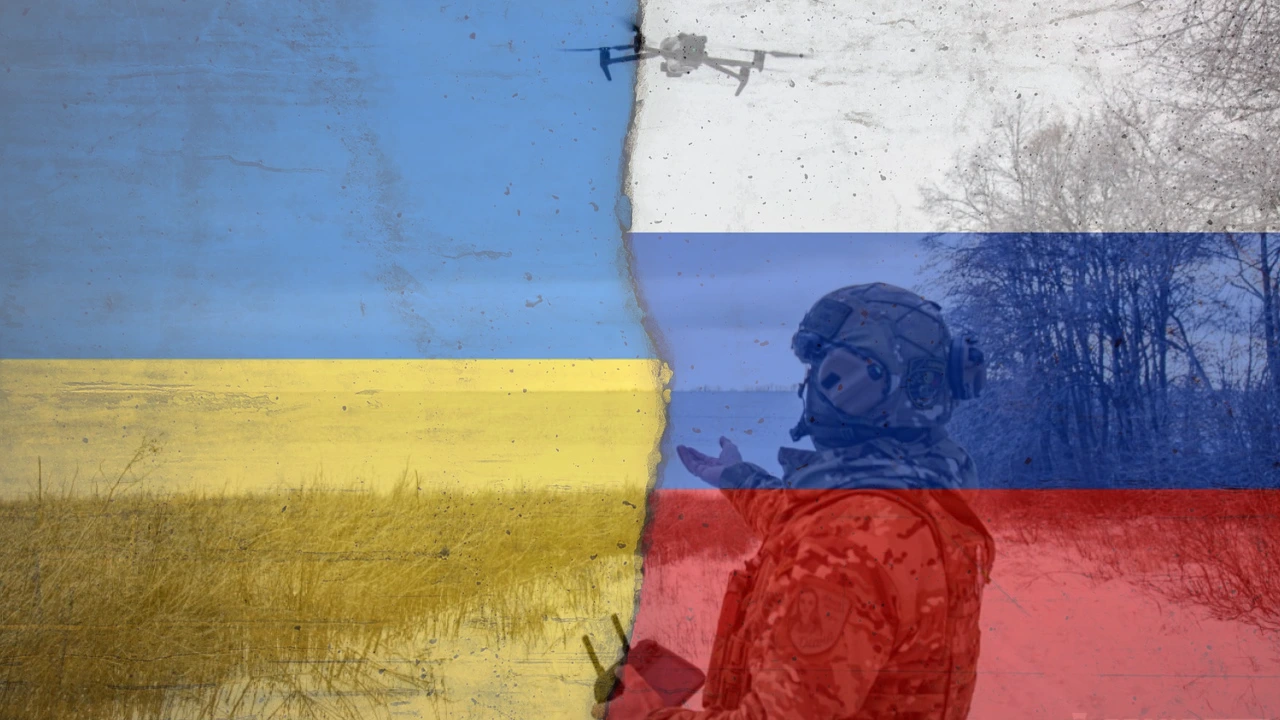
KYIV— Russia launched one of its largest combined missile and drone attacks in recent months, striking cities across Ukraine overnight and forcing neighboring Poland to activate fighter aircraft after a Russian cruise missile reportedly entered its airspace.
The assault underscored the continuing threat to civil aviation, regional airspace security, and NATO‘s eastern frontier.
The attacks focused on Kyiv (IEV), Lviv (LWO), and several other Ukrainian regions, with Ukrainian authorities reporting more than 70 missiles and approximately 280 drones launched during the operation.
While no commercial airlines were involved, the latest escalation once again highlighted the ongoing risks facing European aviation as military operations continue near international air corridors.
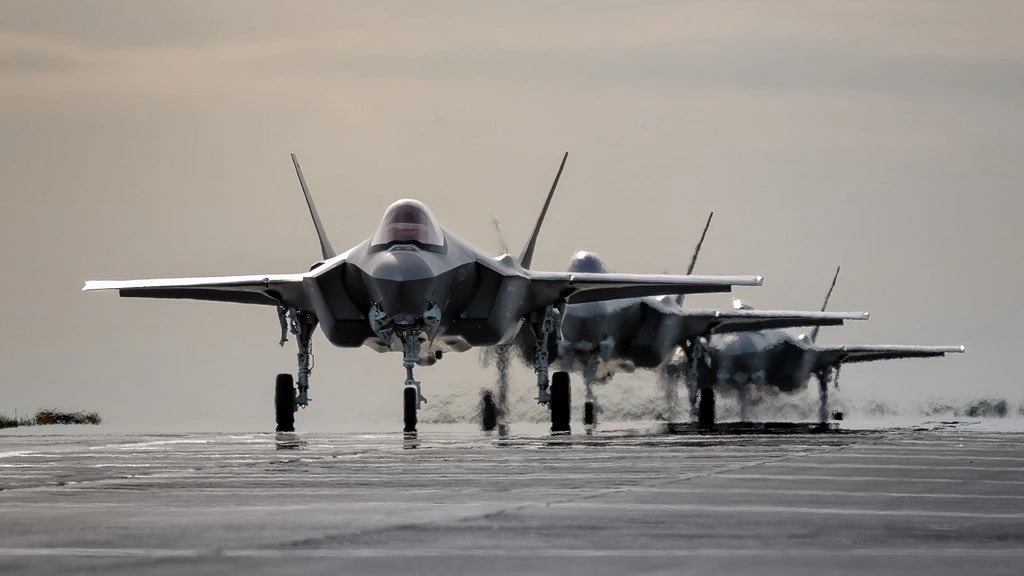
Airspace Security Risks Increase
Ukraine’s Air Force said its air defense units intercepted 55 missiles and 265 drones during the overnight barrage. However, only one of nine ballistic missiles was successfully destroyed, reflecting Kyiv’s continued shortage of advanced air defense interceptors, Reuters reported.
President Volodymyr Zelensky said the attacks killed at least eight people across the country and injured dozens more. Six fatalities, including three children, were reported in the Dnipropetrovsk region, while additional deaths occurred in Kyiv and Poltava.
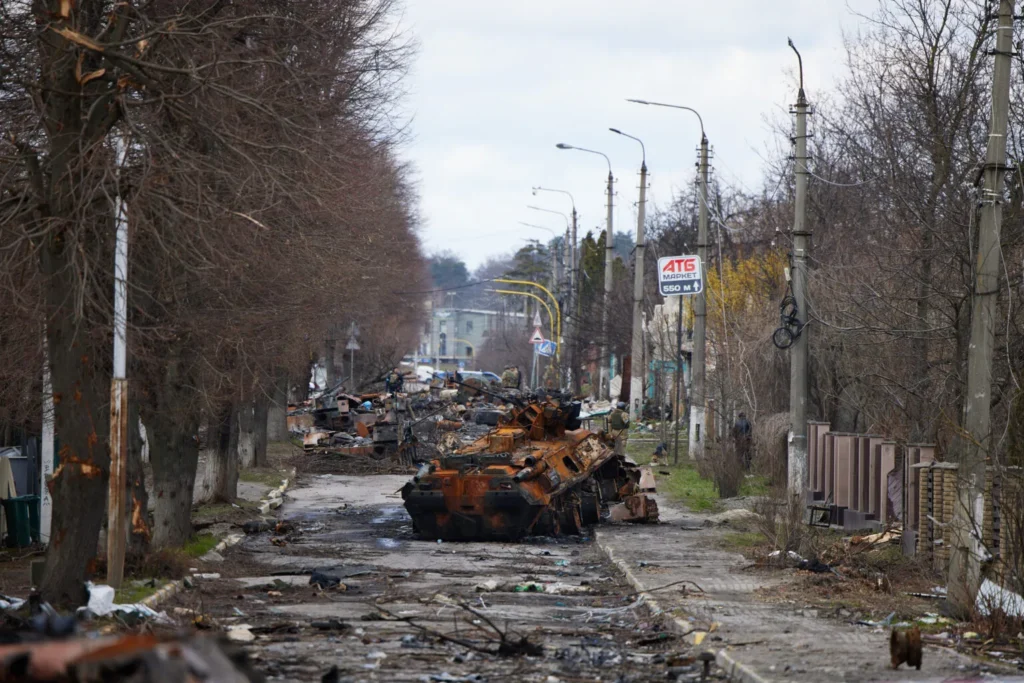
Authorities declared a day of mourning in one affected community after residential buildings suffered severe damage. Emergency responders continued rescue operations as fires burned through homes and public buildings.
In Kyiv, air raid alerts lasted for more than five hours, forcing thousands of residents to seek shelter inside metro stations. In western Ukraine, a missile struck a residential building in Lviv but failed to detonate, preventing what officials said could have been far greater casualties.
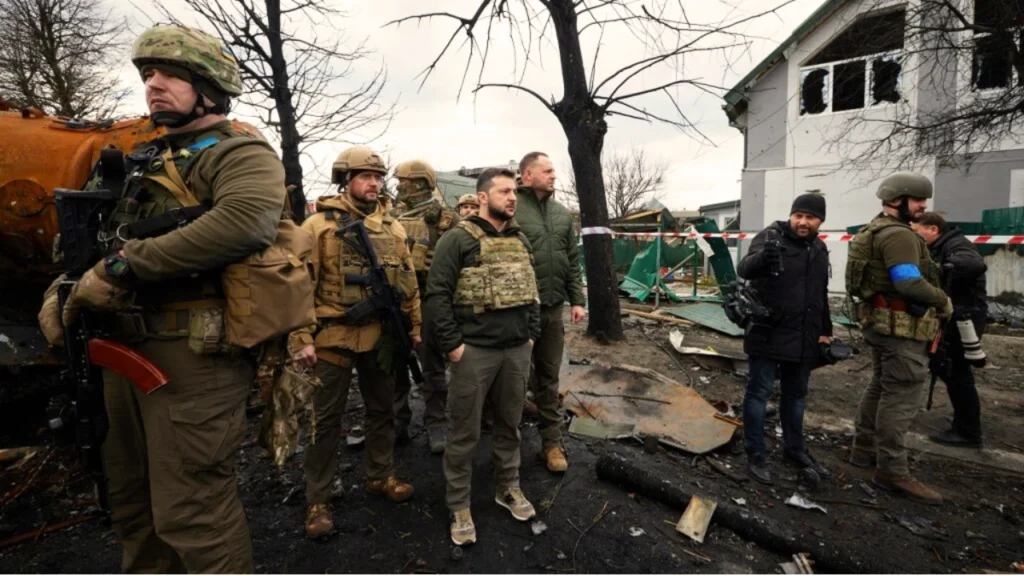
Poland Response Protects Airspace
The attack also affected regional airspace beyond Ukraine’s borders. Poland, a NATO and European Union member, scrambled fighter jets after military radar tracked a Russian cruise missile crossing into Polish territory.
Polish authorities later discovered debris and a crater near the village of Tarnawa-Kolonia in Lublin Province, close to the Ukrainian border. Officials launched an investigation while Ukraine requested participation in the inquiry.
Polish Prime Minister Donald Tusk said there was no evidence that Poland had been the intended target, although officials described the incident as serious because it involved a violation of NATO airspace.
Defense authorities stated they were prepared to intercept the missile if it had threatened populated areas.
The incident renewed concerns over the safety of regional airspace as commercial flights continue operating around restricted zones created by the Russia-Ukraine conflict.
Aviation Impact Raises Concerns
Although civilian aircraft were not directly threatened, the latest strikes again demonstrated how military operations can rapidly affect aviation security throughout Eastern Europe.
Airlines have largely avoided Ukrainian airspace since the full-scale invasion began in 2022, while neighboring countries continue coordinating closely with military authorities to protect civilian traffic.
Ukraine again urged its allies to accelerate deliveries of Patriot air defense systems, which remain the country’s only effective defense against many Russian ballistic missiles.
Officials argued that stronger air defenses would not only protect civilians but also improve overall regional airspace stability.
Meanwhile, Russia’s Defense Ministry said it had targeted military facilities across Ukraine, including infrastructure extending from Kyiv to Lviv, as well as three cargo ships.
Russia also reported intercepting 258 Ukrainian drones overnight after Kyiv targeted logistics infrastructure inside Russia.
With the war now in its fifth year, both sides have intensified long-range missile and drone operations, making airspace management increasingly complex and reinforcing the importance of coordinated military and civil aviation safety measures across Europe.
Stay tuned with us. Further, follow us on social media for the latest updates.
Join us on Telegram Group for the Latest Aviation Updates. Subsequently, follow us on Google News
